
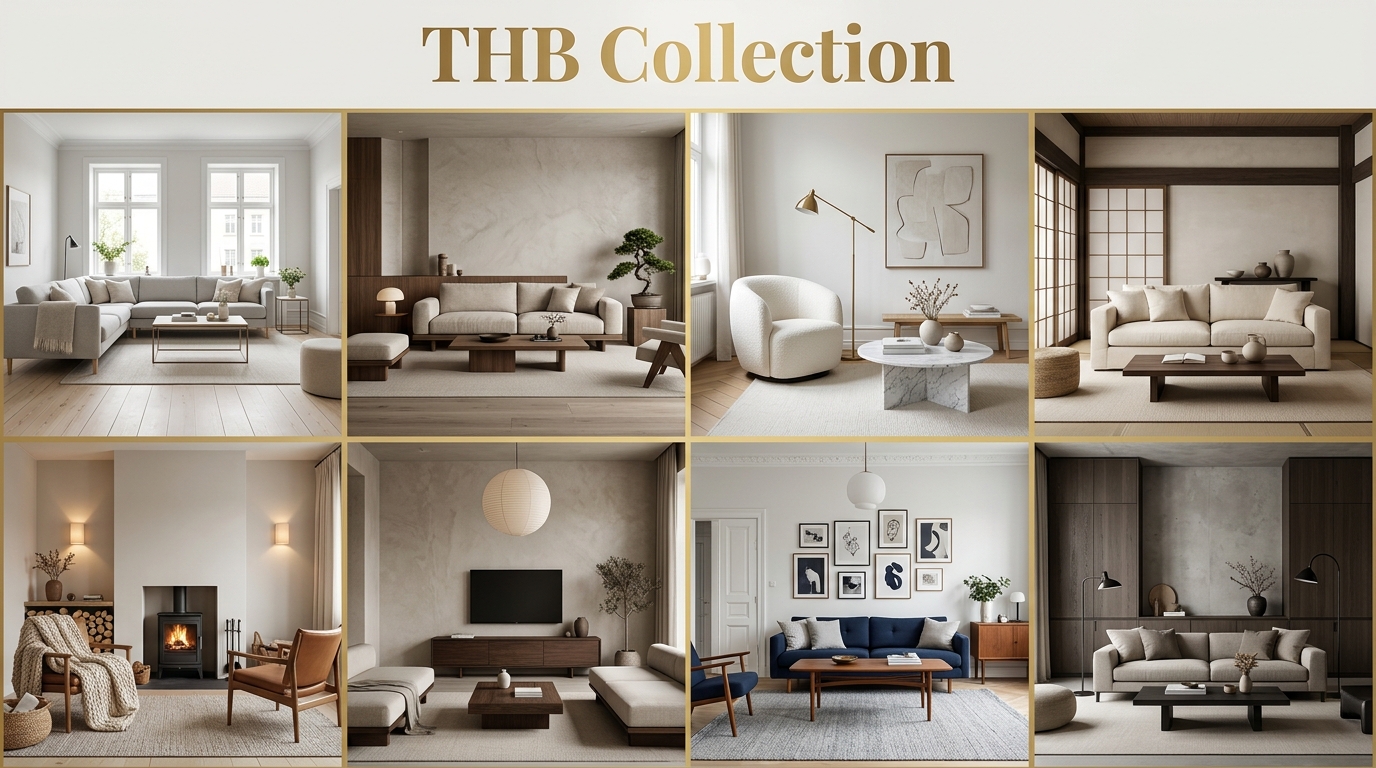
Creating a calm, inviting home starts with stripping away visual clutter without making your space feel cold or unfinished. Many homeowners struggle with the balance between clean, modern design and that cozy, lived-in warmth we all crave at the end of a long day. If you want to transform your main gathering area into a peaceful retreat, exploring these 18 neutral & Scandinavian living room ideas is the perfect place to start. Embracing this timeless aesthetic is all about intentional simplicity, combining organic textures, functional furniture, and a soothing color palette that gives your mind room to breathe, while taking cues from the best home decor inspiration available today.
The real beauty of the Nordic aesthetic lies in its everyday livability. Instead of creating a sterile showroom, this style invites you to celebrate natural materials, maximize sunlight, and prioritize comfort through the concept of hygge. When you intentionally layer warm whites, earthy tones, and pale timbers, you create a bright, airy environment that instantly lowers your stress levels. Whether you are remodeling a sprawling suburban house or refreshing a compact city apartment, these design principles will help you craft a space that feels curated, refreshing, and deeply personal for years to come.
1. Layer White and Cream Tones for Visual Depth
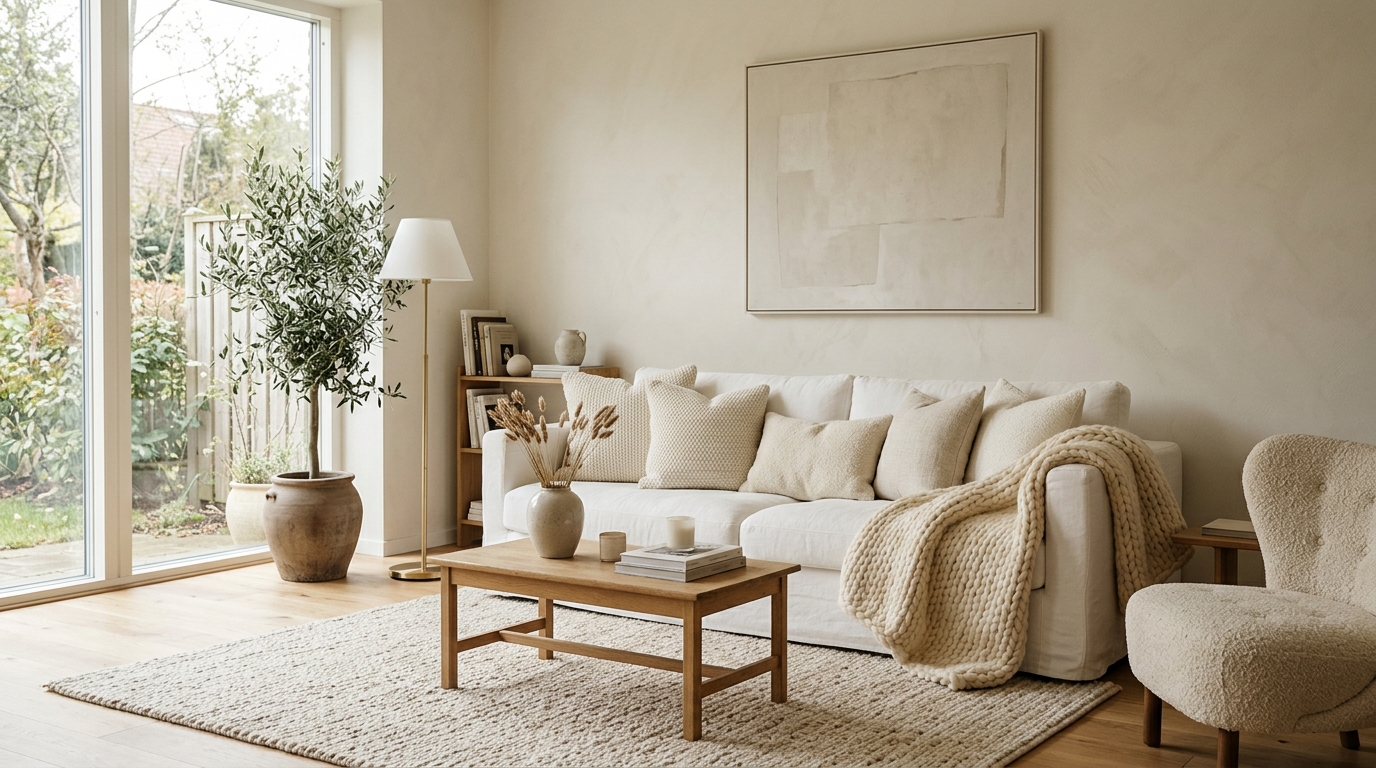
The foundation of any Nordic-inspired space begins with a thoughtful palette of whites, but the secret is avoiding flat, sterile shades that feel like a hospital room. To build warmth, you need to layer various tones of cream, ivory, eggshell, and soft beige across your walls, furniture, and textiles. When you paint your walls a warm, off-white hue, it bounces natural light around the room while providing a gentle backdrop for your decor. Introduce contrast through fabrics, pairing a crisp white linen sofa with textured cream throw pillows and a buttery ivory knit blanket. This subtle variation in shades creates depth and visual interest without ever overwhelming the eye or breaking the serene neutral theme.
2. Introduce Light Ash and Birch Wood Accents
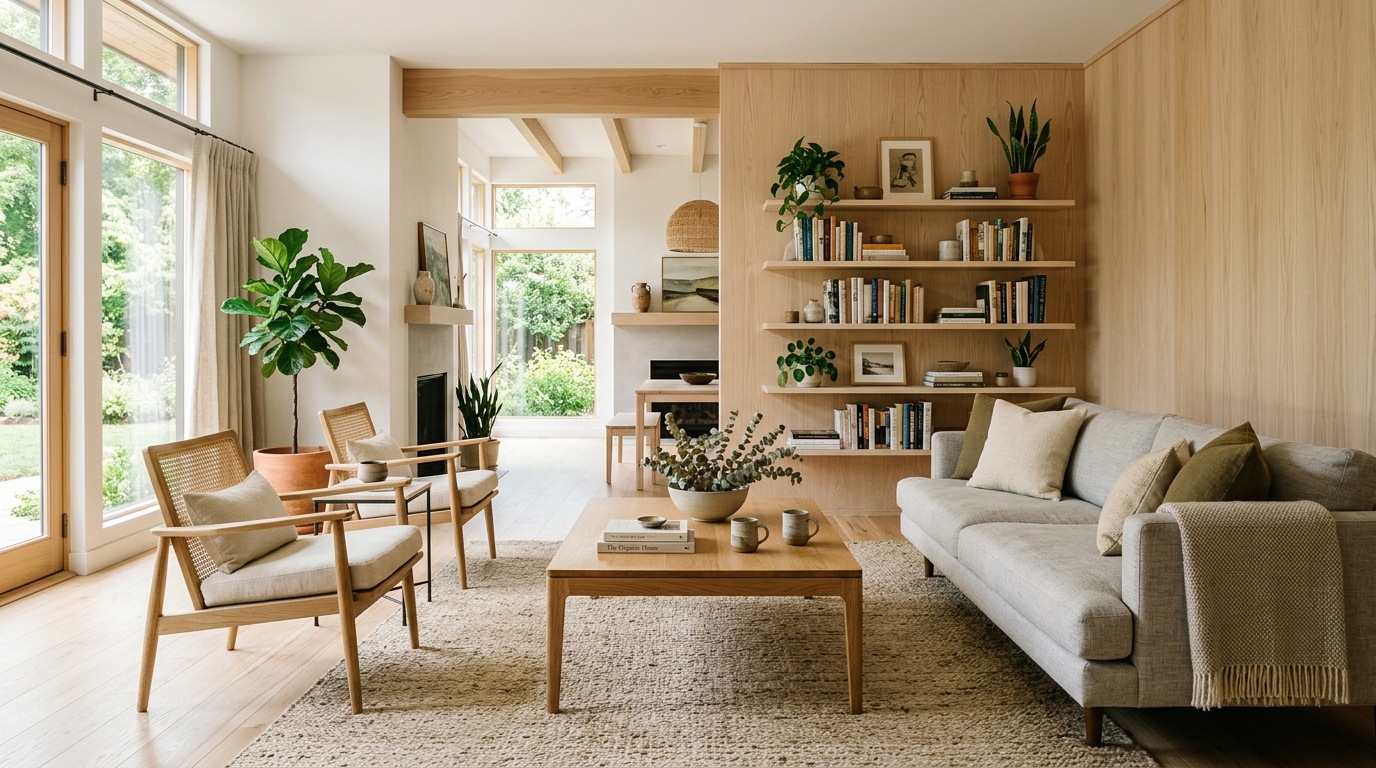
Scandinavian interiors rely heavily on pale timbers to counteract the chill of dark northern winters, and this technique works wonders in American homes, too. Incorporating light woods like ash, birch, white oak, or beech immediately infuses an organic, earthy element into a white-dominant room. Look for a solid oak coffee table with clean lines, floating birch bookshelves, or slender wooden armchairs to anchor your layout. Avoid dark, heavy stains or reddish woods like cherry, as these can disrupt the light, airy aesthetic you are aiming to achieve. For a slightly eclectic feel, you can even blend these pale timbers with subtle mid-century touches like tapered furniture legs or slatted wood accent panels.
3. Maximize Natural Light With Sheer Window Treatments
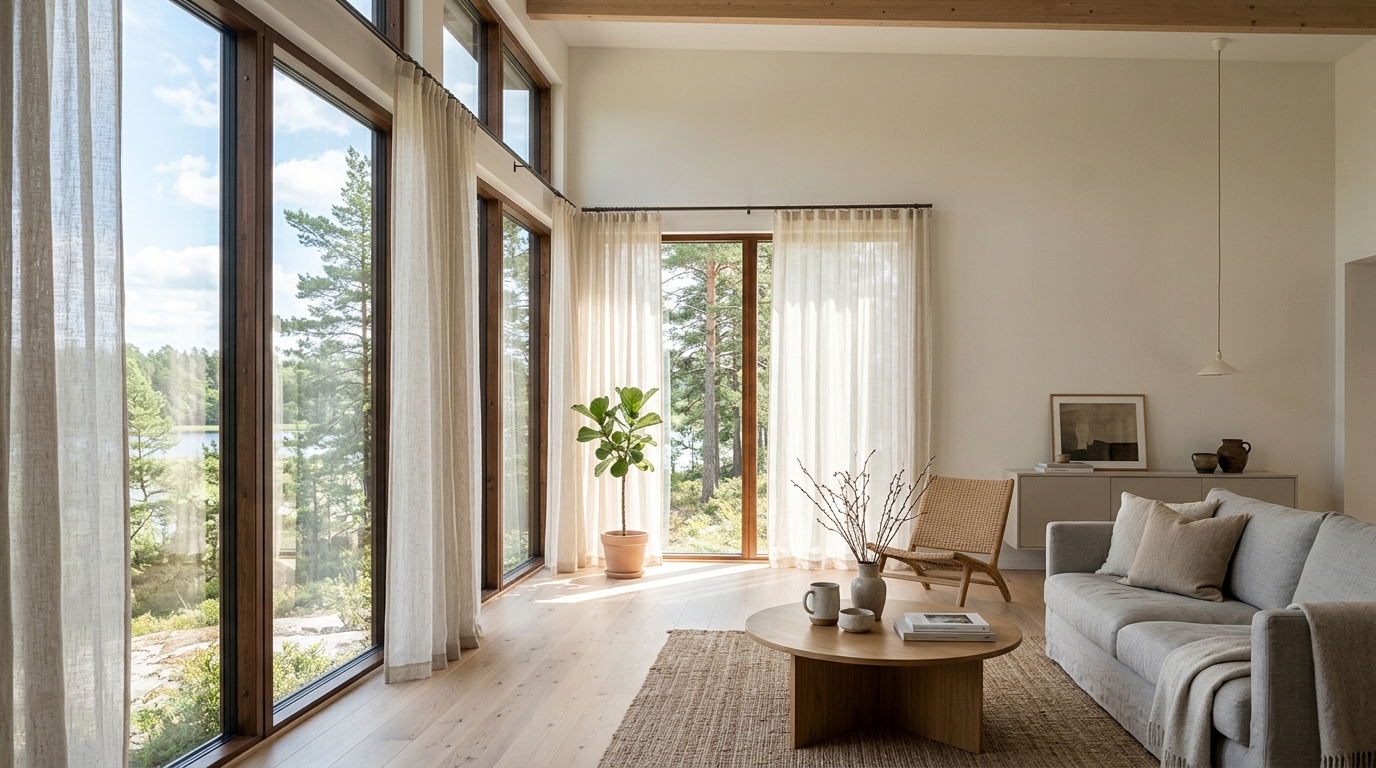
Sunlight is considered a precious commodity in Scandinavian architecture, which means heavy, dark drapery is rarely used. To make your living room feel as expansive and bright as possible, opt for lightweight, sheer window treatments made from organic cotton or airy linen. These breathable fabrics filter harsh midday rays into a soft, diffused glow while maintaining your privacy from neighbors. If your home already benefits from secluded views, consider leaving your windows completely bare to let architectural details and trim shine. When hanging curtains, install the rod closer to the ceiling rather than just above the window frame to draw the eye upward and make your ceilings appear significantly taller.
4. Anchor the Space With a Chunky Wool Rug
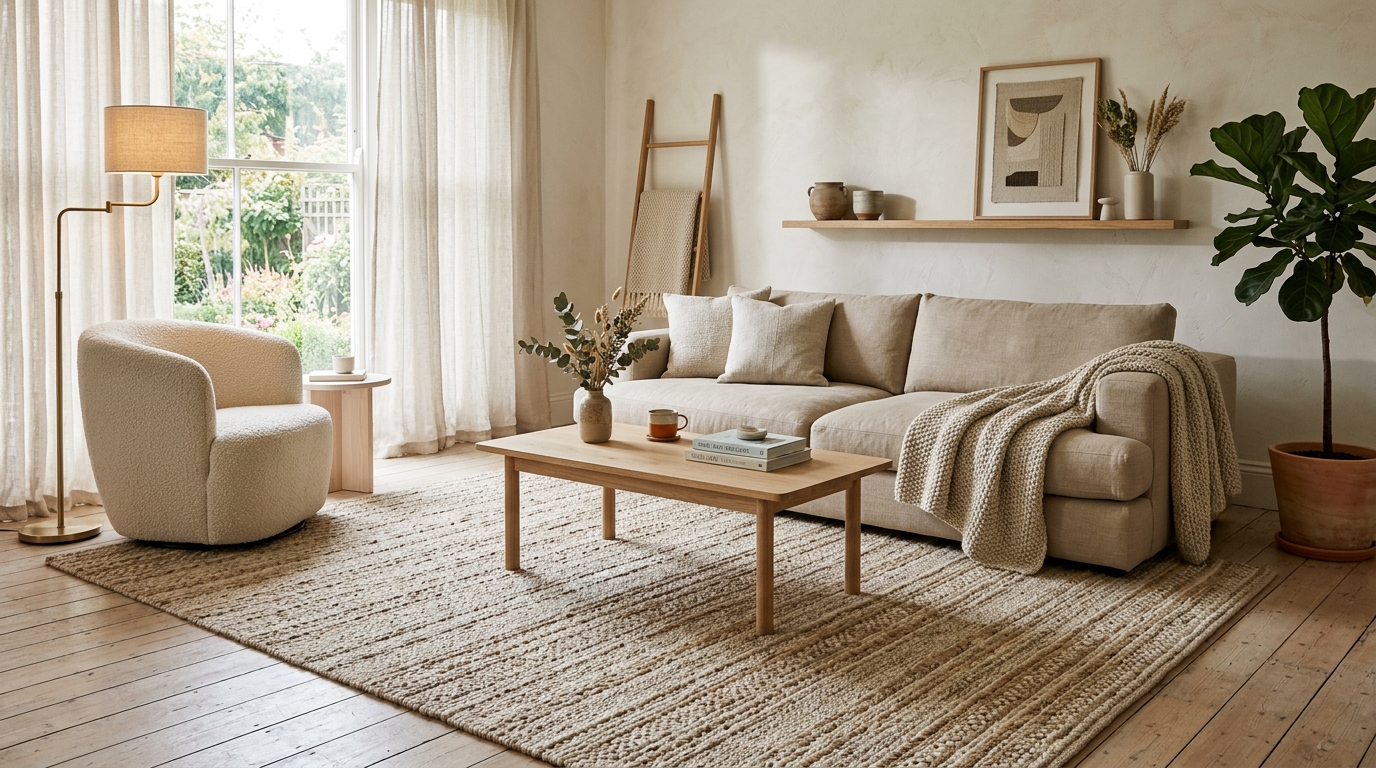
Bare wood floors are a hallmark of Nordic design, but they require grounding and physical comfort underfoot, especially in a seating area. A large, high-quality rug acts as an visual anchor that ties your sofa, chairs, and coffee table together into a cohesive conversation zone. Look for textured materials like flatweave wool, nubby boucle, or braided jute in muted tones like oatmeal, heather gray, or soft taupe. These natural fibers add essential warmth and sound absorption to open rooms, creating that coveted cozy atmosphere. Just like choosing cozy area rugs for private quarters, make sure your living room rug is large enough so at least the front legs of all major furniture pieces sit comfortably on top.
5. Incorporate Cohesive Open-Concept Dining Elements
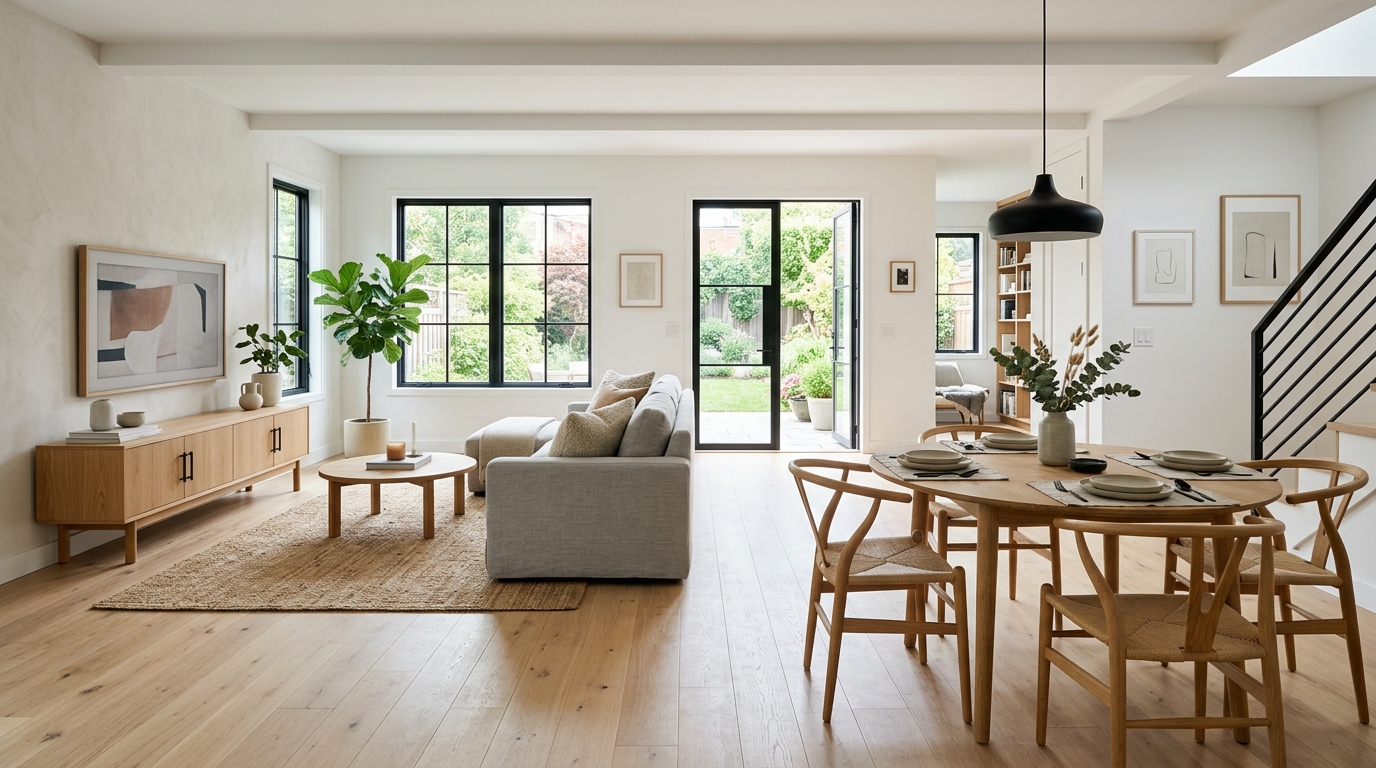
Many modern American floor plans merge the living area directly into the dining zone, requiring a seamless visual transition between the two spaces. To maintain a unified Scandinavian aesthetic, echo the same light wood tones, matte black hardware, and neutral fabrics across both areas. For example, if you feature a light oak media console in your seating area, pair it with round wood tables in a matching finish just a few feet away. Keep dining chairs simple and ergonomic, perhaps opting for classic wishbone styles or minimalist upholstered seats in cream linen. By treating the open floor plan as one continuous visual journey, your home will feel significantly larger, calmer, and more harmoniously designed.
6. Embrace Low-Profile, Slender-Legged Furniture
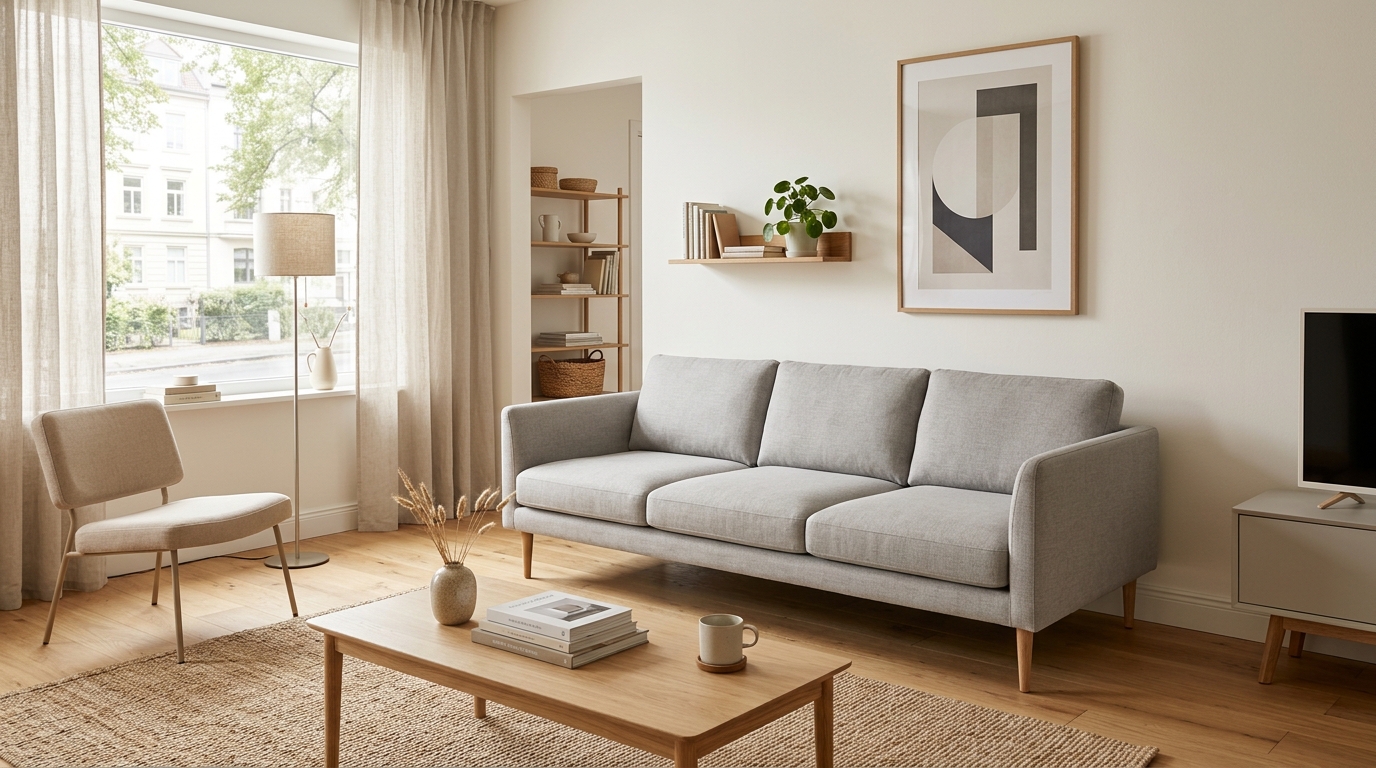
Heavy, overstuffed furniture that sits flat on the floor can quickly make a room feel cramped and visually weighed down. Scandinavian design solves this by championing low-profile furniture lifted off the ground on slender wood or metal legs. When you can see the floor continuing underneath a sofa or armchair, it creates an optical illusion of extra square footage and effortless airflow. This approach is particularly transformative for compact living areas where every inch of perceived space matters. Seek out sofas with clean, track arms and streamlined cushions that offer ergonomic support without the unnecessary bulk of traditional overstuffed American silhouettes.
7. Curate Organic Ceramic and Stoneware Decor
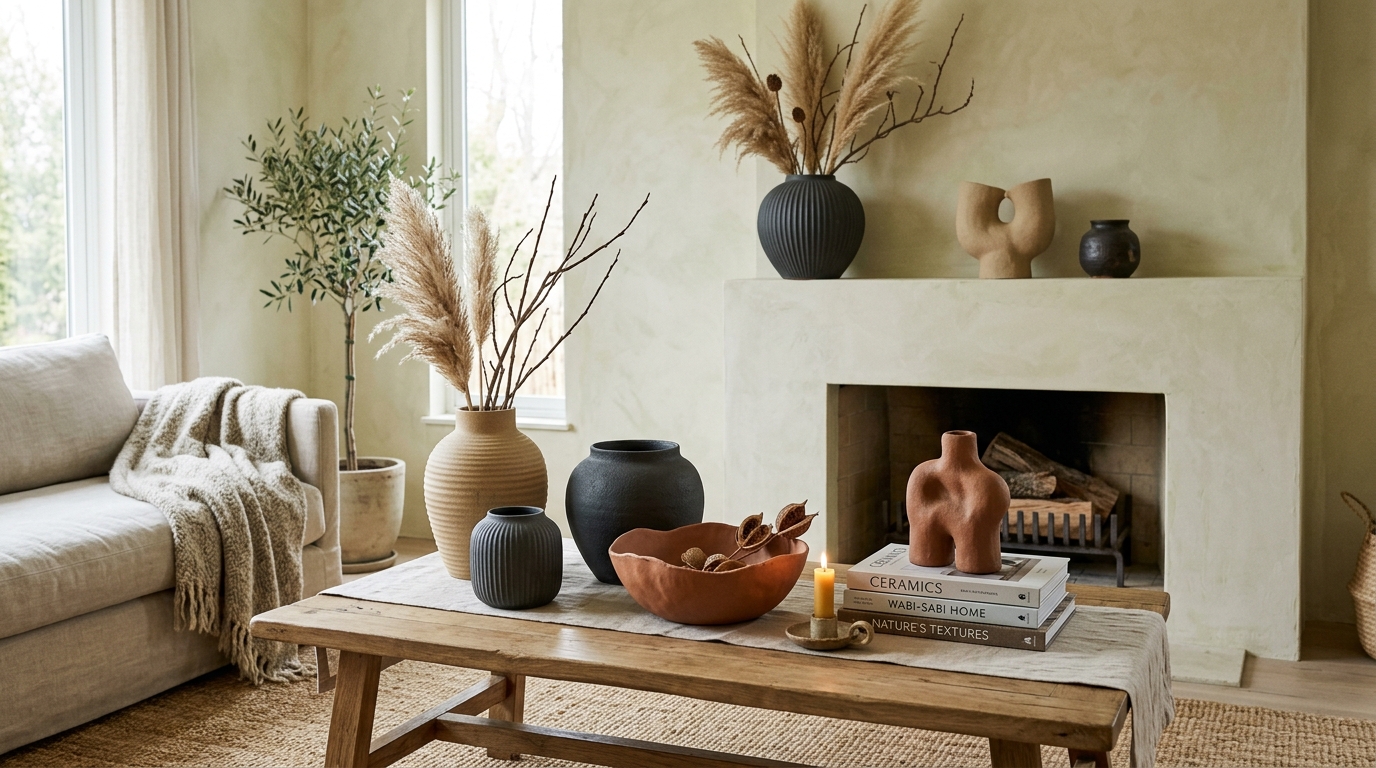
When decorating shelves, mantels, and coffee tables, step away from glossy, mass-produced accessories and move toward handmade ceramic and stoneware pieces. The Scandinavian aesthetic celebrates imperfection and tactile beauty, making matte pottery, stoneware vases, and terracotta sculptures ideal decorative accents. Look for vessels with ribbed textures, organic shapes, and earthy glazes in shades of sand, charcoal, and muted terracotta. These vessels look beautiful completely on their own as sculptural art, or they can be styled with dried botanicals like pampas grass, eucalyptus branches, or simple architectural twigs for a touch of nature.
Tip: Group your ceramic vases and decorative objects in odd numbers – like threes or fives – while varying their heights and textures to create an effortlessly natural, balanced display.
8. Bring the Outdoors in With Olive Trees and Ficus Plants
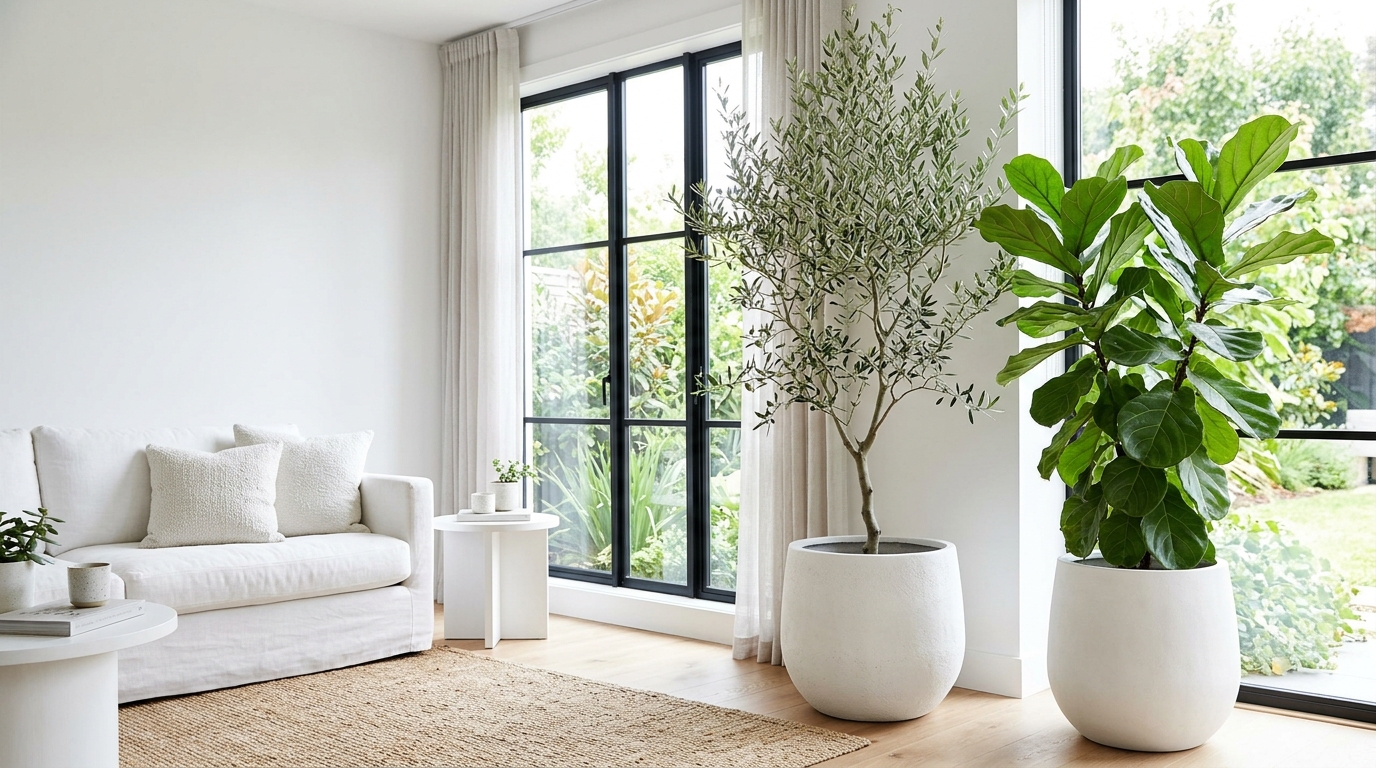
While bright accent colors are generally avoided in classic Nordic palettes, living greenery is welcomed as the ultimate organic neutral. Plants inject life, fresh air, and vibrant energy into an off-white room without disrupting the peaceful monochromatic scheme. A potted indoor olive tree, a tall ficus audrey, or a sweeping fiddle leaf fig makes a stunning focal point when placed in an empty corner next to a window. Use understated planters made from matte white ceramic, woven seagrass, or pale gray concrete to keep the focus entirely on the sculptural foliage. If you don’t have a green thumb, high-quality faux greenery or preserved eucalyptus branches offer the exact same visual benefits with zero maintenance.
9. Blend Japanese Minimalism for a Hybrid Aesthetic
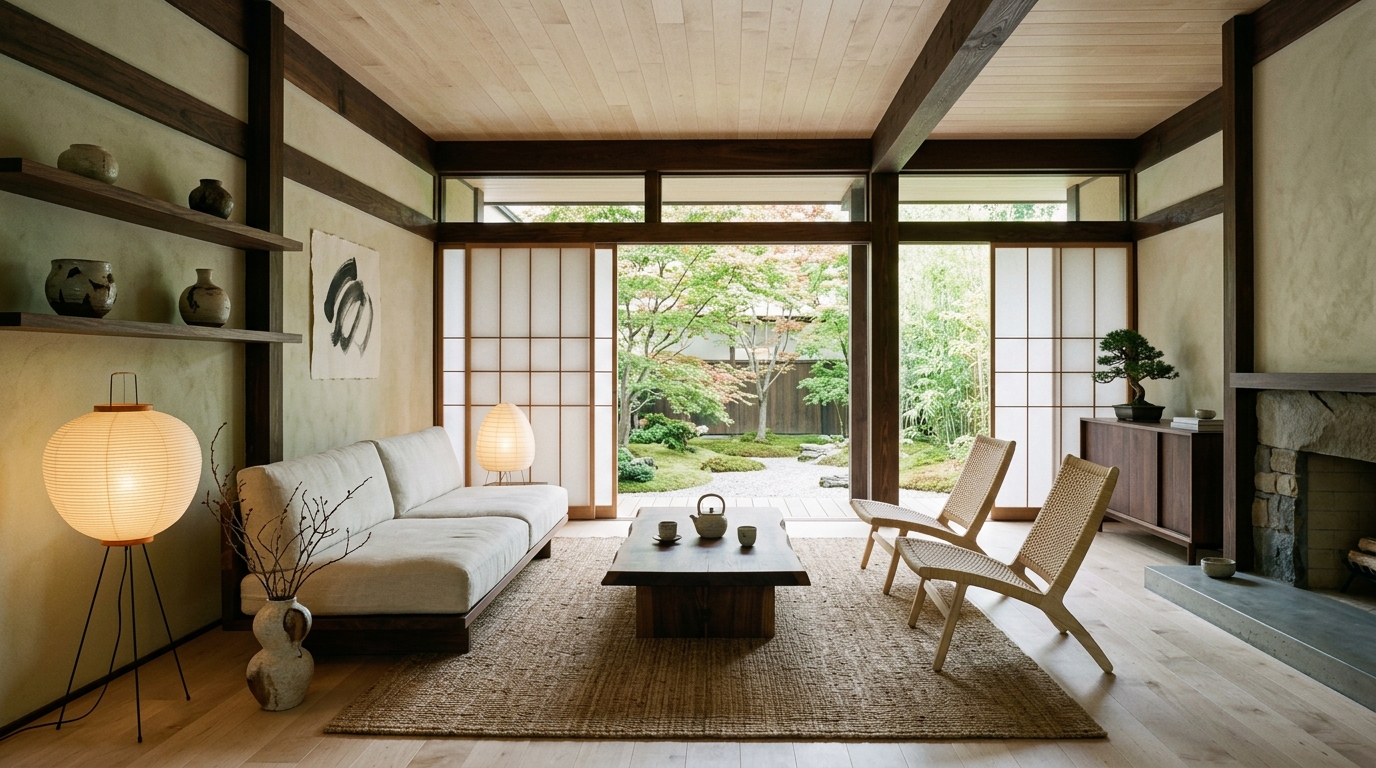
One of the most popular styling evolutions in recent years is the fusion of Scandinavian functionality with Japanese rustic minimalism, creating an ultra-serene hybrid vibe. This design approach focuses on intentional simplicity, low-slung furniture, and a deep appreciation for raw, unfinished beauty. You can achieve this look by incorporating darker contrast woods like walnut alongside traditional pale birch, or by adding traditional paper lantern floor lamps to your layout. Exploring Japandi interior style encourages you to declutter aggressively, keeping surfaces bare except for a few functional, highly meaningful objects that bring genuine tranquility to your daily routine.
10. Soften Clean Lines With Curvy Accent Chairs
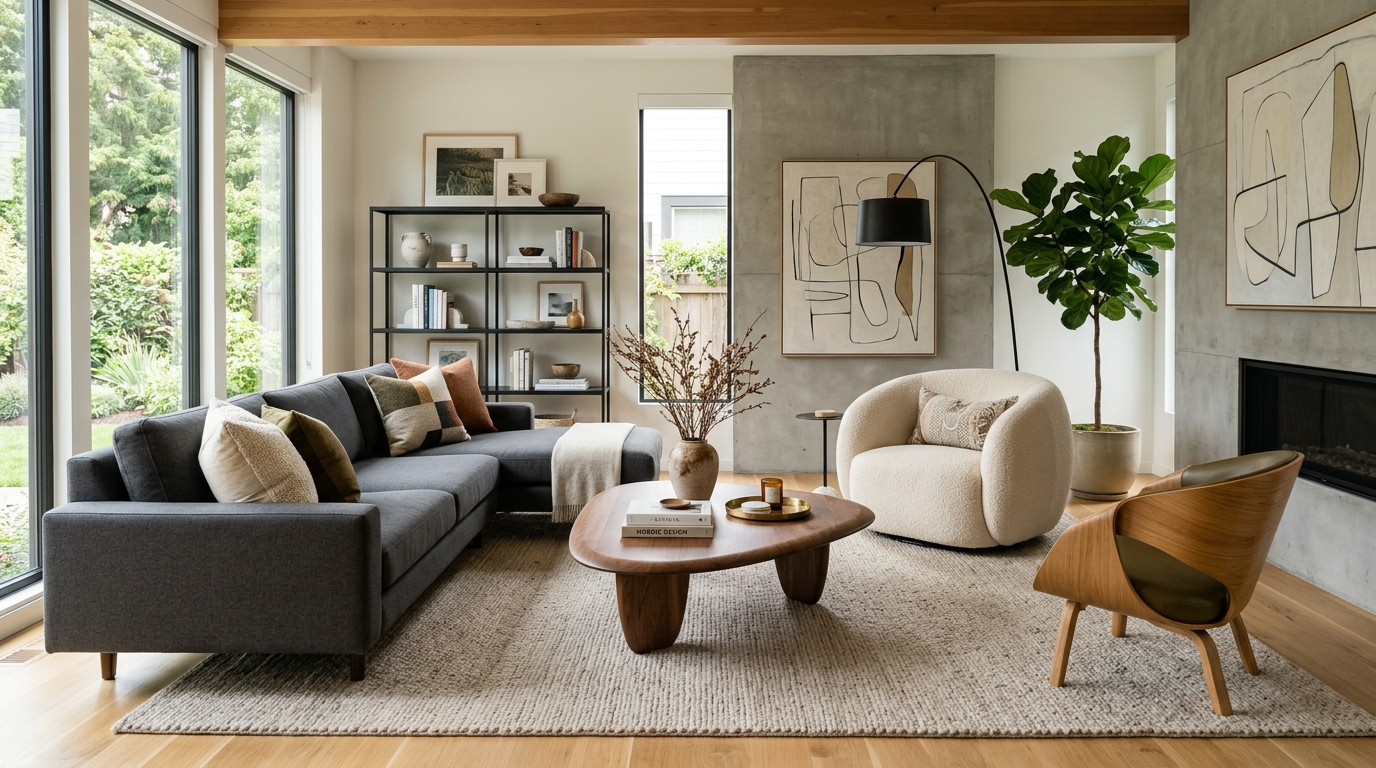
While Scandinavian architecture often features straight, clean lines, adding furniture with rounded, organic shapes prevents the room from feeling too rigid or boxy. A plush barrel chair upholstered in cream boucle or a curved, asymmetrical swivel armchair introduces welcoming softness to your primary seating arrangement. These rounded silhouettes naturally draw the eye and encourage relaxed, casual conversation among guests. Try pairing a structured, linear sofa with a circular upholstered ottoman or a fluid, pebble-shaped coffee table. This juxtaposition between sharp geometric lines and soft, sweeping curves creates a beautifully balanced, designer-level layout that feels both structured and intensely comfortable.
11. Design a Distraction-Free Workspace Corner
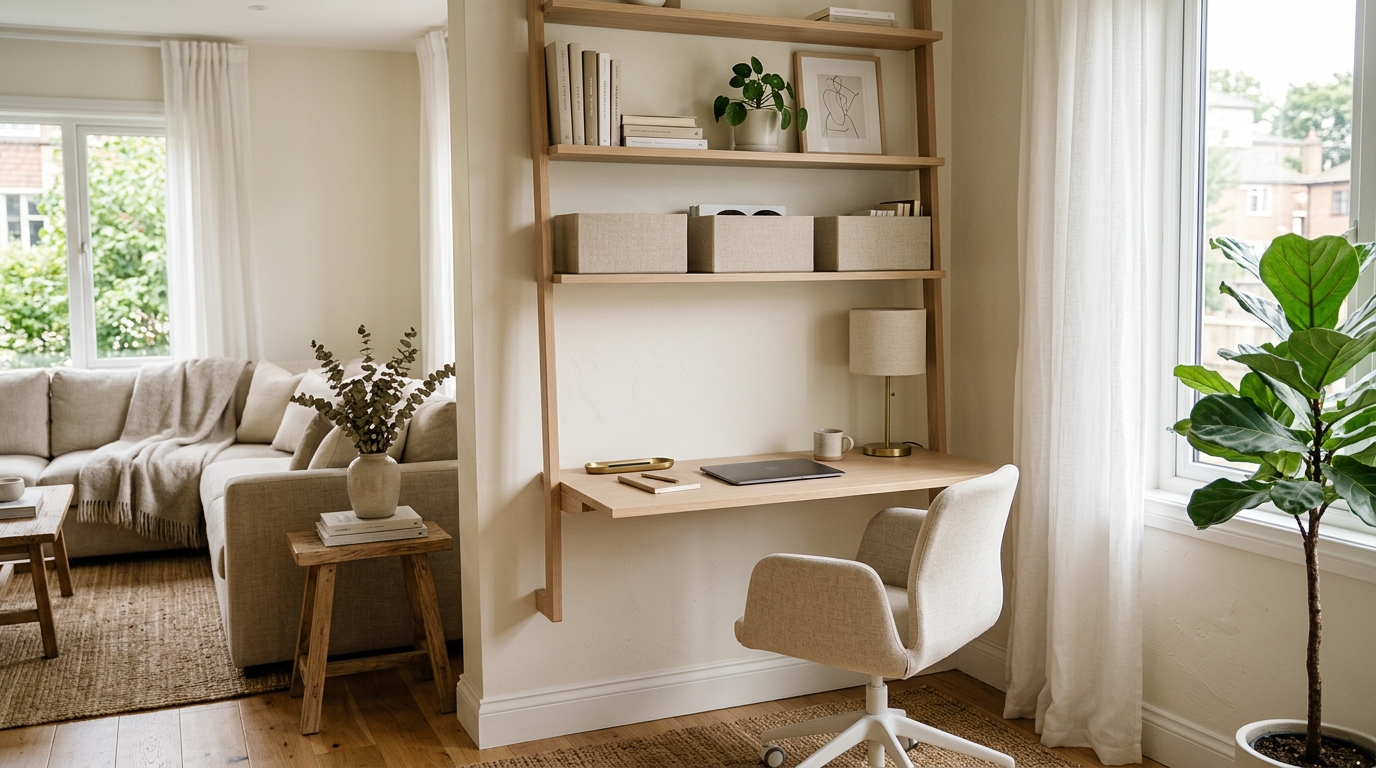
With remote work becoming a permanent fixture for many families, integrating a functional office space into the main living room is a common necessity. The challenge is ensuring your computer screen and paperwork do not ruin the relaxing atmosphere of your evening sanctuary. Choose a slim, wall-mounted writing desk or a ladder-style shelving unit in pale oak that blends seamlessly into your existing living room furniture. Keep desktop clutter hidden away in matching linen boxes, and select an ergonomic desk chair that mirrors the fabrics used on your sofa. Drawing inspiration from a minimalist home office will help you create a dedicated productivity zone that visually disappears the moment you log off for the day.
12. Play With Black Contrast to Avoid Washout
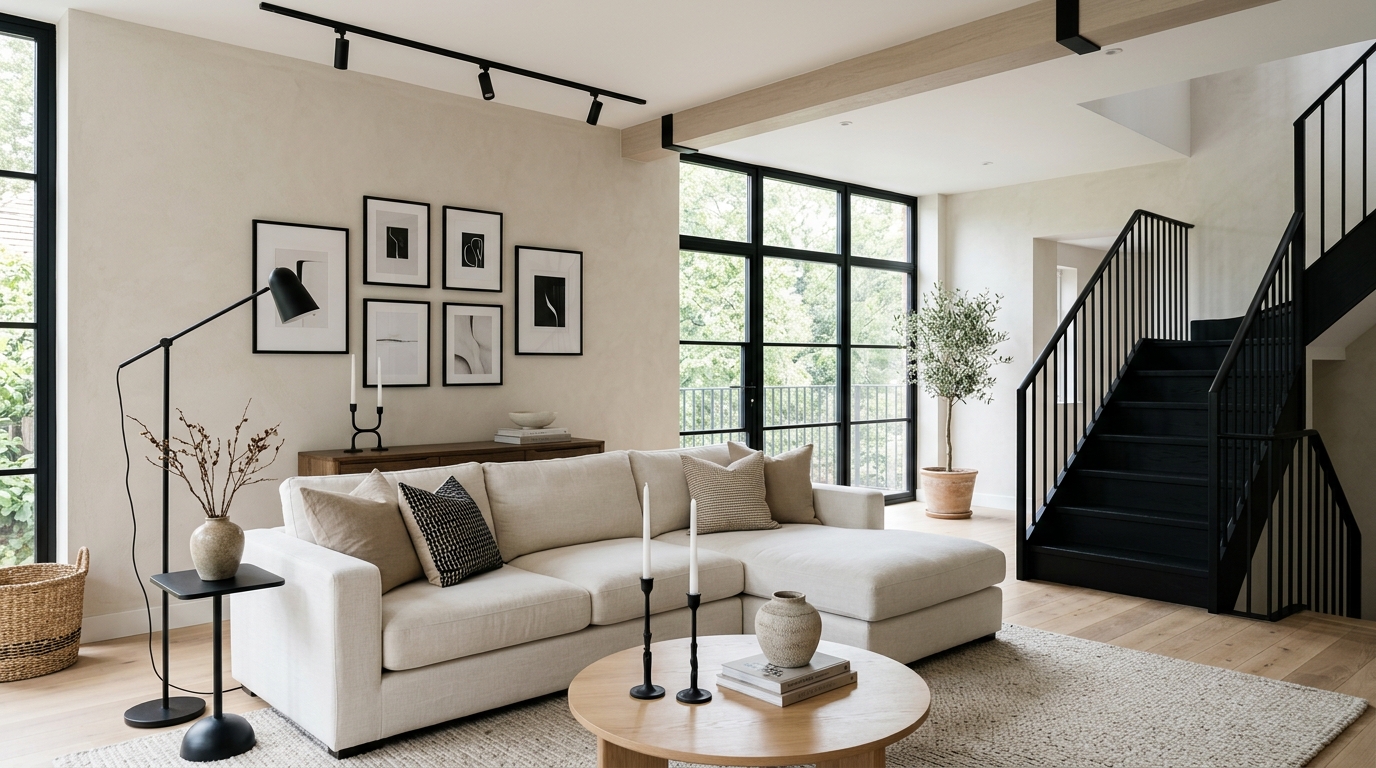
A room decorated entirely in beige and white can sometimes feel floating and undefined without a bit of visual grounding. The secret weapon of Scandinavian designers is the strategic use of sharp black contrast to add structure, modern flair, and architectural definition to neutral spaces. Think of black as the eyeliner of your living room: a thin black metal floor lamp, slender black picture frames, or matte black cabinet hardware instantly make surrounding light tones pop. Use these dark accents sparingly – perhaps through a wrought-iron candle holder, a black-legged coffee table, or charcoal graphic patterns on a throw pillow – to give the room a crisp, sophisticated edge.
13. Install Warm Ambient Fixtures for Hygge Evenings
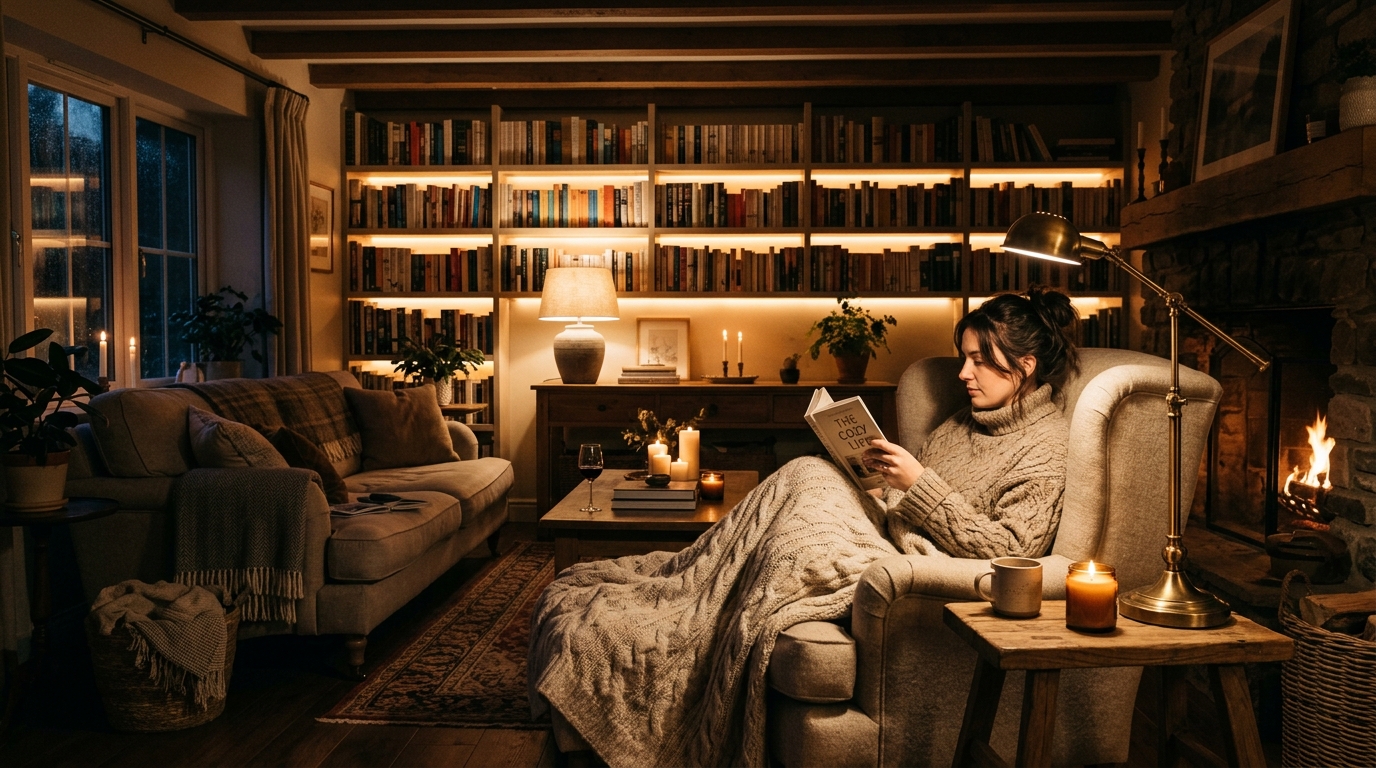
In Scandinavian culture, harsh overhead lighting is strictly avoided in favor of multiple pools of warm, atmospheric glow placed throughout the room. To capture this cozy hygge ambiance, turn off your ceiling recessed lights and layer at least three to four secondary light sources at eye level. Incorporate a dimmable brass reading lamp next to your favorite armchair, a textured ceramic table lamp on a side console, and soft LED strip lighting hidden inside bookshelves. When planning your layout, coordinate these decorative fixtures with your adjoining kitchen lighting choices so the temperature and warmth of the bulbs remain consistent across your entire main living level.
14. Use Textured Wall Treatments and Limewash Paint
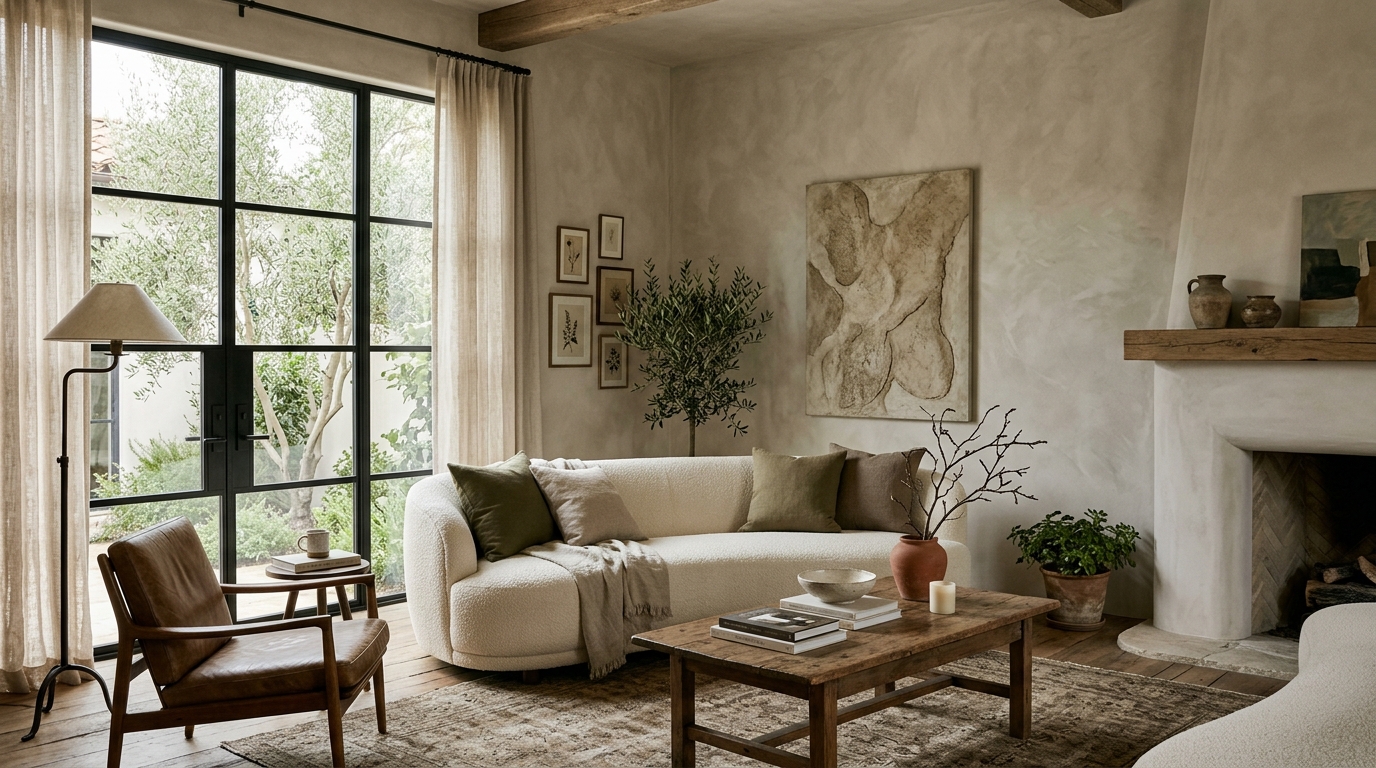
If plain drywall feels too flat for your minimalist taste, adding subtle wall texture is a fantastic way to introduce luxury without using bold patterns or bright colors. Limewash paint, Roman clay, and subtle plaster treatments create a velvety, suede-like finish that catches natural light in mesmerizing ways throughout the day. These breathable, mineral-based finishes lend an old-world, earthy character to modern living rooms, making the walls feel like an intentional design feature rather than an afterthought. Stick to soft earth tones like warm greiges, pale taupe, or weathered oyster shell to keep the mood quiet, grounded, and intensely sophisticated.
15. Hide Everyday Clutter Inside Woven Storage Baskets
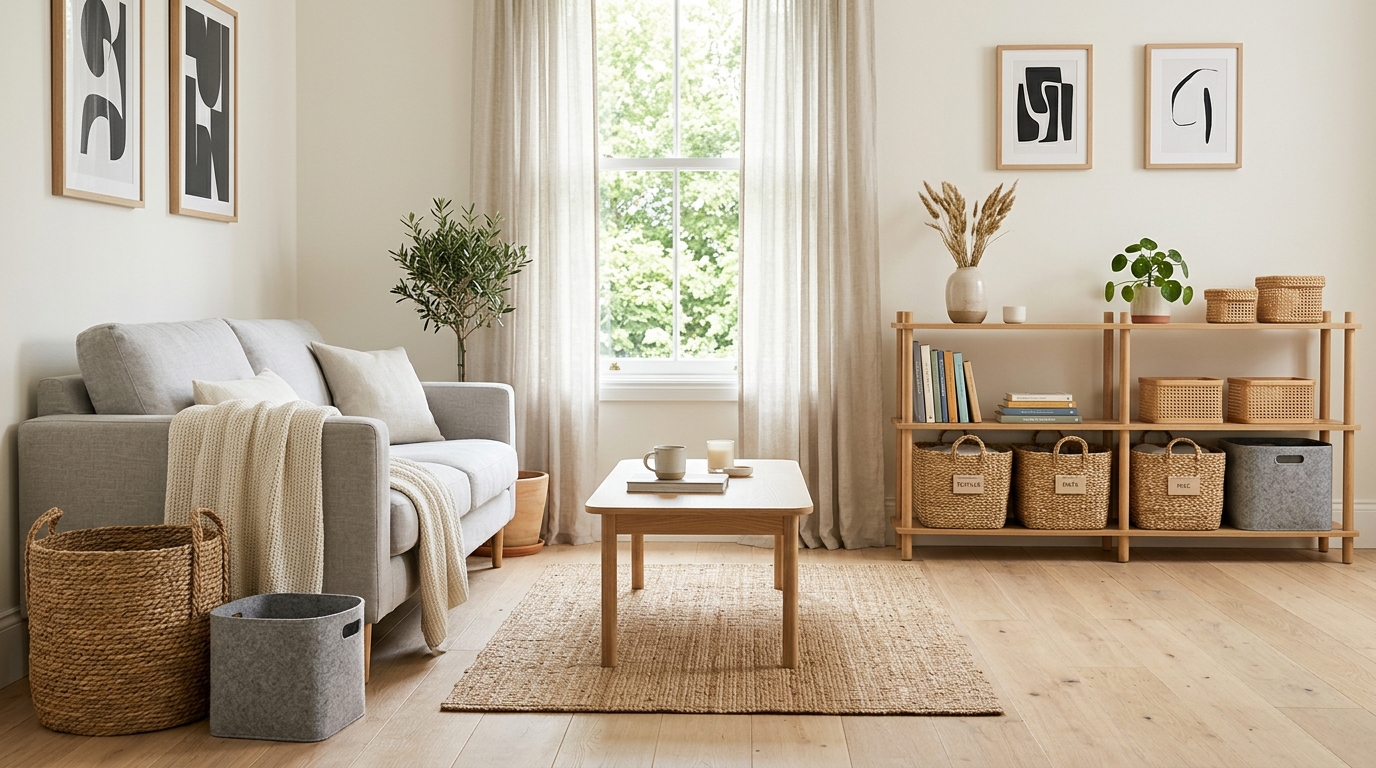
True Scandinavian design is not about having zero possessions; it is about having a dedicated, concealed home for every item you own. Visual clutter causes mental fatigue, which is why smart storage solutions are critical in a neutral living room. Invest in generous woven baskets made from natural seagrass, jute, felted wool, or ash wood strips to corral everyday chaos. Place a large basket next to the sofa to hold extra throw blankets, use lidded wicker boxes on lower shelving for children’s toys, and utilize decorative fabric bins for electronics cords and remote controls. When everything is tucked neatly out of sight, your home immediately feels more peaceful and manageable.
16. Arrange a Minimalist Gallery Wall With Muted Art
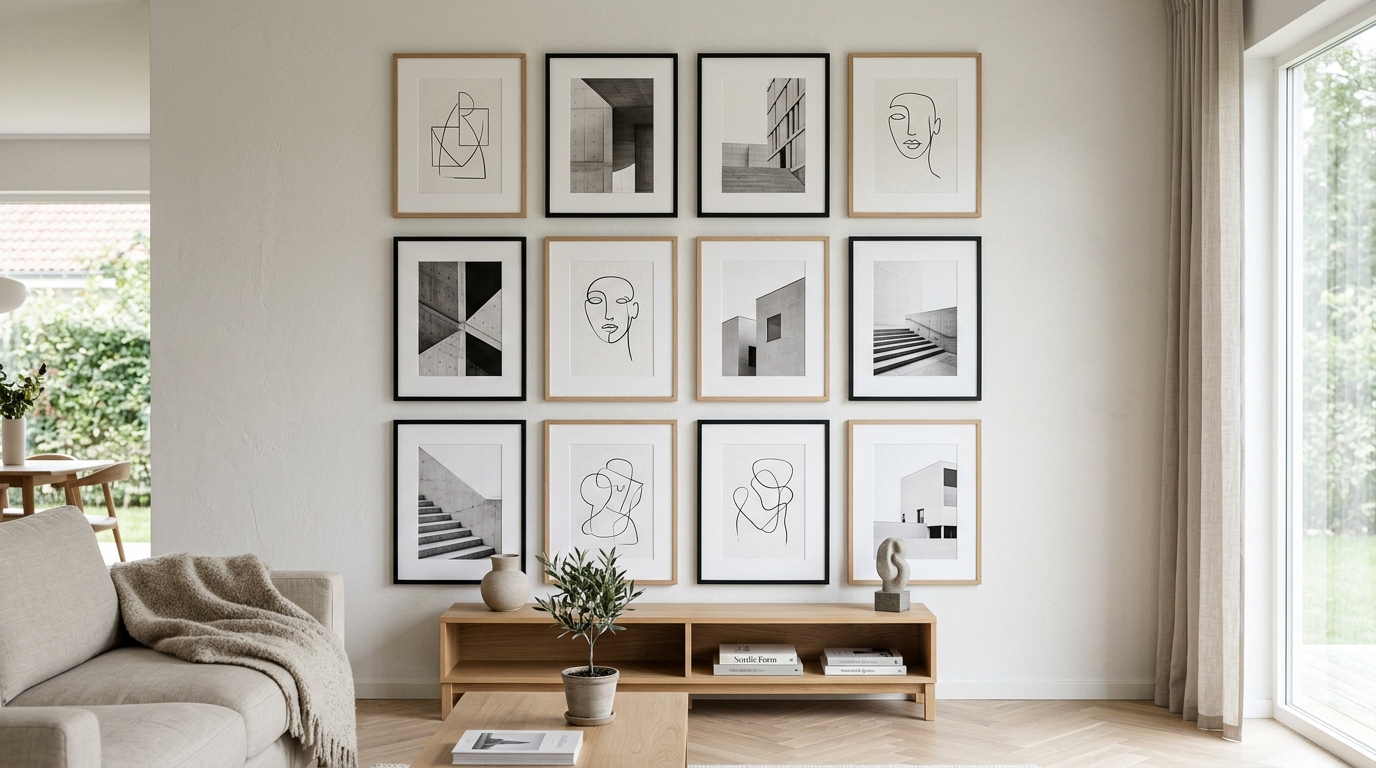
You do not need bright, colorful canvas paintings to make a statement on your living room walls. A minimalist gallery wall featuring muted tones, abstract line drawings, architectural photography, or soft watercolor washes fits the Nordic aesthetic perfectly. Select frames made from natural oak, light birch, or thin matte black aluminum, and ensure you use oversized, crisp white mats to give each art piece plenty of breathing space. Hang the frames with tight, uniform spacing for a structured grid look, or opt for an organic, asymmetrical salon-style layout. Keeping the artwork cohesive in color and theme reinforces the tranquil atmosphere of the entire room.
17. Opt for High-Performance Slub Linen Upholstery
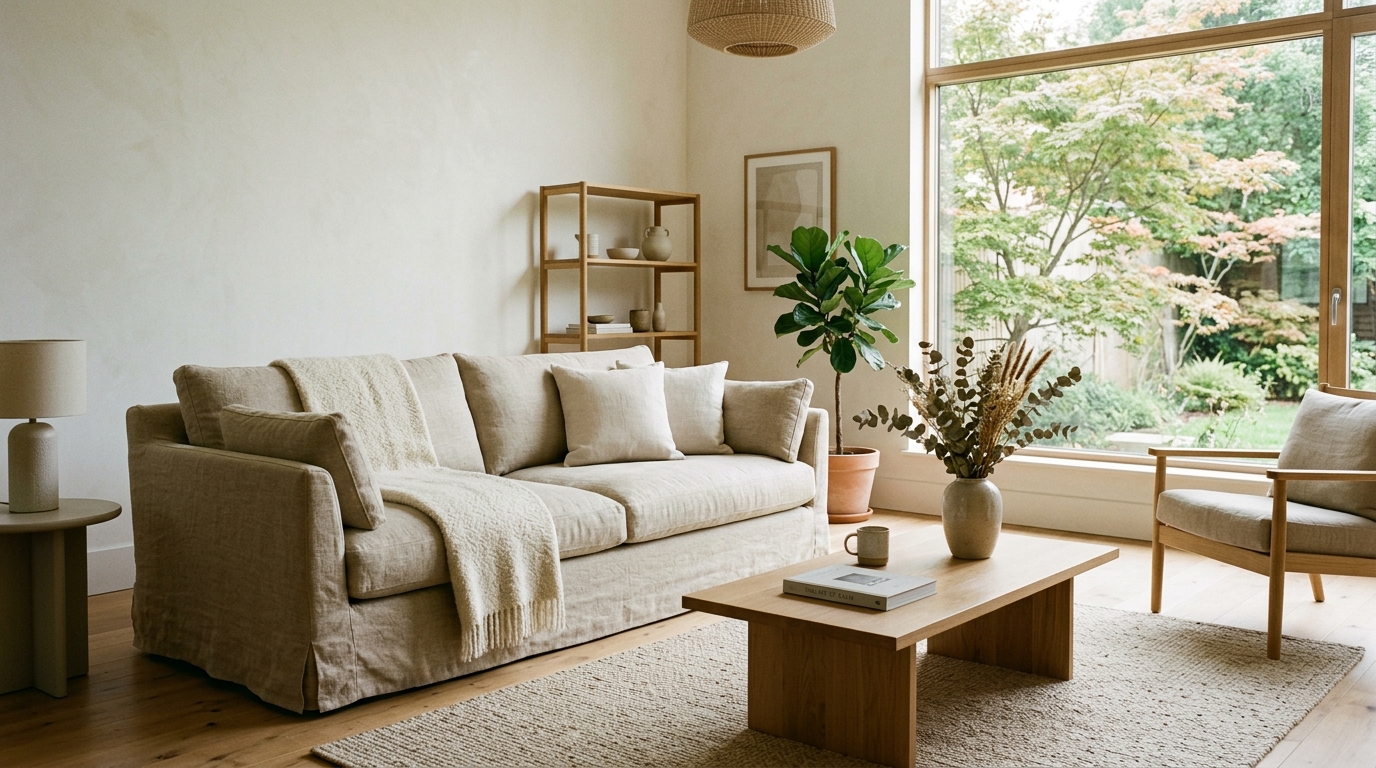
When designing a neutral space, many homeowners fear that light-colored sofas will be ruined by spills, pets, and daily family wear. The practical solution is selecting high-performance, stain-resistant fabrics that mimic the look and tactile beauty of organic slub linen or heavy cotton canvas. Look for slipcovered sofas that allow you to easily remove and launder the upholstery whenever accidents happen. Fabrics with a gentle weave or a slight texture naturally hide minor wear better than completely flat materials. Building a durable foundation allows you to enjoy the serene beauty of a light-filled Japandi living space without stressing over daily maintenance.
18. Focus on Negative Space and Intentional Breathing Room
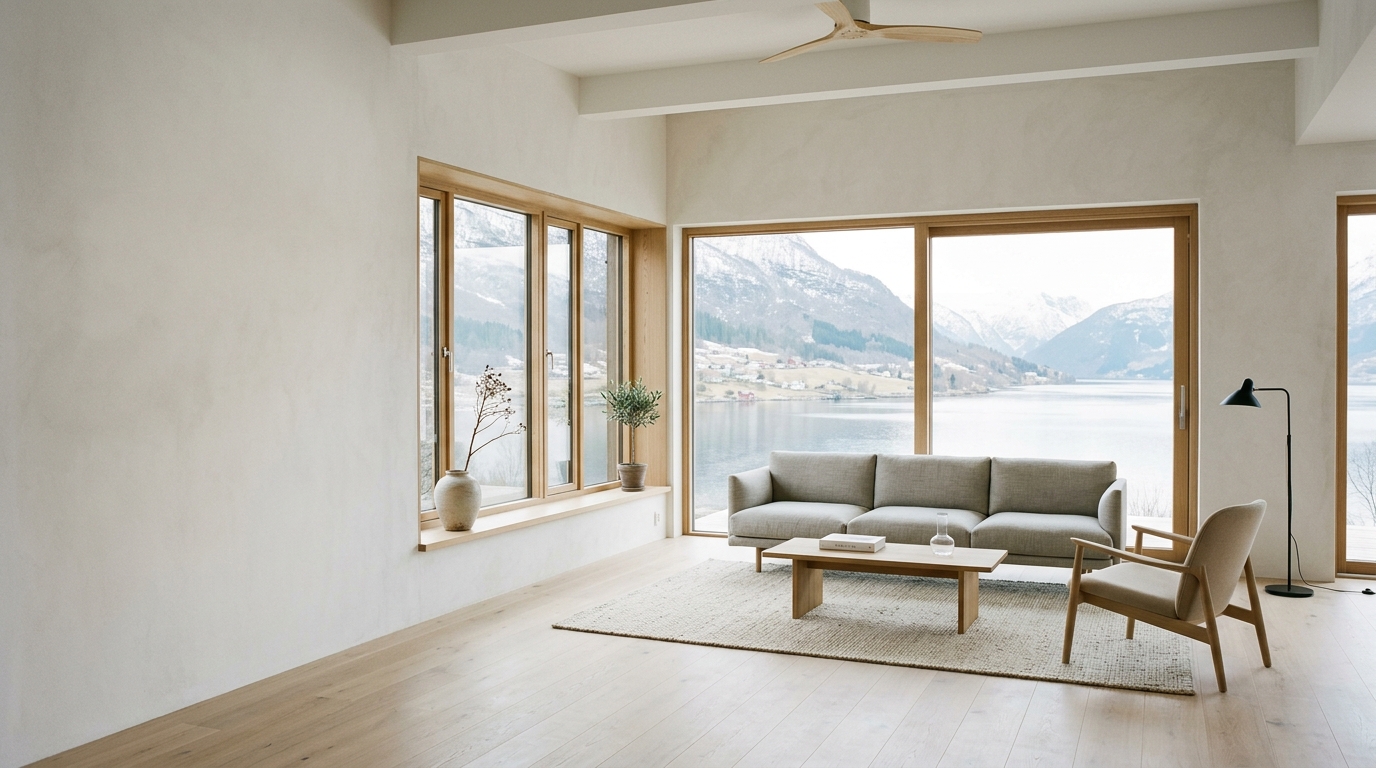
Perhaps the most challenging yet rewarding aspect of Scandinavian design is mastering the art of negative space. In America, we are often conditioned to fill every empty corner, hang art on every wall, and style every square inch of tabletop. Nordic philosophy teaches us that empty space is actually a design element in itself, providing resting spots for your eyes and allowing your favorite architectural features to truly stand out. Resist the urge to overcrowd your layout; leave a wall completely blank, let a windowsill remain empty, and allow gaps between your furniture pieces so energy and light can flow freely through the room.
Tip: Before purchasing a new decorative item for your living room, try removing two existing items from the space first to see if the room feels more relaxing and intentional with less clutter.
Final Thoughts on Styling Your Nordic Sanctuary
Transforming your home with these neutral & Scandinavian living room ideas is ultimate proof that you do not need bright colors or overflowing decor to create a space full of warmth and personality. By intentionally layering soft creams and warm whites with organic materials like birch timber, textured wool, and matte ceramics, you build a multi-dimensional environment that invites daily relaxation. Remember that this design style is rooted in everyday livability and comfort above all else. Start small by editing down your current clutter, optimizing your natural light sources, and introducing a few tactile elements like a cozy throw or a sculptural branch. Over time, you will cultivate a timeless, peaceful sanctuary that serves as a genuine retreat from the busy outside world.
Frequently Asked Questions
What are the best neutral paint colors for a Scandinavian living room?
The best Scandinavian paint colors are warm whites, soft greiges, and light taupes that contain subtle warm undertones to prevent the room from feeling chilly. Look for shades with gentle hints of yellow, beige, or blush, rather than harsh blue or gray bases, to ensure your walls glow beautifully in both natural daylight and evening lamp light.
How do I make a neutral living room feel warm instead of cold?
To warm up a neutral room, prioritize tactile variety by layering different fabrics and materials like chunky wool rugs, boucle cushions, raw linen drapery, and natural wood furniture. Additionally, incorporating indoor plants and using warm white LED bulbs (around 2700K) in your lamps will instantly create a cozy, welcoming hygge atmosphere.
Can I use dark furniture in a Scandinavian living room?
Yes, you can use dark furniture, but it should be introduced strategically and sparingly as an accent rather than the dominant feature. A charcoal armchair, a black-stained coffee table, or slender black metal shelving can anchor a light-toned room and provide stunning visual contrast without overpowering the airy Nordic aesthetic.
What is the difference between minimalist and Scandinavian interior design?
While both styles prioritize clean lines and decluttered spaces, traditional minimalism often leans toward industrial, cool, and ultra-sleek finishes with metal and glass. Scandinavian design softens minimalism by heavily focusing on comfort, natural wood accents, organic textures, and the Danish concept of hygge to ensure the space always feels cozy and livable.
Ready to start creating your own peaceful home retreat? We would love to help you design every room in your house with confidence – head over to our main blog for more trendy home ideas and styling inspiration. Bookmark this guide, share it with your favorite design buddy, and start building the relaxing living space you deserve today!