
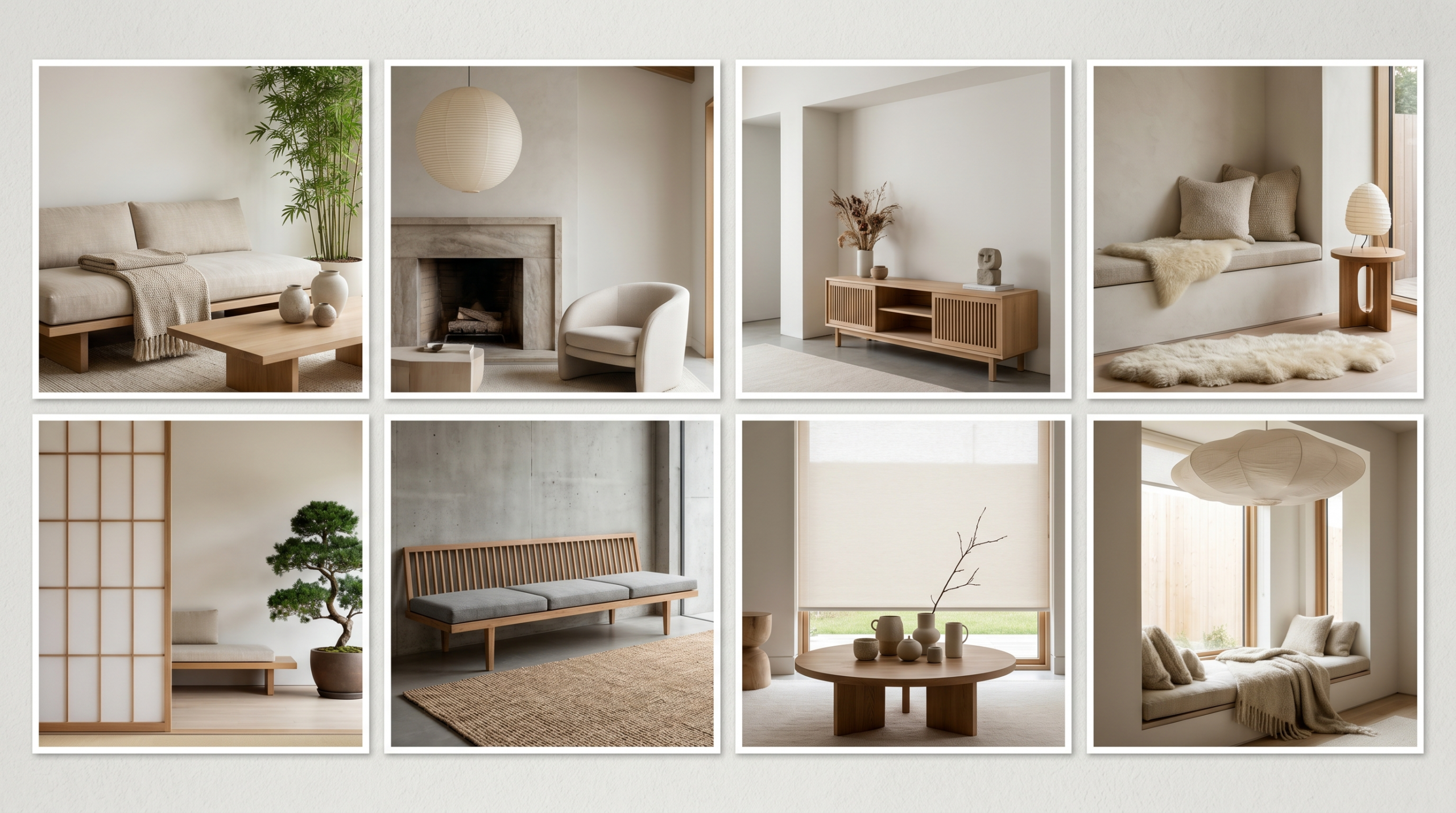
In the high-speed digital landscape of 2026, our homes have become the ultimate counter-measure to stress. This is precisely why Modern Japandi Living Room Designs have taken the world by storm. Japandi is the beautiful marriage of Japanese “Wabi-Sabi” (finding beauty in imperfection) and Scandinavian “Hygge” (a sense of cozy contentment). It is a style that doesn’t just look organized – it feels deeply peaceful. At Trendy Home Bloom, we believe that a home should “bloom” into a sanctuary of calm.The secret to Japandi isn’t just about throwing away your clutter; it’s about the intentional choice of materials, the rhythm of natural light, and the celebration of craftsmanship. Whether you are living in a busy city apartment or a suburban home, these 30 professional strategies will help you achieve that elusive Zen-like balance. If you want to see how top designers are currently mastering this East-meets-West aesthetic, explore these stunning minimalist inspirations that are defining the genre today. Let’s start your journey toward a more intentional home.
1. The Low-Profile Seating Philosophy
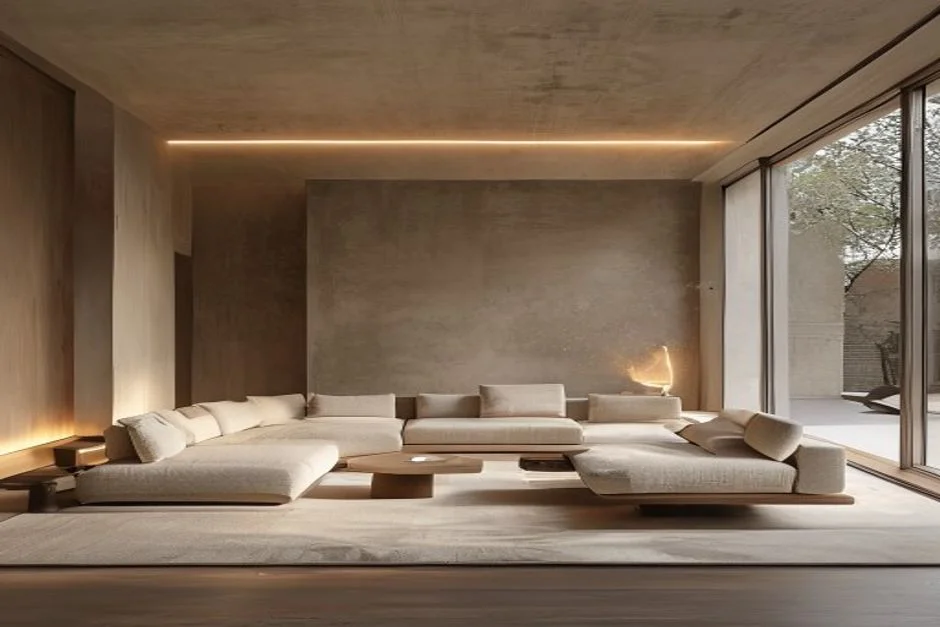
At the heart of any Japandi space is a connection to the ground. In Japanese culture, sitting closer to the floor represents a grounded lifestyle. To achieve this, choose low-profile sofas and armchairs that lack high legs. This “ground-led” luxury makes your ceilings feel taller and creates a relaxed, lounge-style atmosphere that is perfect for meditation and quiet conversation.
2. Prioritize Natural, Unfinished Wood
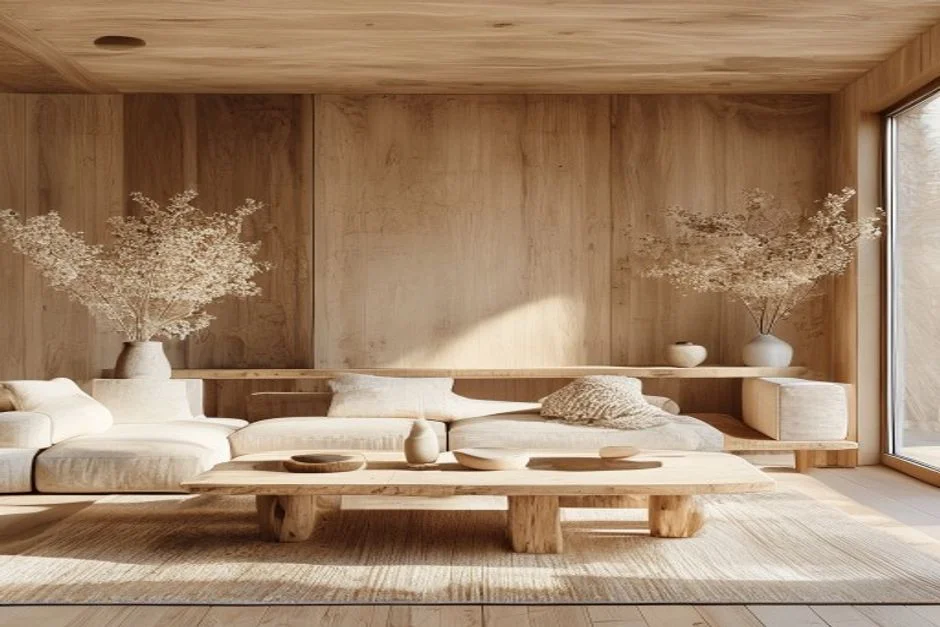
Japandi design hates the look of high-gloss, artificial wood. Instead, prioritize light-colored woods like Oak, Ash, or Hemlock in their most natural state. The visible grain and the matte finish bring an organic warmth to the room that is central to the Scandinavian “Hygge” philosophy. It’s about celebrating the raw, “Blooming” beauty of the natural world.
3. A Palette of Muted, Earthy Neutrals
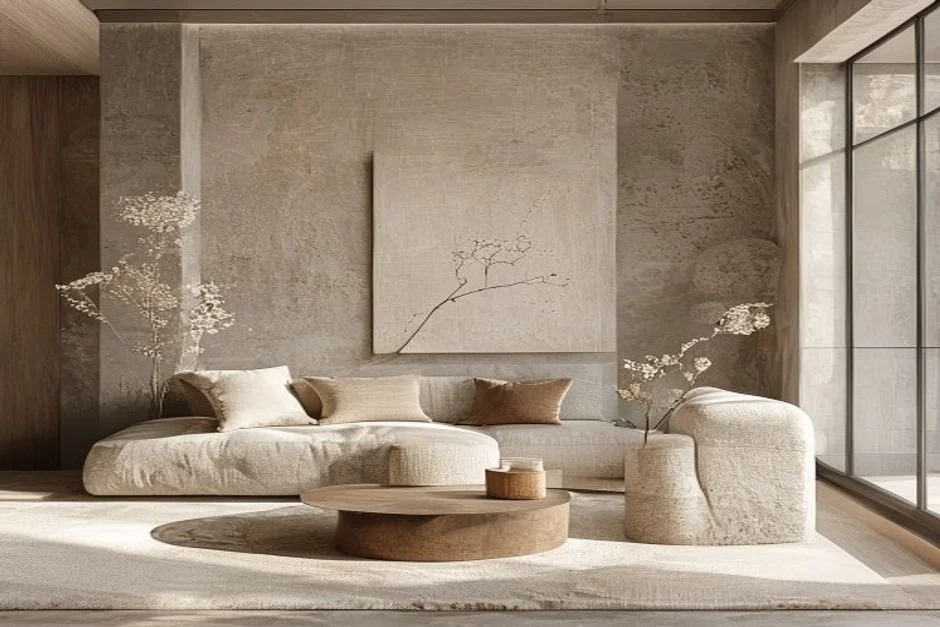
Move beyond basic white. A professional Japandi room utilizes a palette of “Warm Neutrals” think stone grey, soft taupe, oatmeal and a touch of terracotta. These colors reflect natural light softly and provide a calm backdrop that doesn’t compete for your attention. You can see more of our favorite neutral palettes in our recent trend reports.
4. The Beauty of “Wabi-Sabi” Ceramics
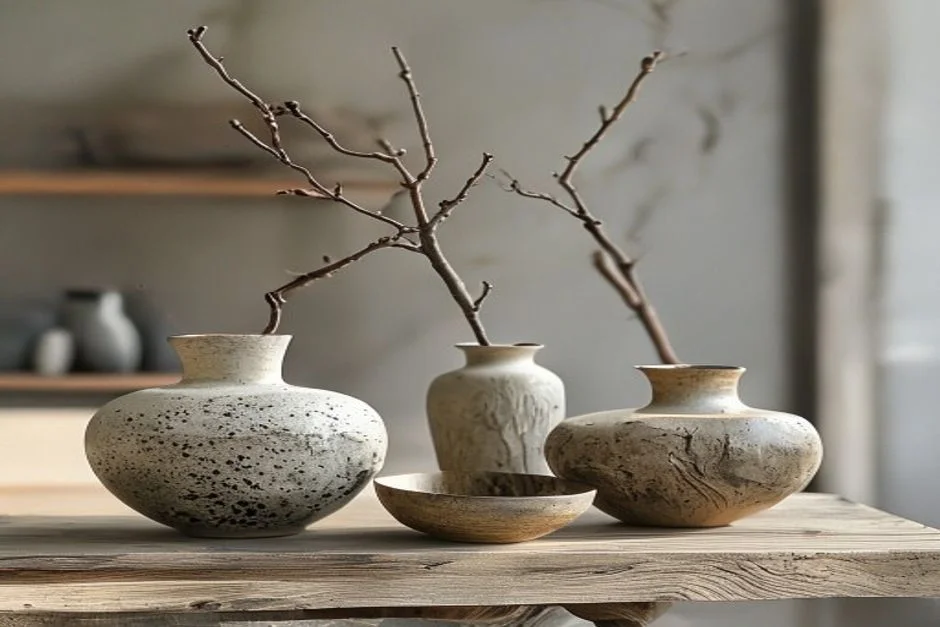
In Japandi, perfection is boring. Incorporate hand-thrown ceramic vases and bowls that have slight wobbles or irregular glazes. This “Wabi-Sabi” element reminds us of the human hand behind the object. Placing a single, imperfect branch in an irregular ceramic vase is the ultimate Zen statement for your coffee table.
5. Incorporate Slatted Wood Wall Panels
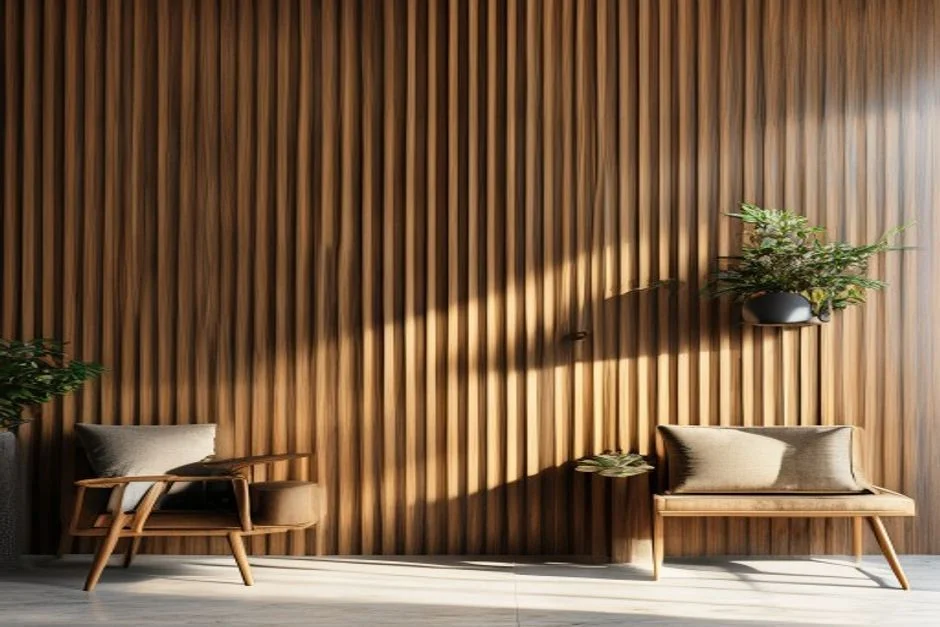
Vertical wood slats (often called “Acoustic Panels”) are a signature of Japandi luxury. They add a rhythmic, architectural texture to the walls while improving the room’s sound quality. The thin vertical lines draw the eye upward, creating a sense of order and sophisticated height that feels incredibly modern and expensive.
6. The “Scandi-Soft” Textural Rug
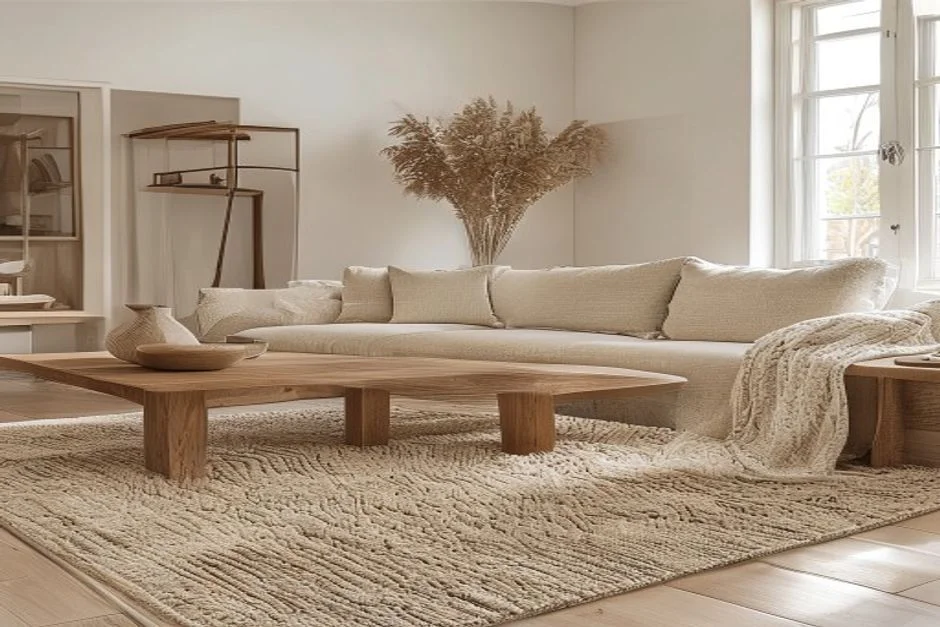
While the furniture is Japanese in scale, the comfort is Scandinavian. Use a large, high-quality wool or jute rug in a neutral tone to anchor your seating area. A rug adds that essential layer of warmth underfoot, softening the minimalist lines of the wooden furniture and making the room feel “cozy” rather than “cold.”
7. Large-Scale Paper Lantern Lighting
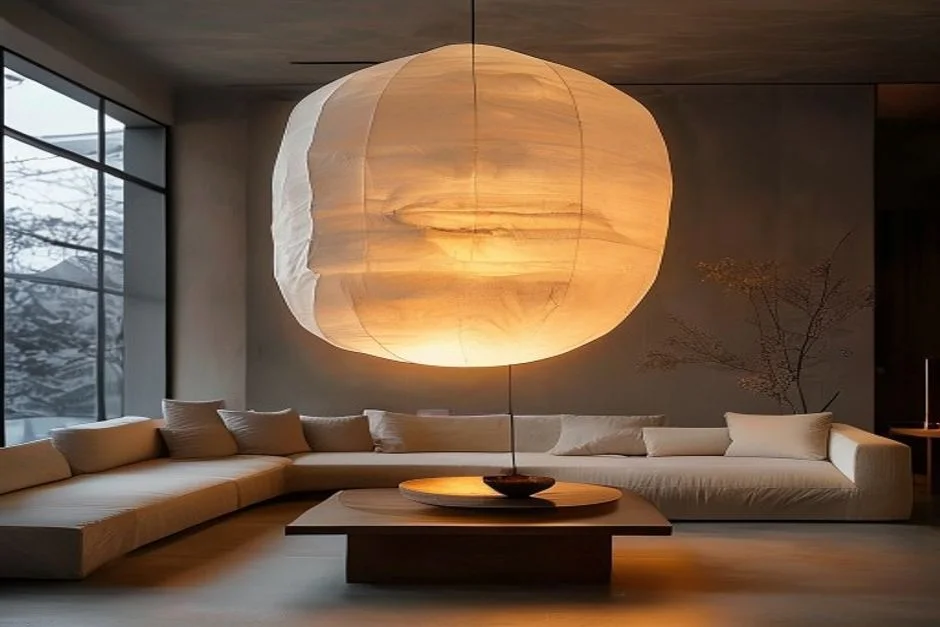
Akari-style paper lanterns are the iconic lighting choice for Japandi homes. An oversized, sculptural paper pendant light hanging over the coffee table acts as a piece of “Weightless Art.” It diffuses the light into a soft, romantic glow, eliminating the harsh shadows that can ruin a minimalist aesthetic.
8. Master the Art of “Ma” (Negative Space)
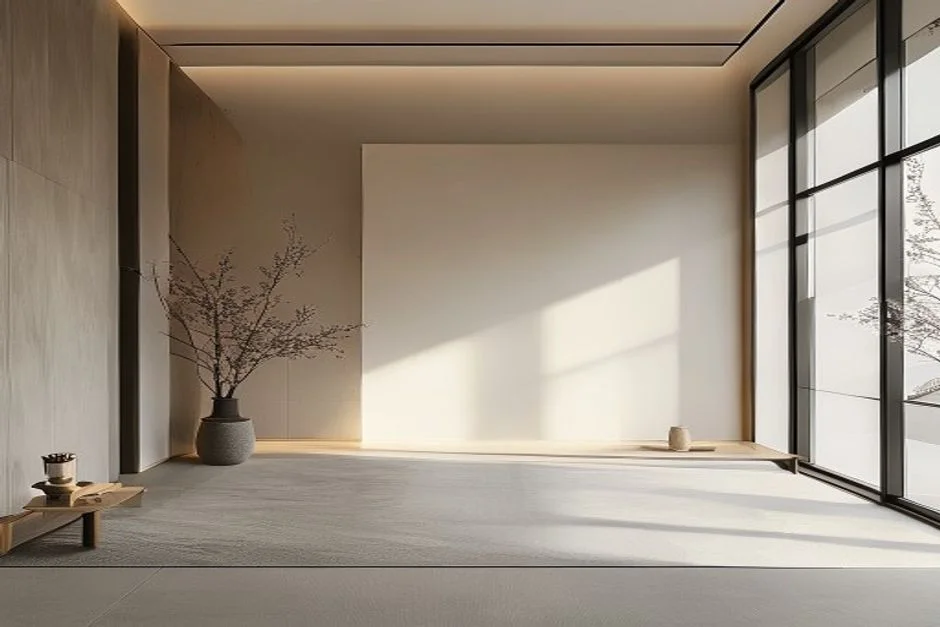
In Japanese design, the space you leave empty is just as important as the furniture you put in. Professional Japandi layouts embrace “Negative Space” (Ma). Resist the urge to fill every corner. Leaving a wall blank or a corner empty allows the room to “breathe” and makes the items you do have look even more important.
9. Use Bamboo and Cane Accents
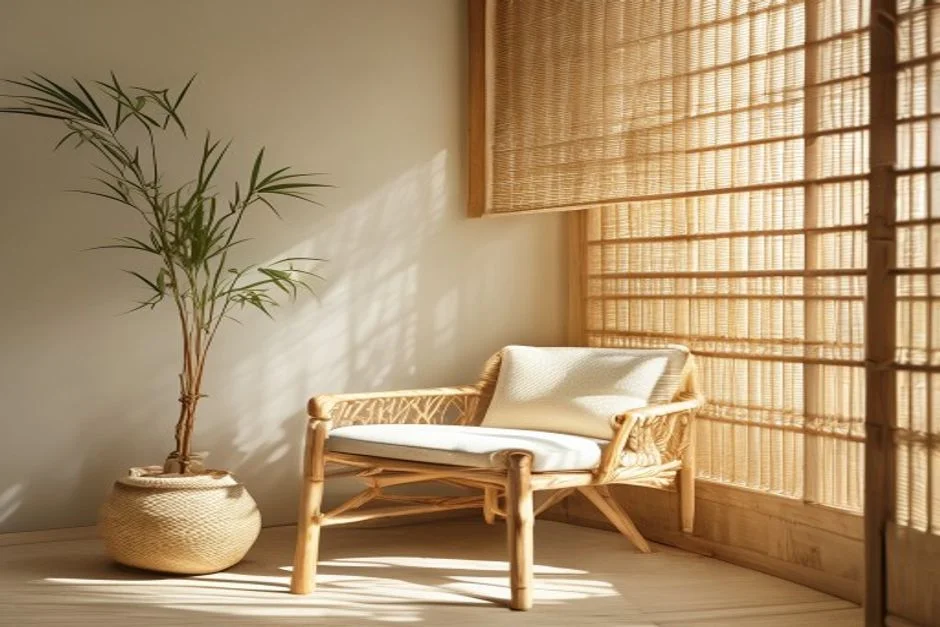
Bamboo and cane introduce a secondary layer of natural texture that is lighter than wood. Whether it’s in a window blind, a small side chair, or a decorative tray, these materials add a “Breezy” and tropical-minimalist vibe that feels fresh and perfectly aligned with 2026’s focus on sustainable materials.
10. Minimalist, Nature-Led Wall Art
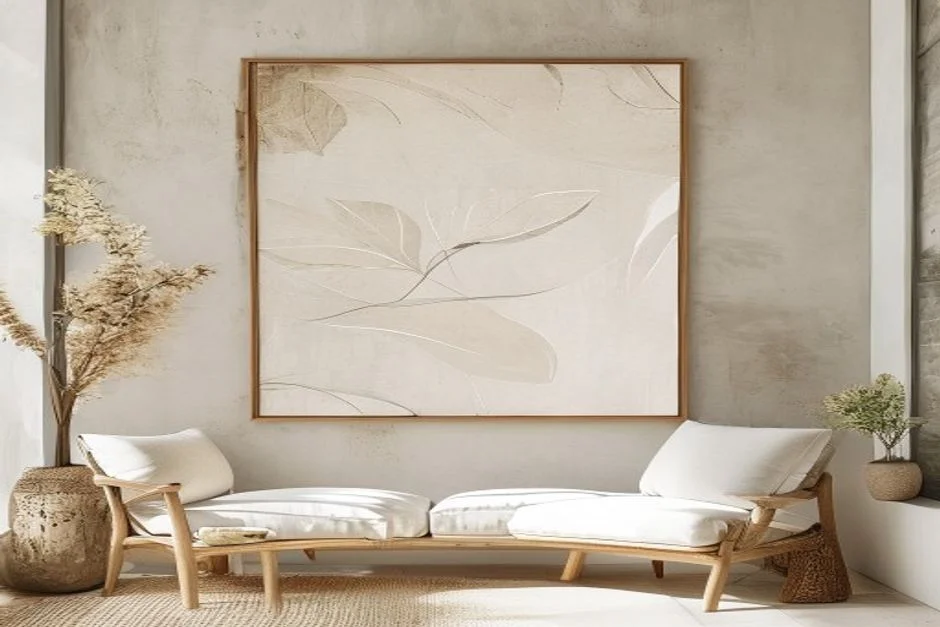
Avoid busy gallery walls. In a Japandi living room, one single, large-scale piece of abstract art or a series of three simple botanical sketches is enough. The art should have plenty of “white space” and use a muted color palette to maintain the room’s overall sense of tranquility.
11. The “Zen” Indoor Bonsai or Branch
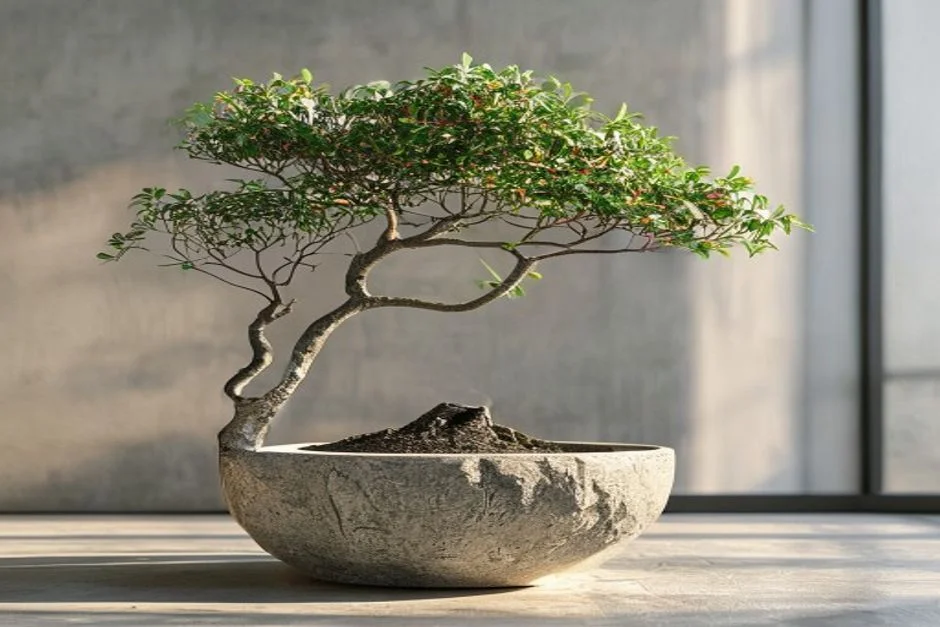
Instead of a bushy, colorful flower arrangement, choose a single statement plant. A beautifully pruned Bonsai tree or a tall, architectural dried branch (like Eucalyptus or Magnolia) adds a layer of “Quiet Life” to the room. It’s about quality over quantity—one perfect plant is better than ten average ones.
12. Black Accents for Sophisticated Contrast
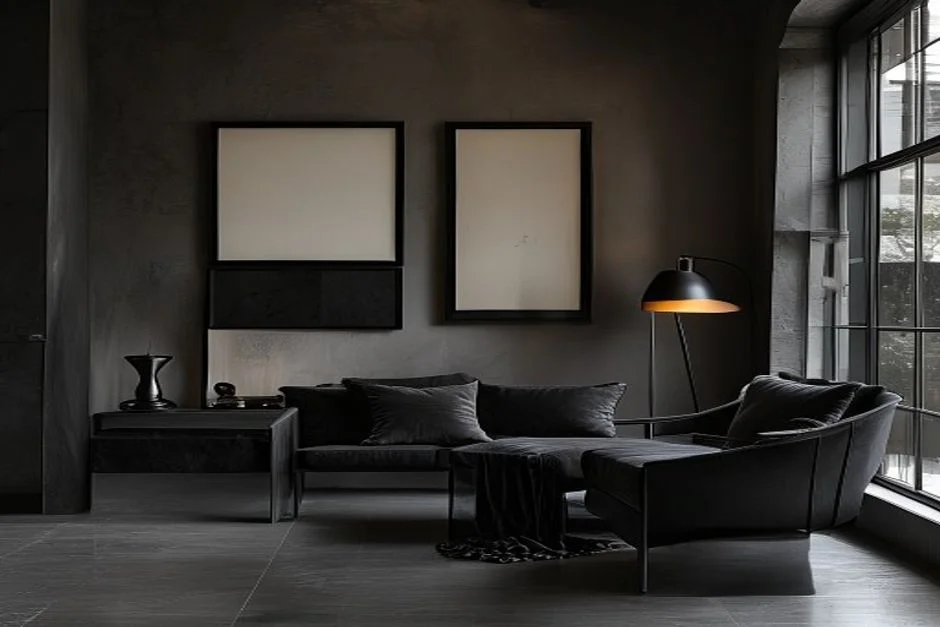
To prevent a neutral room from looking “washed out,” Japandi designers use small pops of black or charcoal. A black metallic floor lamp, black picture frames, or a black-legged coffee table provide a sharp, modern contrast that “frames” the room and gives it a professional, high-end edge.
13. Functional Built-in Storage (Invisible Design)
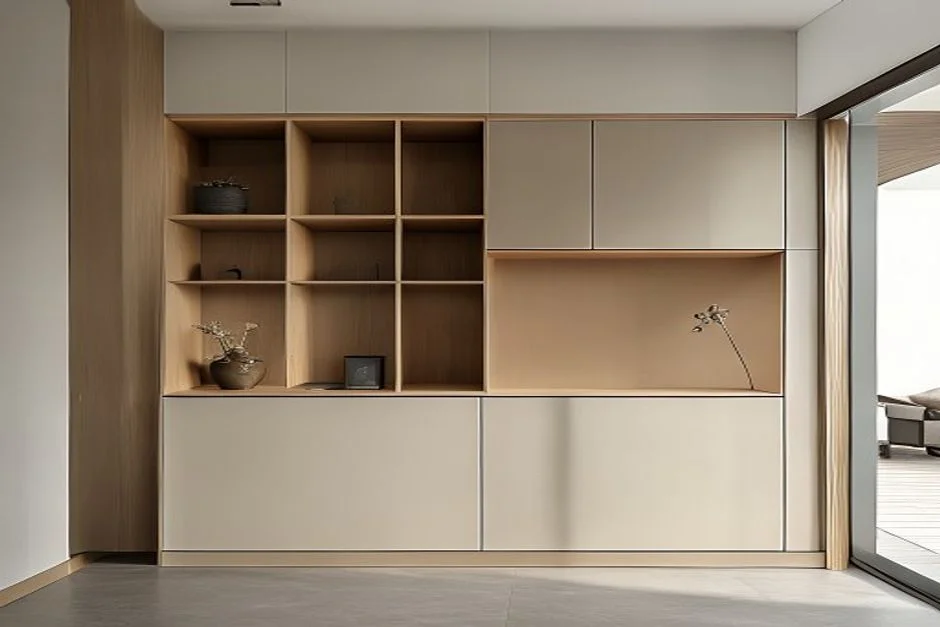
Clutter is the enemy of Zen. Japandi homes utilize custom built-in cabinets that are painted to match the wall color. These “Invisible” storage solutions hide your daily essentials behind push-to-open panels, ensuring your living room remains a pristine sanctuary. For more on invisible design, explore our core design philosophy.
14. Tactile Linen Window Treatments
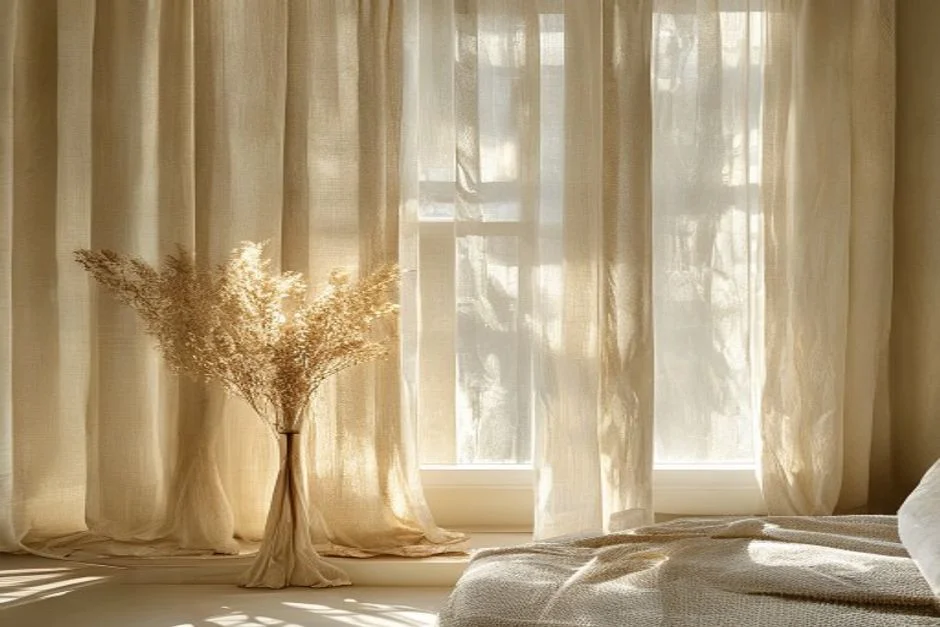
Ditch the heavy drapes. Use light-filtering linen curtains or Roman shades in a natural flax color. Linen has a beautiful, organic texture that catches the light and adds a layer of “Soft Architecture” to your windows, providing privacy without making the room feel heavy.
15. The Low-Slung Stone Coffee Table
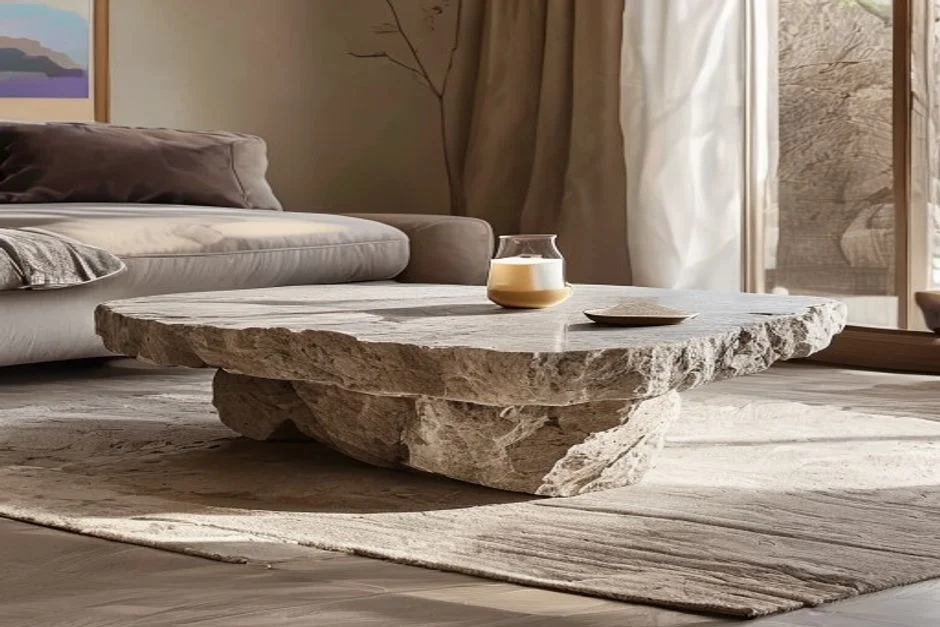
A heavy, low-slung coffee table made of travertine, limestone, or slate grounds the room. The cold, hard surface of the stone provides a beautiful contrast to a soft wool rug and a fabric sofa. It represents the “Earth” element in your Zen-inspired living space.
16. Integrated Floor Seating (Zabuton Cushions)
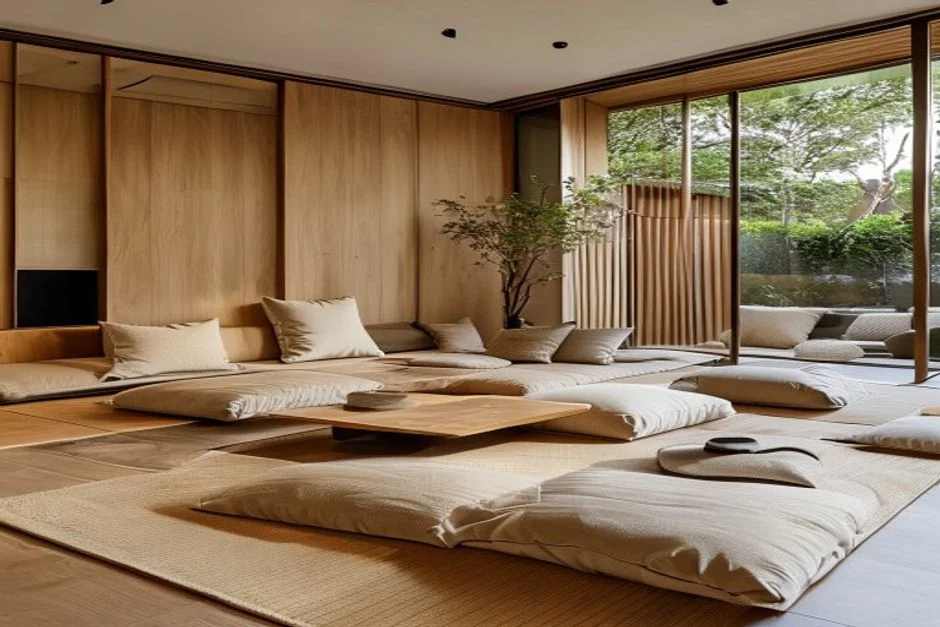
If you have guests over, instead of bulky chairs, use “Zabuton” (Japanese floor cushions). High-quality linen or leather cushions can be tucked under the coffee table when not in use. This adds a layer of “Flexible Living” and reinforces the ground-led philosophy of Japandi design.
17. Symmetrical Layouts for Mental Order
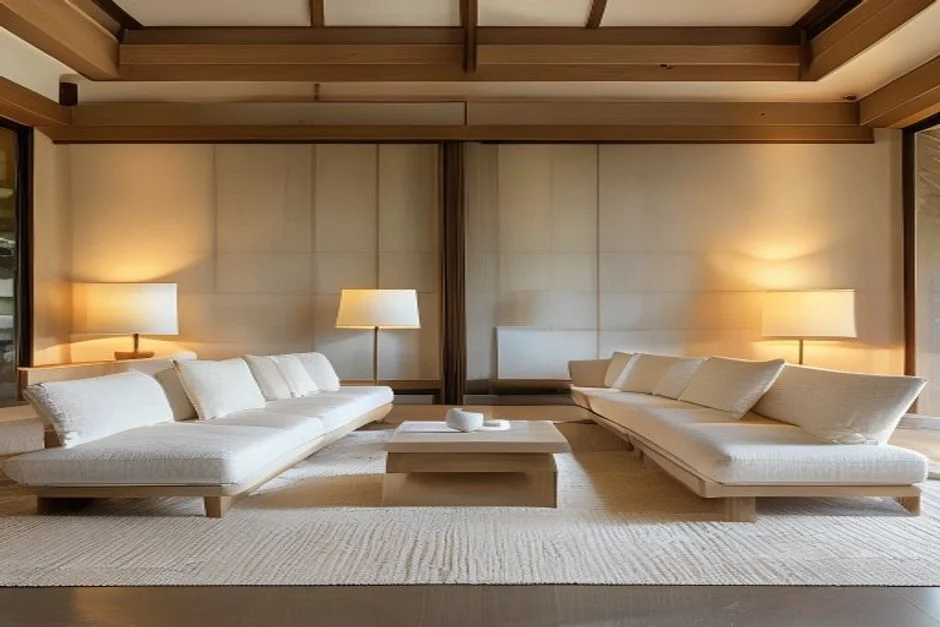
Symmetry is naturally calming. Arrange your sofas and chairs in a balanced, symmetrical layout to create a sense of “Mental Order.” When the room looks organized, your brain feels organized. It’s a simple psychological trick that makes a minimalist room feel expertly curated and expensive.
18. Use “Organic” Shapes in Furniture
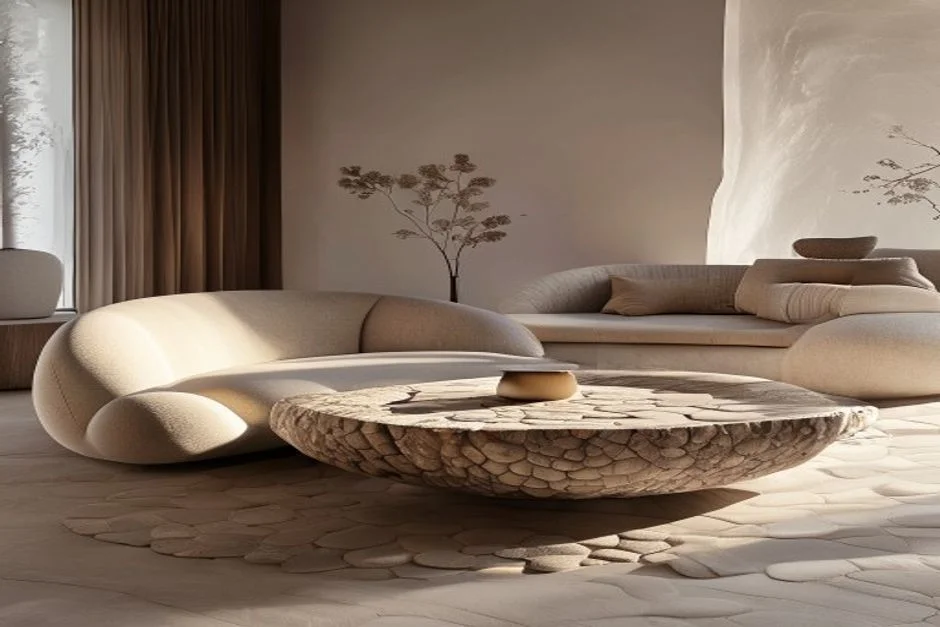
While the lines are clean, avoid sharp, aggressive corners. Choose furniture with soft, rounded edges—like a “Pebble-shaped” coffee table or a sofa with curved arms. These organic shapes echo the natural world and make the room feel more welcoming and less rigid.
19. Incorporate “Slat” Room Dividers
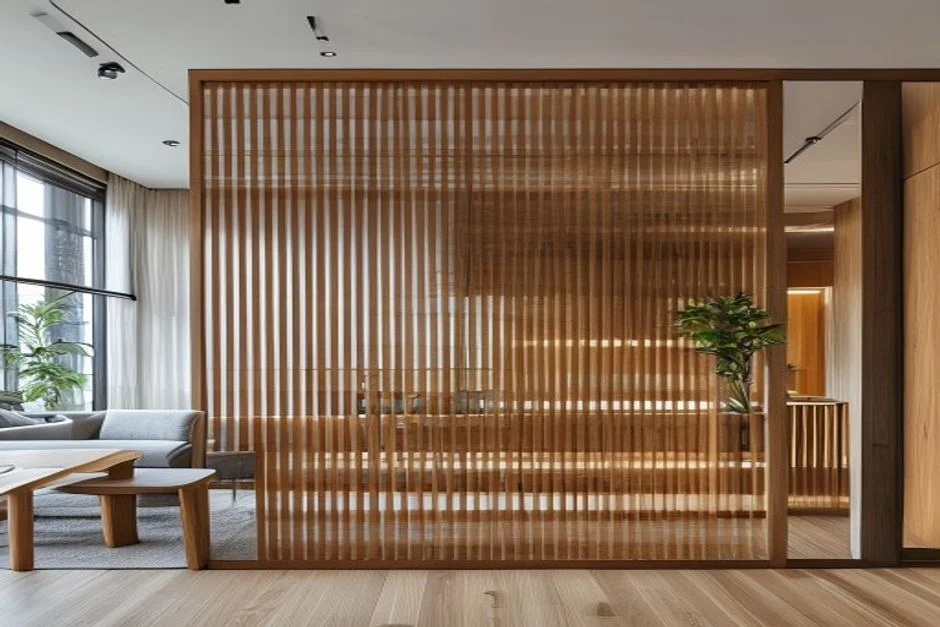
In open-concept apartments, use vertical wood slat screens to divide the living and dining zones. These “Transparent Walls” provide a sense of separation while allowing light and air to flow through the entire space. It’s a sophisticated architectural move that maintains a “Breezy” feeling.
20. The “Hygge” Sheepskin Layer

To add that Scandinavian touch of warmth, drape a single faux-sheepskin or a long-pile wool throw over an armchair. This “Tactile Pop” adds instant comfort and makes the minimalist environment feel “lived-in” and approachable, preventing it from feeling like a sterile museum.
21. Matte Black Hardware Rhythm
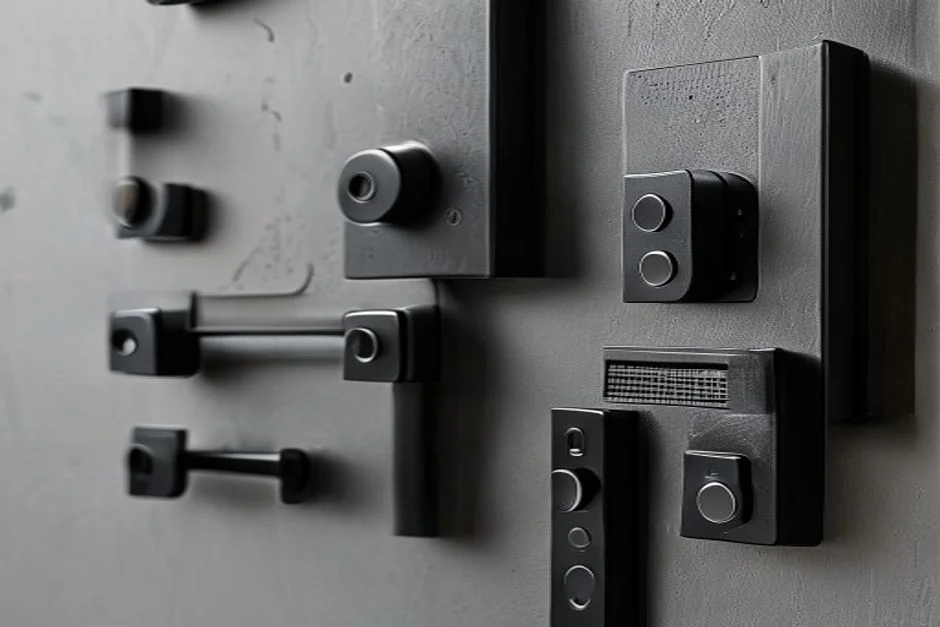
Consistency is key. Use matte black for all your “Metallic Rhythm”—from door handles to light switches and lamp bases. This dark, non-reflective finish is a staple of Modern Japandi and adds a layer of “Industrial-Zen” that looks incredibly trendy in 2026.
22. Plaster and Limewash Wall Textures
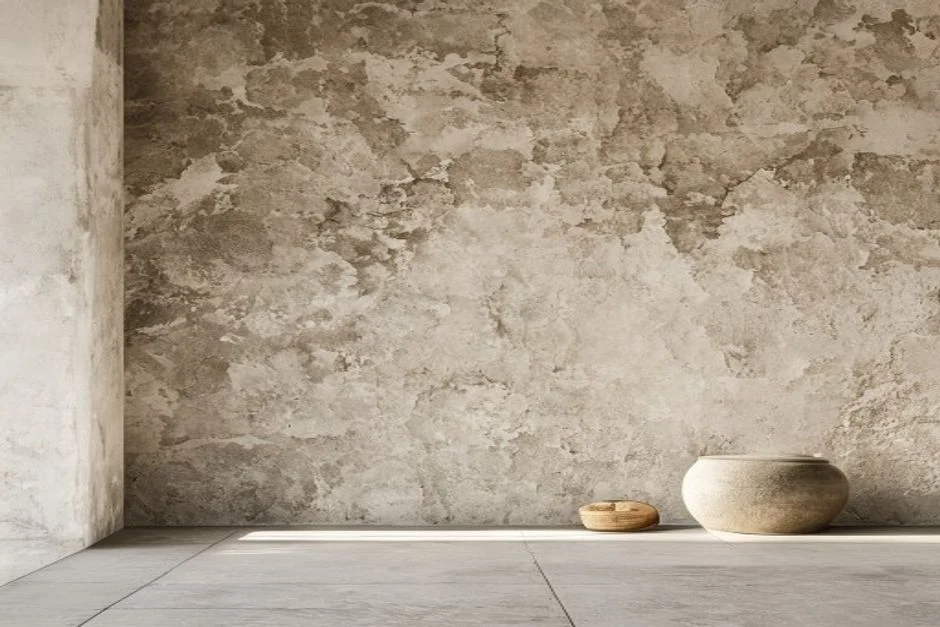
Move away from flat paint. A subtle limewash or Venetian plaster finish adds a “Stone-like” texture to your walls. It creates a soft gradient of light and shadow, making the walls feel old and solid, like a Japanese mountain temple or a Scandi coastal cottage.
23. The “Zen” Scent Profile
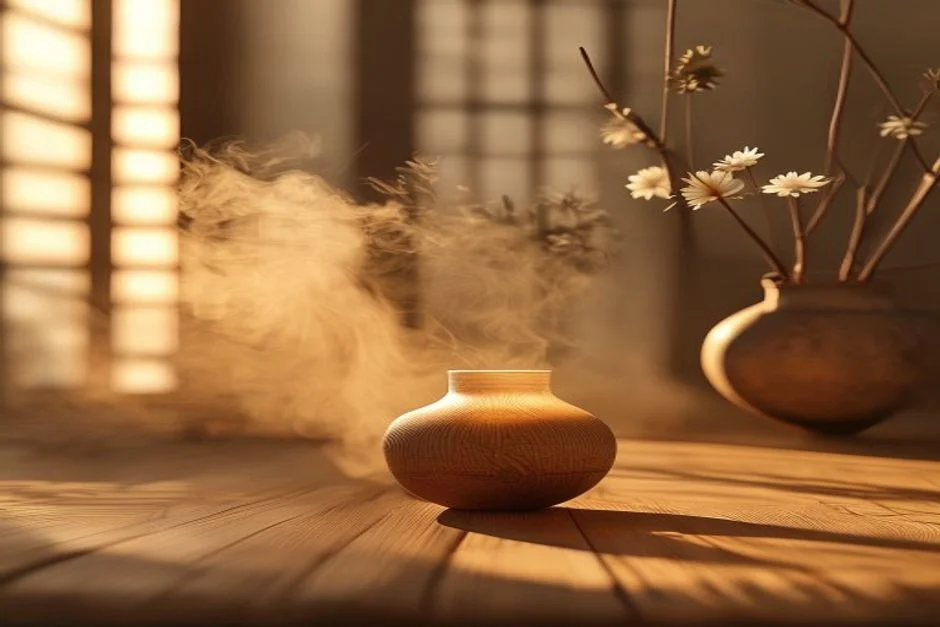
Complete the sensory journey with a makhsoos scent. Use a wood-based incense or a diffuser with notes of Hinoki wood, Sandalwood, or White Tea. When your room smells like a Zen garden, the “Bloom” of peace is complete.
24. Indoor-Outdoor Seamless Flow
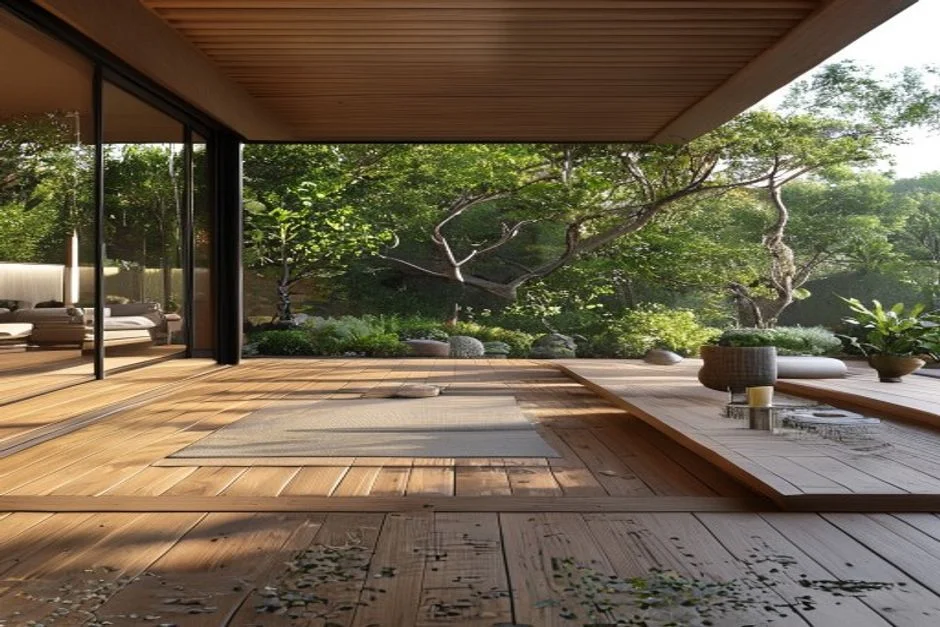
If possible, use the same flooring for your living room and your balcony or patio. This “Visual Continuity” erases the boundary between inside and outside, making your living room feel like part of a larger, natural landscape.
25. Minimalist Shelving (The 50/50 Rule)
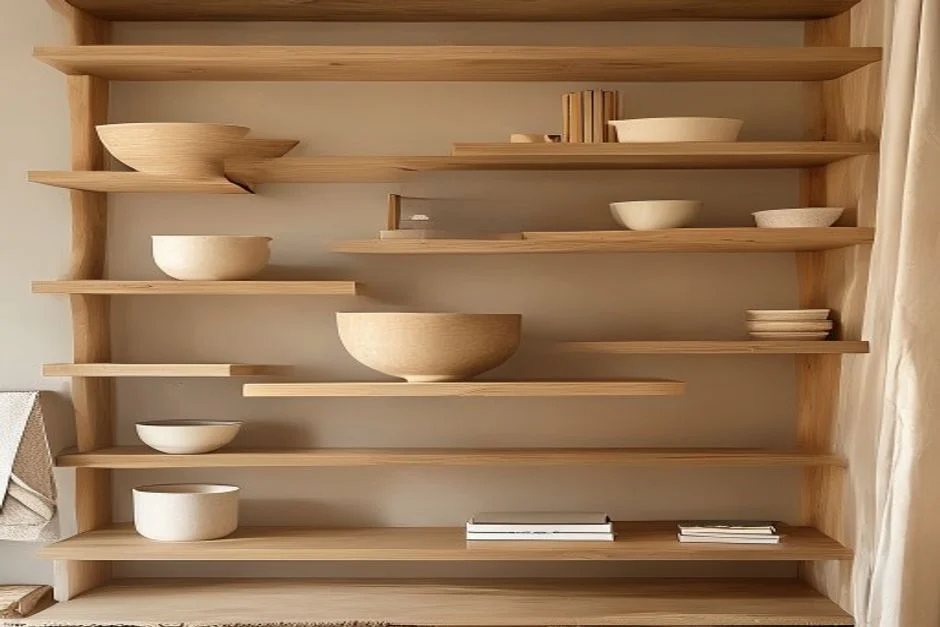
On open shelves, follow the 50/50 rule: 50% of the shelf should remain empty. Use the other 50% for high-quality items—one book, one ceramic bowl, one small plant. This “Breathing Room” is the secret to a professional, clutter-free Japandi look.
26. Use “Paper” and “Woven” Textures
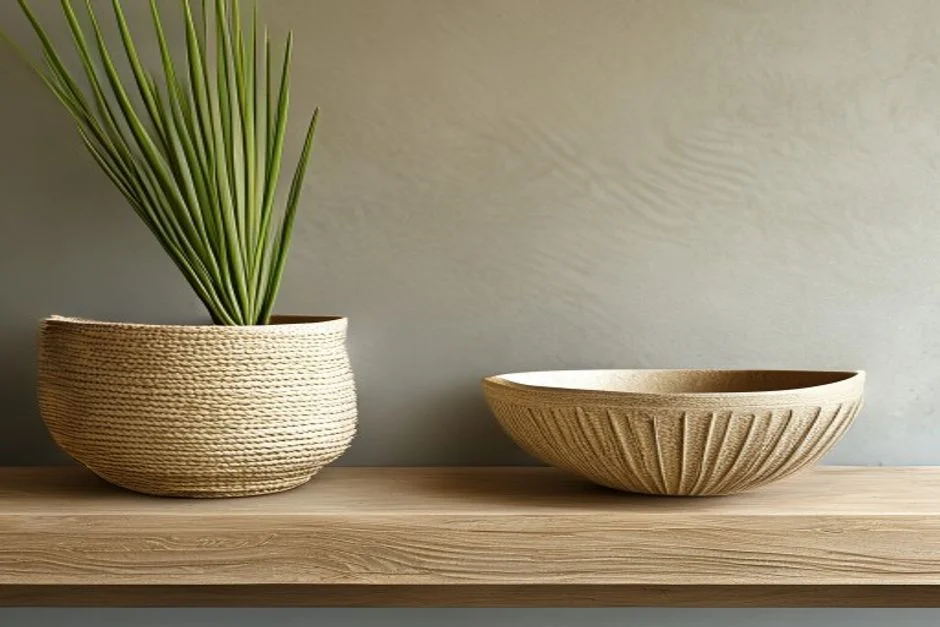
Beyond lighting, use paper and woven textures in your decor. A woven seagrass basket or a paper-pulp bowl adds a layer of “Sustainable Art” that is both beautiful and eco-friendly. It’s about celebrating materials that are close to the earth.
27. The Allure of “Dark” Japandi
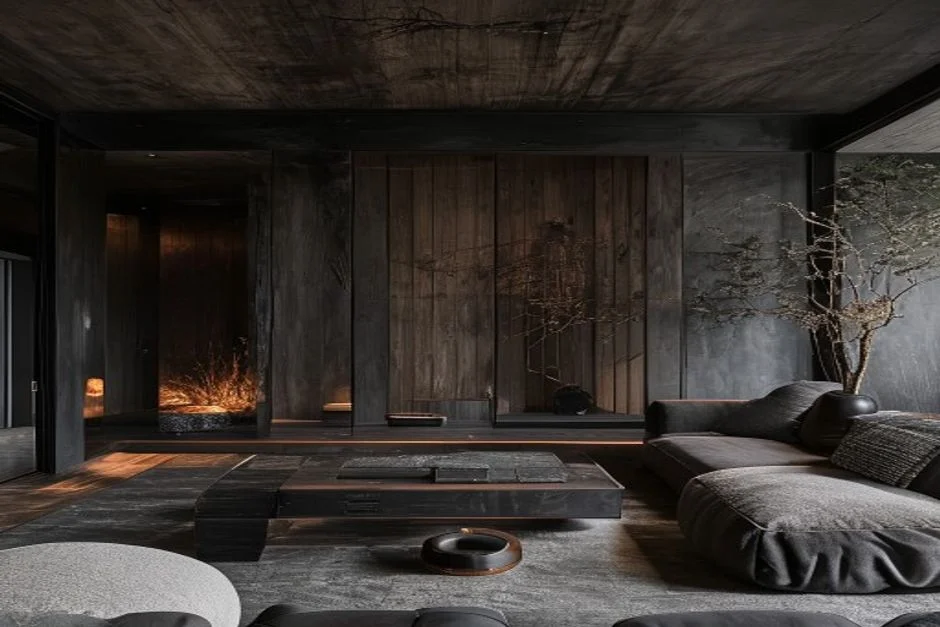
While most Japandi rooms are light, a “Dark Japandi” look is trending for 2026. Use charred wood (Shou Sugi Ban) or dark walnut paired with charcoal grey walls. This creates a moody, “Cocoon-like” sanctuary that feels incredibly luxurious and private.
28. “Float” Your Furniture
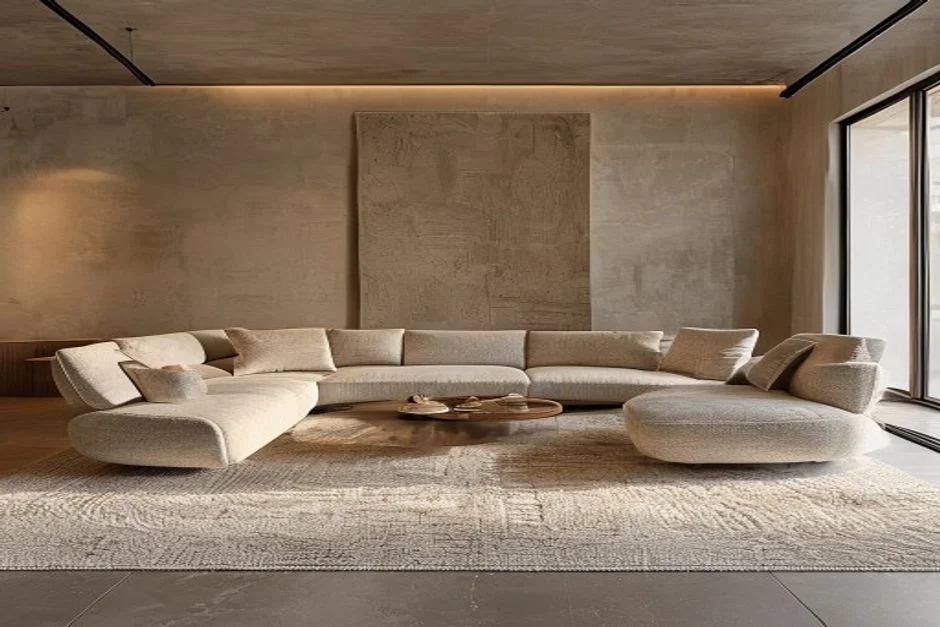
Instead of pushing everything against the walls, “float” your sofa and armchairs in the center of the rug. This creates a more intimate conversation area and shows that you have “Space to Spare,” which is a hallmark of high-end design.
29. Incorporate “Antique” Japanese Elements
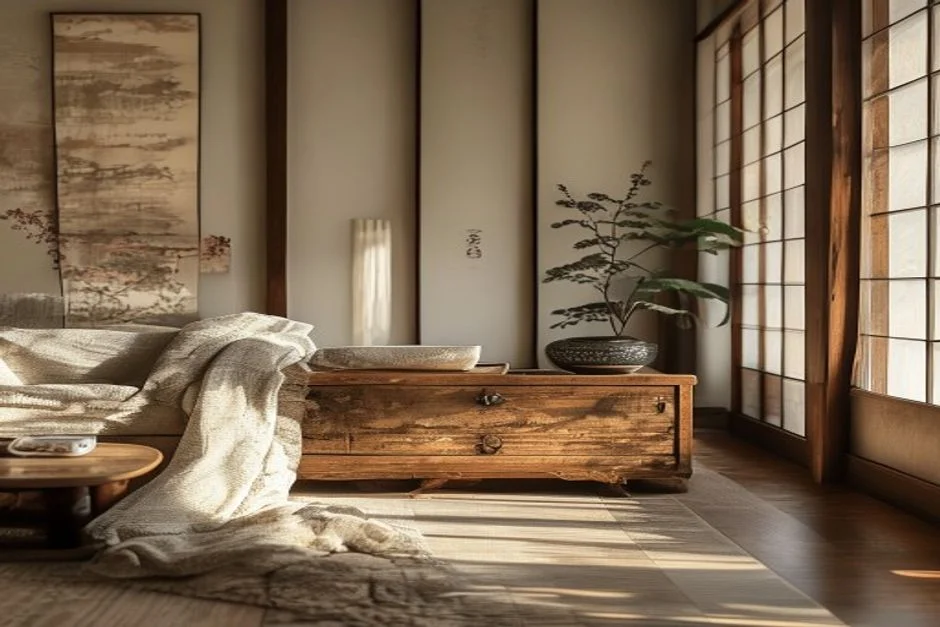
Add one authentic Japanese antique—like a “Tansu” chest or a vintage silk “Obi” draped over a ladder. This single piece of history adds an “Authentic Soul” to the room, preventing it from looking like a modern copy and making it truly unique.
30. The “Blooming” Zen Evolution
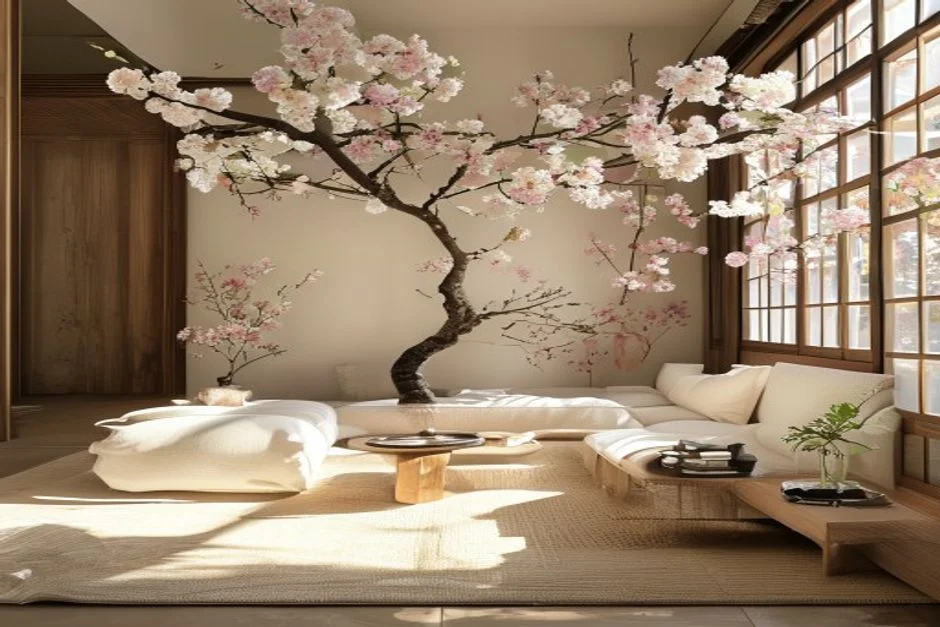
Finally, remember that Japandi is a lifestyle of “Evolution.” A Trendy Home Bloom is one that changes with the seasons. Swap your textures, refresh your branches, and always keep your space evolving toward a state of perfect peace.