
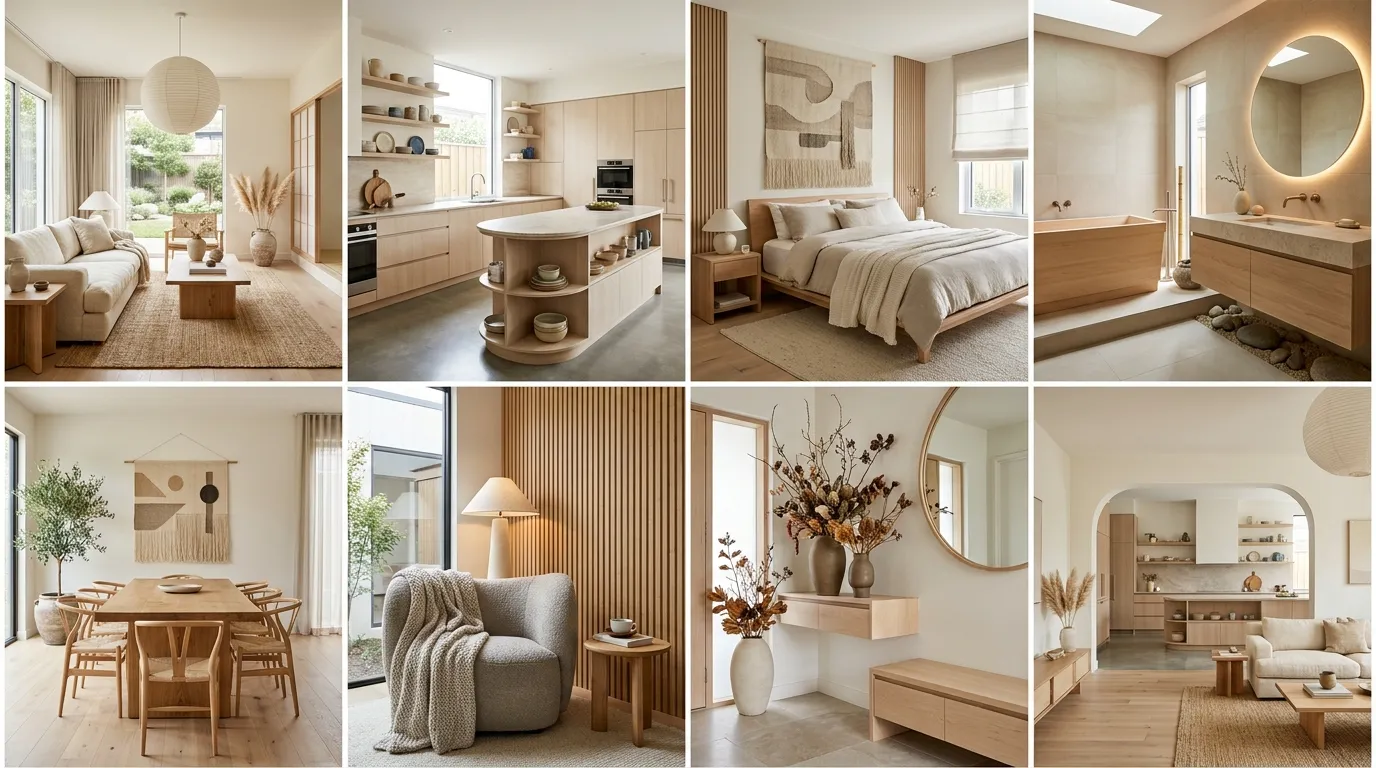
In the modern landscape of interior architecture, the intersection of Japanese minimalism and Scandinavian warmth has birthed a profound design philosophy: Japandi. It is not a superficial trend, but a calculated approach to Spatial Intelligence that focuses on creating a home that acts as a true Sensory Reset. By marrying the rustic, imperfect soul of Japanese Wabi-Sabi with the cozy, functional comfort of Scandinavian Hygge, Japandi design strip-mines “Visual Noise” to reveal a tranquil habitat. At Trendy Home Bloom, we view this style as the ultimate vehicle for achieving a Pristine Canvas where mind and architecture live in Radial Balance. Curating the 25 Best Japandi Interior Design Ideas requires a deep understanding of Material Tension, texture manipulation, and light optimization. When an interior is professionally managed under this lens, it ceases to be a collection of rooms and transforms into an Enveloped Sanctuary that hums with a quiet, timeless luxury.
1. Low-Slung “Grounded” Furniture Architecture
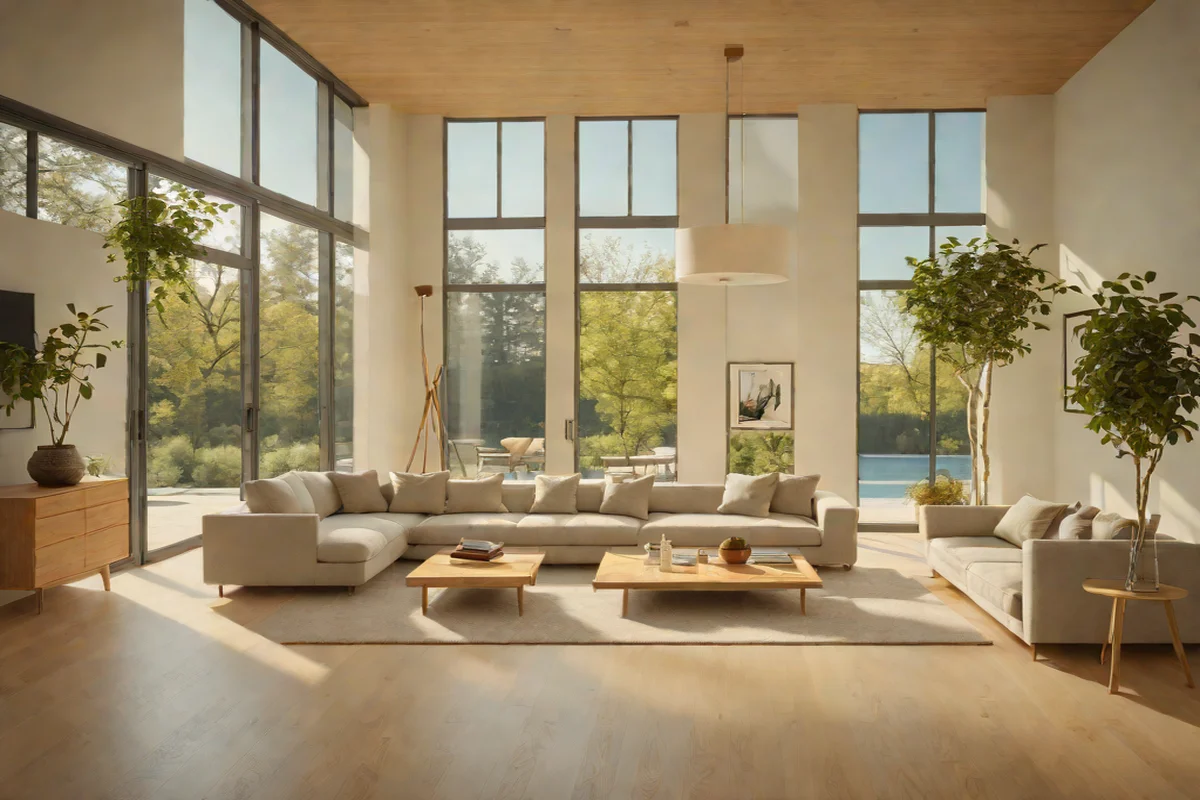
Japandi design relies heavily on altering the visual orientation of a room by lowering the height of the furniture. Incorporating low-profile sofas, floor cushions, and platform coffee tables shifts the center of gravity closer to the earth, creating an immediate psychological sense of grounding. This architectural choice reveals the wall surfaces all the way to the ceiling, expanding the Visual Air and making a standard Living Room Sanctuary feel significantly more expansive and Breezy. By minimizing the vertical presence of furniture, you establish a clear, uninterrupted perspective across the entire floor plan.
2. The Textural Dialogue of Raw Oak and Walnut
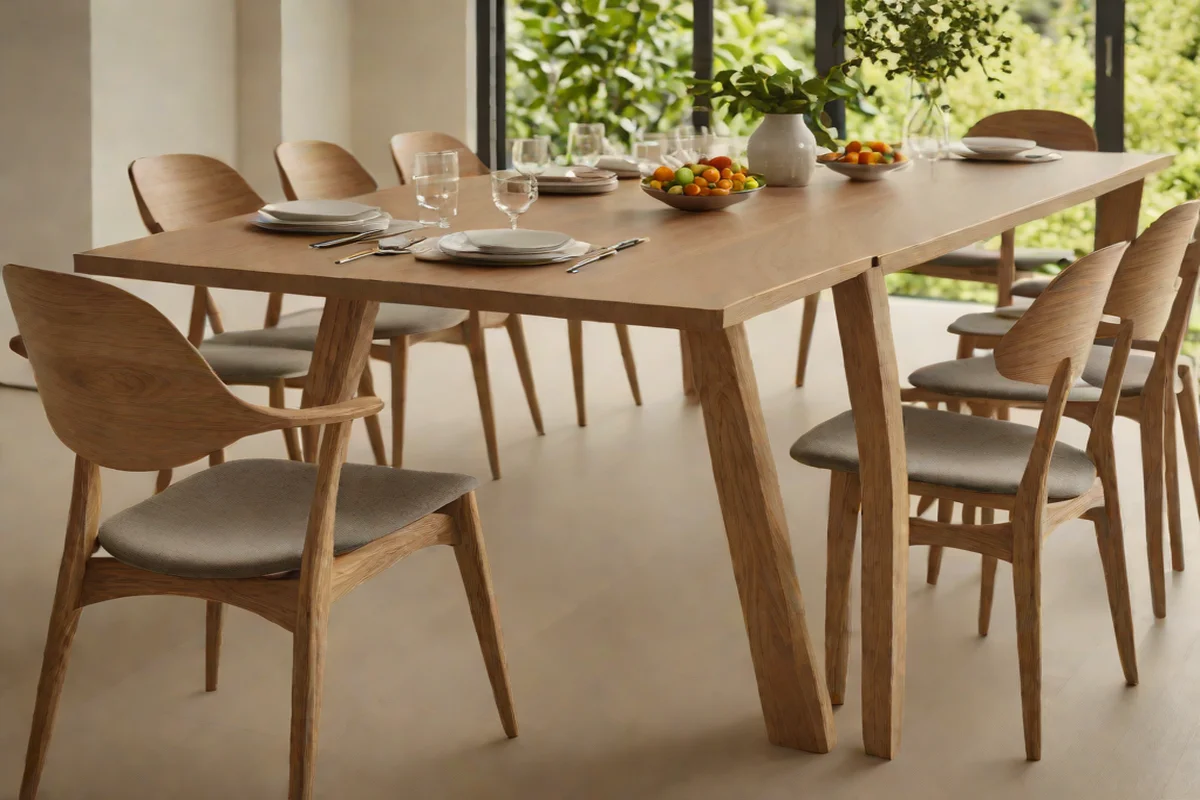
The material foundation of Japandi is a delicate balance between light and dark wood tones. Scandinavian style favors pale timbers like white oak, ash, and beech, while Japanese architecture introduces deep, rich tones of walnut or charred cedar. Integrating these contrasting wood elements within the same space creates a sophisticated Material Tension that keeps the room from looking clinical or sterile. The organic grains and natural imperfections of the wood infuse the environment with Organic Heat, making the sanctuary look like an evolved, artisanal masterpiece.
3. Earth-Tone “Color Drenching” for Optical Calm
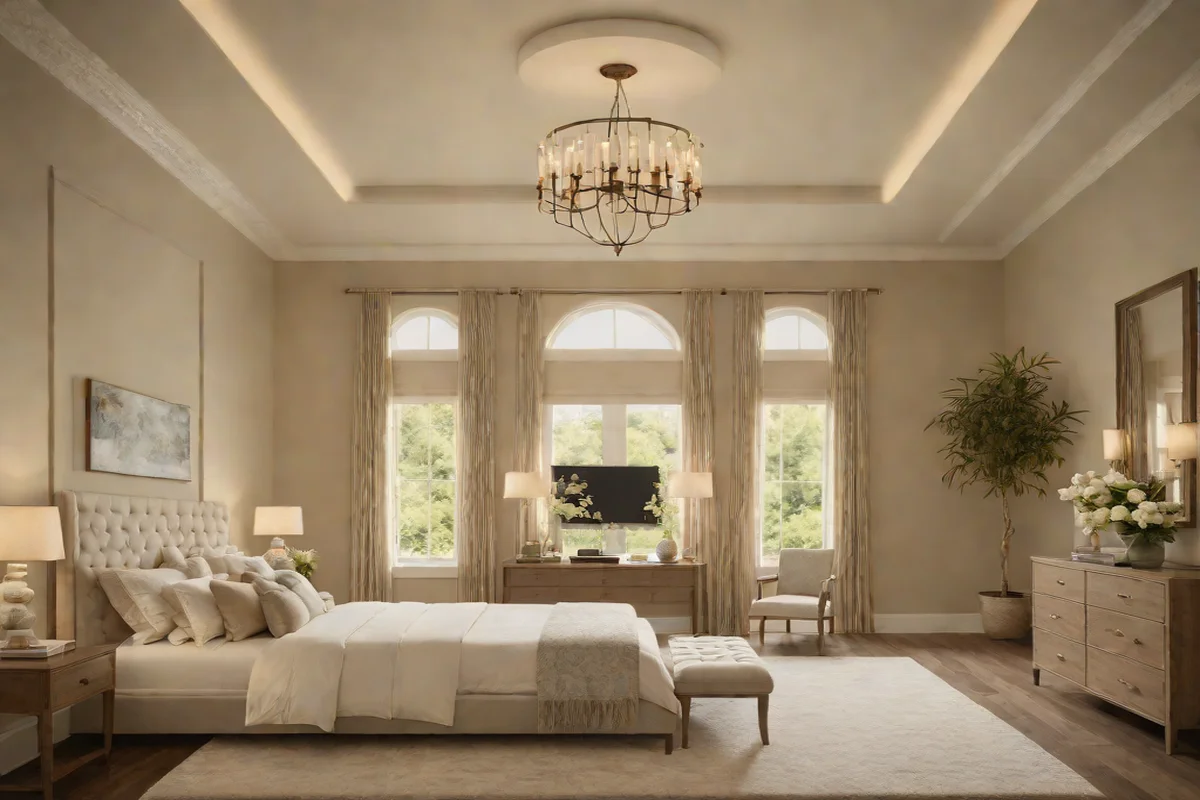
To achieve true zen, the color palette must mimic the quiet, muted tones of the natural world. Instead of stark, hospital-grade whites, Japandi design employs a technique of wrapping entire rooms in soft neutrals like stone grey, sand, oatmeal, and muted terracotta. This monochromatic approach eliminates harsh visual boundaries between walls, trim, and ceilings, presenting a Seamless Horizon to the eye. This absence of contrast calms the optic nerve, laying the perfect foundation for deep cognitive recovery and uninterrupted focus.
4. Shoji-Inspired Fluted Glass Partitions
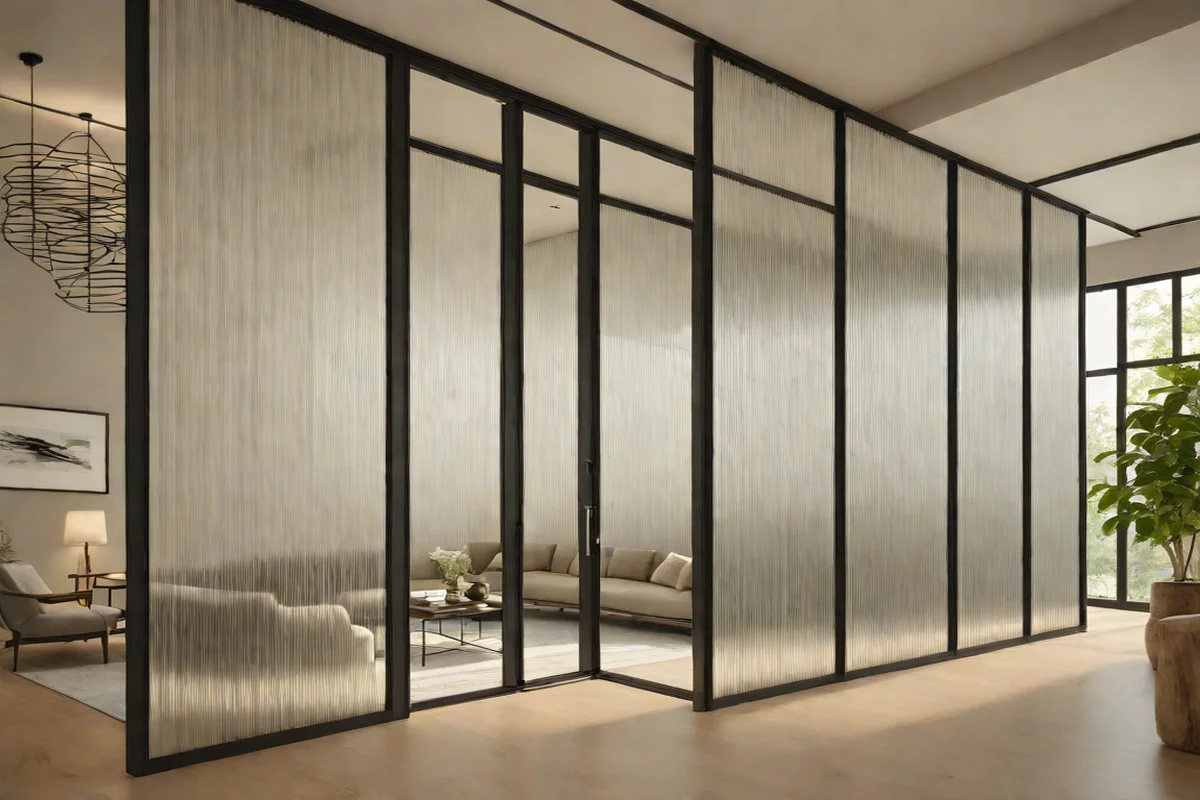
Traditional Japanese Shoji screens are reinvented in modern Japandi interiors through the use of slim black metal and fluted glass partitions. These structures provide essential spatial separation without blocking the natural light flow, maintaining an Optical Transparency throughout the house. This architectural element acts as a visual portal, allowing light to diffuse softly into dark corners while preserving acoustic and physical privacy. It adds a layer of Linear Rhythm that defines separate zones without sacrificing the home’s open-plan layout.
5. Tactile Softness via Unrefined Organic Linen
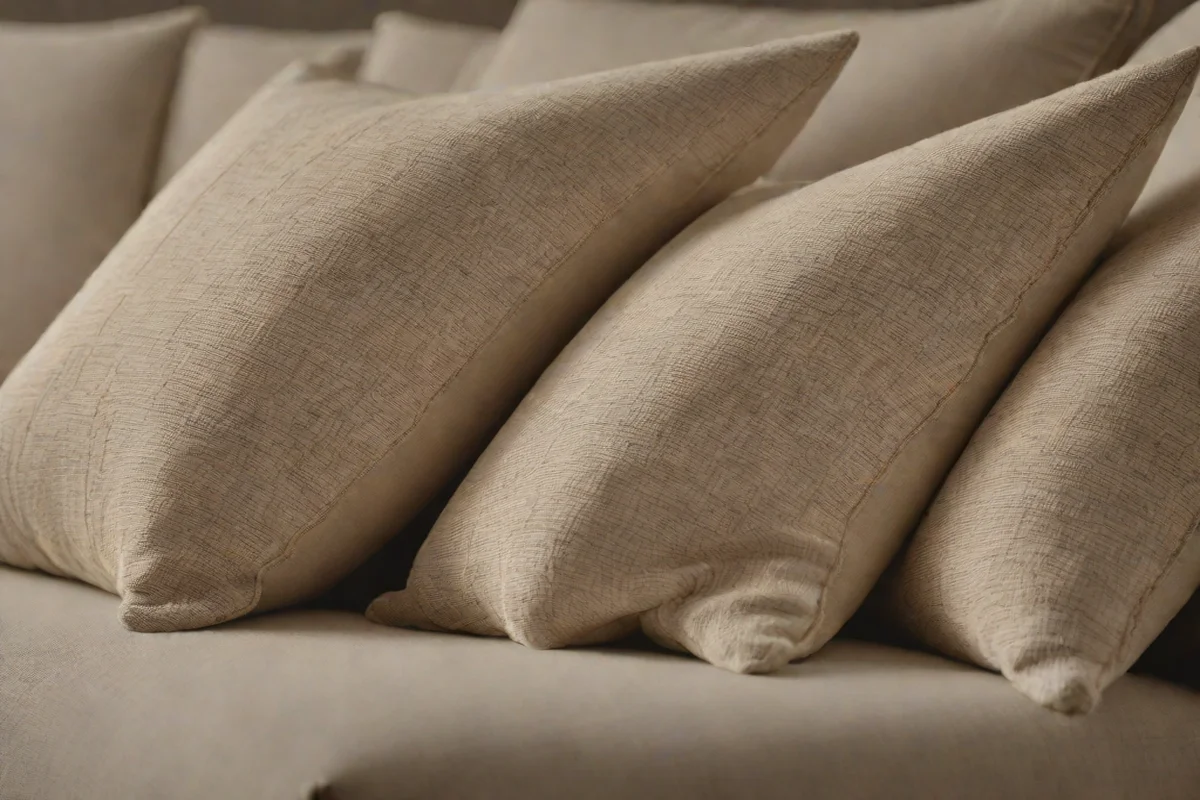
Textiles in a Japandi home must prioritize raw texture and natural comfort over synthetic perfection. Outfitting your furniture and windows with unrefined organic linen, textured bouclé, or woven wool introduces a profound layer of Tactile Softness. These fabrics absorb light beautifully rather than reflecting it, helping to dampen household echoes and provide an added layer of Acoustic Luxury. This deliberate introduction of soft textures softens the rigid geometry of minimalist architecture, turning a bedroom into a deeply comforting, Luxury Bedroom Sanctuary.
6. The Asymmetrical Rhythm of Ikebana Branches
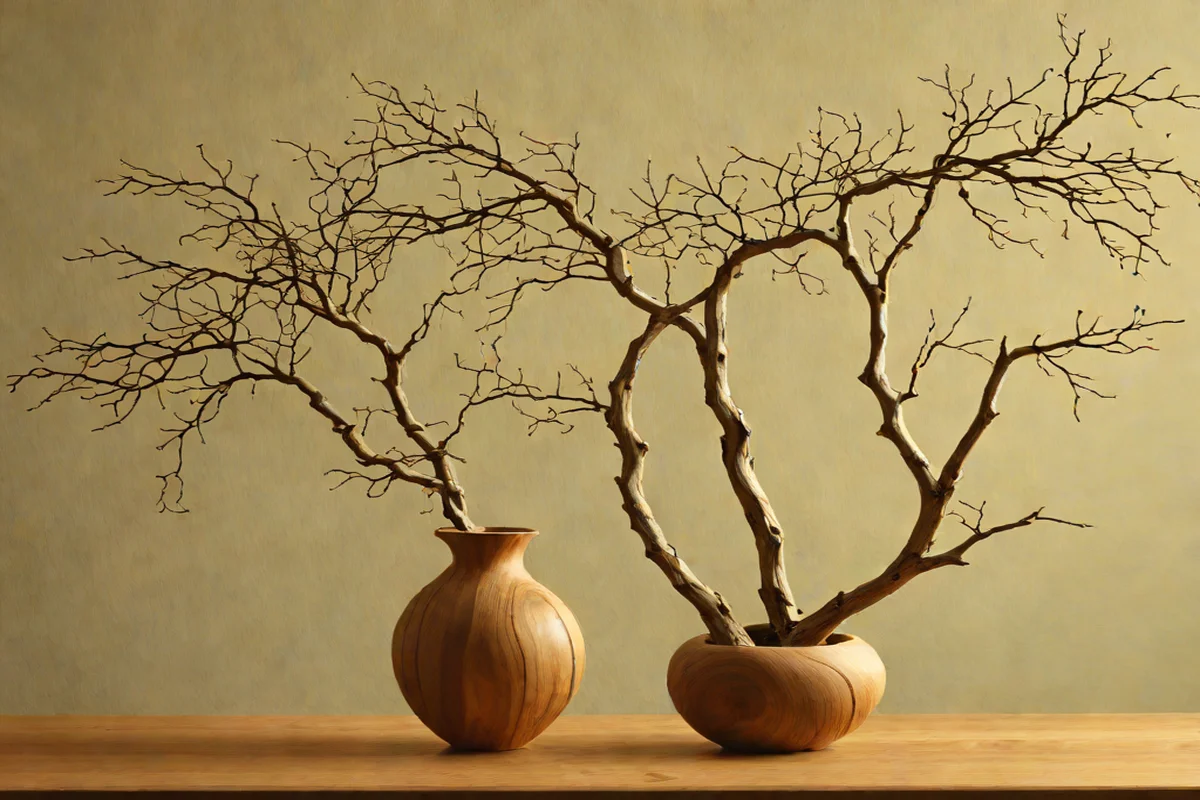
Standard, mass-produced floral arrangements are replaced in this style by the calculated minimalism of Japanese Ikebana. A single, twisted structural branch placed in a sculptural clay vase introduces an Asymmetrical Rhythm that celebrates the beauty of negative space. This botanical curation honors nature’s authentic form rather than forcing it into artificial symmetry. It serves as a striking “Hero” accent piece on a dining table or mantle, providing a subtle “Pop of Life” without cluttering the line of sight.
7. “Mascara” Black Steel Accents for Graphic Contrast
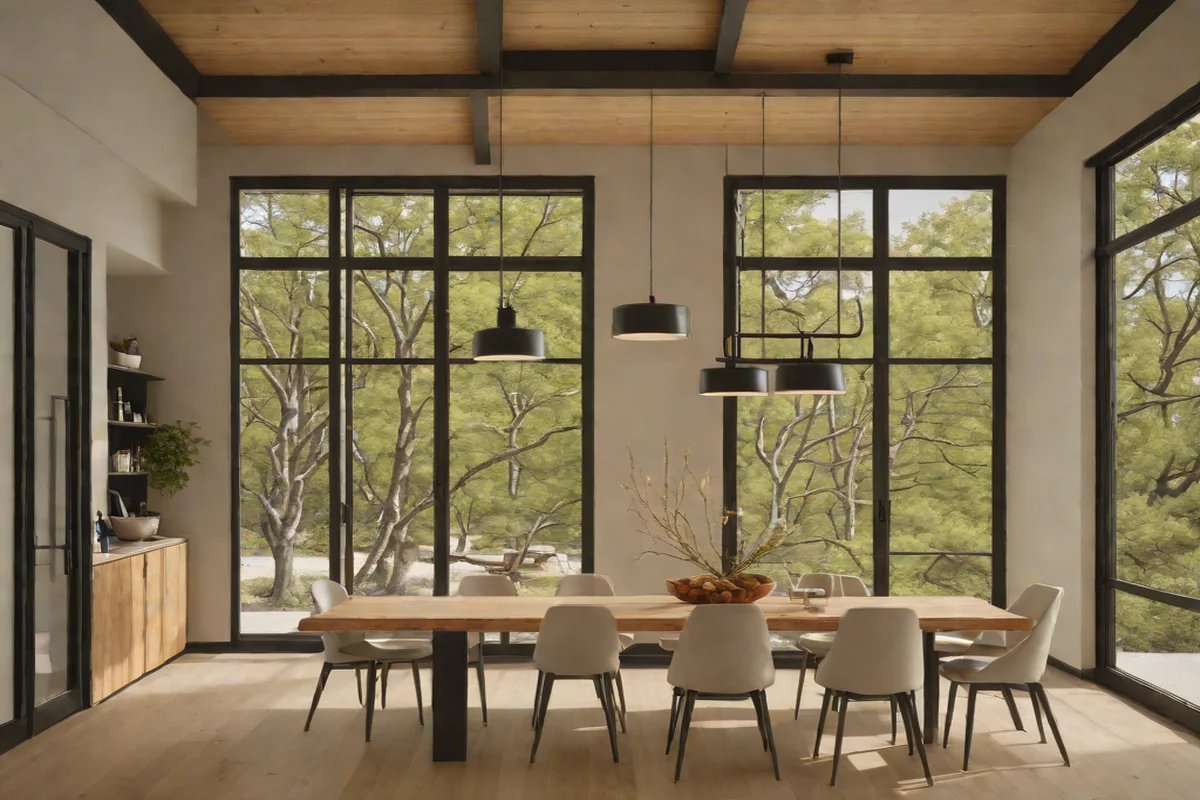
While the overarching color scheme of a Japandi interior is soft and muted, it requires subtle structural definitions to anchor the eye. Incorporating matte black steel accents—through slim window frames, light fixtures, or cabinet hardware—acts like mascara for the room, drawing sharp, graphic borders around the neutral surfaces. This introduction of Industrial Grit provides a modern counterpoint to the organic warmth of wood and textiles, giving the overall design an intellectual edge and professional sharpness.
8. Hand-Thrown Wabi-Sabi Ceramics as Visual Anchors
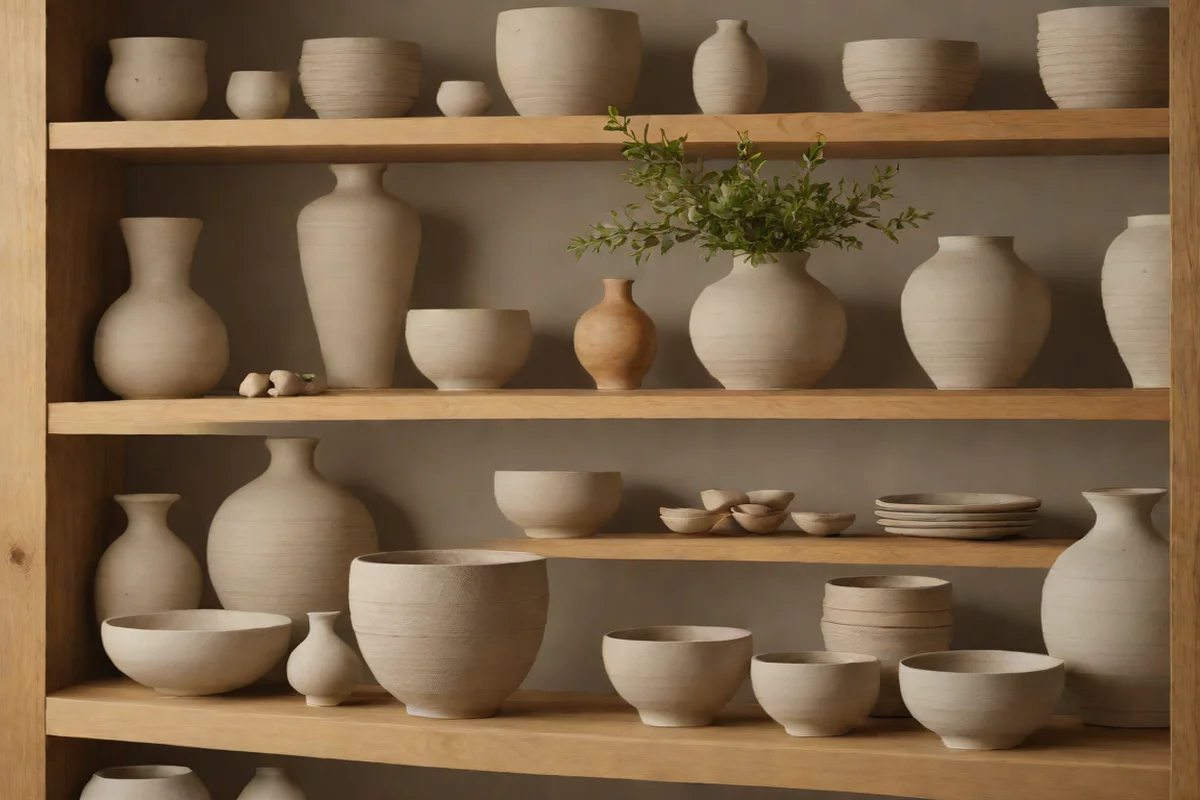
True luxury in a Zen home is signaled through the inclusion of handmade, imperfect objects. Displaying a small collection of hand-thrown stoneware bowls, asymmetrical clay platters, and unglazed ceramic vases offers a powerful connection to the artisanal soul. These objects should be given ample breathing room on open shelves to ensure proper Inventory Clarity. This curated approach fits perfectly within high-performance spaces, including Modern Kitchen Designs where utility must live in harmony with aesthetic grace.
9. Concealed Custom Cabinetry for Zero-Clutter Horizons
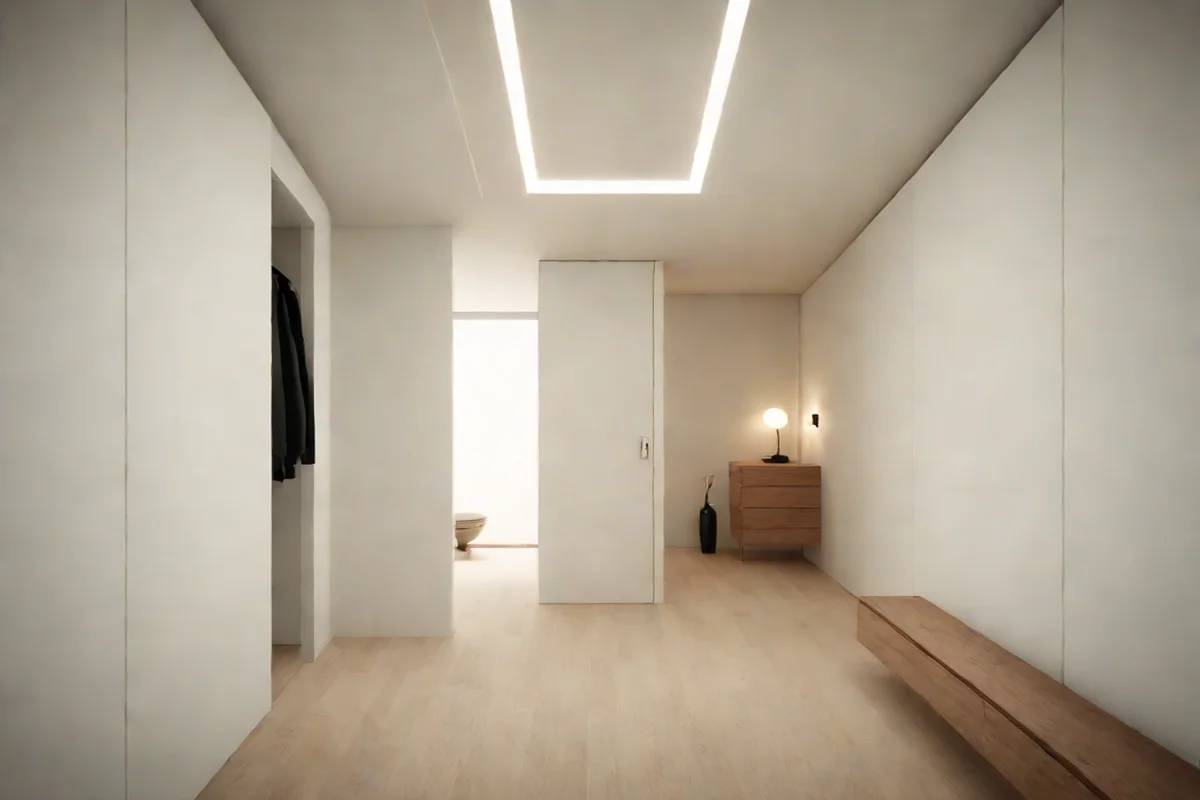
Clutter is the primary antagonist of a peaceful mind, making hidden storage an absolute non-negotiable in Japandi design. Utilizing floor-to-ceiling, handle-less custom cabinetry with integrated push-latches allows storage units to blend completely into the walls. This creates an Invisible Utility where everyday items, appliances, and cords are hidden away, leaving only a clean, flat surface exposed. Maintaining a strict Zero-Clutter Policy ensures the home remains a restorative canvas for psychological recovery.
10. Woven Bamboo Pendants for Layered Shadows
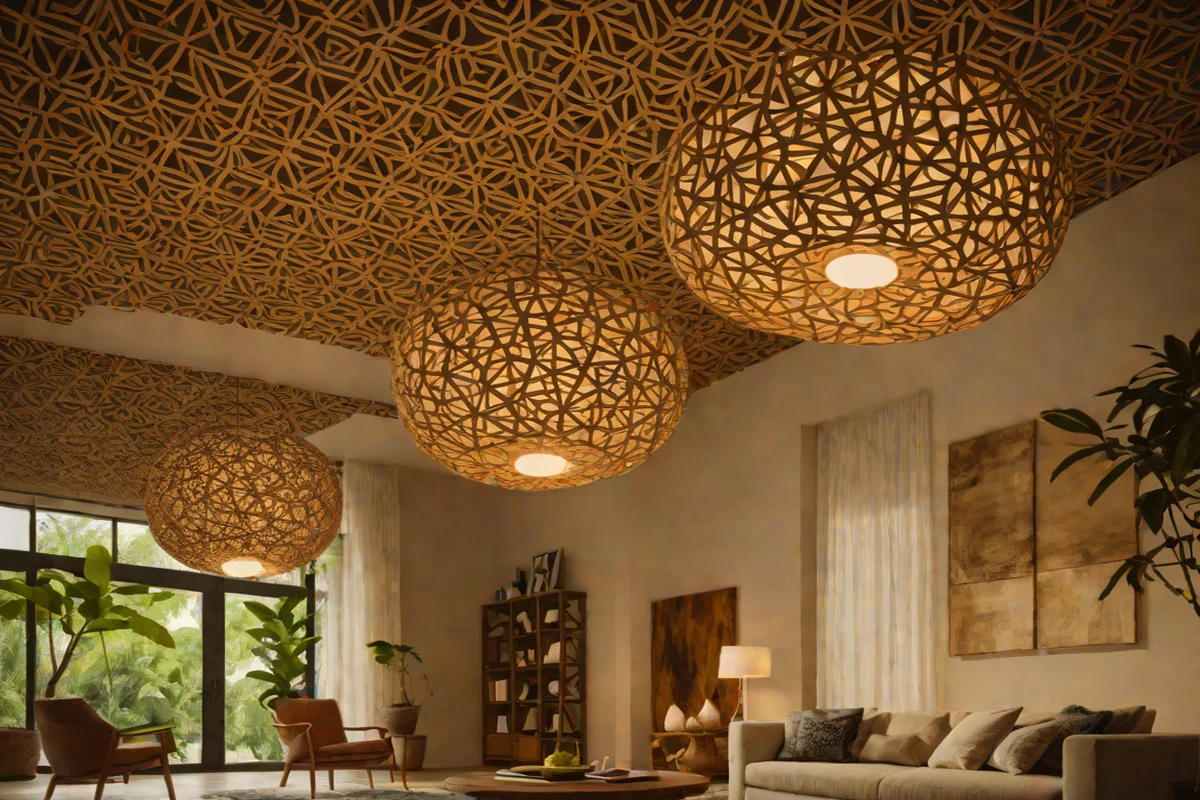
Lighting fixtures in a Zen sanctuary should be treated as functional sculptures that shape the environment. Hanging oversized, woven bamboo or rattan pendant lights above a dining or lounging area introduces a beautiful element of natural craftsmanship. When illuminated, the intricate woven patterns cast dynamic, soft shadows across the walls and ceiling, generating a sophisticated Shadow Dialogue. This indirect approach to illumination creates a warm, layered aesthetic that feels cozy and architecturally intentional.
Actionable Pro-Tip for Zen Architecture: To truly master the Japandi aesthetic, always execute the “Rule of Ma” (Negative Space). When styling a surface, shelf, or wall, ensure that at least 40% of the space is left completely empty. This intentional vacuum allows the remaining objects to “breathe” and commands a higher sense of visual value, creating the ultimate conditions for psychological rest and spatial freedom.
11. The Soft Atmospheric Glow of Paper Lamps
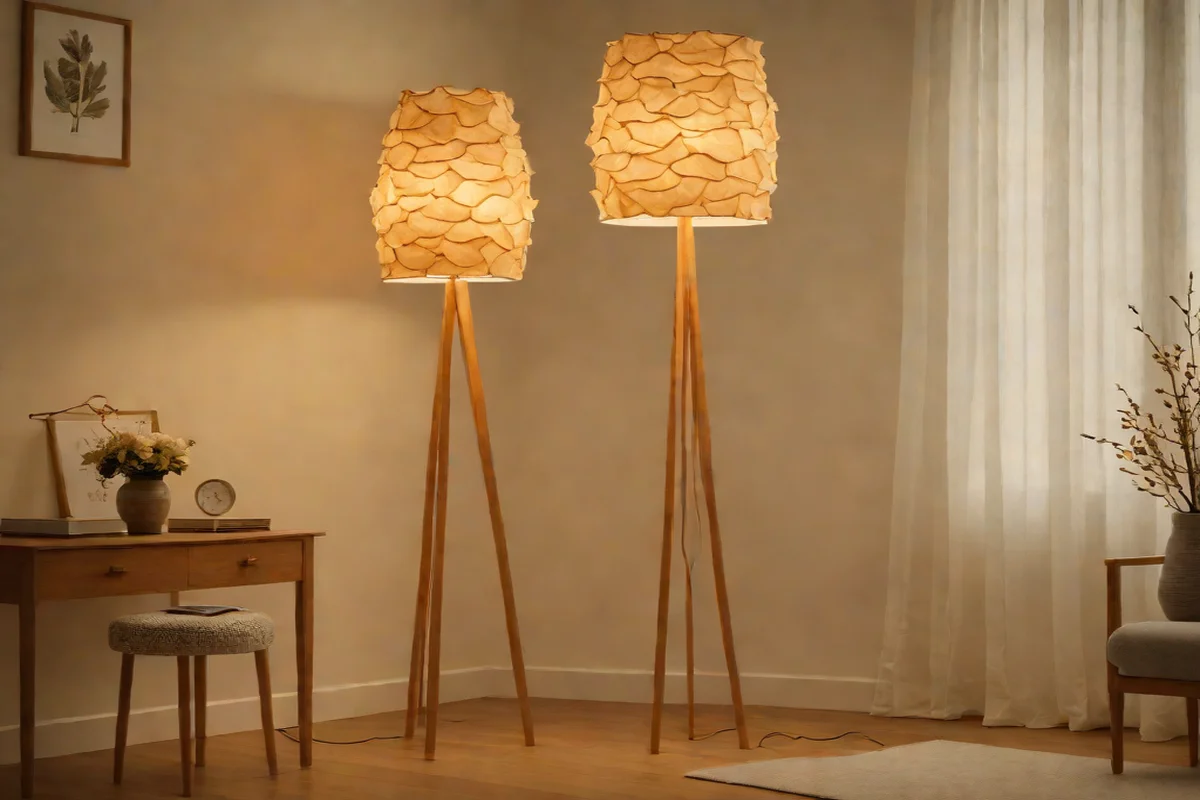
Inspired by the legendary works of Isamu Noguchi, Akari-style paper lamps are essential for establishing a serene evening ambiance. The lightweight mulberry paper material acts as a natural filter, softening the harsh glare of light bulbs and dispersing a soothing, Warm Amber glow throughout the space. Placing these sculptural floor lamps in neglected corners eliminates shadows, delivering an Enveloped Glow that transforms the room into a warm, safe cocoon when night falls.
12. Curvilinear Profiles and the Dialogue of Form
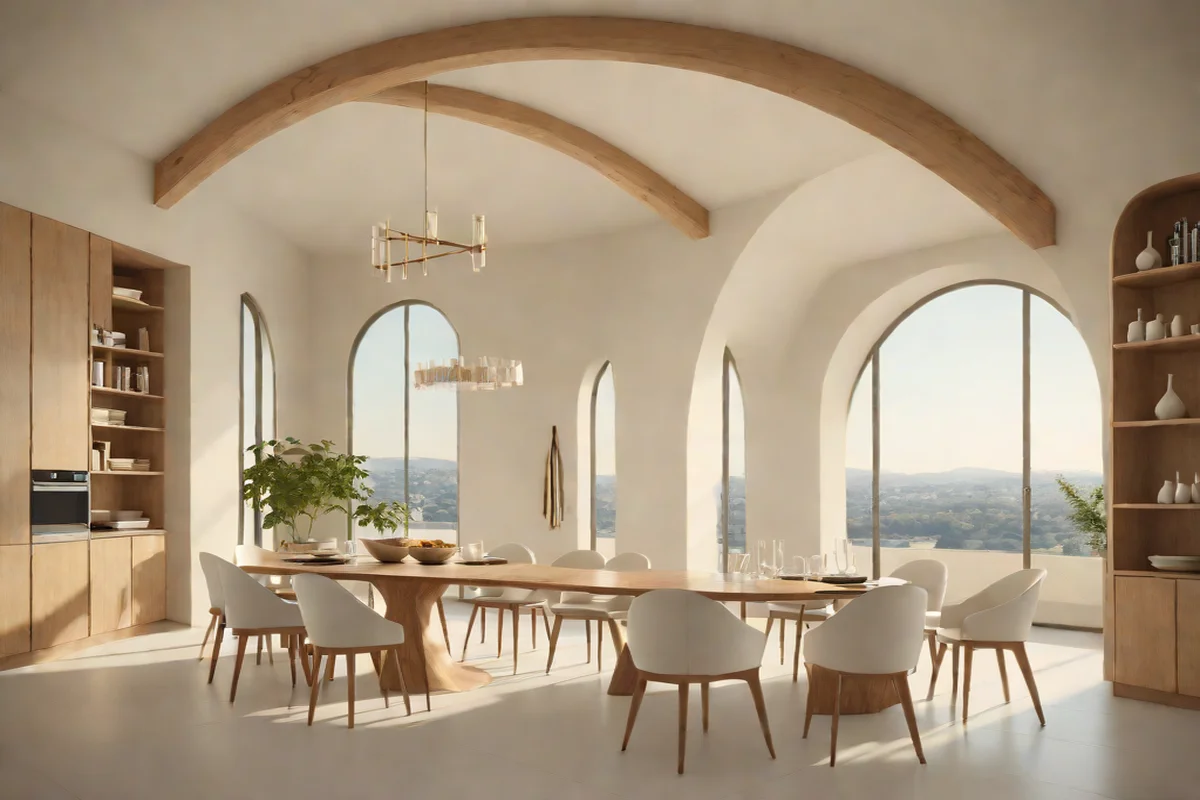
While Scandinavian modernism favors clean, straight lines, the Japanese influence introduces soft, organic curves to balance the geometry. Opting for furniture with rounded corners, arched doorways, or wavy wooden backrests softens the hard architecture of a residence. This Dialogue of Form prevents the minimalist layout from feeling sharp or aggressive. The gentle curves guide the eye gracefully through the living zones, ensuring human movement through the space feels fluid and unhindered.
13. Restricted Biophilic Curation via Single Statement Plants
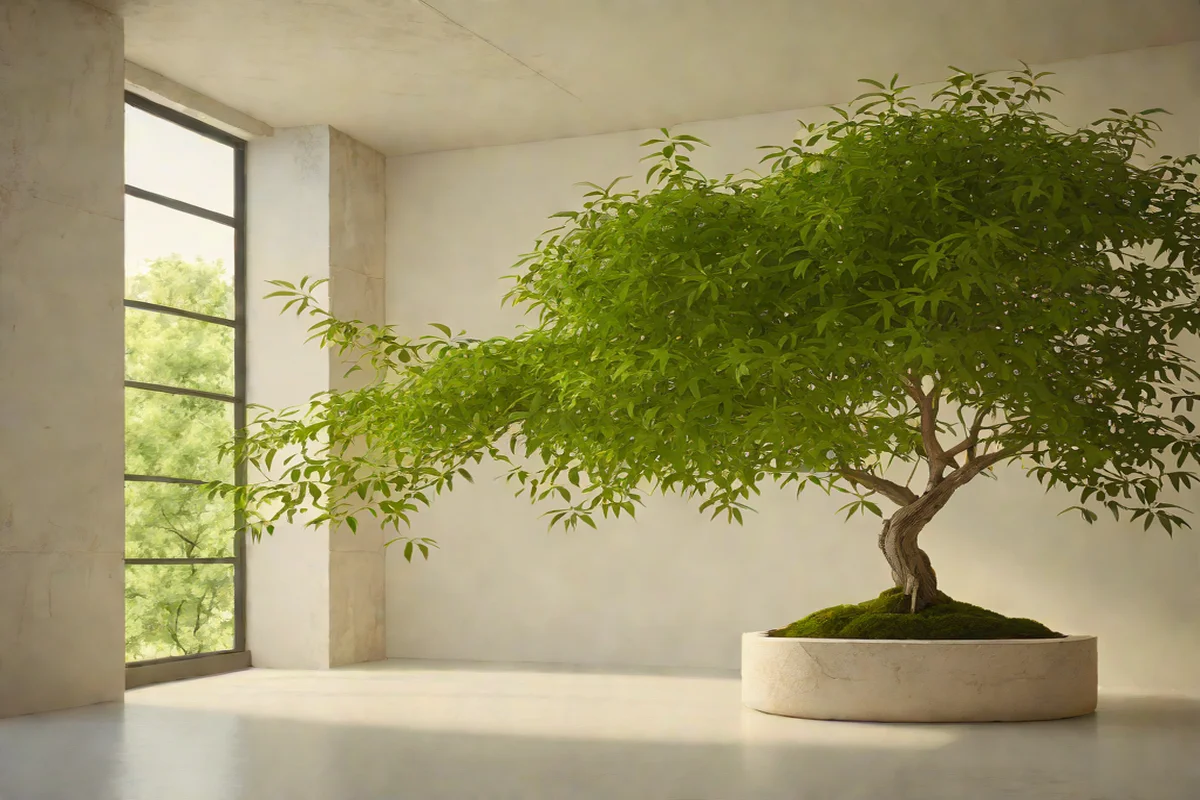
Unlike dense, tropical interior trends, Japandi biophilic design relies on a policy of extreme restriction. Instead of filling a room with multiple small potted plants, choose a single, tall “Hero” specimen – such as a Japanese Maple, a delicate Bonsai, or a structural Fiddle-Leaf Fig. Placing this single tree in a large, textured stone planter provides a clean, impactful connection to the natural world. This deliberate restriction ensures the plant acts as a living piece of sculpture that elevates the room’s atmosphere.
14. Matte Roman Clay and Plaster Wall Finishes

Standard drywall painted with flat commercial formulas lacks the tactile depth required for a true Zen home. Applying hand-textured Roman clay, microcement, or lime-wash plaster to the walls introduces a subtle, velvet-like movement to the surfaces. These artisanal finishes react dynamically with changing natural light throughout the day, creating soft gradients of tone. The matte texture provides a comforting layer of depth that absorbs sound waves and fosters an atmosphere of historic permanence.
15. The Seamless Horizon of Light Oak Flooring
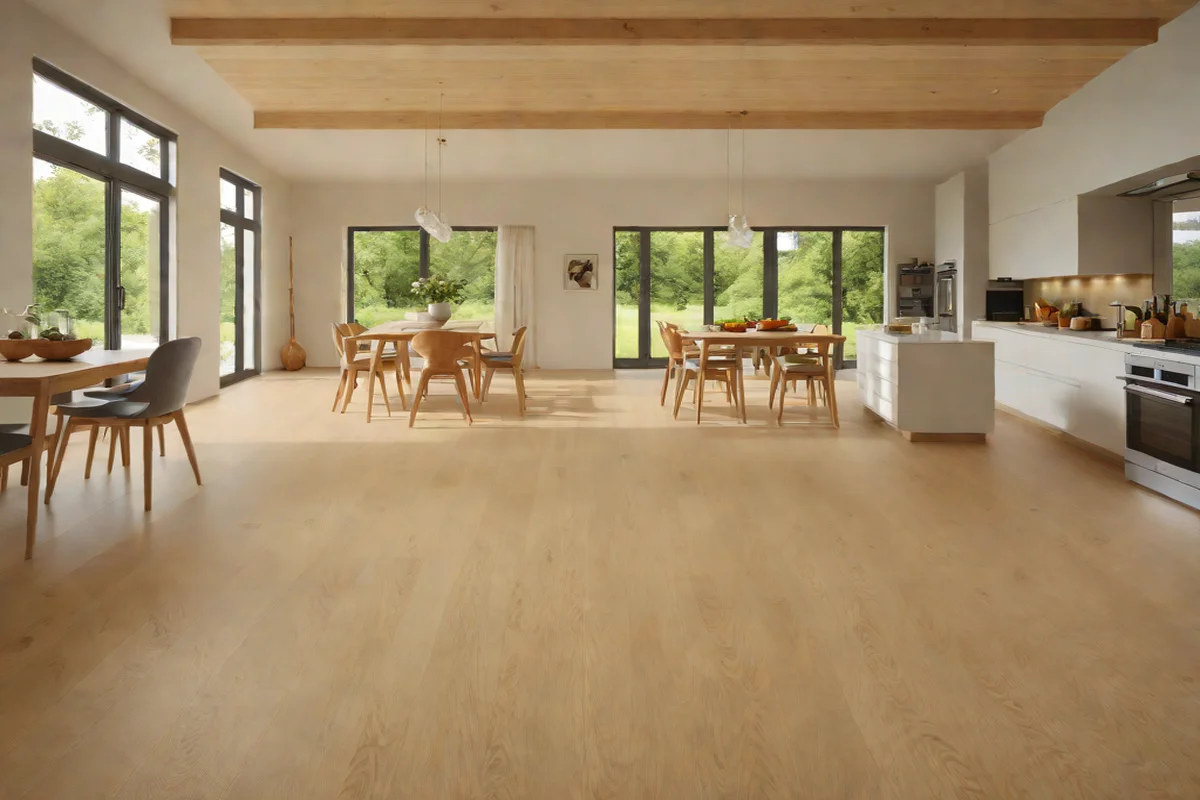
The floor line serves as the vast foundation of your home’s visual real estate and should never be broken up by mismatched materials. Utilizing wide-plank light oak flooring running continuously through the entire layout establishes a gorgeous Seamless Horizon. Minimizing thresholds and transitions between different rooms tricks the brain into perceiving a much larger footprint. The light timber reflects natural sunlight deep into the interior, bathing the entire floor plan in a bright, optimistic glow.
16. Tatami-Influenced Jute and Sisal Grounding Mats
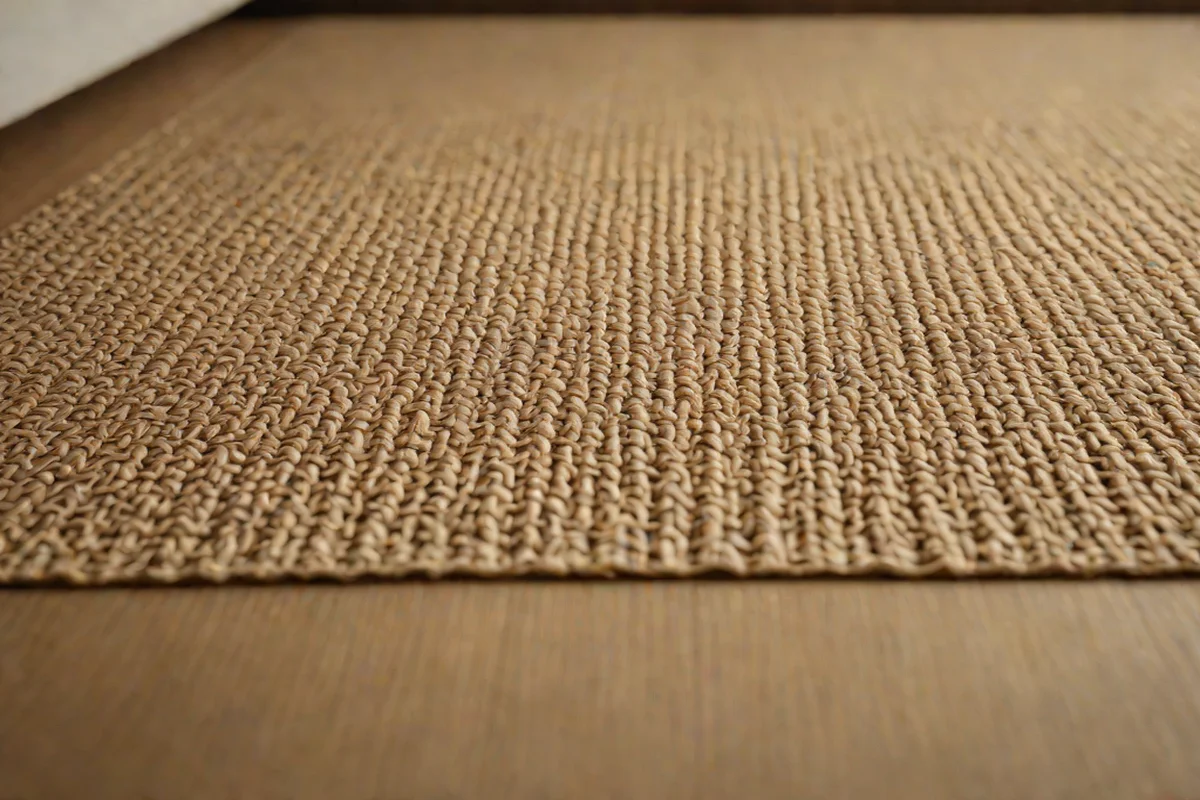
To pay homage to traditional Japanese flooring, modern Japandi spaces utilize large, flat-woven rugs made from sustainable jute, hemp, or sisal fibers. These natural floor coverings introduce a crisp texture and a grounding fragrance to the living areas. The rugged construction of sisal offers a robust contrast to polished wooden floors, creating a striking narrative of raw and refined finishes underfoot. These mats anchor your furniture groups, organizing your open zones with absolute geometric clarity.
17. The Intellectual Edge of Architectural Symmetry
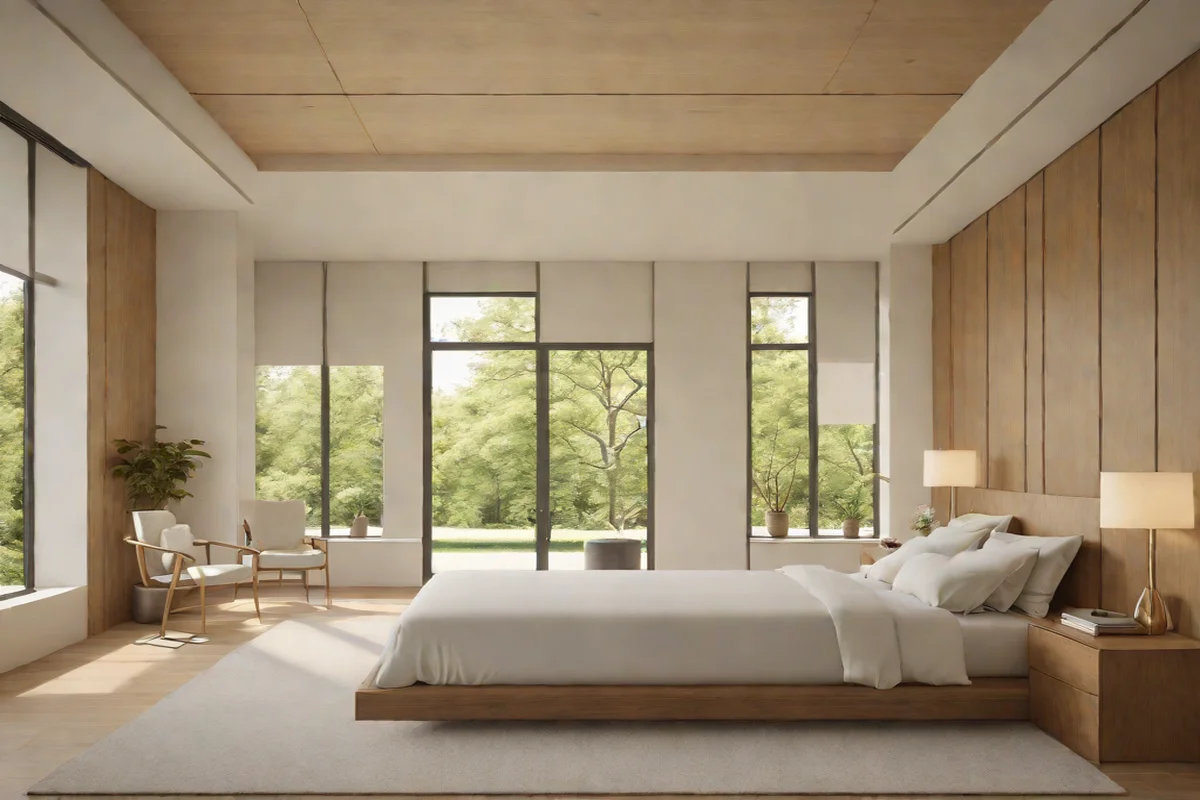
Achieving a peaceful home layout requires a structural embrace of balance and alignment. Centering your primary furniture pieces—such as a low-slung bed or a floating fireplace—along a central architectural axis introduces a reassuring sense of order. This structural alignment satisfies the brain’s innate desire for symmetry and predictability, reducing environmental stress. By framing these centered zones with clean, minimalist lines, you establish an elite design that feels calm, elegant, and professionally managed.
18. Concurrence of Material Tension through Veg-Tanned Leather

To inject a subtle layer of sophistication into a minimalist space, incorporate small accents of vegetable-tanned leather. Whether used as strap pulls on cabinet doors, a simple sling chair, or a large desk mat, leather introduces an organic richness that patinas beautifully with time. The leather provides an additional point of contrast when layered against cold concrete floors or linen upholstery, enriching the home’s material tapestry.
19. Minimalist Floating Ledges for Inventory Clarity
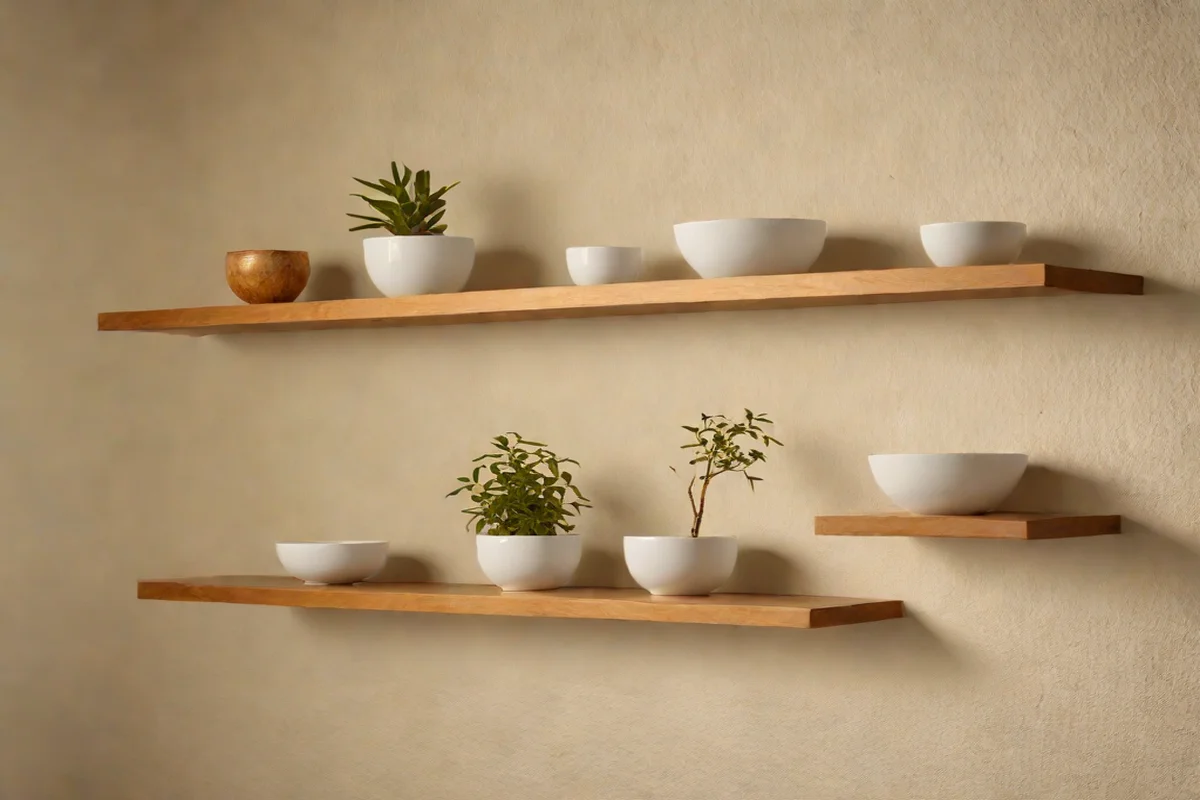
Traditional, bulky media consoles and oversized bookcases can make a room feel top-heavy and restricted. Replacing them with thin, cantilevered floating ledges crafted from matching oak or stone keeps your wall lines clean. These ledges should be used with extreme discipline, holding only a select few books or artistic ceramics. This keeps your visual landscape organized and clear, ensuring your daily sanctuary remains a beautiful, inspiring space.
20. Frameless Portals for Frictionless Movement
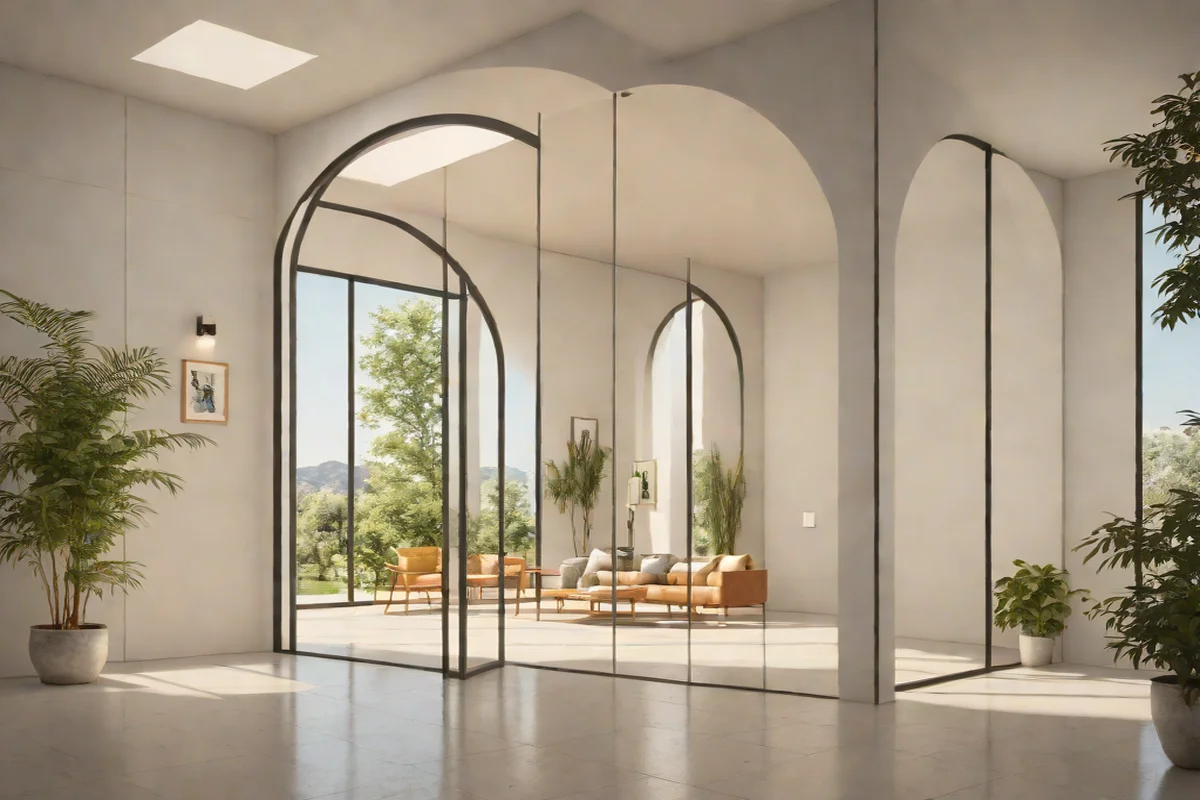
Doors can often act as abrupt visual blockages that disrupt the flow of light and energy through a home. Modifying standard doorways into open, frameless portals or tall arched transitions creates a highly sophisticated layout. This spatial adjustment allows the rooms to melt into one another, encouraging a sense of exploration and fluid movement. This layout style ensures light can travel unimpeded from front to back, keeping the home bright and cohesive.
21. Vertical Slat Wall Architecture for Linear Rhythm
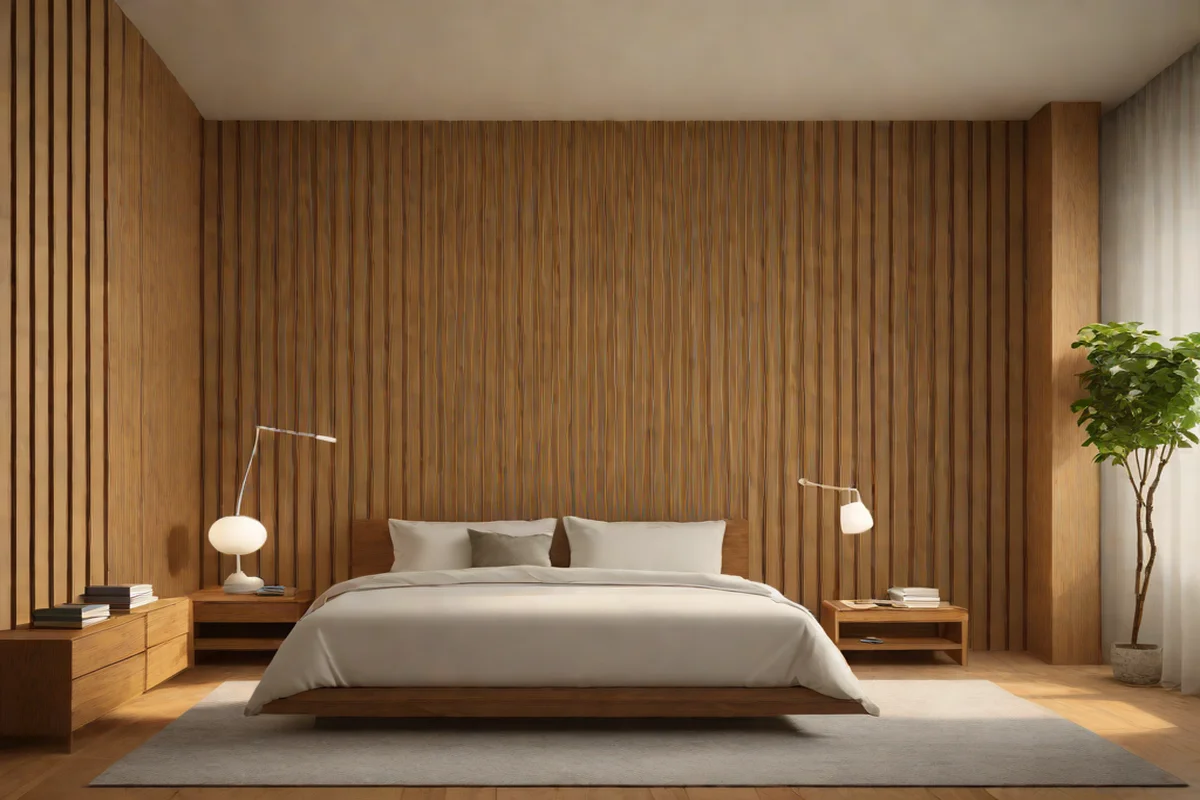
Installing panels of fine, vertical wooden slats along a primary focal wall is a highly effective way to introduce architectural texture. This slatted detailing generates an elegant play of light and dark shadows that shifts as the sun moves across the sky. The repetitive lines draw the eyes upward toward the ceiling, creating an illusion of vertical scale. It acts as an incredible backdrop for a television screen or an low bed, hiding unwanted wires within its structure.
22. Strategic Layering of Indirect Biological Lighting
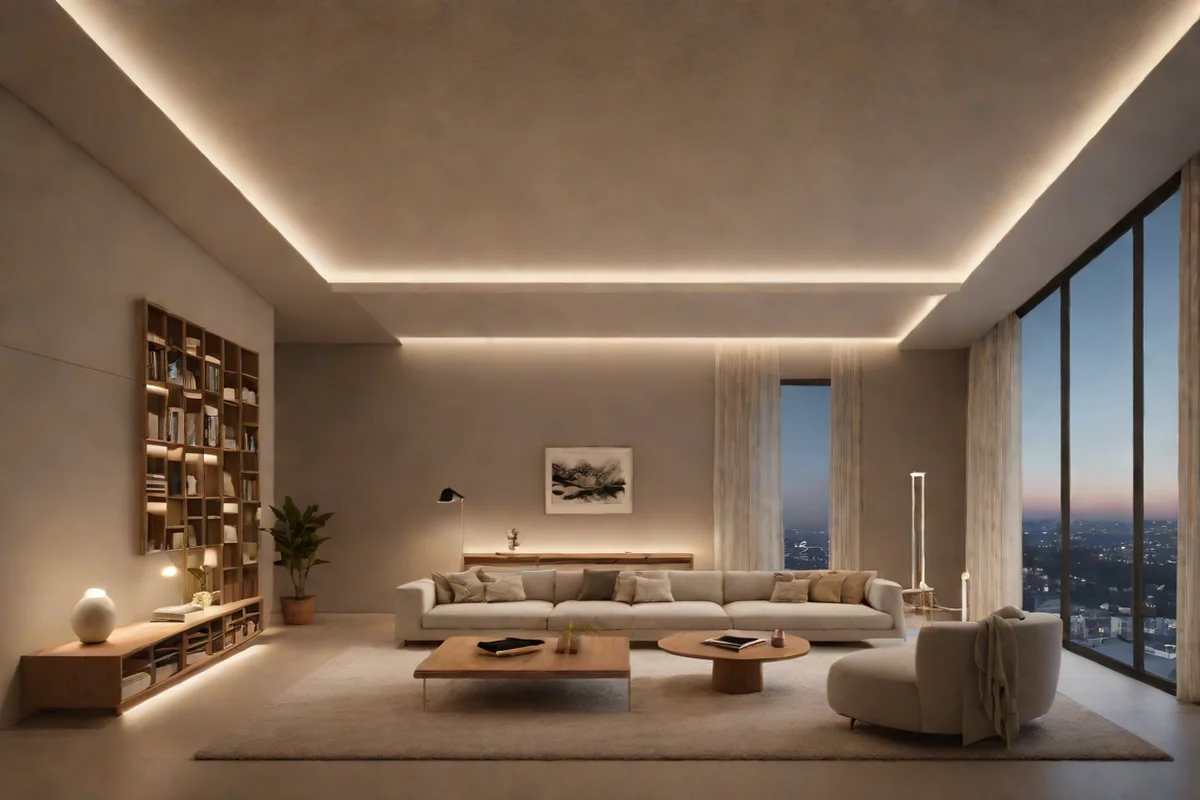
True Zen design requires an absolute ban on harsh, exposed overhead light bulbs that trigger optical fatigue. Instead, hide slim LED light strips within architectural coves, beneath floating vanities, and behind structural valences. This indirect illumination reflects softly off the plaster walls, casting an ethereal, shadow-free glow. This biological approach to lighting mimics the soft transition of natural twilight, allowing your nervous system to fully unwind at the end of a demanding day.
23. Multi-Functional Artisanal Benches for Spatial Intelligence
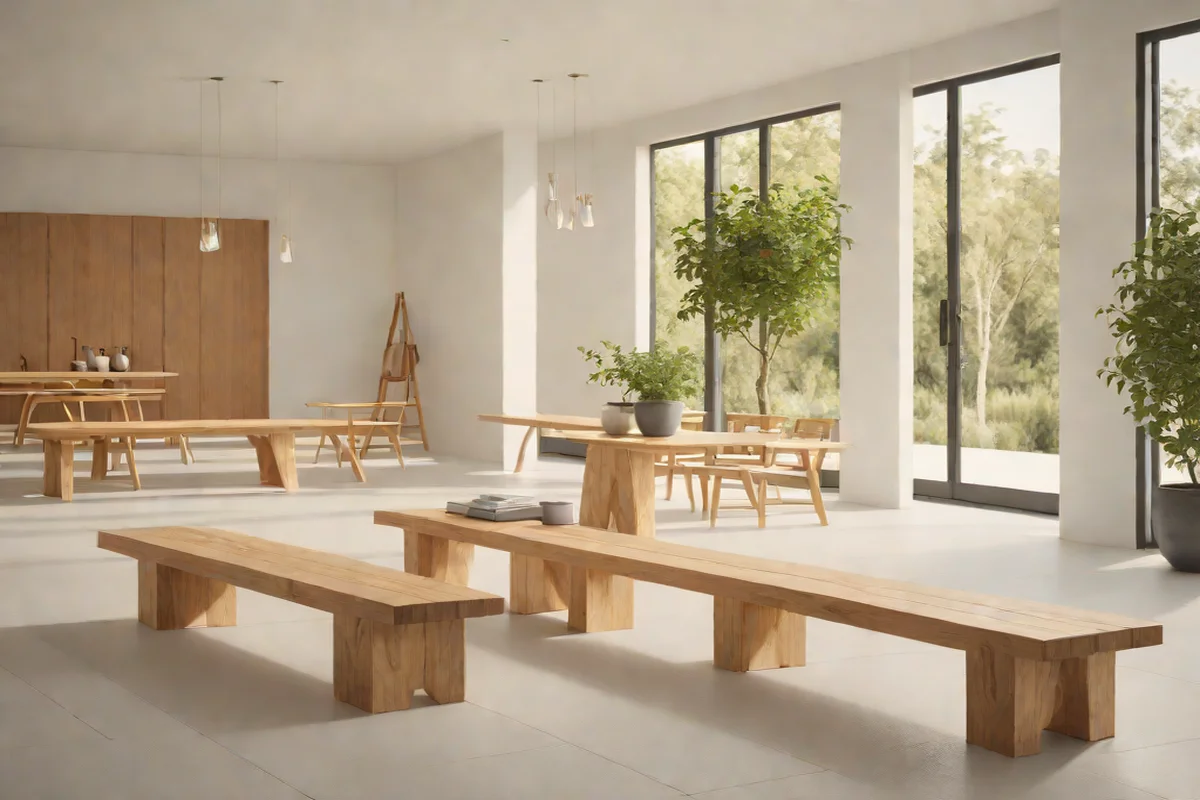
A classic staple of Japandi furniture design is the long, minimalist wooden bench. This highly adaptive piece can serve as a casual coffee table, an entry statement piece, or extra seating at a dining table. This multi-functional utility reduces the need for excess furniture pieces, saving valuable square footage. The clean, unadorned silhouette of an artisanal bench adds an authentic touch of craftsmanship, proving that true luxury relies on simplicity and use.
24. Diffused Architectural Windows for Translucent Light Flow
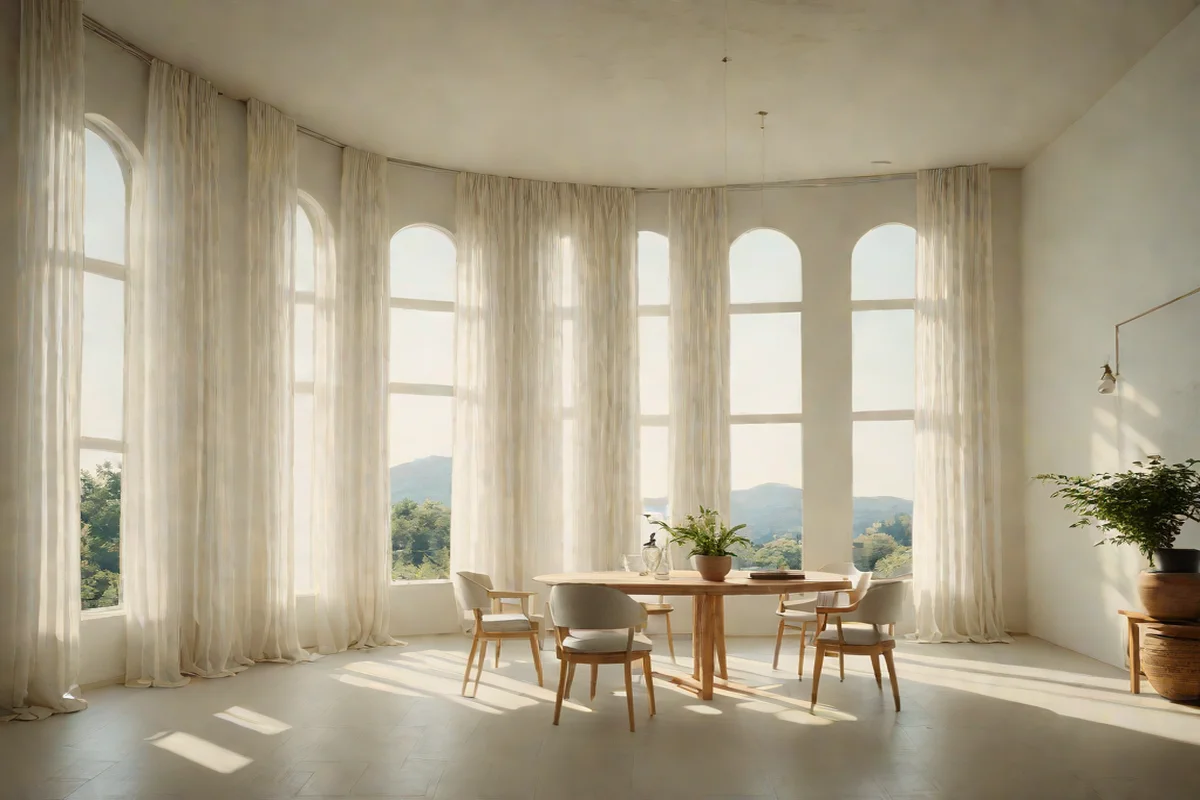
Direct, blinding sunlight can create harsh contrasts and unwanted glare inside a minimalist room. Outfitting your large windows with sheer linen drapes or translucent shoji-style privacy shades softens incoming light into a gentle white wash. This diffused glow floods the room evenly, removing harsh shadow lines and highlighting the textures of your plaster walls and timber grains. It bathes your interior in a beautiful, calm atmosphere that supports mental focus.
25. The Evolutionary Audit of Mindful Editing
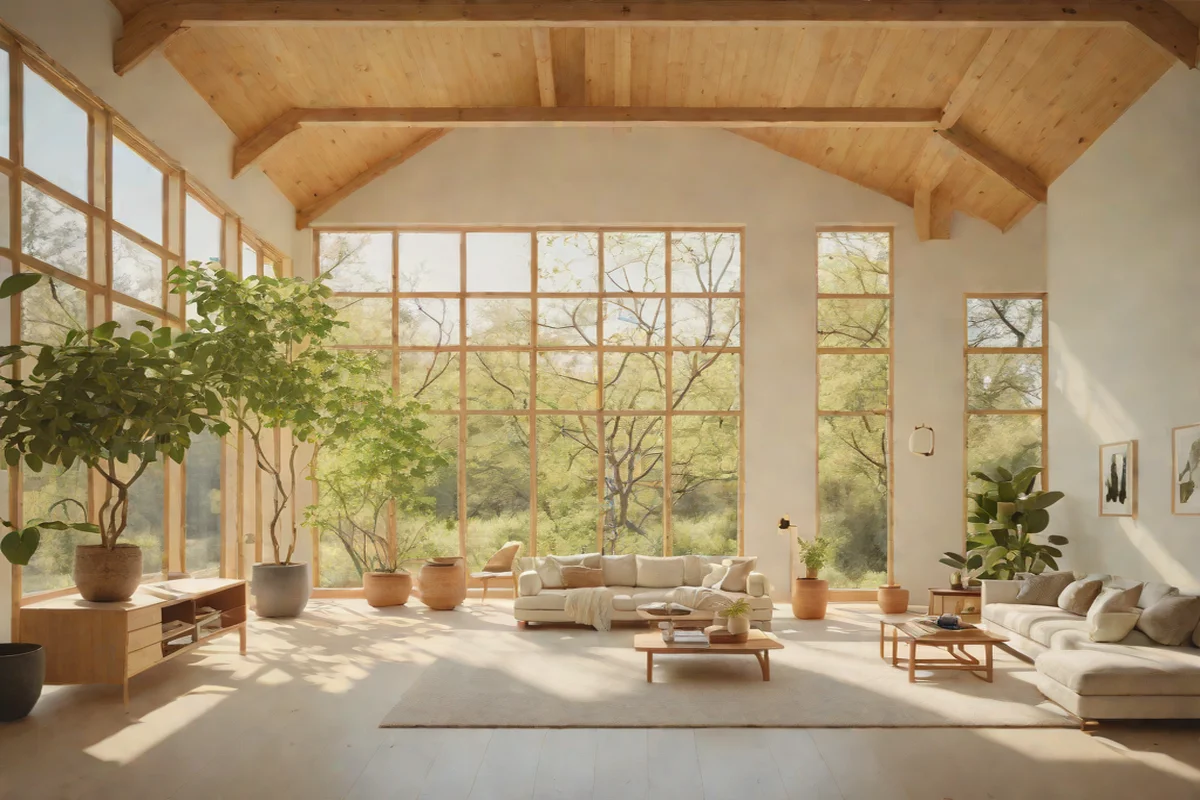
The final, most crucial concept of maintaining a Japandi sanctuary is the lifelong practice of continuous editing. A Zen home is a living entity that must grow and change with your shifting internal light. Every season, conduct a thorough inventory audit of your space -mindfully removing objects that have lost their functional use or aesthetic value. By constantly refining your layout toward simplicity, you ensure that the architecture always leaves plenty of room for your soul to breathe and bloom.
Conclusion: The Spatial Architecture of Inner Peace
Embracing the world of Japandi interior design is a conscious move to reject consumer clutter and celebrate the poetry of simplicity. By carefully orchestrating the layers of Material Tension, Acoustic Luxury, and Grounded Furniture Profiles, you transform a standard floor plan into a high-performance sanctuary for the human soul. Remember, a professionally managed home is not one that is filled with expensive decorations, but one where the deliberate use of light, texture, and negative space facilitates a daily Sensory Reset. When you align your physical surroundings with your internal desire for peace, your home becomes a beautiful reflection of clarity, allowing your life to truly bloom. For more deep-dives into making every corner of your home reflect your unique vision, check out our latest Trendy Home Bloom Blog posts.
FAQs
Q: What is the difference between minimalism and Japandi design?
A: Traditional minimalism can sometimes feel cold, industrial, and clinical due to its reliance on sharp metal surfaces, glass, and stark white color palettes. Japandi design softens this aesthetic by infusing Scandinavian Hygge and Japanese Wabi-Sabi, introducing Organic Heat through raw woods, hand-thrown ceramics, and warm earthy tones. This combination creates a high-end space that feels warm, inviting, and peaceful.
Q: What are the primary colors used in a Japandi color palette?
A: The Japandi color scheme is built on an elegant foundation of Cool and Warm Neutrals. The primary tones include Stone Grey, Soft Oatmeal, Sand, Muted Mushroom, and Creamy Off-Whites. These soothing shades are often grounded by sharp accents of matte black, deep charcoal, or rich walnut wood tones to create a Graphic Soul and an elevated architectural contrast across the home.
Q: How do I choose the right furniture for a Japandi home?
A: Focus on Low-Slung Profiles, clean lines, and natural materials. Look for furniture that sits closer to the floor to enhance your spatial perspective and create a grounded feel. Prioritize raw wood structures (like Oak or Walnut), natural upholstery (like unrefined linen or bouclé), and organic curves. Avoid heavy, over-decorated furniture to keep your floor plan open and clear.