
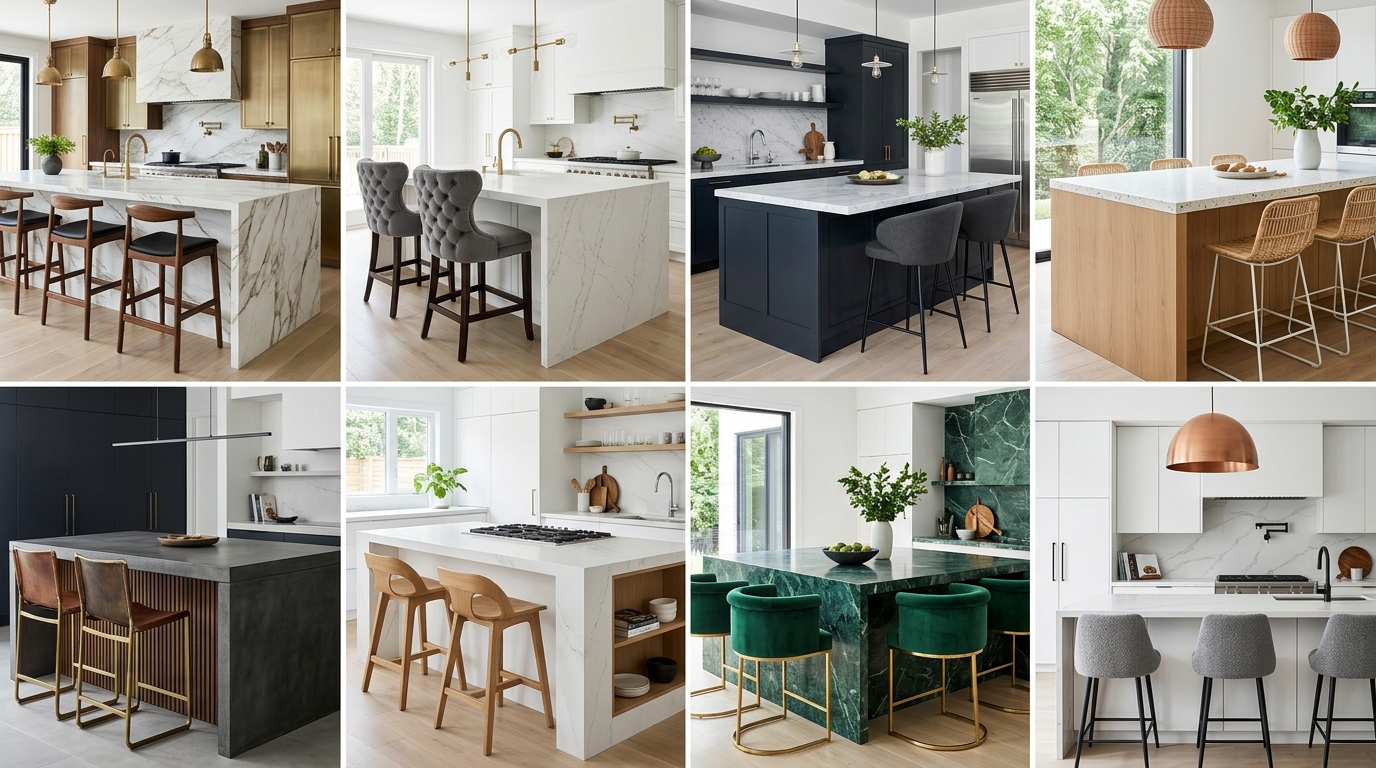
The kitchen island has officially replaced the traditional formal dining room as the true social epicenter of the modern American home. Whether your family is grabbing a quick Tuesday morning breakfast, kids are spreading out their homework, or guests are enjoying glasses of wine while you chop vegetables, having comfortable and stylish seating is essential for daily living. Exploring these 18 kitchen bar stool & seating ideas will help you navigate the overwhelming number of silhouettes, heights, and fabric choices on the market today. Finding the right balance between ergonomic comfort and visual beauty transforms a plain slab of stone into an inviting gathering spot, and you can easily pair your favorite designs with trusted home decor advice to tie your entire culinary space together.
When you invest in quality kitchen seating, you are making a decision that impacts your home’s traffic flow, acoustic warmth, and everyday comfort for years to come. Far too many homeowners make the mistake of buying stools solely based on how they look online, only to end up with rigid, unsupportive chairs that bruise knees or scrape up hardwood floors. Understanding the critical relationships between counter height, back support, footrests, and upholstery materials ensures your family actually wants to linger at the island after meals are finished. Whether your personal taste leans toward organic woven textures, sleek industrial metals, or plush upholstered backrests, these actionable layout strategies will help you curate a highly functional seating arrangement that stands up to active daily life.
1. Measure Counter Height Versus Bar Height First
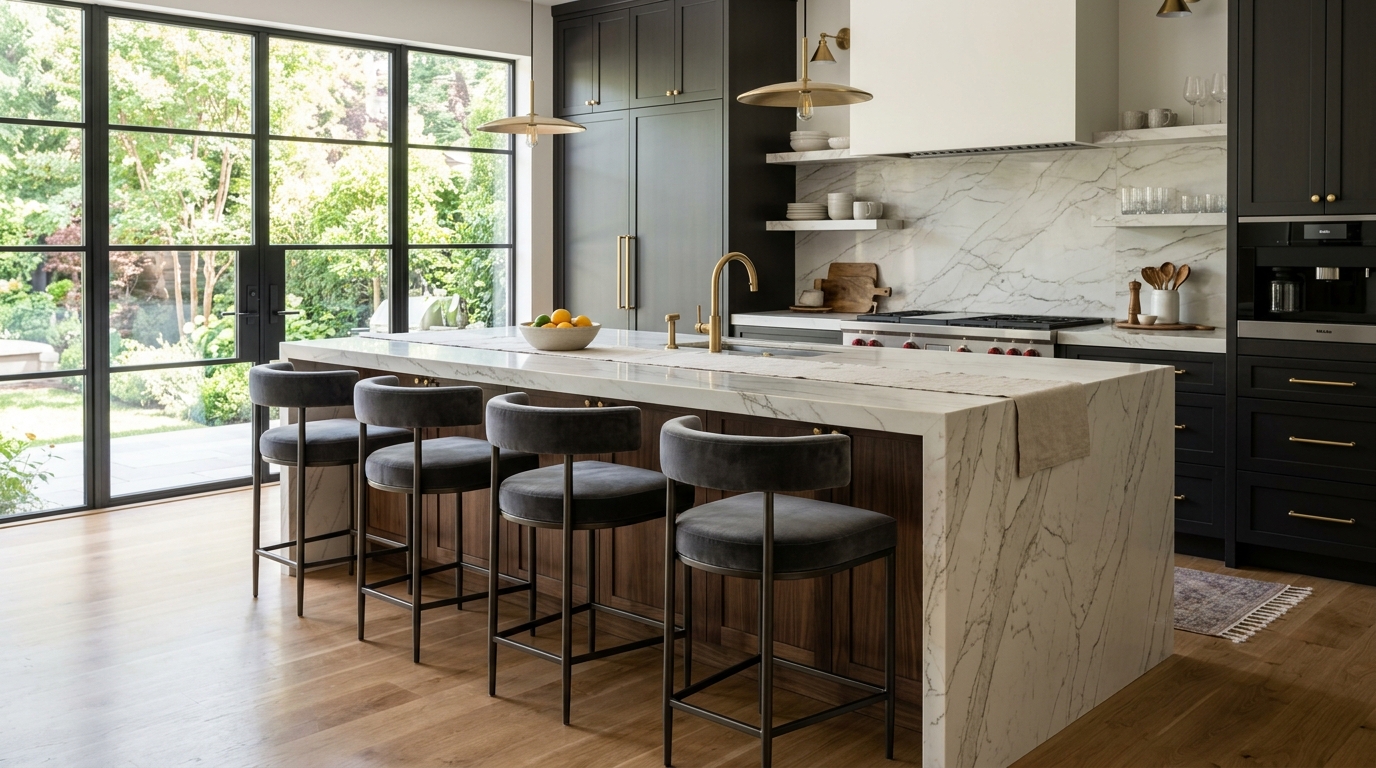
The most common and costly mistake shoppers make when buying kitchen seating is confusing standard counter height with elevated bar height. A standard residential kitchen island sits exactly 36 inches off the floor, which requires counter-height stools with seat elevations measuring between 24 and 26 inches. If you accidentally purchase 30-inch bar-height stools – designed for raised 42-inch commercial bars – your guests will trap their thighs tightly against the underside of your countertop, making sitting impossible. Before ordering anything online, take a tape measure and calculate the distance from your floor to the bottom edge of your quartz or granite overhang, ensuring you leave at least 10 to 12 inches of clearance between the stool seat and the counter for comfortable legroom.
2. Choose Curved Bucket Seats for Extended Comfort
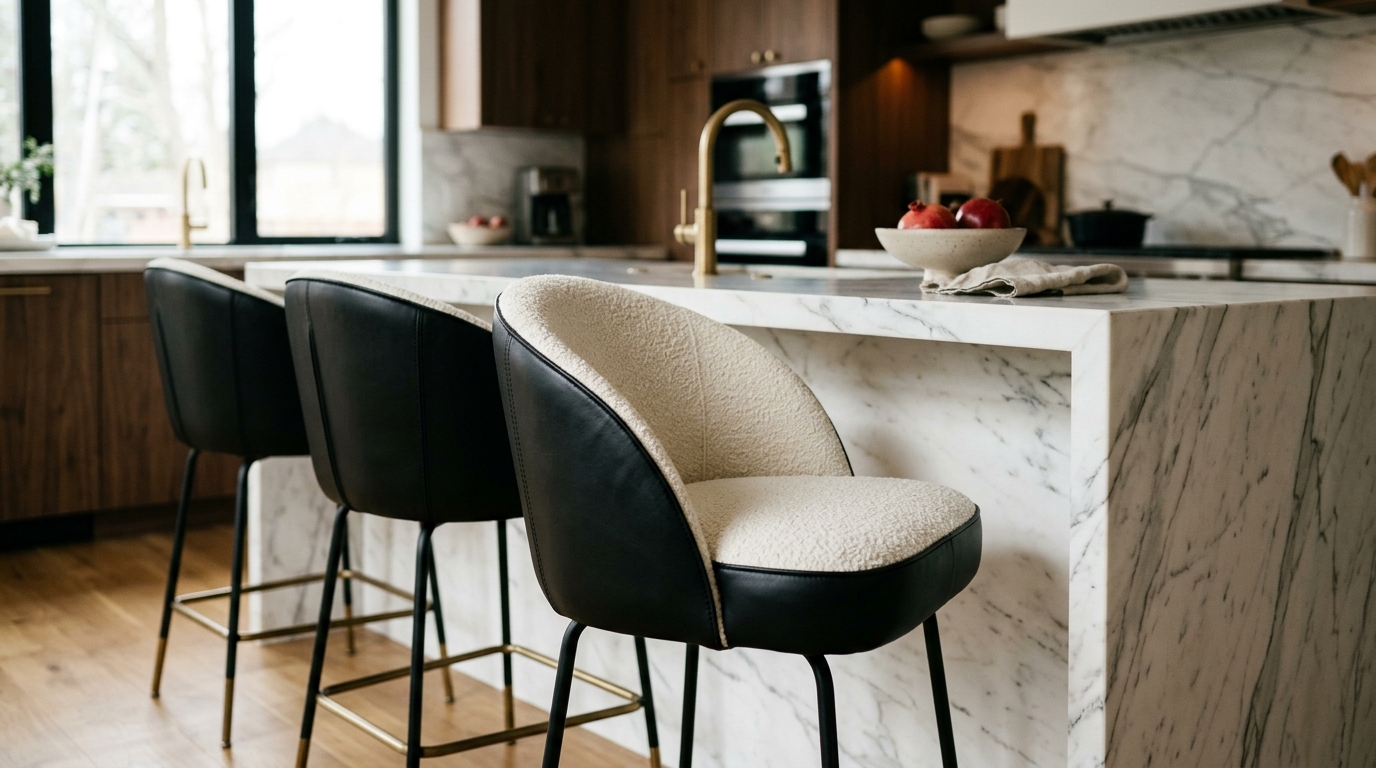
If your family uses the kitchen island as a primary dining table or a work-from-home workstation, rigid 90-degree wooden stool backs will quickly cause physical fatigue and lumbar discomfort. Opting for curved bucket seats is an exceptional ergonomic choice that encourages better posture during extended sitting sessions. These contoured shells feature rounded backs that wrap gently around the natural curve of your lower spine, providing continuous side and lumbar support. Look for bucket silhouettes upholstered in supple leather or padded boucle that cradle the body comfortably. This thoughtful design upgrade ensures your kitchen seating feels just as relaxing and supportive as your favorite living room armchair during long holiday gatherings.
3. Opt for Backless Stools in Tight Pathways
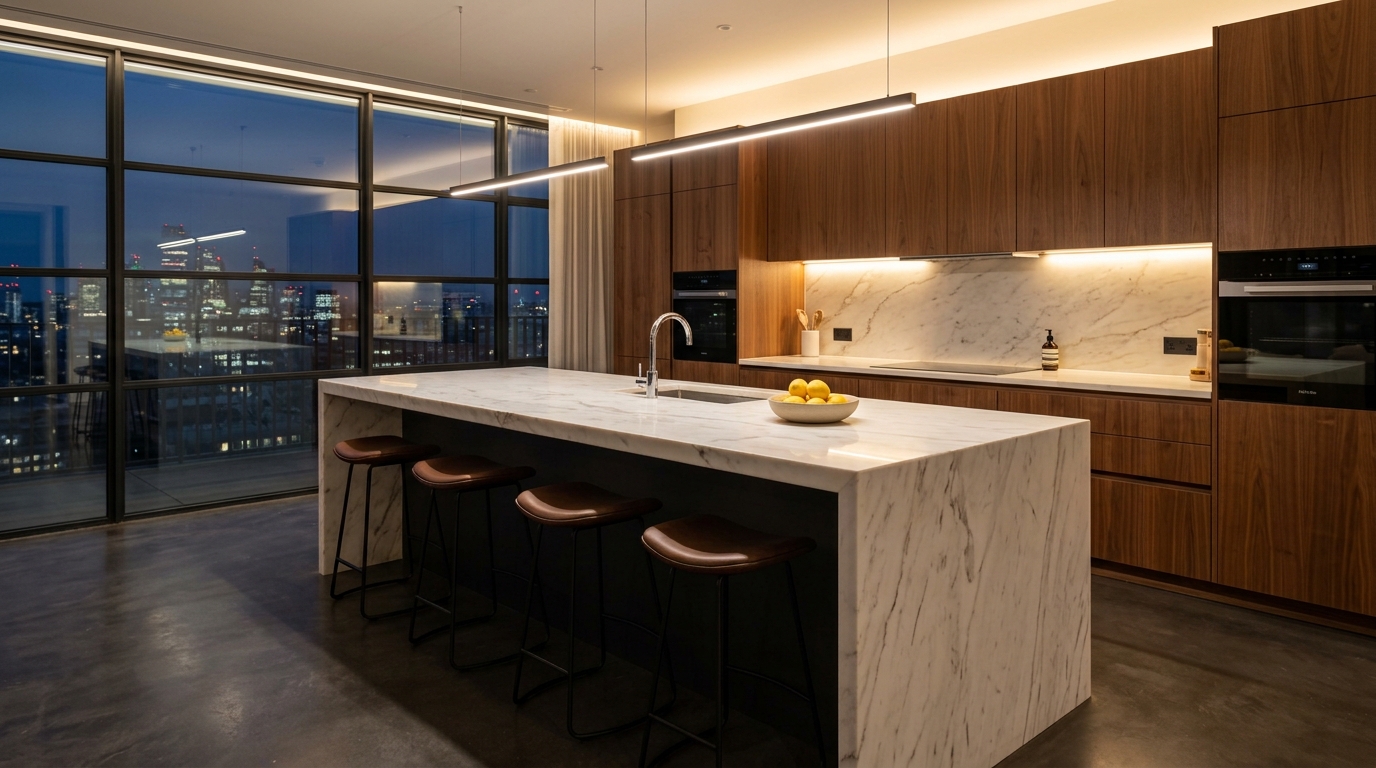
In compact kitchens where walkway space between the island and the perimeter refrigerator or oven is limited, traditional stools with high backs can turn into constant spatial obstacles. Backless saddle stools or low-profile circular seats solve this traffic flow problem immediately by allowing you to slide the furniture completely underneath the countertop overhang when not in active use. Removing protruding seat backs clears your horizontal sightlines across the room, making a small or dark kitchen appear significantly wider, brighter, and much less congested. When selecting backless options, look for gently scooped saddle seats that contour to the human body so people do not slide off during casual meals.
Tip: Leave a minimum width of 24 inches of countertop space per stool along your island so guests have plenty of elbow room to eat and drink without bumping into their neighbors.
4. Incorporate Swivel Mechanisms for Active Families
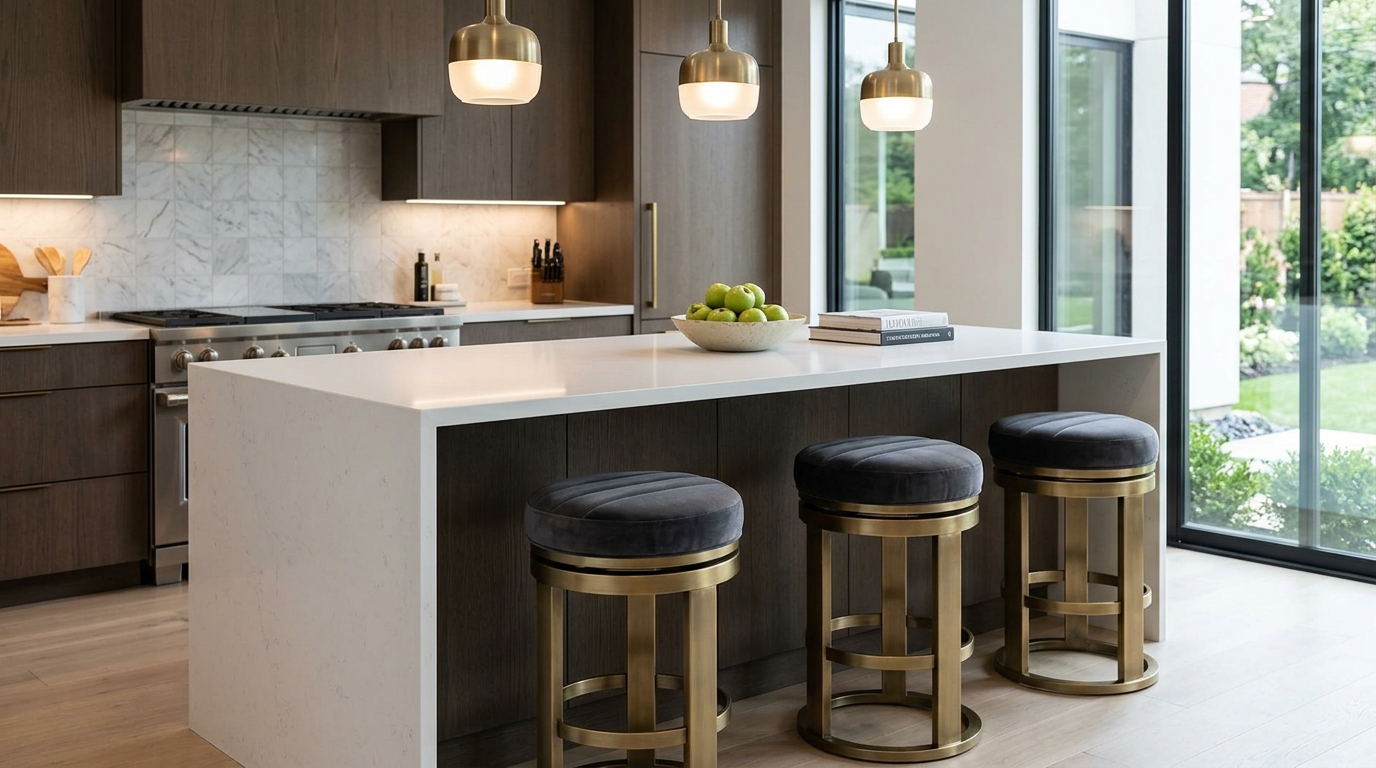
Stools that require physical dragging across the floor every time someone sits down or stands up will eventually loosen at the joints and leave permanent scratch marks on your flooring. Stools equipped with smooth 180-degree or 360-degree swivel mechanisms add effortless mobility to your kitchen, making them particularly practical for households with young children or elderly family members. A smooth swivel allows anyone to turn easily toward the television, participate in a dining room conversation, or slide out from under the counter without moving the heavy base of the stool. Borrowing durable furniture concepts from playful boy bedroom themes, choosing memory-return swivels that automatically snap back to face the island keeps your kitchen looking organized when empty.
5. Embrace Woven Rattan and Seagrass Textures
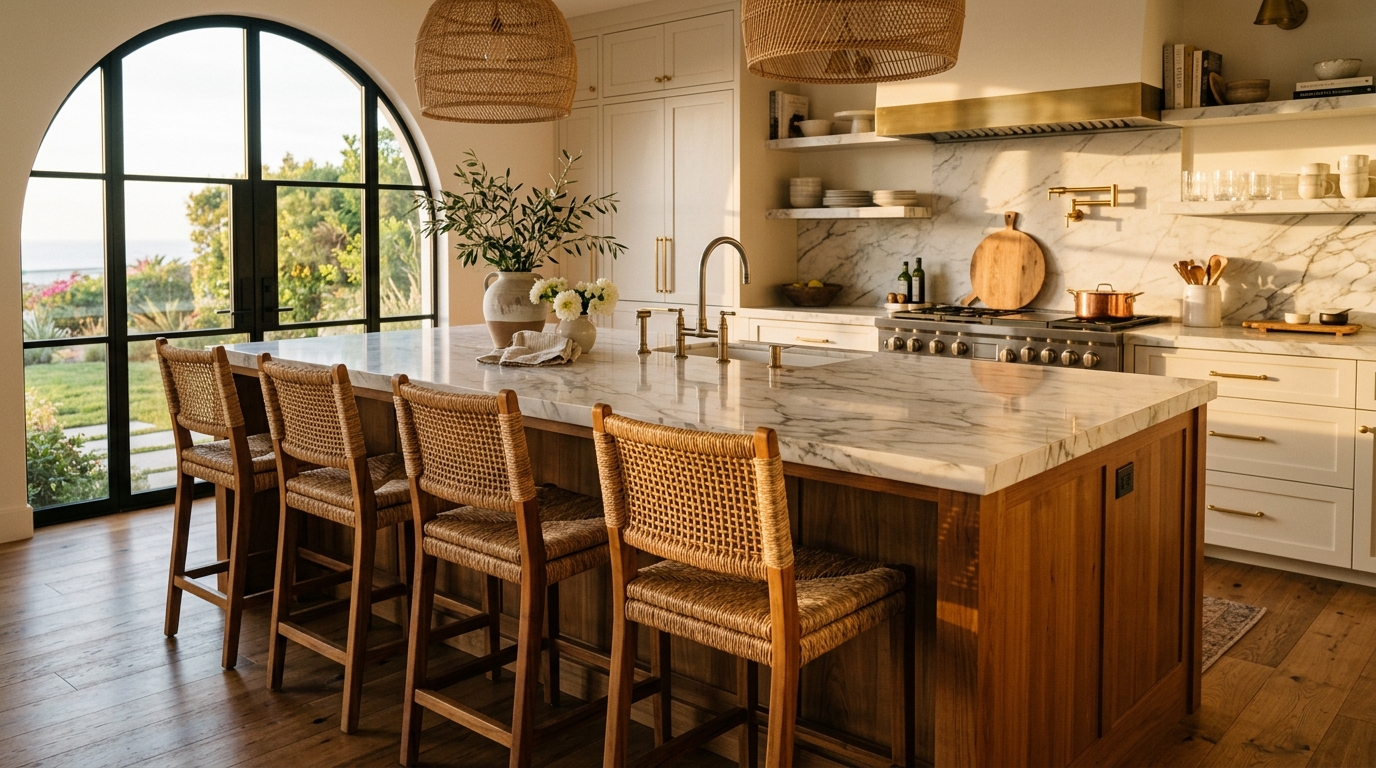
Kitchens are inherently dominated by smooth, cold, and reflective materials like polished marble countertops, stainless steel refrigerators, glass pendants, and ceramic tile backsplashes. To soften these hard surfaces and bring inviting domestic warmth to the room, introduce seating crafted from natural woven fibers like rattan, seagrass, wicker, or paper cord. The nubby, organic texture of woven bar stools adds immediate tactile interest and coastal charm to your culinary space. These sturdy natural materials are surprisingly resilient against daily wear and tear when tightly woven over solid steel or teak wood frames, offering a relaxed, earthy aesthetic that ages gracefully over decades of family use.
6. Select Wipeable Faux Leather for Kid-Friendly Zones
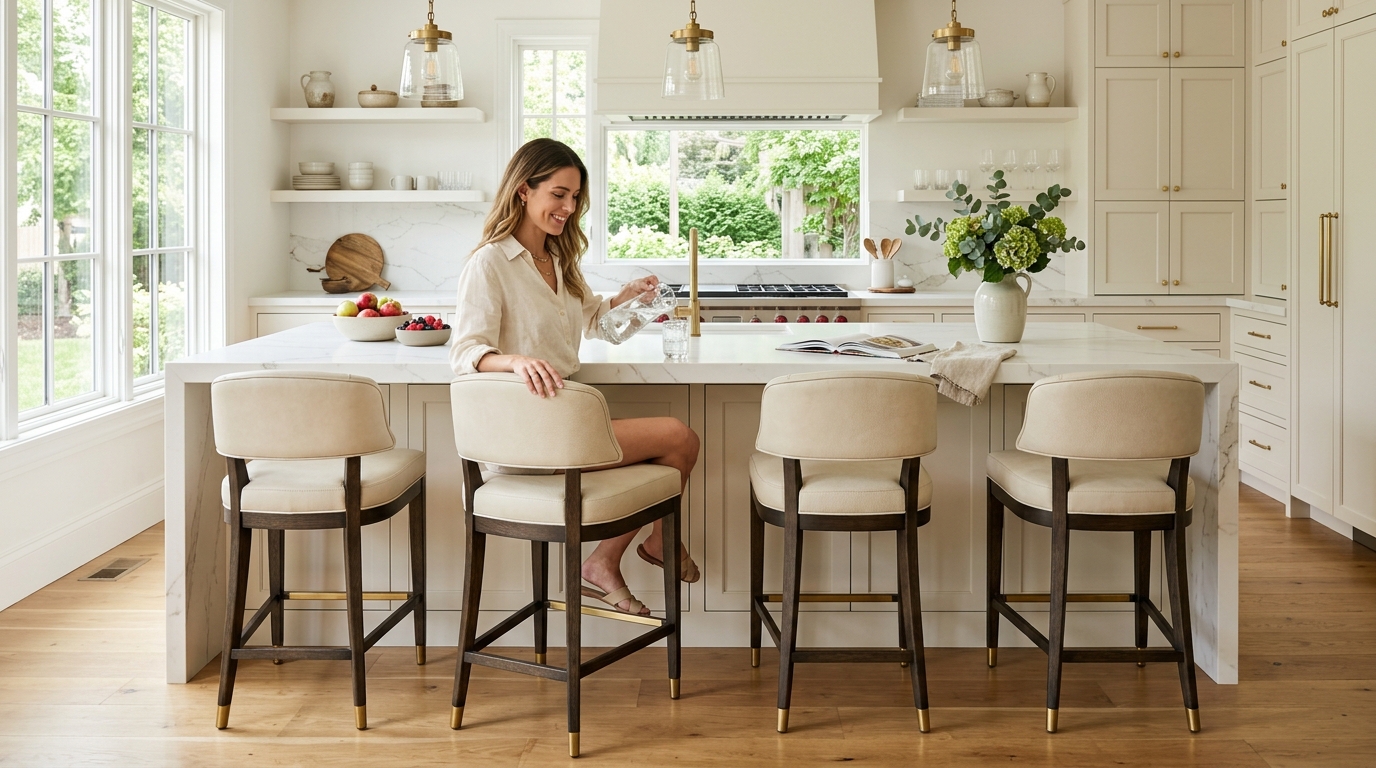
While cream-colored linen stools look magnificent in design magazines, they can quickly turn into a cleaning nightmare in homes with toddlers eating spaghetti or dropping chocolate milk. High-quality polyurethane faux leather or vegan leather is the ultimate practical upholstery choice for busy family kitchens. Unlike cheap, shiny vinyl from decades past, today’s premium faux leathers feature matte finishes and subtle grain patterns that closely mimic authentic cowhide. When spills, sticky fingerprints, or grease splatters occur, you simply wipe the surface clean with a damp soapy cloth in seconds. Pairing smart, wipeable seating with efficient drawer organization shortcuts keeps your entire kitchen operating smoothly and looking spotless with minimal effort.
7. Introduce Industrial Metal and Reclaimed Wood
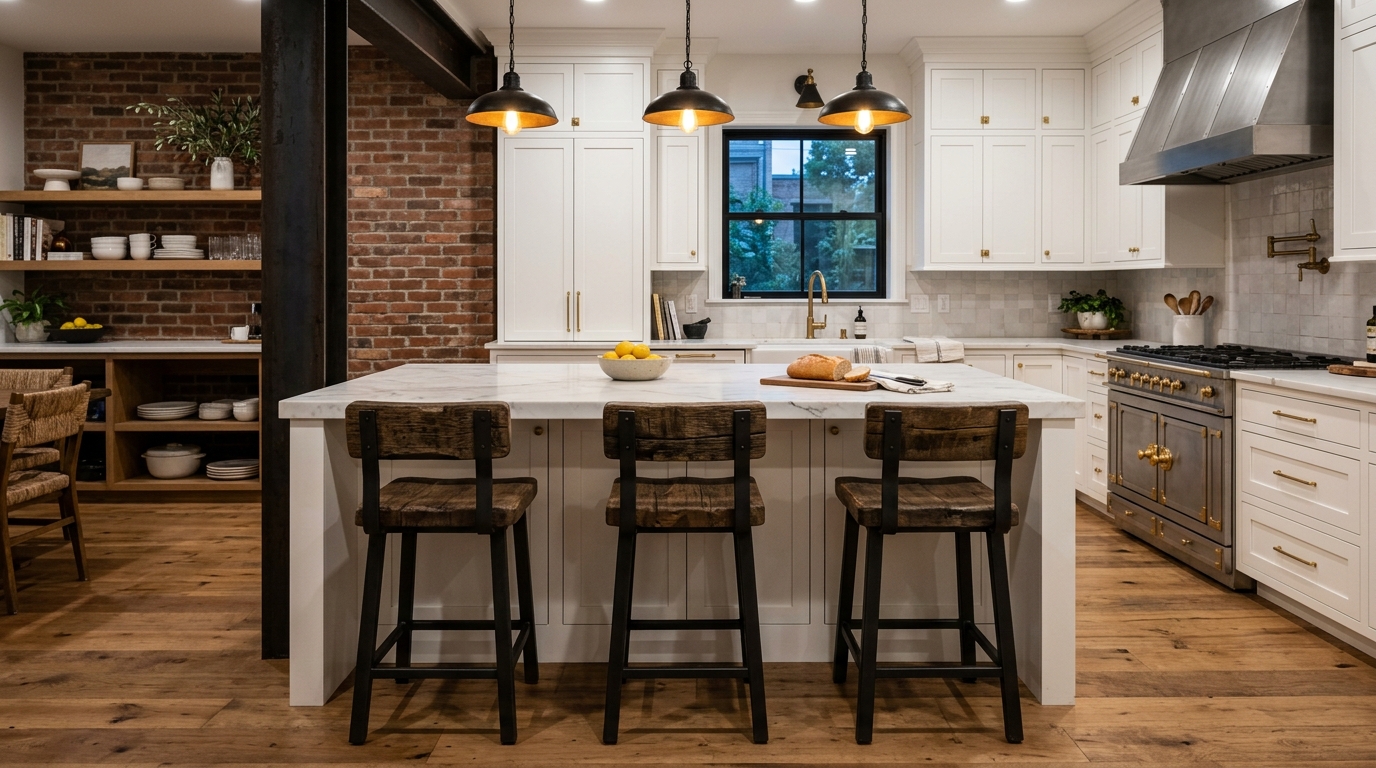
For homeowners who appreciate rustic, modern farmhouse, or urban loft aesthetics, combining powder-coated steel frames with thick reclaimed wood seats creates an indestructible seating foundation. Industrial-style stools are specifically designed to withstand heavy, rigorous daily use without showing premature wear. In fact, accidental scuffs, dings, and minor scratches only add to the authentic patina and character of the distressed timber surfaces. Look for stools featuring matte black iron legs, exposed rivets, and raw timber tops that contrast beautifully against clean white cabinetry. This rugged construction provides a grounding visual weight that prevents a new kitchen remodel from feeling too fragile or precious for real life.
8. Try Upholstered Wingback Designs for Formal Luxury
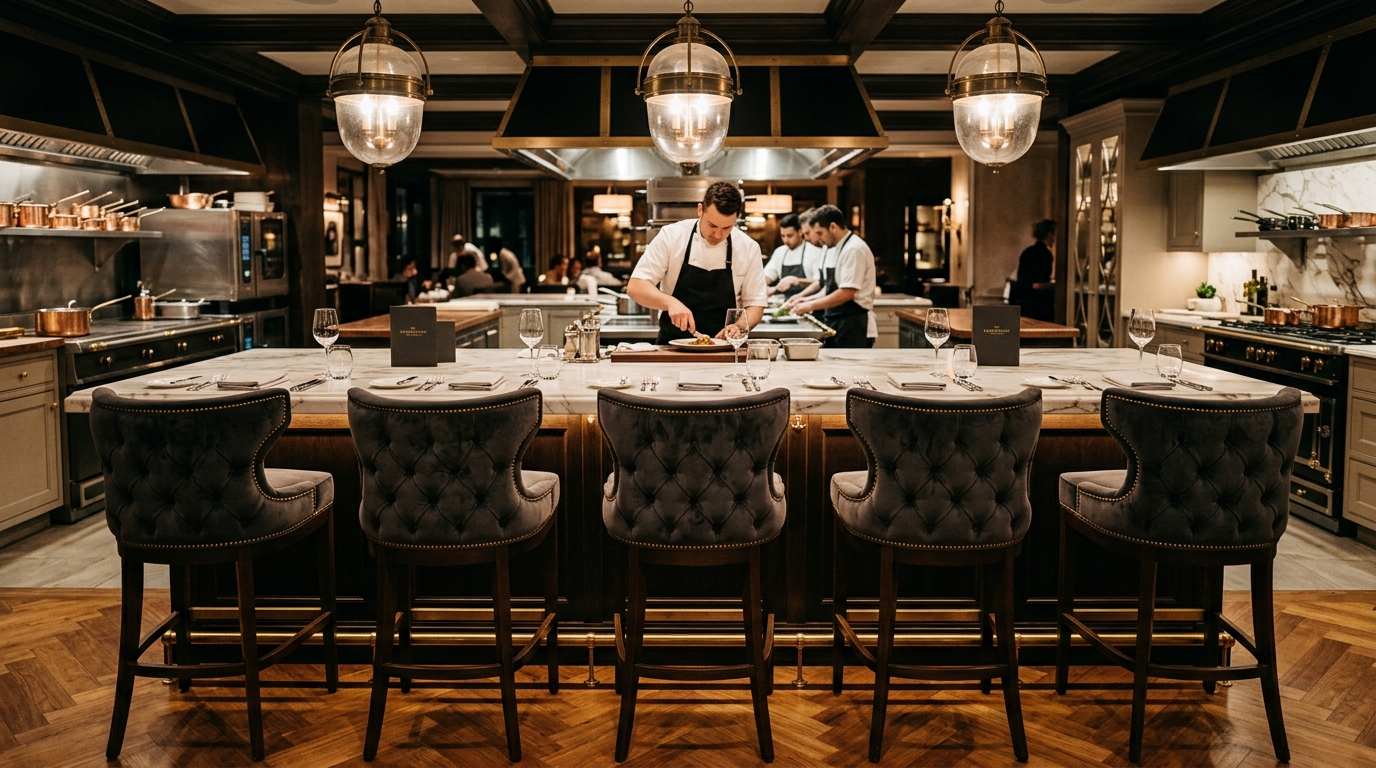
If you want to treat your kitchen island like an upscale restaurant dining experience, upgrading to tall, upholstered wingback stools brings unmistakable formality and sophistication to the room. These substantial stools feature high padded backs, curved side wings, and comfortable armrests that make sitting at the island feel like a true luxury event. Decorative detailing such as antique brass nailhead trim, button tufting, and tailored piping elevates the overall craftsmanship of the kitchen layout. To ensure these formal pieces survive in a food-prep zone, treat the upholstery with a professional-grade fabric protector before installation to repel accidental beverage splashes and food stains.
9. Utilize Adjustable-Height Hydraulic Pedestals
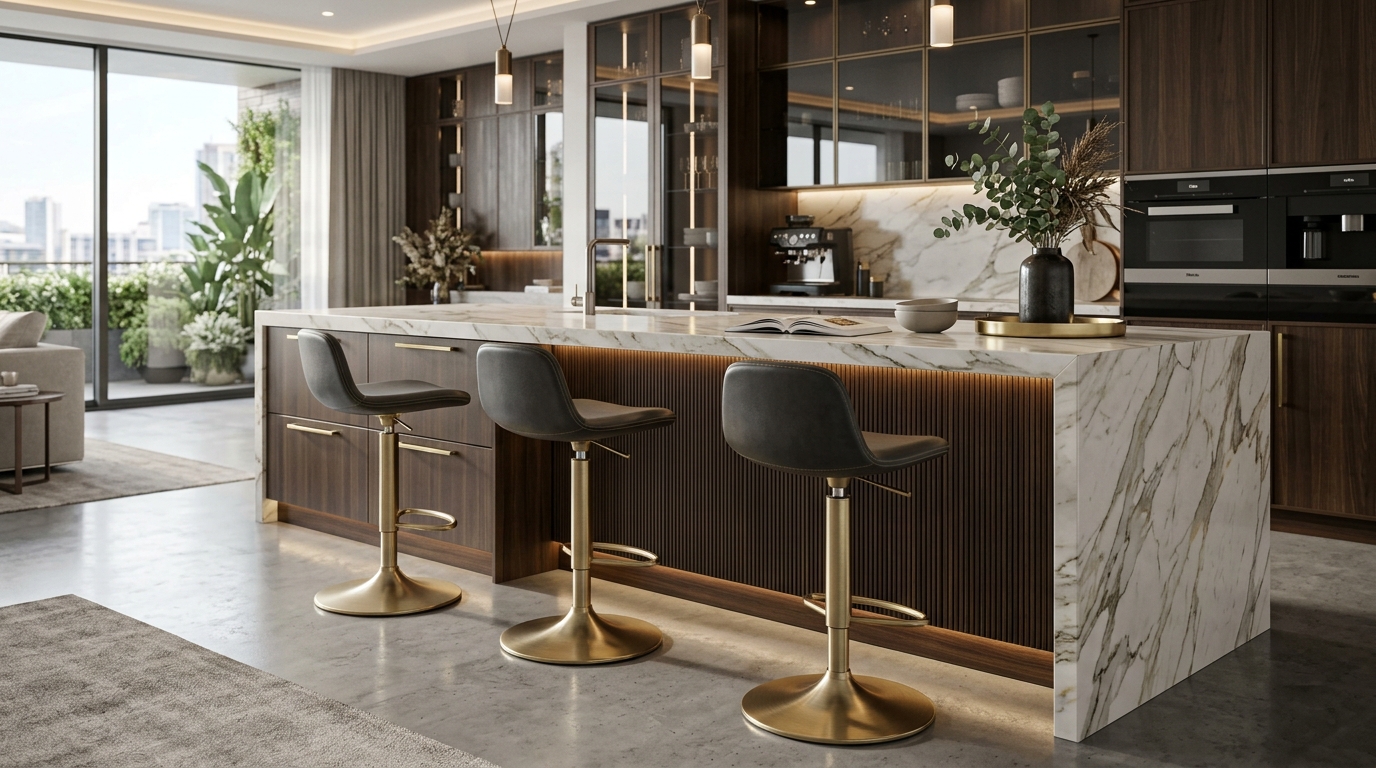
In multi-generational households where toddlers, teenagers, and tall adults all share the exact same kitchen island, static seating heights can leave some family members feeling uncomfortable. Single-pedestal stools equipped with pneumatic hydraulic gas-lift levers offer custom height customization at the push of a button. By simply pulling a subtle lever beneath the seat, anyone can raise or lower the stool by several inches to find their perfect ergonomic dining height. These sleek pedestals typically feature circular trumpet bases in chrome, brushed brass, or matte black, offering a clean, contemporary silhouette that takes up minimal physical square footage on your kitchen floor.
10. Build an Attached Banquette Bench Into the Island
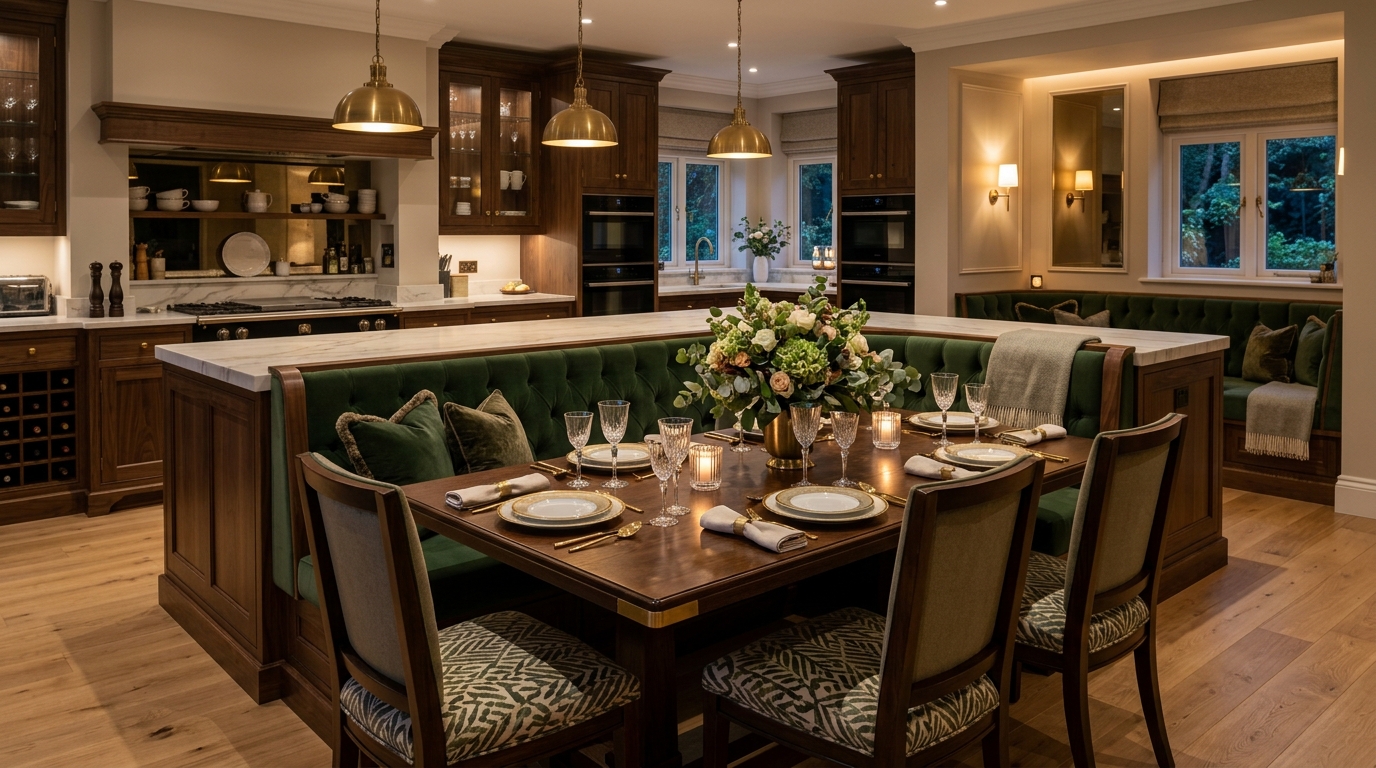
When square footage is tight and you want to maximize seating capacity without overcrowding the walkways around your island, integrating custom booth seating is an extraordinary architectural solution. You can build an upholstered banquette bench directly attached to the back or side panel of your kitchen island, pairing it with a standard dining table and traditional chairs on the opposite side. This built-in configuration eliminates the need for backward chair-sliding clearance on the island side while accommodating large groups of dinner guests in a cozy, restaurant-style booth. Enhancing this setup by coordinating with thoughtful island centerpiece styling creates an intimate, highly structured dining destination right in the middle of your kitchen.
11. Mix Two Different Stool Styles for Visual Contrast
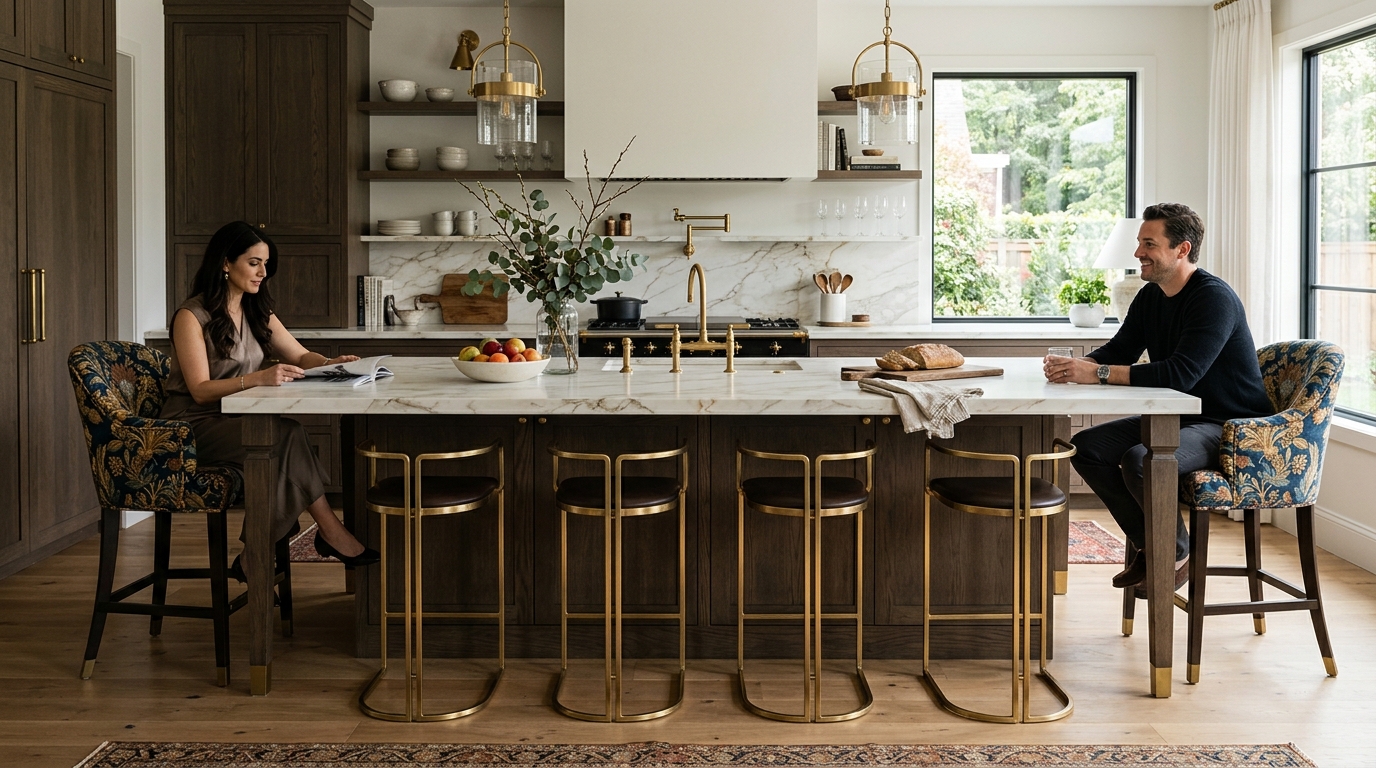
You do not have to purchase an identical, matching set of six bar stools from the same catalog to achieve a designer-curated kitchen layout. In fact, mixing two distinct stool silhouettes breaks up visual monotony and gives your kitchen a custom, collected appearance. For example, place two high-backed statement stools upholstered in patterned fabric at the outer ends of your island, and fill the middle spaces with two simple, backless wood or metal stools. Similar to applying resourceful budget exterior decor principles by mixing high-end focal points with simple supporting elements, combining stool styles creates dynamic visual rhythm across long expanses of countertop.
12. Add Soft Cushioning With High-Performance Fabrics
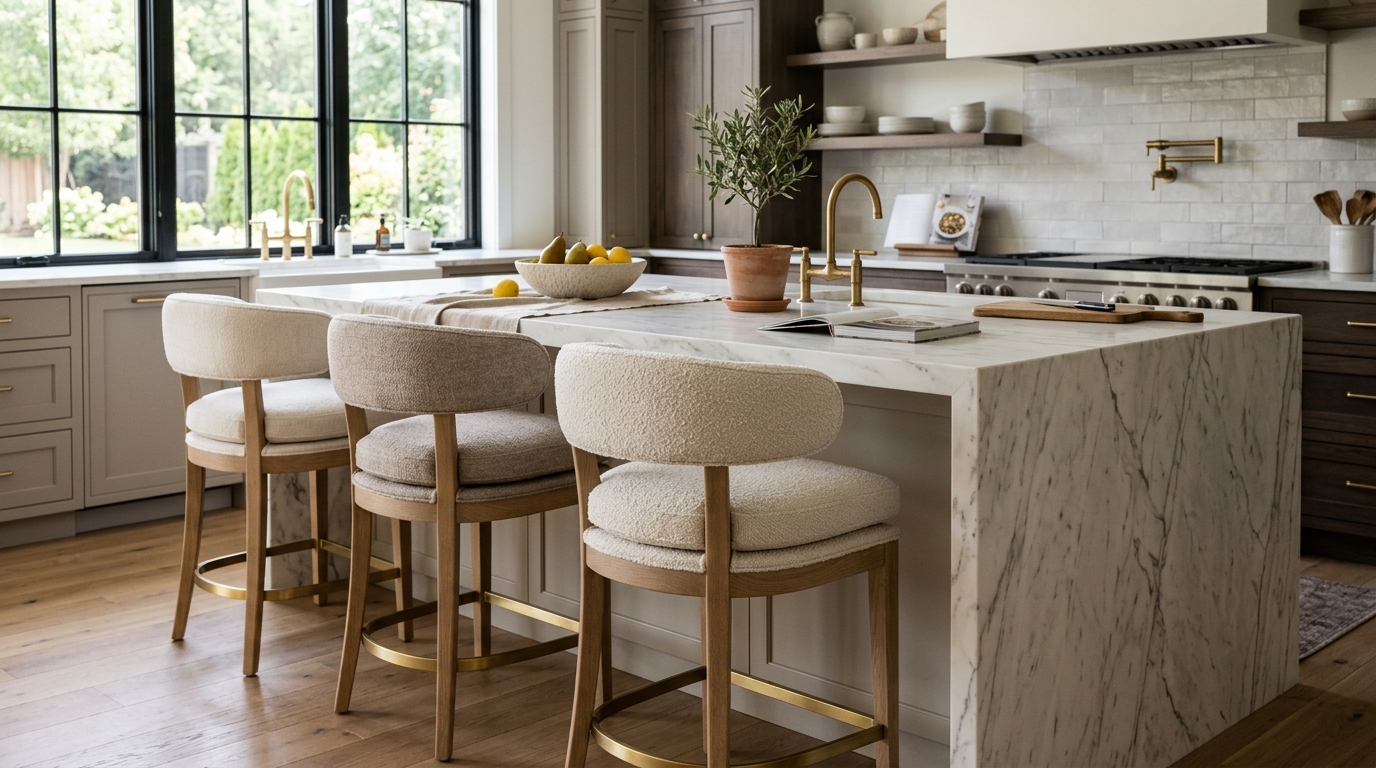
For years, homeowners were warned to avoid upholstered fabric stools in the kitchen due to the constant threat of food stains and cooking grease. The invention of modern high-performance indoor fabrics – such as Crypton, Revolution, and Sunbrella – has completely erased that traditional design limitation. These advanced textiles are engineered with moisture-repelling and stain-resistant properties woven directly into each individual fiber, preventing red wine, coffee, and oil from penetrating the fabric. You can now confidently select soft boucle, textured tweed, or heathered linen upholstery in light cream and taupe shades, enjoying maximum tactile comfort without feeling anxious about everyday household accidents.
13. Integrate Footrests for Proper Ergonomic Posture
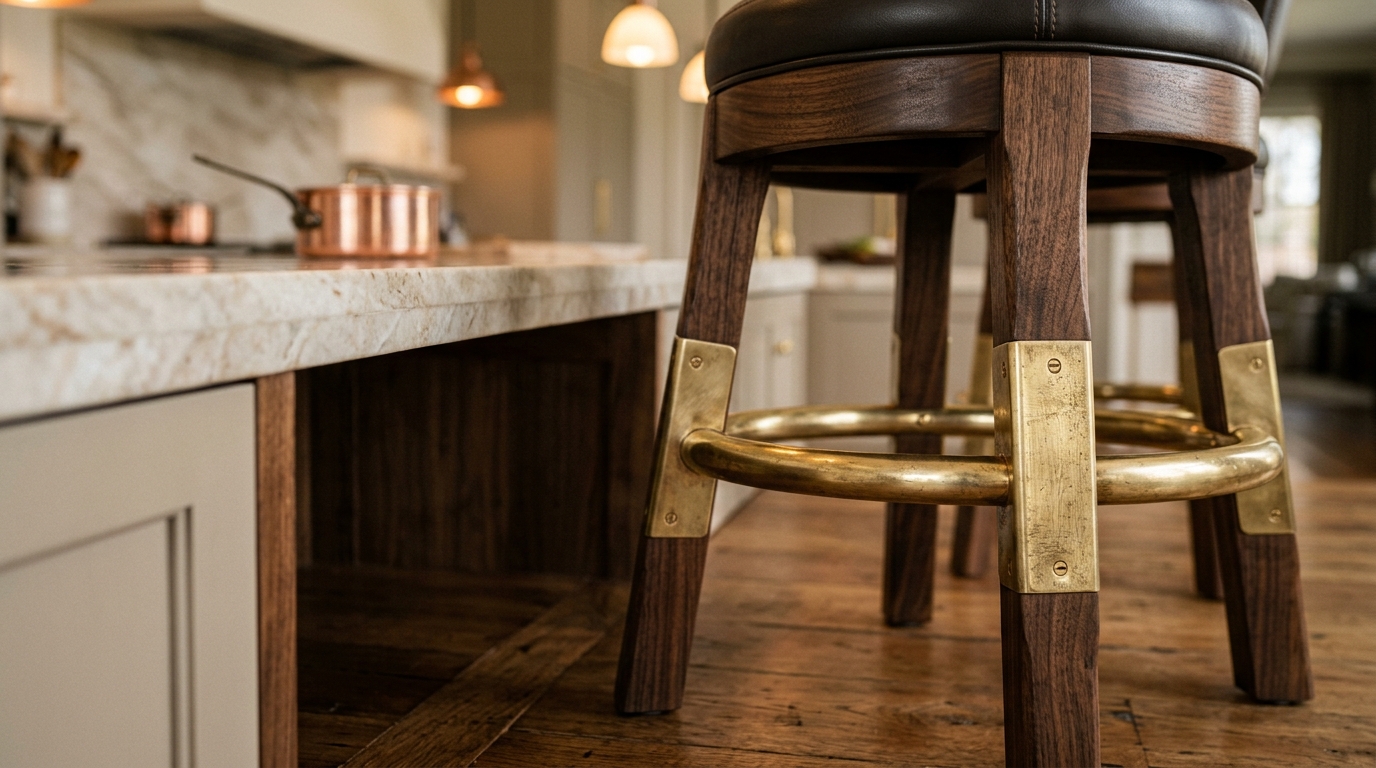
Sitting on an elevated stool without a place to rest your feet causes your legs to dangle awkwardly, putting uncomfortable strain on your lower back and thigh joints over time. Regardless of the style you choose, always verify that your bar stools feature a sturdy horizontal lower crossbar or circular footrest ring positioned roughly 10 to 12 inches off the floor. This simple structural element allows seated guests to ground their posture comfortably. Furthermore, opting for wooden stools with protective metal kickplates wrapped around the footrest bar prevents shoes from chipping away the wood stain or scratching the paint over years of heavy daily climbing.
14. Warm Up Cold Kitchens With Rich Walnut Timbers
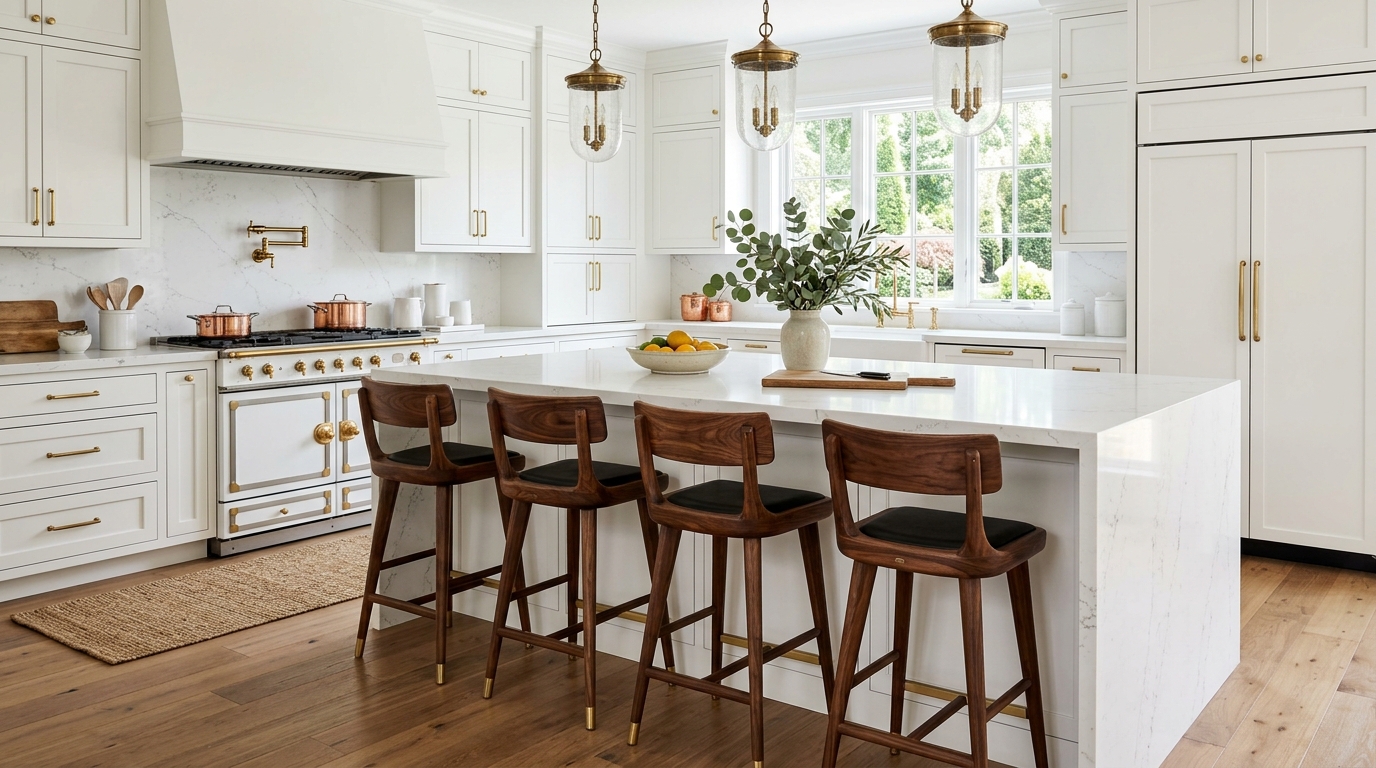
While pale Scandinavian white oak has enjoyed immense popularity in kitchen design, we are seeing a strong design resurgence toward richer, darker wood tones like American walnut, smoked oak, and mahogany. Bringing warm walnut bar stools into an all-white or cool gray kitchen introduces immediate contrast, historical depth, and organic elegance to the room. The chocolatey undertones and visible grain patterns of walnut timber pop brilliantly against white quartz countertops and brass hardware. Echoing the refined, timeless proportions frequently found in classic mid-century office desks, choosing darker timber stools grounds your kitchen seating with undeniable sophistication and enduring architectural style.
15. Use Wire Grid or Acrylic Seats for Visual Lightness
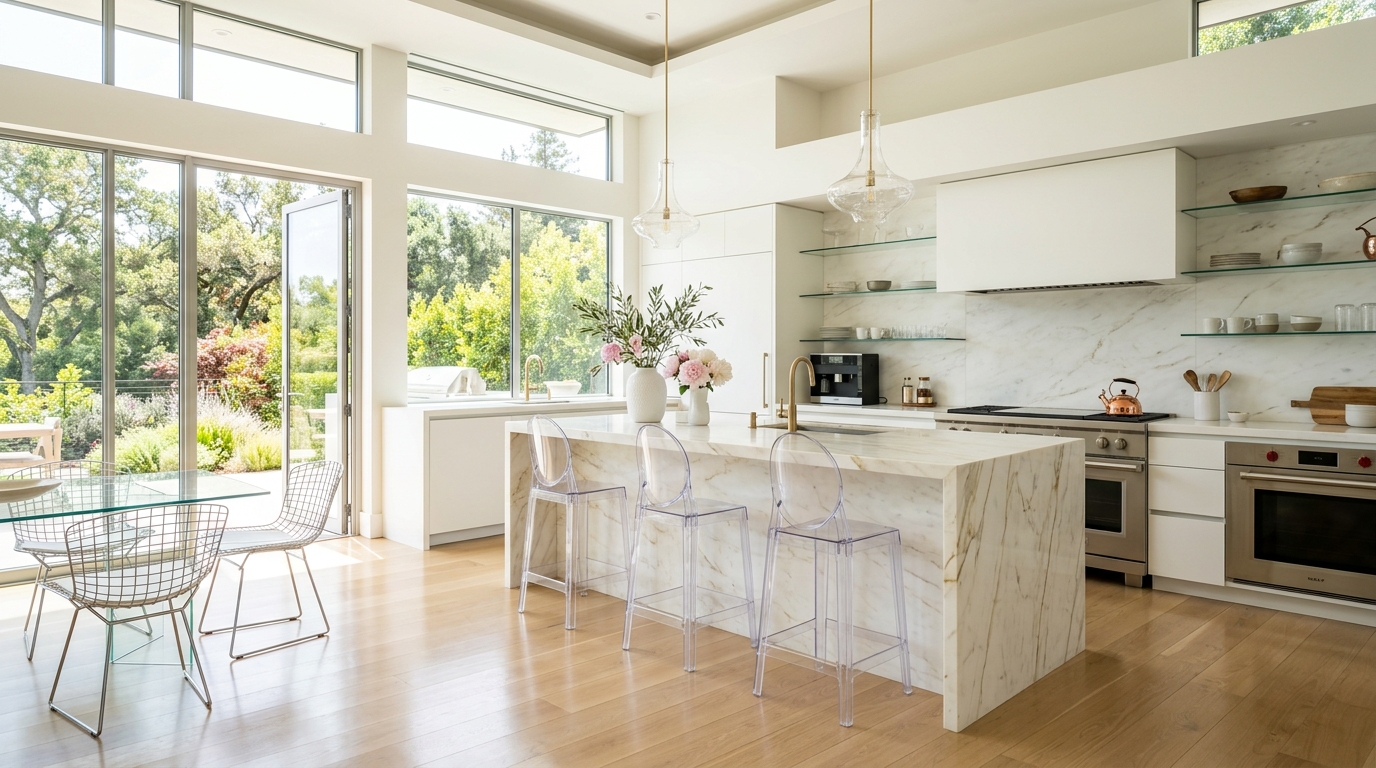
If your kitchen layout is modest in size or lacks abundant natural sunlight from large windows, solid, heavy furniture can easily make the room feel cramped and blocky. Choosing transparent acrylic “ghost” stools or open-weave wire grid chairs is a brilliant visual trick that makes your kitchen look significantly larger than it actually is. Because light and sightlines pass completely through the transparent bodies and open grid work of these stools, they take up virtually zero perceived visual space in the room. You gain full physical seating capacity for four or five people while keeping the island area feeling airy, open, and weightless.
16. Bring in Pops of Color With Painted Wood Frames
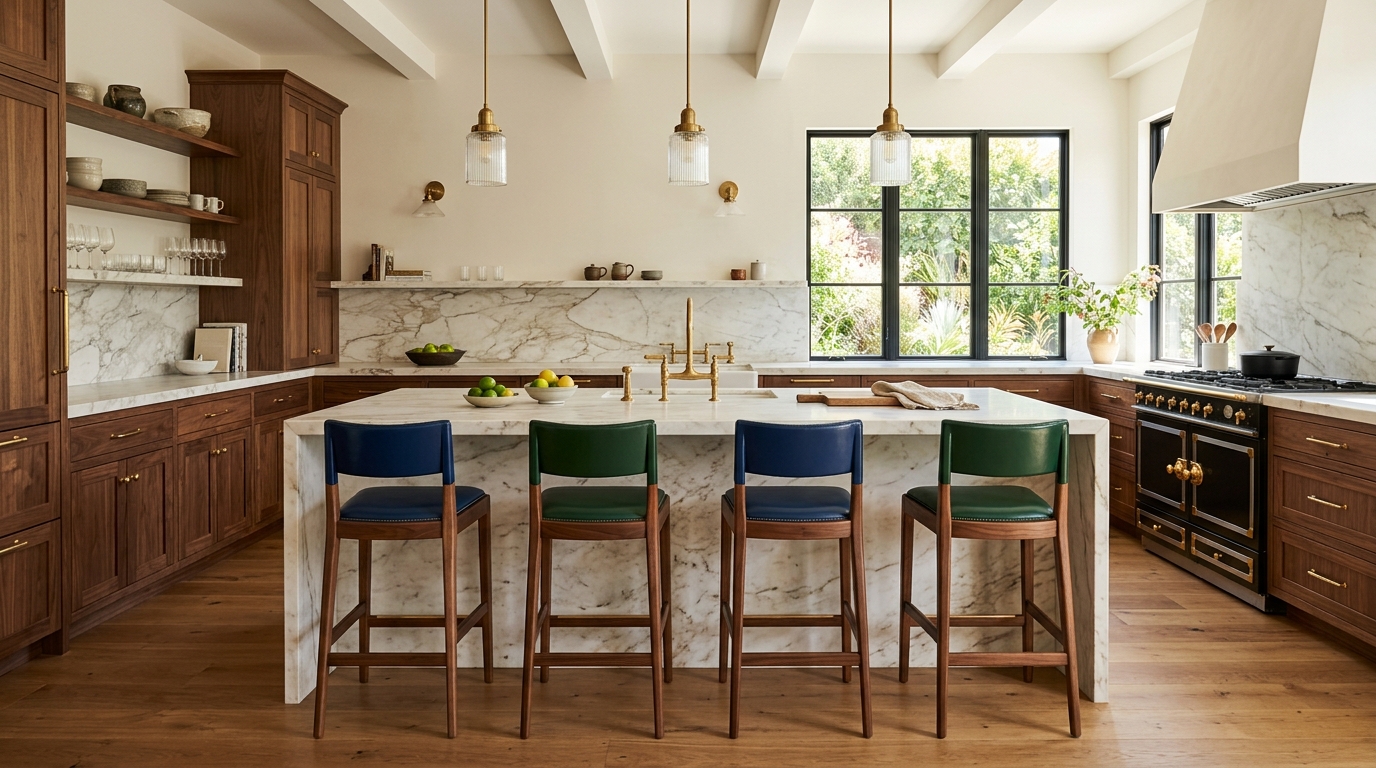
When you want to inject lively personality and color into your kitchen without committing to permanently painting your expensive base cabinets or installing bold backsplash tile, use your bar stools as your color palette canvas. Painting wooden stool frames in rich, saturated shades like navy blue, forest green, terracotta, or mustard ochre adds an exciting splash of vibrancy to a neutral room. If your taste changes in three years, you can easily sand the stools down and repaint them over a single weekend. Much like applying simple vanity painting techniques to update a tired bathroom, colorful stools offer a high-impact, low-risk way to refresh your home’s aesthetic.
Tip: Apply two coats of a durable satin or semi-gloss urethane enamel when painting wood stools yourself, as glossy finishes resist shoe scuffs and clean up much easier than flat paint.
17. Anchor the Arrangement With Non-Slip Rubber Feet
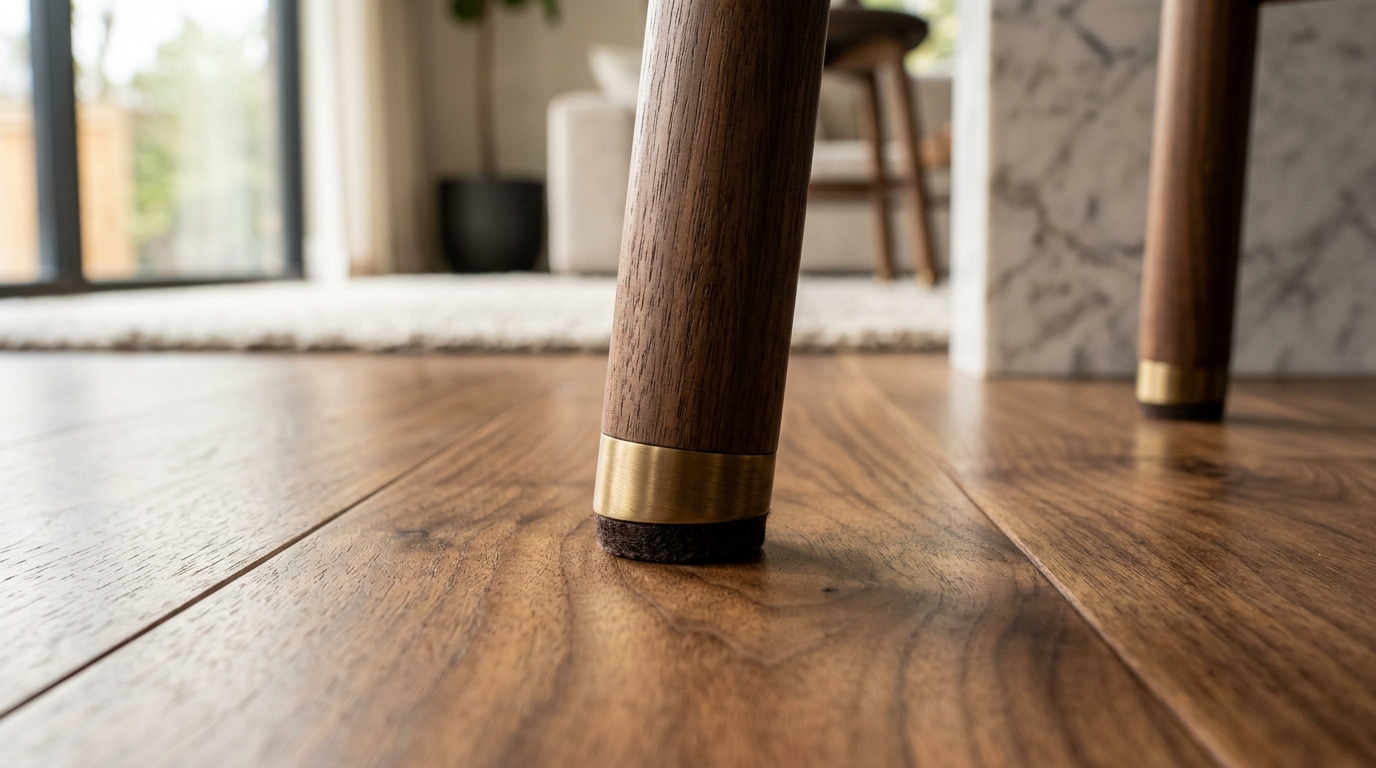
The physical contact point between your bar stools and your kitchen floor is a detail that many homeowners ignore until damage occurs. Hard plastic floor glides or bare metal legs will rapidly scratch expensive hardwood floors and create ear-piercing screeching noises every time a stool is slid across porcelain floor tile. Protect your flooring investment and maintain a peaceful home environment by popping out factory plastic glides and installing heavy-duty, non-slip rubber pads or screw-in thick felt feet on the bottom of every stool leg. Ensuring your seating is stable and floor-safe provides long-lasting durability that rivals structural patio floor upgrades.
18. Coordinate Metal Finishes With Lighting and Faucets
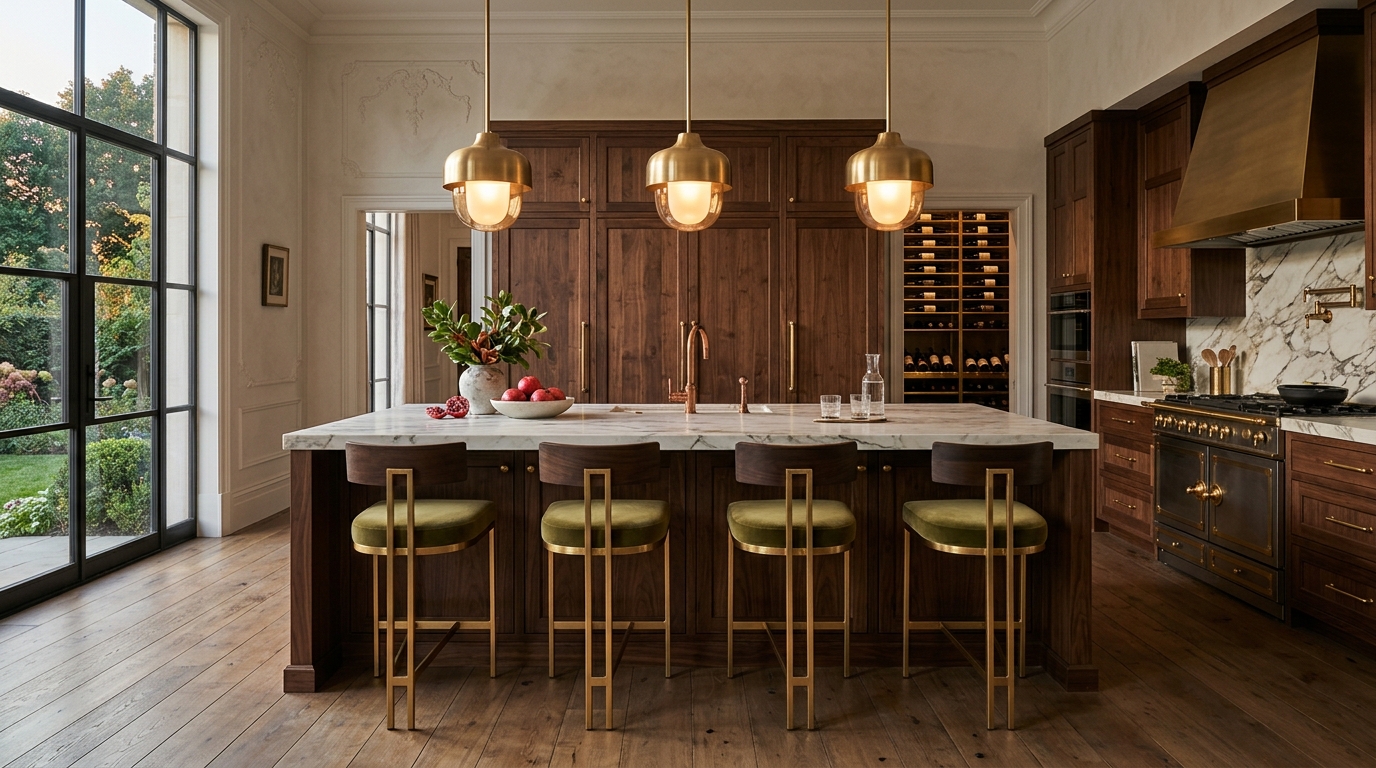
While your bar stool legs do not need to match your kitchen faucet identically, creating intentional hardware cohesion across the room prevents your design from looking chaotic and disjointed. If your kitchen features brushed brass pendant lights hanging over the island and brass cabinet pulls, selecting stools with warm brass legs or subtle brass accents ties the entire vertical space together. Alternatively, if you love mixing metals, pair matte black stool bases with polished nickel plumbing fixtures to create a deliberate, high-contrast layer. Paying disciplined attention to these metallic details ensures your seating feels like an integrated, professional part of your overall kitchen architecture.
Final Thoughts on Kitchen Seating
Selecting the right bar stools is ultimate proof that functional kitchen seating can serve as a stunning decorative centerpiece for your home. By taking accurate height measurements, prioritizing lumbar back support, and utilizing durable materials like wipeable faux leather and high-performance fabrics, you create a comfortable gathering space your family will enjoy daily. Remember to leave plenty of elbow room along your countertop and use clever design tricks like backless silhouettes or transparent materials to keep small kitchens feeling open and bright. Take your time testing seat depths, coordinate your metal leg finishes with your lighting fixtures, and enjoy transforming your kitchen island into the most popular destination in your house.
Frequently Asked Questions
How much overhang do I need on a kitchen island for bar stools?
For comfortable seating without banging your knees against the cabinets, a standard kitchen island should have a countertop overhang projecting between 10 and 12 inches from the base cabinet wall. If you are taller than average or using raised 42-inch bar stools, extending that overhang to 15 inches provides optimal legroom and physical comfort.
What is the difference between counter height and bar height stools?
Counter-height stools have a seat elevation measuring between 24 and 26 inches off the floor, designed specifically to fit standard 36-inch residential kitchen countertops. Bar-height stools feature a taller seat elevation measuring between 28 and 30 inches, engineered to fit raised 42-inch commercial-style breakfast bars and restaurant tables.
How many bar stools can I fit around my kitchen island?
To determine seating capacity, allow a minimum width of 24 inches of countertop length for each bar stool. For example, a 6-foot (72-inch) island comfortably accommodates three stools, while an 8-foot (96-inch) island can fit four stools with plenty of elbow room for eating and socializing without feeling crowded.
How do I stop my bar stools from tipping over when kids climb on them?
To prevent dangerous tipping, choose bar stools designed with a wide, splayed four-leg base rather than narrow single-pedestal tulip bases. Additionally, opting for stools made from heavy materials like solid oak or wrought iron, and adding non-slip rubber grippers to the feet, significantly increases stability when young children climb up to sit.
We would love to help you continue designing every room in your house with professional ease – head over to our main blog for more interior styling resources and expert home inspiration. Make sure to bookmark this comprehensive guide, share it with a friend who is remodeling their kitchen, and start building the welcoming, comfortable seating area your home deserves today!