
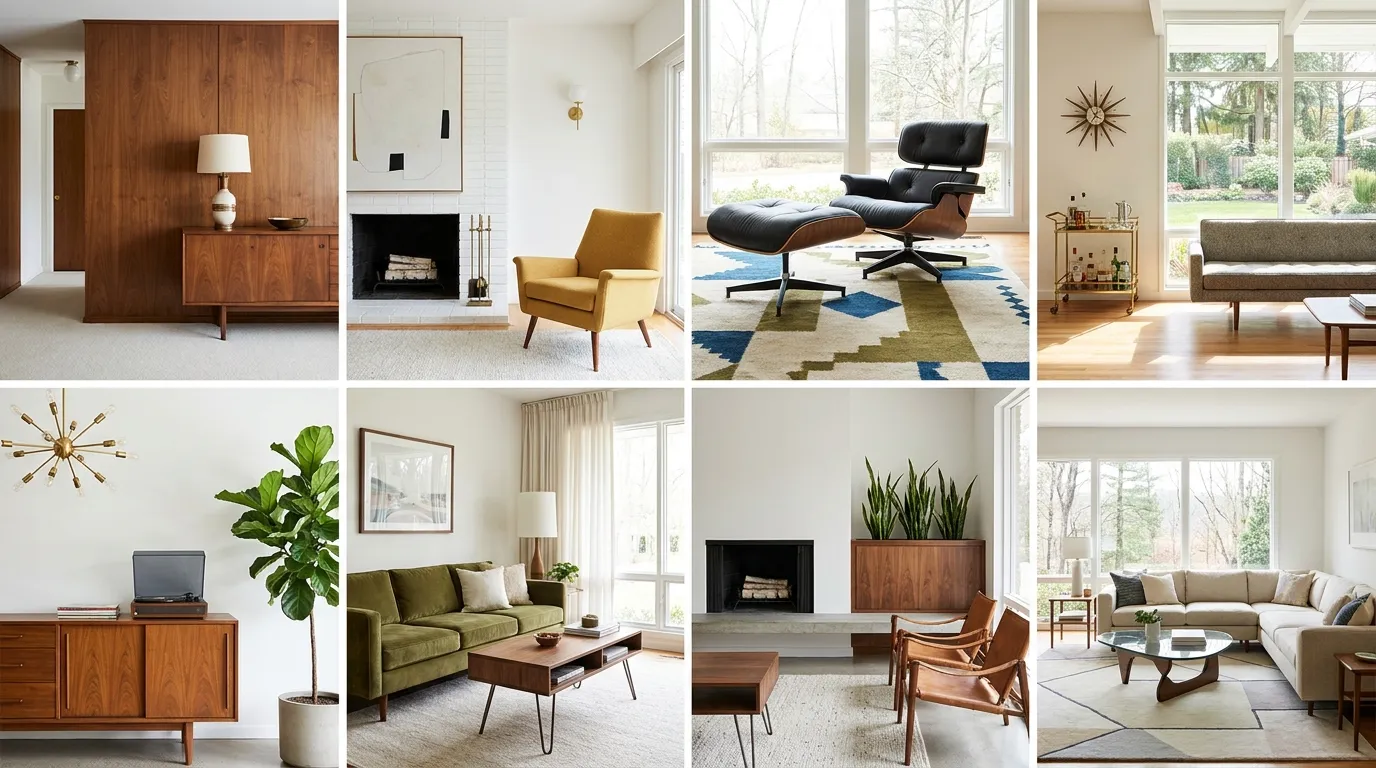
Mid-Century Modern (MCM) is more than just a design trend; it is a cultural movement that celebrates the marriage of organic forms and functional minimalism. In 2026, we are seeing a massive resurgence of this style, but with a more refined, “Sustainable Luxury” edge. Finding the right 25 Mid-Century Modern Living Room Secrets is about understanding how to blend the nostalgia of the 1950s with the high-tech, airy needs of today’s urban dweller. At Trendy Home Bloom, we believe that an MCM room should feel like a bridge between history and the future.
The secret to a successful MCM space is “Rhythm.” It’s the way a tapered wooden leg interacts with a geometric rug, or how a bold pop of mustard yellow breaks a neutral palette. Whether you are a purist looking for authentic vintage vibes or someone who enjoys blending vintage artifacts with contemporary lines, these 25 secrets will help you master the look. Let’s help your living space bloom into a retro-modern masterpiece.
1. The “Leggy” Aesthetic for Visual Space
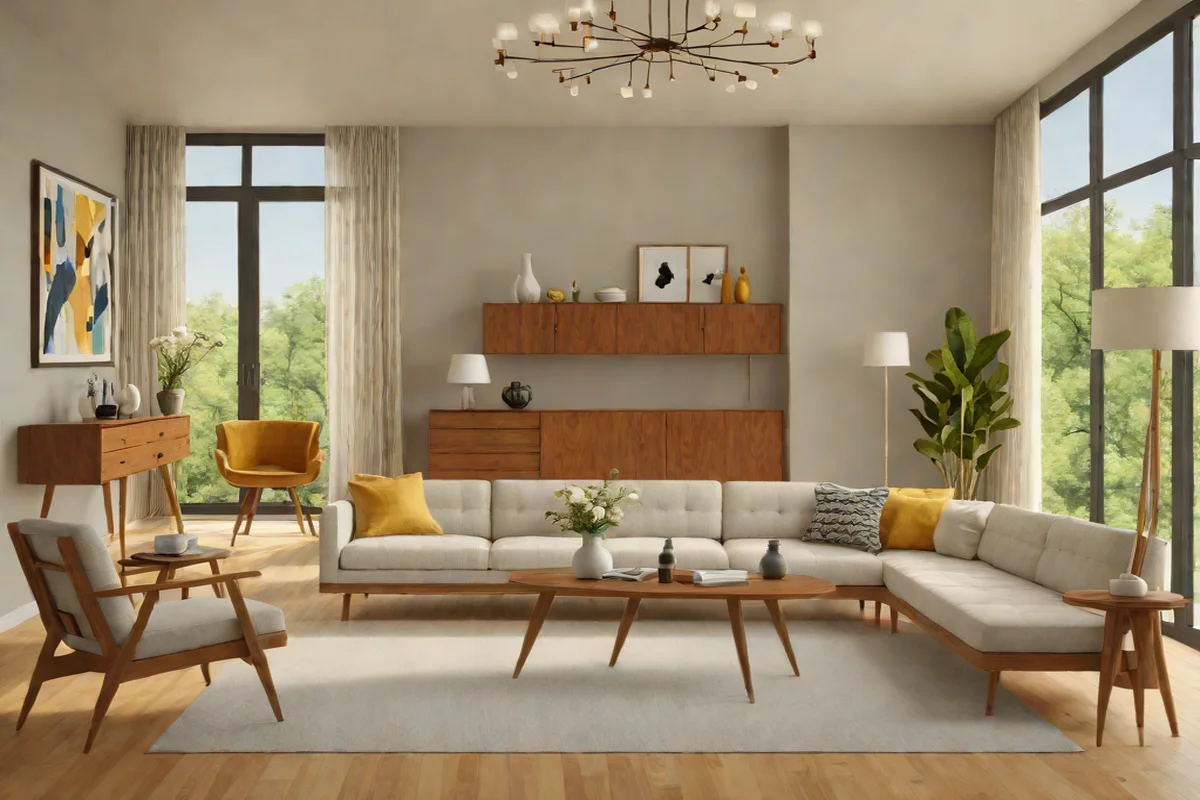
The most recognizable secret of Mid-Century Modern design is the “Tapered Leg.” Whether it’s your sofa, your coffee table, or your sideboard, furniture in this style almost always sits high on slim, slanted wooden or metal legs. This creates a sense of “Visual Weightlessness.” When you can see the floor continuing underneath your furniture, the room feels much more expansive and airy. It’s a professional trick that allows light to flow uninterrupted through the layout.
2. Walnut Wood as the Hero Material
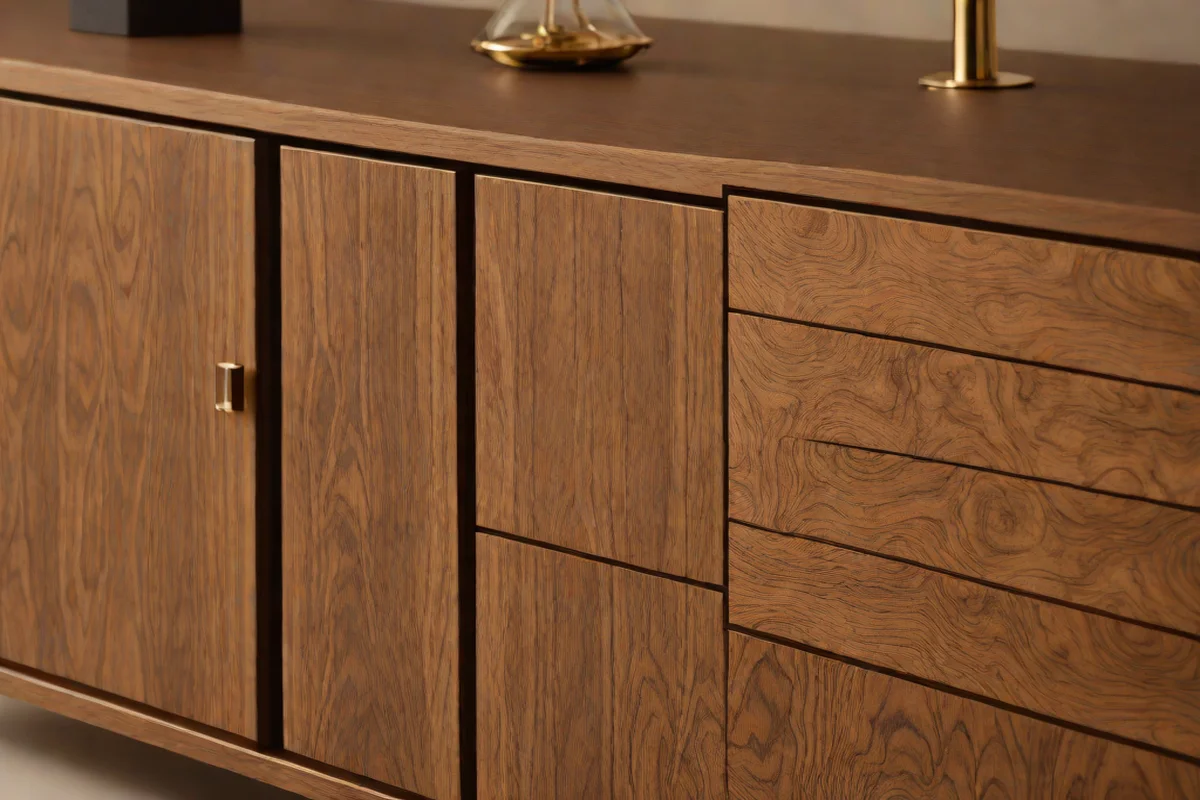
While oak and pine have their place, MCM design is defined by the rich, warm tones of Walnut. This dark, grained wood provides an immediate sense of “Organic Luxury.” To keep your room looking professional and not like a time capsule, ensure your walnut pieces have a matte or satin finish. The deep brown hues of walnut act as a natural anchor, providing a sophisticated warmth that balances out the cooler metallic accents often found in modern homes.
3. Maintain a Low-Profile Horizon
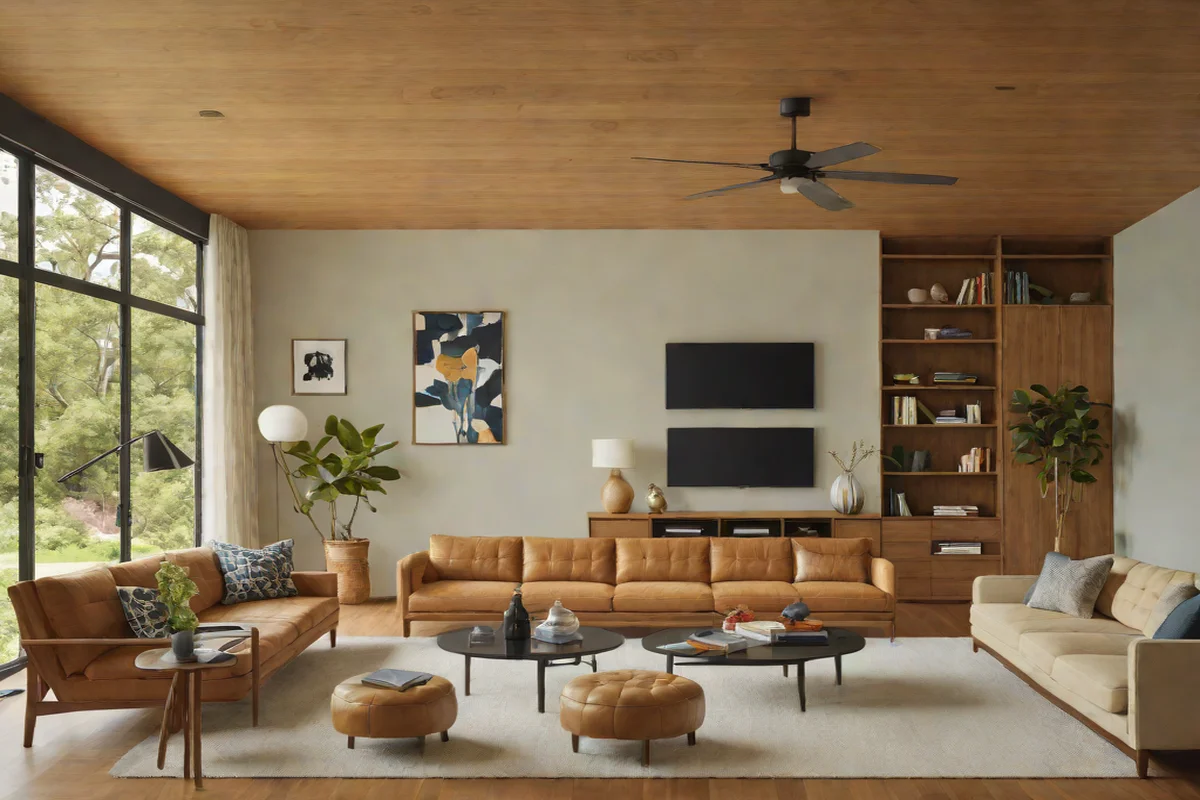
MCM furniture is famously “Low-Slung.” By keeping your sofa and chairs lower to the ground, you create a long, horizontal line of sight that makes your ceilings feel significantly taller. This “Low-Profile” philosophy encourages a relaxed, lounge-style atmosphere. It’s about creating a room that feels grounded and approachable, where the architecture of the space is just as important as the furniture inside it.
4. Statement Windows and “Clerestory” Light
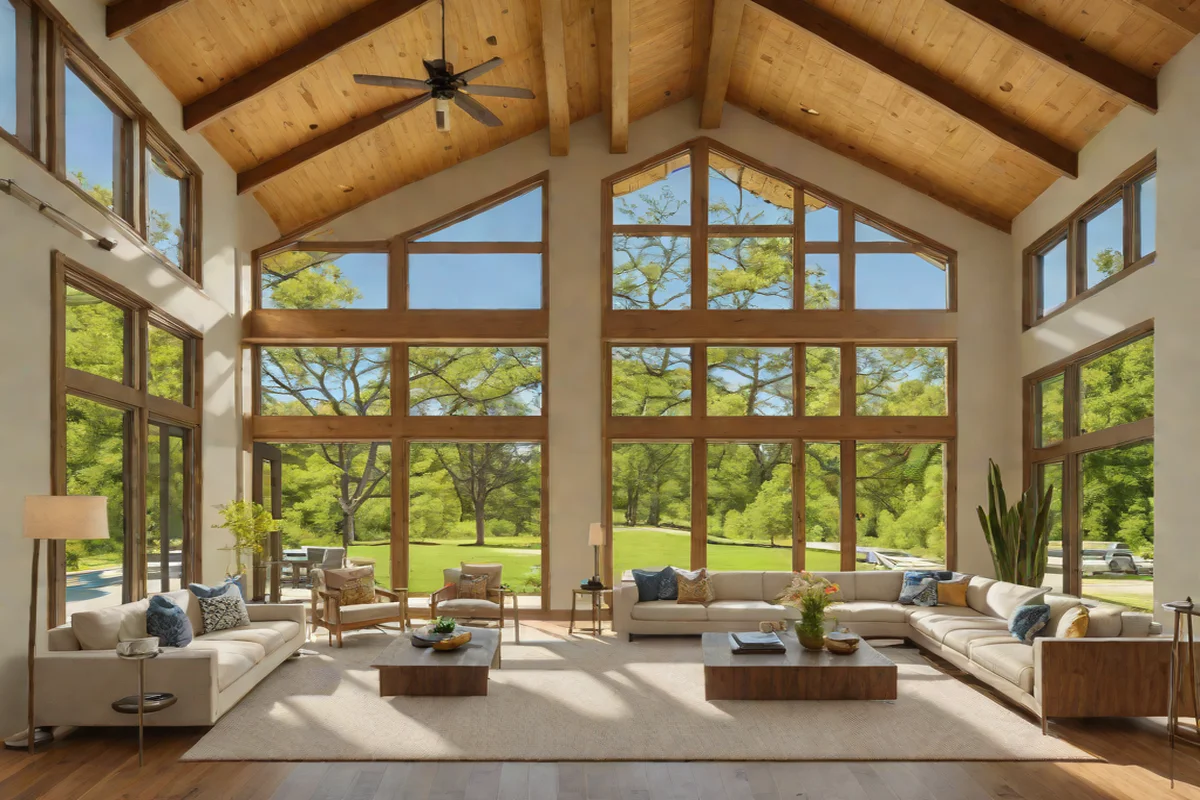
Mid-century architects were obsessed with natural light. If you have the architecture, prioritize large, floor-to-ceiling windows with minimal treatments. If you are retrofitting a space, use “Clerestory” windows (small windows high up on the wall). These allow sunlight to flood the room while maintaining privacy. Light is the most important “Decor Material” in an MCM room, highlighting the textures of the wood and the bold colors of the upholstery.
5. The Power of the “Iconic” Statement Chair
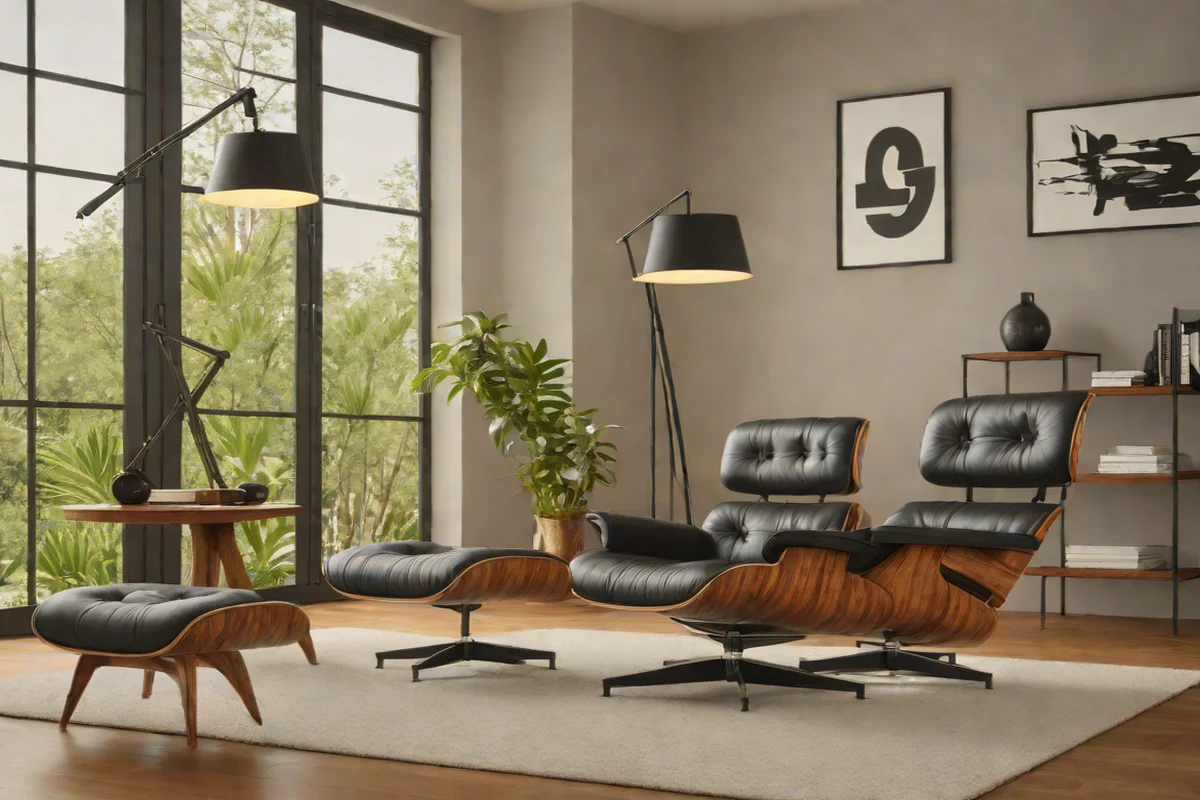
Every MCM living room needs a “Hero.” This is usually an iconic piece of seating like an Eames Lounge Chair, a Wegner Wing Chair, or a Saarinen Womb Chair. These pieces are not just furniture; they are functional sculptures. Placing one iconic chair in a corner with a dedicated floor lamp creates a high-end “Design Moment” that anchors the entire room’s aesthetic. If you’re curious about which icons are trending now, see our latest trend breakdowns.
6. Geometric Rug Patterns for Structural Depth
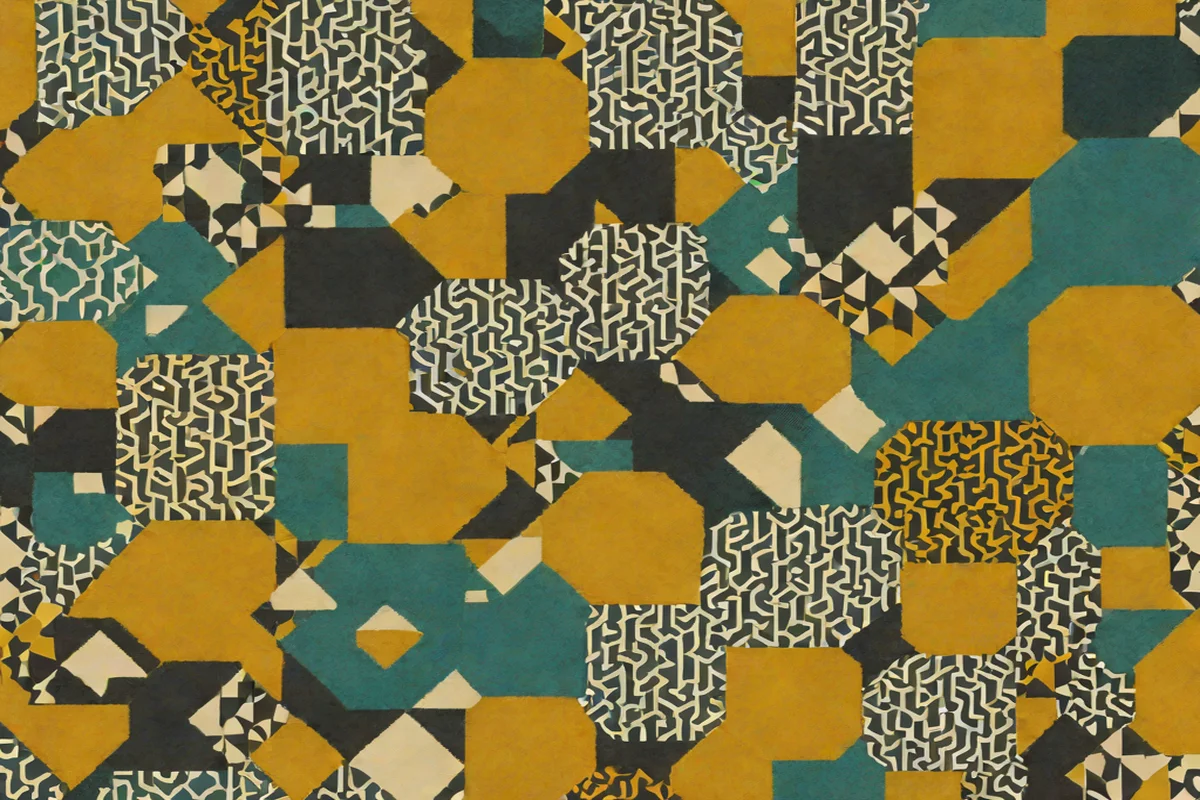
To add a layer of “Graphic Interest,” use an area rug with large-scale geometric patterns. Think triangles, chevrons, or abstract interlocking shapes in muted earth tones. The rug acts as the “Floor Art” that ties the furniture together. Ensure the rug is large enough that all front legs of the furniture sit on it, creating a cohesive island of retro style.
7. Embrace “Kidney” and Organic Shapes
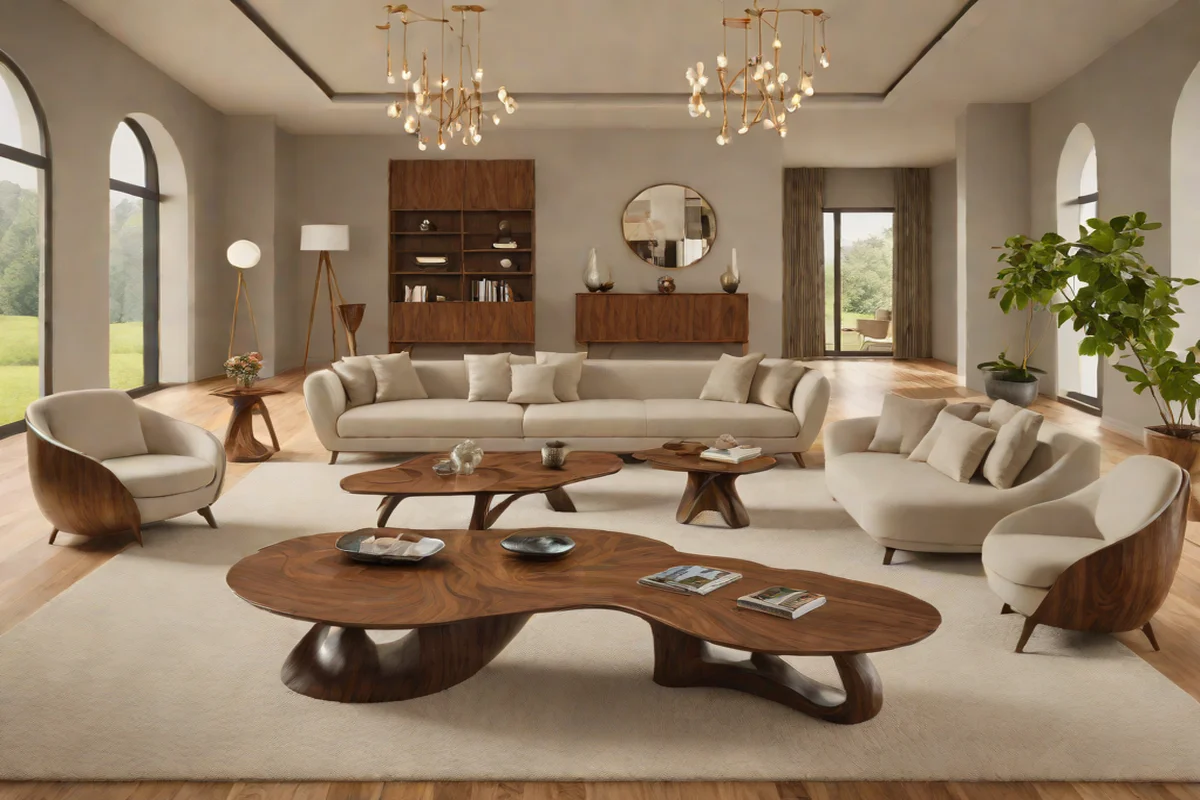
Move away from rigid rectangles. MCM design celebrates the “Biomorphic” or organic shape. A kidney-shaped coffee table or a “Pebble” side table introduces a soft, flowing energy to the room. These curves break the “Boxy” feel of most modern apartments and provide a sophisticated, architectural rhythm that feels natural and welcoming.
8. The “Pop” of Saturated Earth Tones
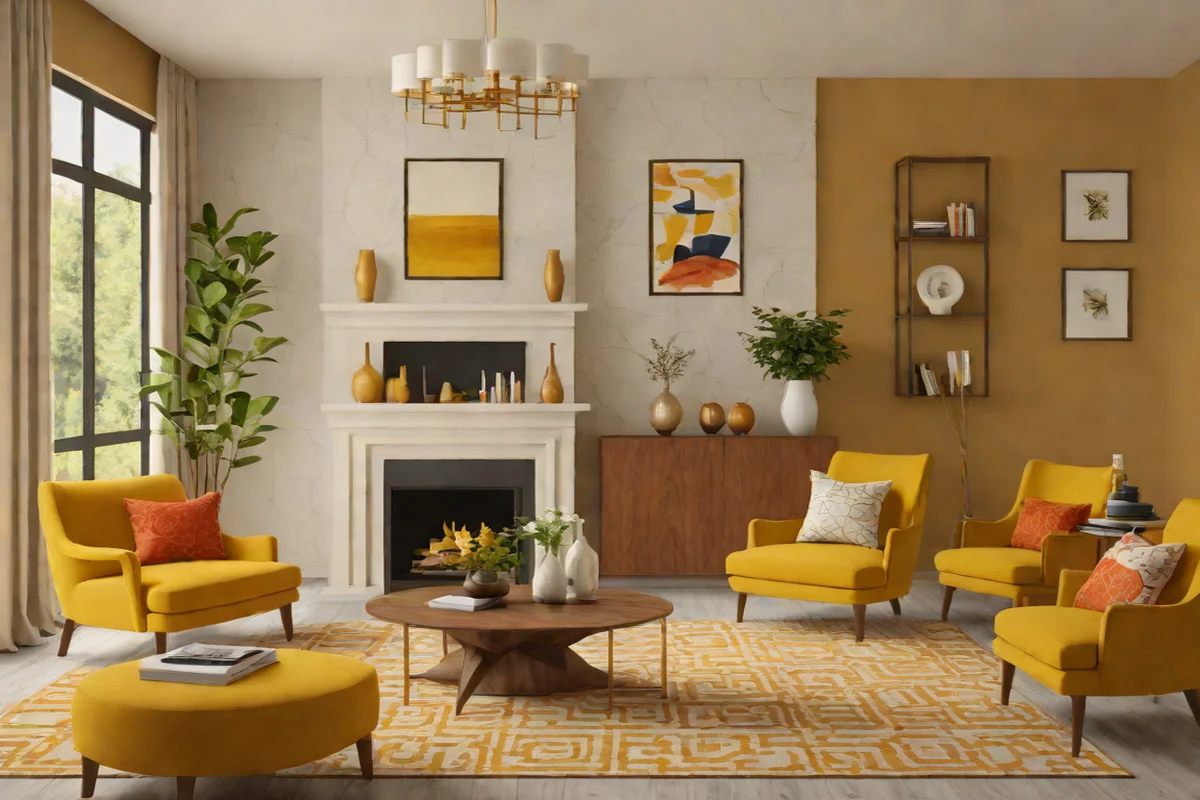
While the base of an MCM room is often neutral (whites and woods), the secret to its energy is the “Pop” of color. Think Mustard Yellow, Teal, Burnt Orange, or Avocado Green. Use these colors on a single accent chair, a few throw pillows, or a piece of abstract art. These colors reflect the optimistic spirit of the mid-century era and keep the room from feeling flat or sterile.
9. Biophilic Roots: The Indoor-Outdoor Connection
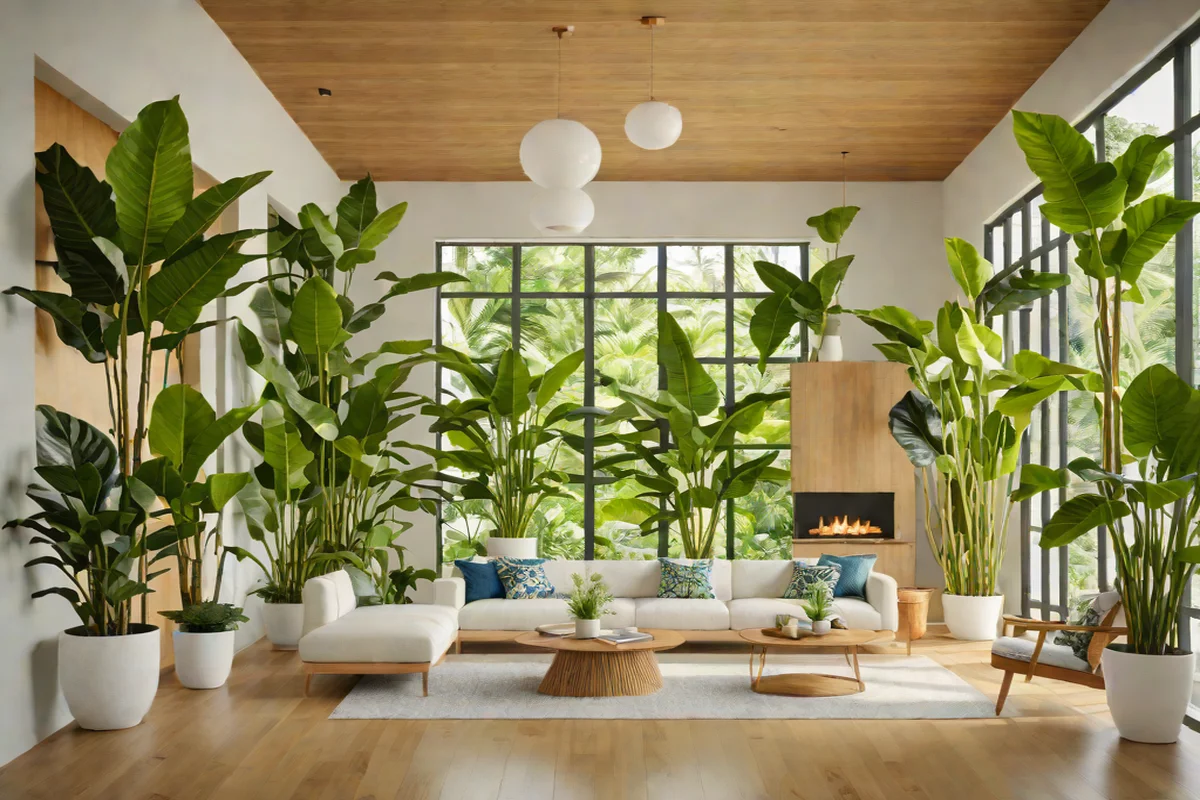
Long before “Biophilic Design” was a buzzword, MCM was doing it. The secret is to bring the outdoors in. Use large-scale indoor plants like Snake Plants or Monstera Deliciosa. Place them in “Bullet Planters” or wooden stands to elevate them. This connection to greenery softens the wood and metal surfaces, making the room feel fresh and “Blooming.”
10. Mixing Materials: Wood, Metal, and Vinyl
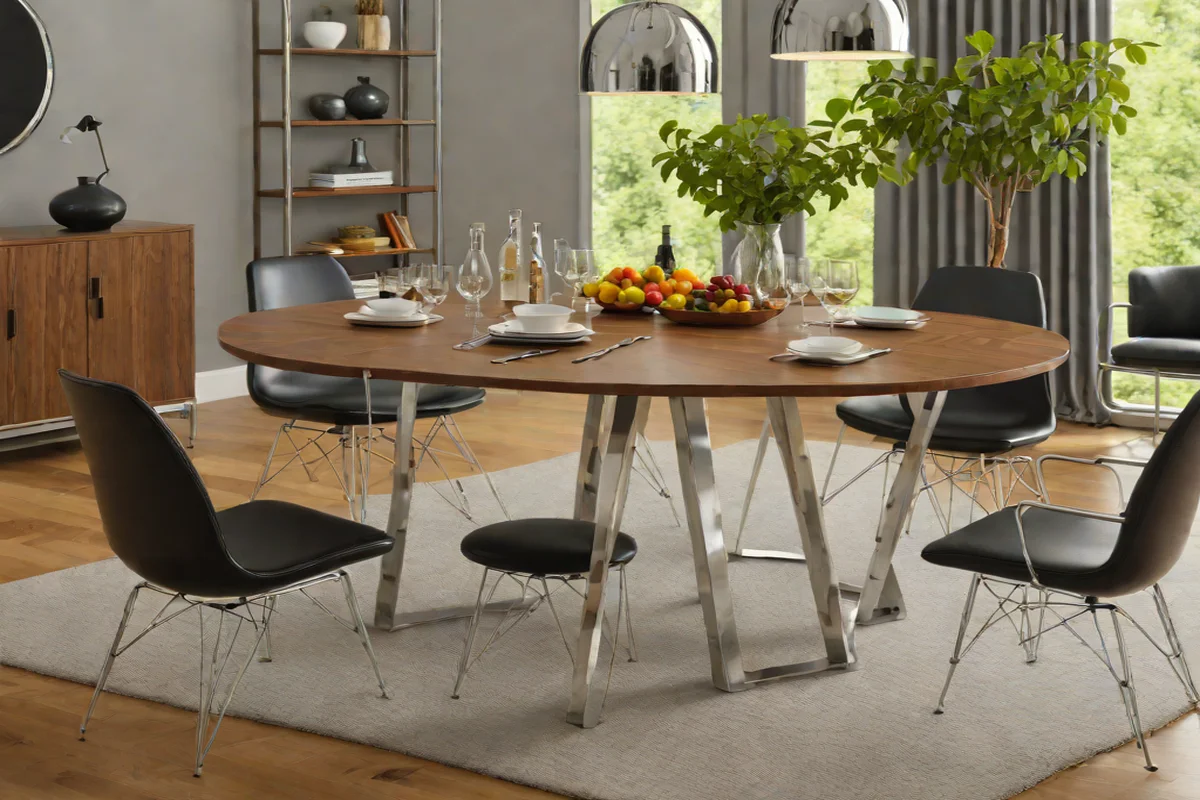
MCM design was the first to truly experiment with “Mixed Materials.” Don’t be afraid to pair a walnut table with chrome-legged chairs and a vinyl-covered ottoman. This contrast between natural and man-made materials creates a “Tactile Tension” that feels incredibly modern and high-end. For a deep-dive into our design philosophy regarding material mixing, explore our core guides.
11. Minimalist Mantels and Fireplaces
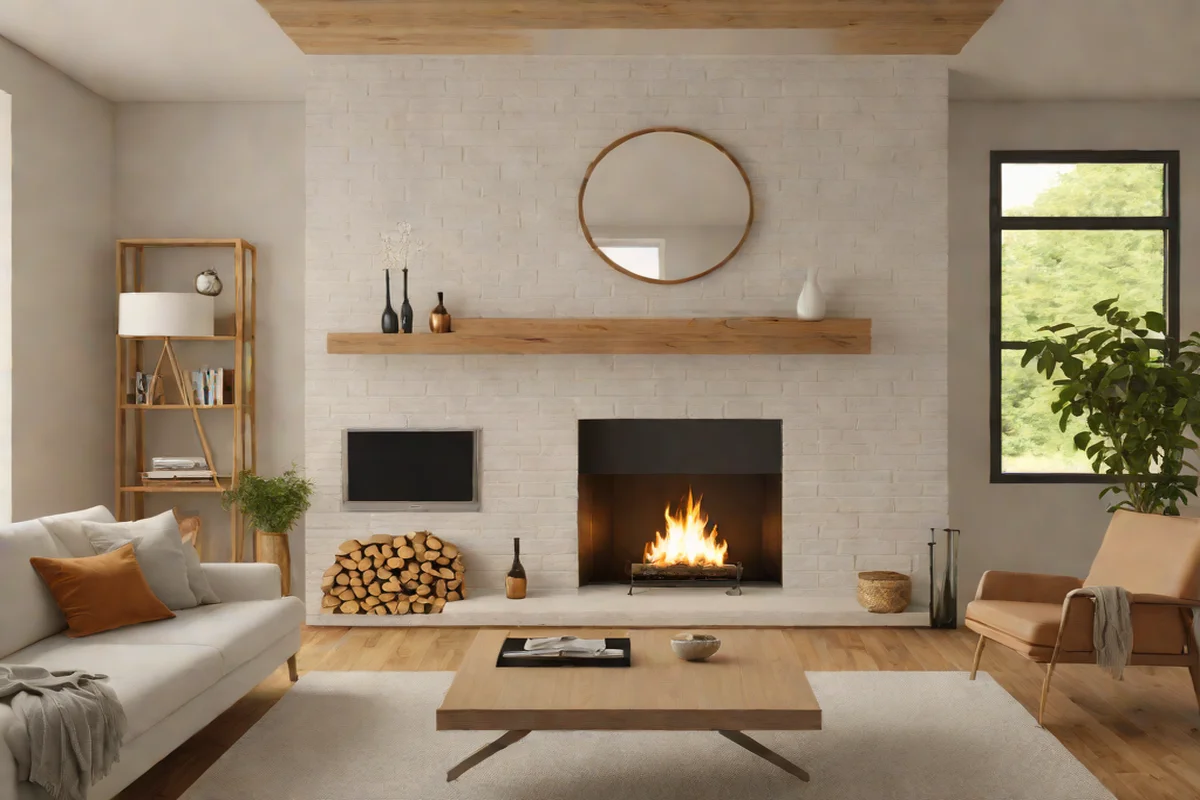
If your living room has a fireplace, keep the mantel minimalist. Avoid cluttered decorations. A single sunburst mirror or one large piece of abstract art above a clean-lined stone or brick hearth is all you need. The fireplace should feel like a structural part of the wall, providing warmth without the visual “noise” of traditional decor.
12. The Bar Cart as Functional Art
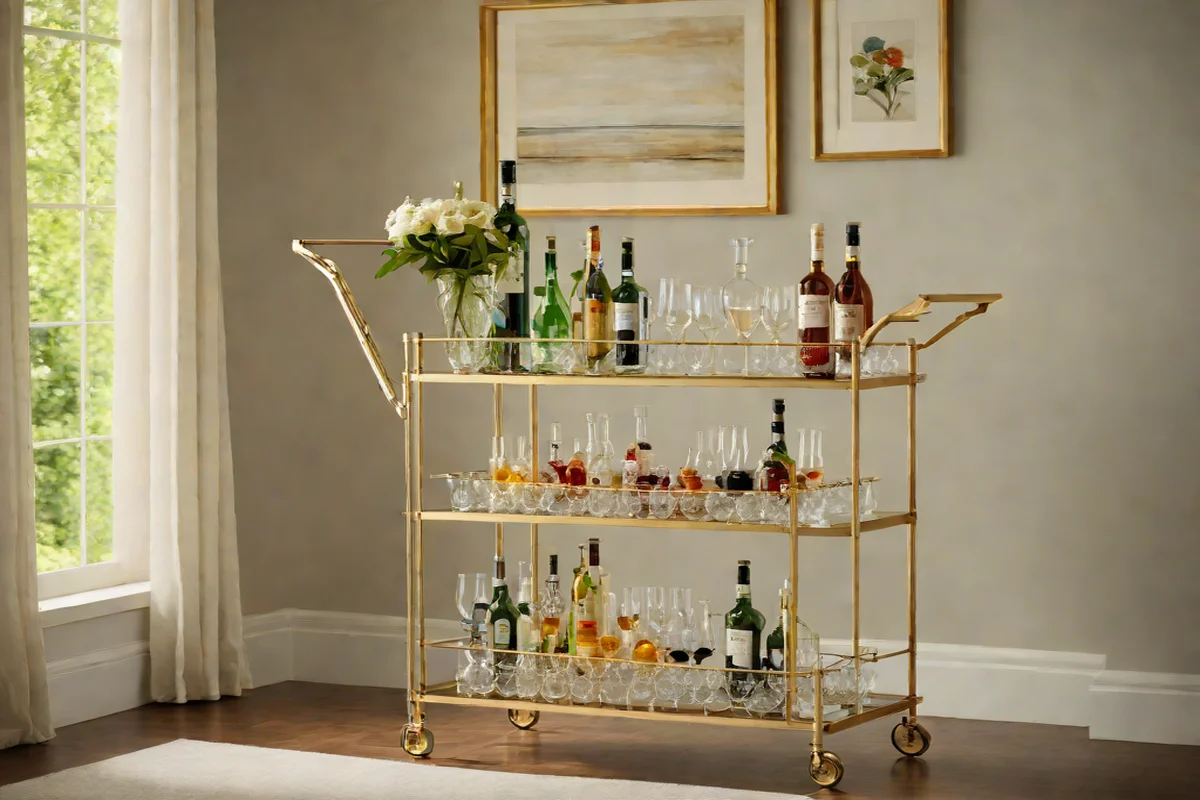
The bar cart is an iconic MCM staple. A brass or chrome cart styled with vintage glassware, a shaker, and a few high-quality bottles adds a layer of “Social Luxury.” It suggests a lifestyle of entertainment and sophistication. Place it near a window or in an unused corner to turn a “Dead Zone” into a high-end destination.
13. Large-Scale Graphic Wall Art
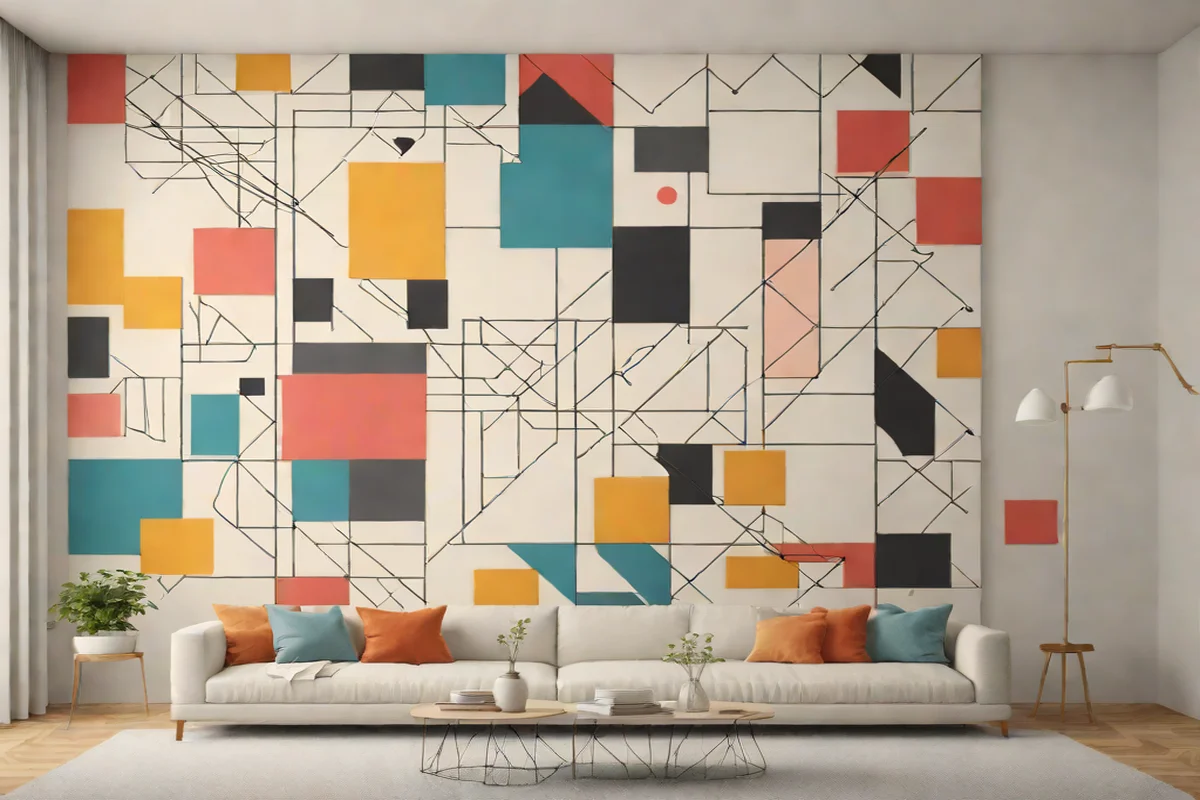
MCM walls love “Negative Space,” but they also need a focal point. Use one or two large-scale pieces of graphic art – think bold blocks of color or simple line drawings. This simplifies the visual narrative and tricks the brain into thinking the room is much larger and more “Gallery-like” than it actually is.
14. The “Floating” Layout Strategy
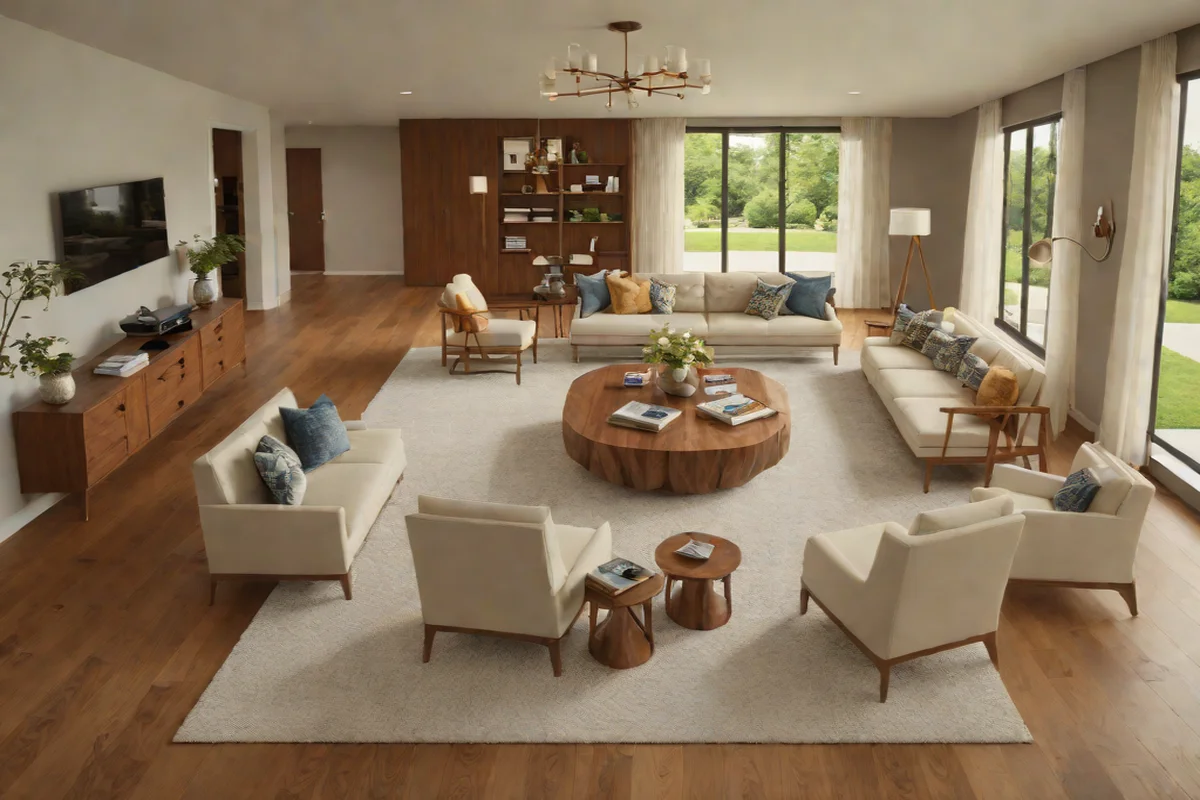
In an MCM room, furniture should never be pushed flat against the walls. “Floating” your sofa in the middle of the rug allows for better traffic flow and makes the room feel more breathable. It shows off the beautiful “Back-Design” of mid-century furniture, which was often intended to be seen from all angles.
15. Sputnik Chandeliers for Retro Sparkle
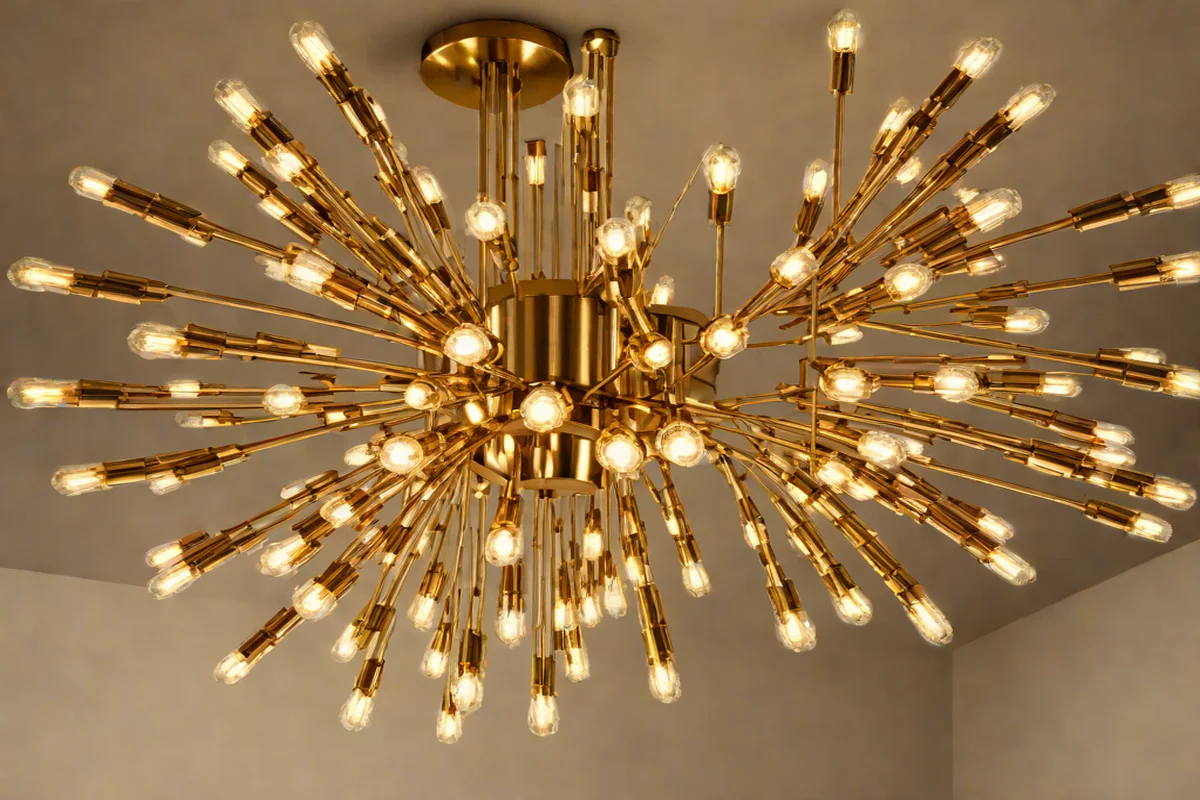
Lighting is the “Jewelry” of the MCM room. The Sputnik chandelier – with its multiple arms radiating from a central point – is the ultimate retro statement. It adds a “Futuristic” sparkle and provides a rhythmic focal point for the ceiling. Use warm-toned bulbs to ensure the light is soft and inviting rather than harsh and clinical.
16. Texture Play: Bouclé meets Walnut
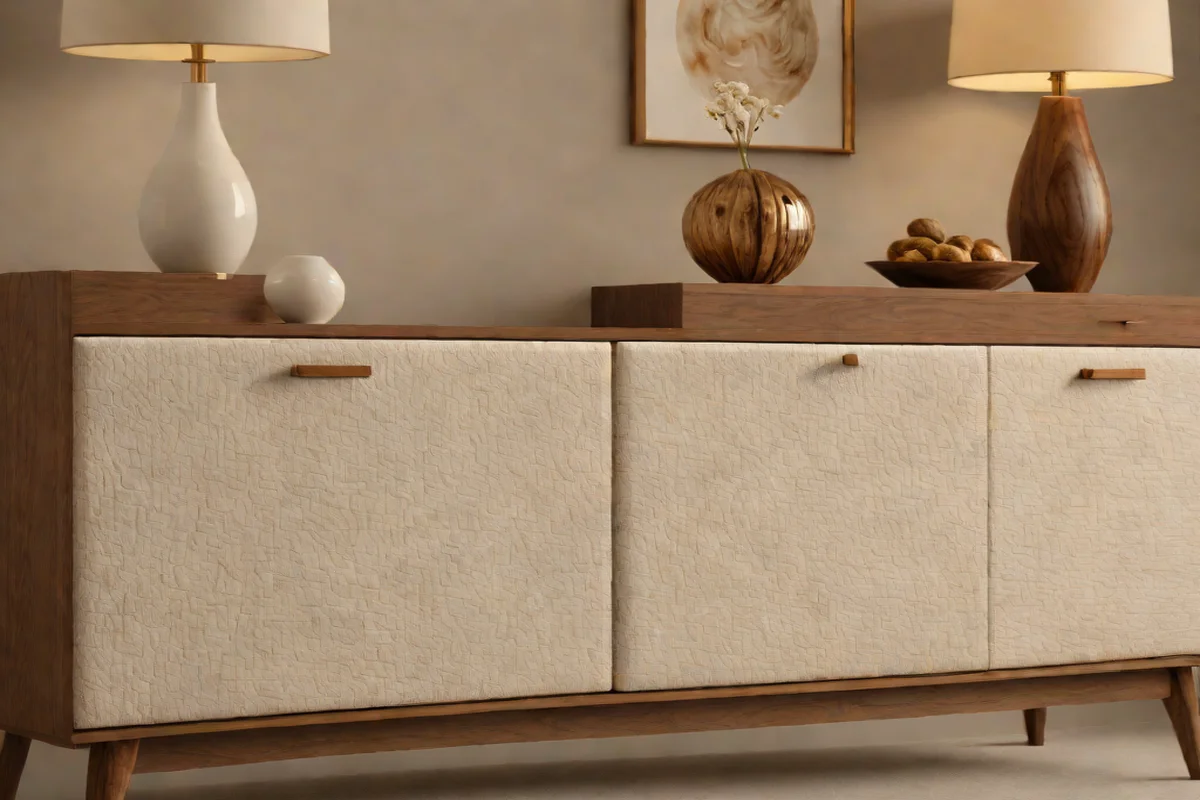
Luxury is found in the “Contrast of Touch.” Pair the hard, smooth surface of a walnut sideboard with the soft, bumpy texture of a white bouclé armchair. This play between “Organic Hard” and “Modern Soft” creates a sophisticated visual depth that makes even a simple room look and feel incredibly expensive.
17. Open Floor Plans and Flow
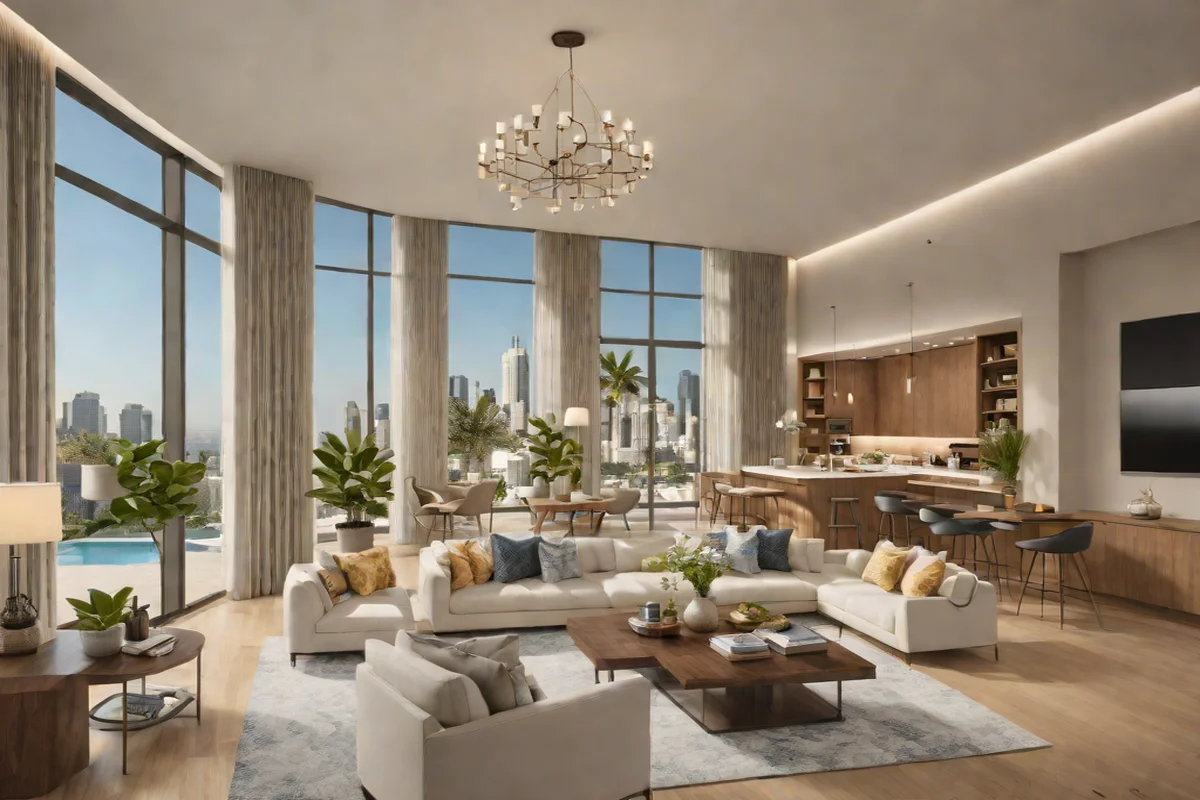
MCM design was the pioneer of the “Open Concept.” If you are designing your layout, try to keep the transitions between the living room, dining room, and kitchen as seamless as possible. Use low-profile furniture to ensure the view across the entire home remains unobstructed, making your apartment feel like one large, continuous sanctuary.
18. Terrazzo Accents for Mid-Century Soul
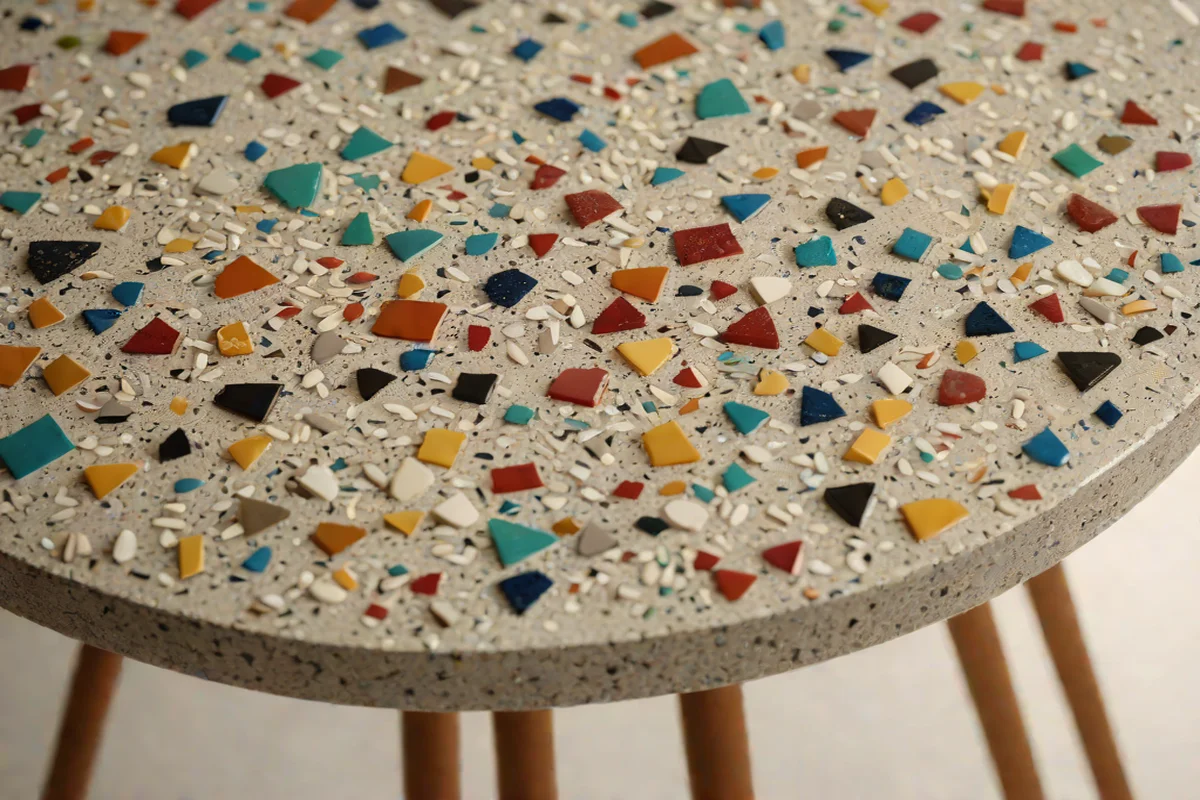
Terrazzo (stone chips set in concrete) is making a huge comeback in 2026. Use it in small doses – a terrazzo coffee table top or a set of coasters. It adds a “Vintage Soul” and a speckled texture that breaks the monotony of solid colors, providing a sophisticated, “Luxe-Retro” finish.
19. Camouflaged Technology
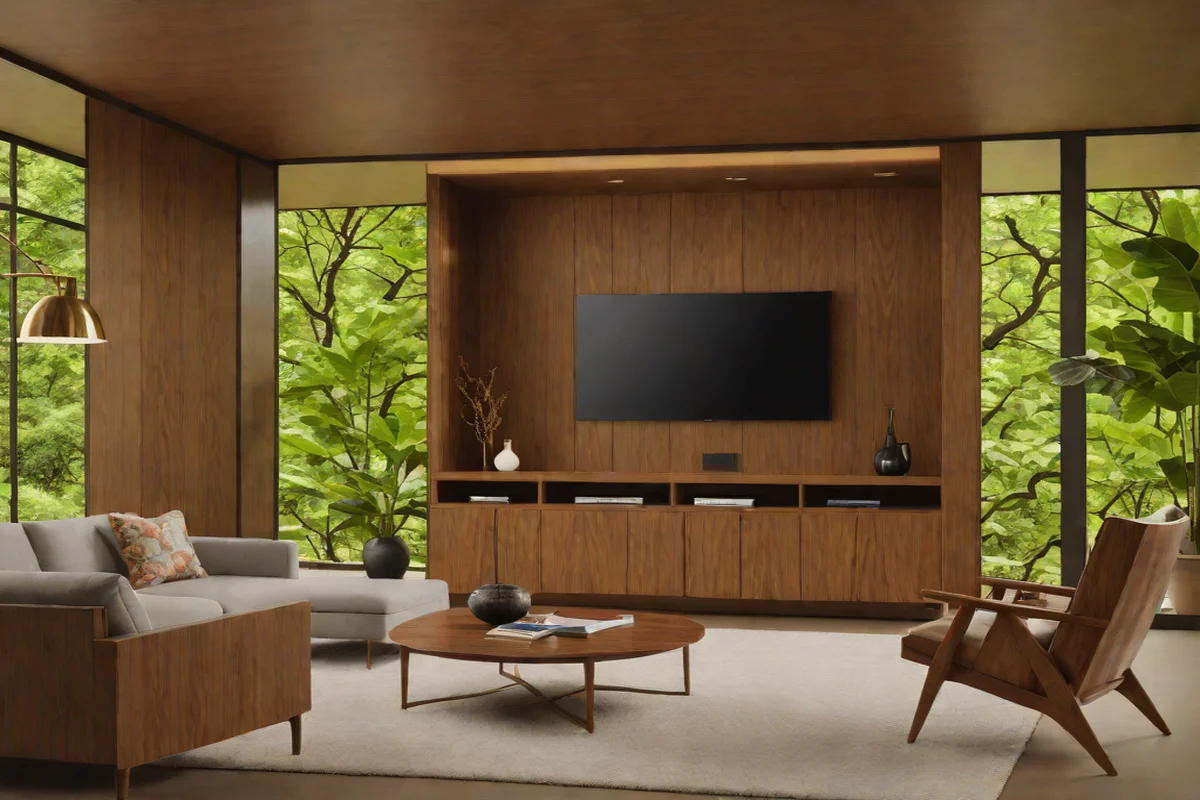
Technology should be “Invisible” in a pure MCM room. Hide your TV inside a walnut cabinet or use a TV that looks like art. Hide wires behind consoles. When the tech is hidden, the focus stays on the beautiful craftsmanship of your furniture and the organic flow of the space.
20. The Allure of Clerestory Windows
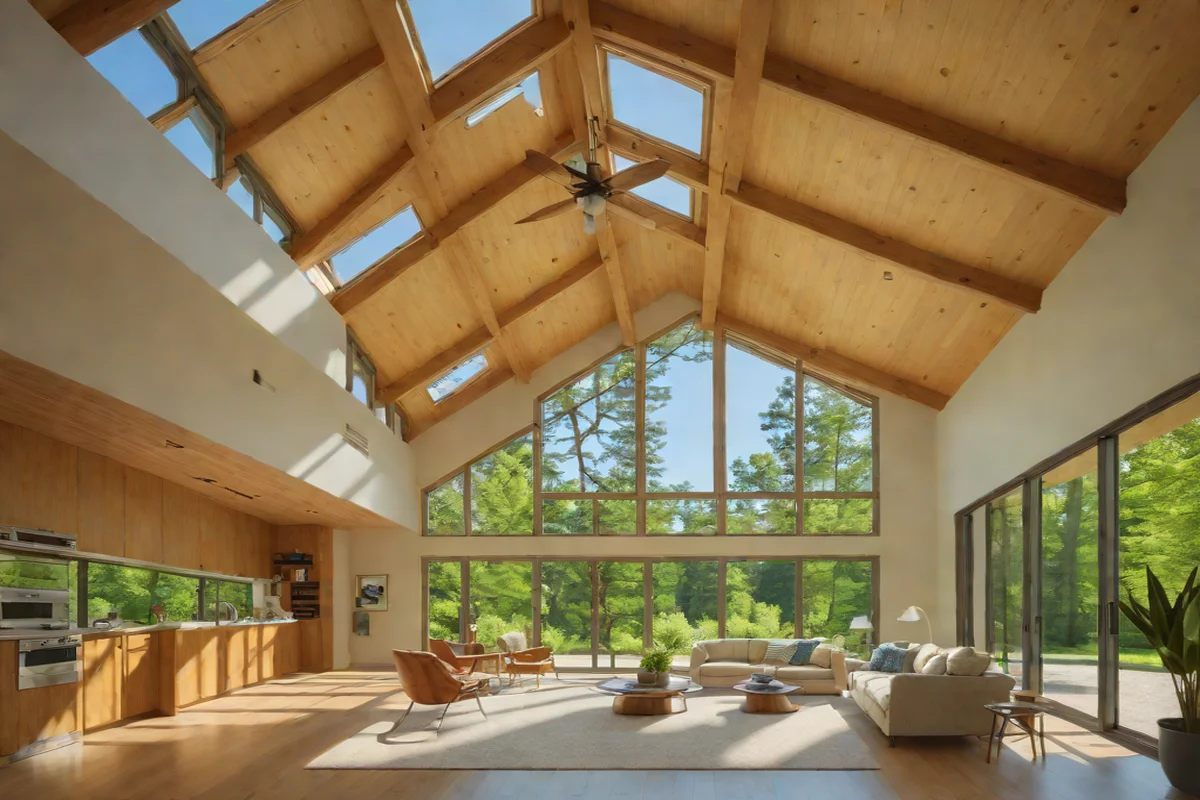
If you are lucky enough to have clerestory windows (windows near the roofline), don’t cover them. They provide a “Halo of Light” that makes the ceiling appear to float. It’s a classic mid-century architectural secret that adds a sense of divine height and “Breezy” energy to the room.
21. The “Sunburst” Mirror Focal Point
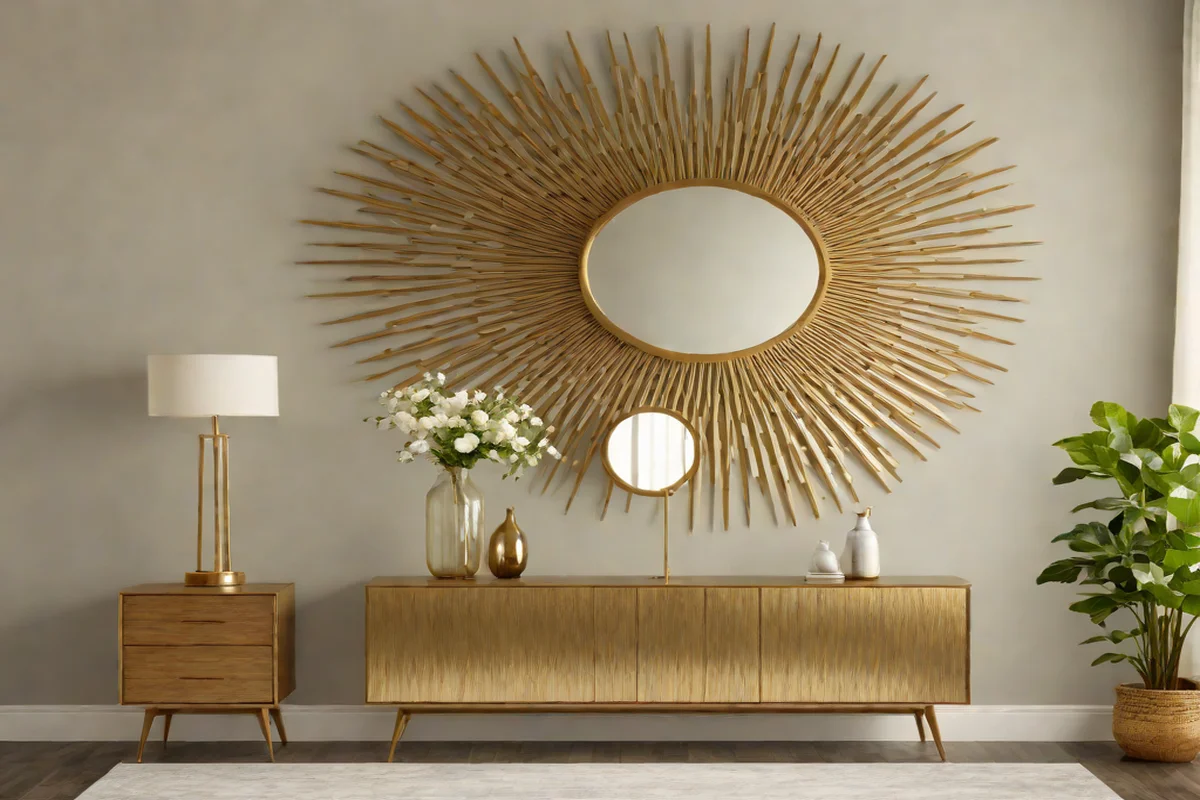
The sunburst mirror is perhaps the most iconic MCM accessory. Whether in gold, wood, or black metal, it acts as a “Visual Sun” that draws the eye. Hang it over a sofa or a sideboard to add a layer of “Radial Symmetry” that is naturally soothing to the brain and looks incredibly stylish.
22. Seamless Indoor-Outdoor Flow
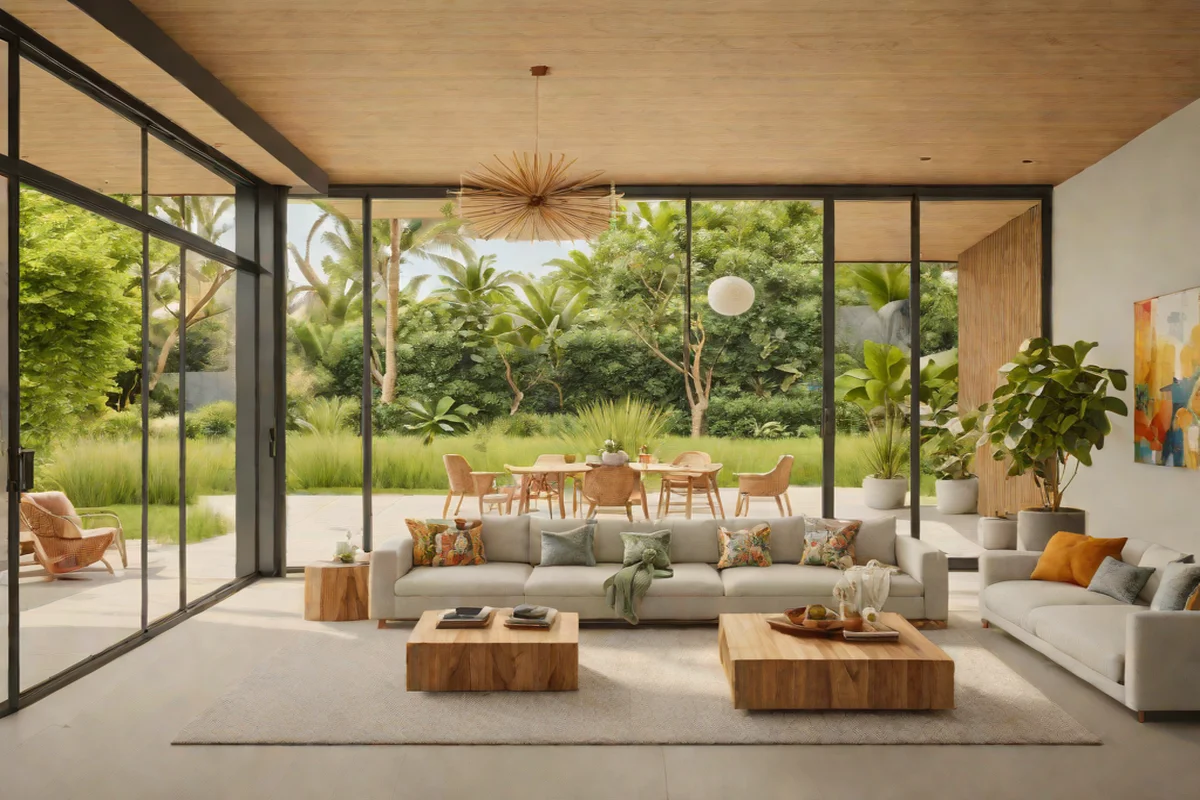
MCM design aims to erase the boundary between the house and the garden. Use the same flooring material for your living room and your patio if possible. Large sliding glass doors should remain clear of heavy drapes, allowing the greenery outside to act as a “Living Wallpaper” for your room.
23. Asymmetrical Balance for Modern Interest
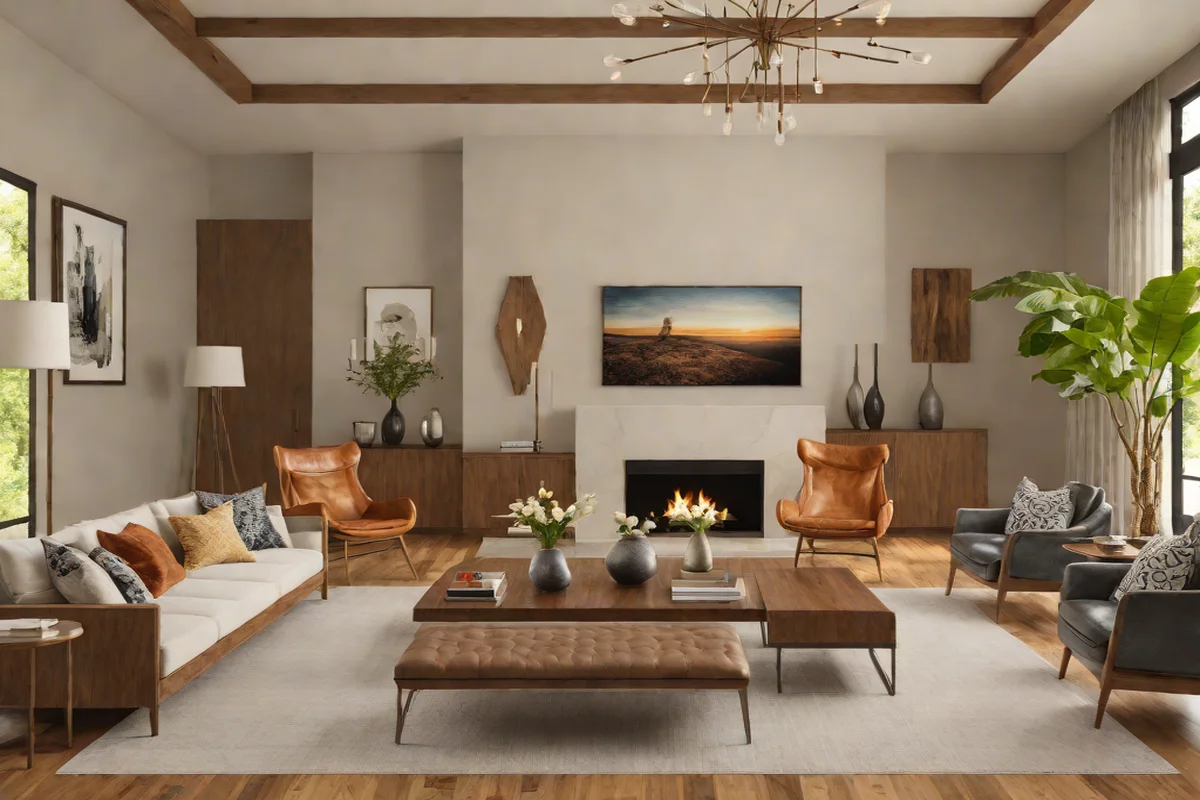
While symmetry is calm, MCM often uses “Asymmetrical Balance.” This means placing a large sofa on one side and two different-sized armchairs on the other. This creates a more dynamic and “Artistic” energy that feels less like a showroom and more like a curated, lived-in home.
24. Bold Wallpaper in Small Nooks
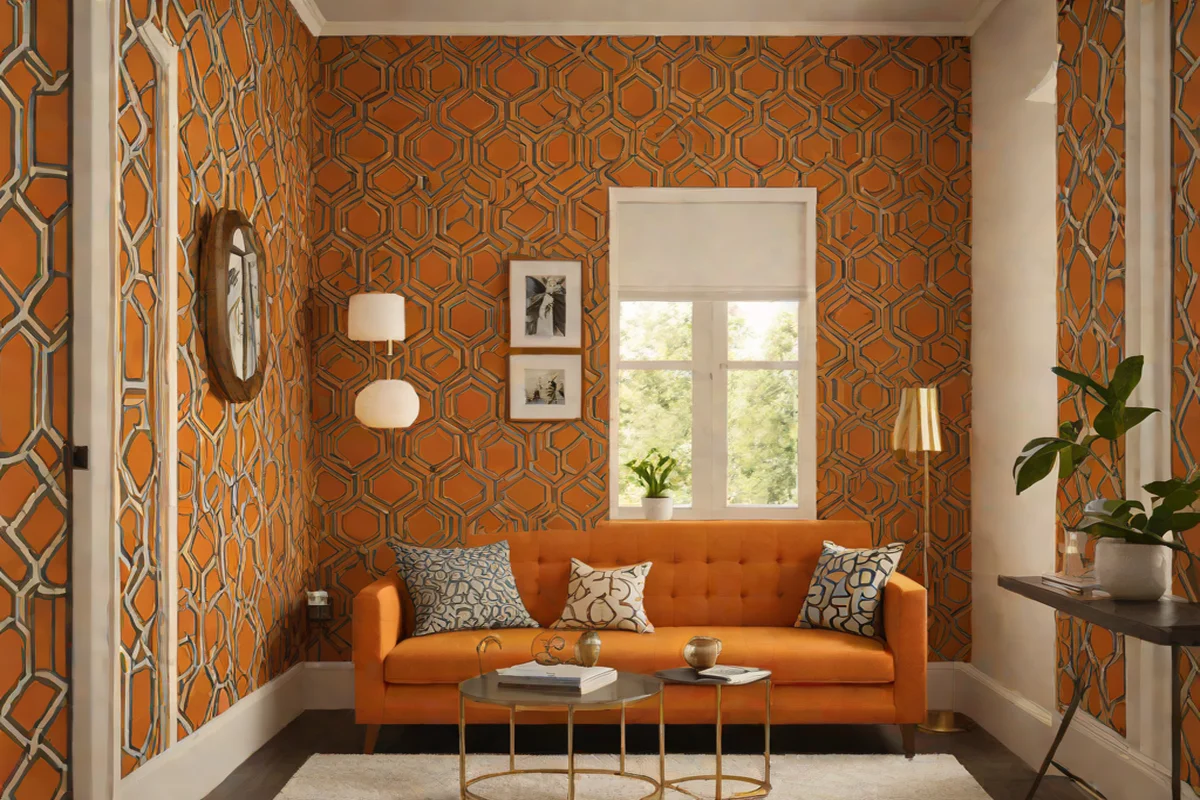
If you have a reading nook or a small transition wall, use a bold, geometric MCM-patterned wallpaper. It creates a “Pop of Personality” without overwhelming the entire room. It’s about using pattern as an accent, much like a piece of jewelry for your walls.
25. The Evolutionary MCM Bloom
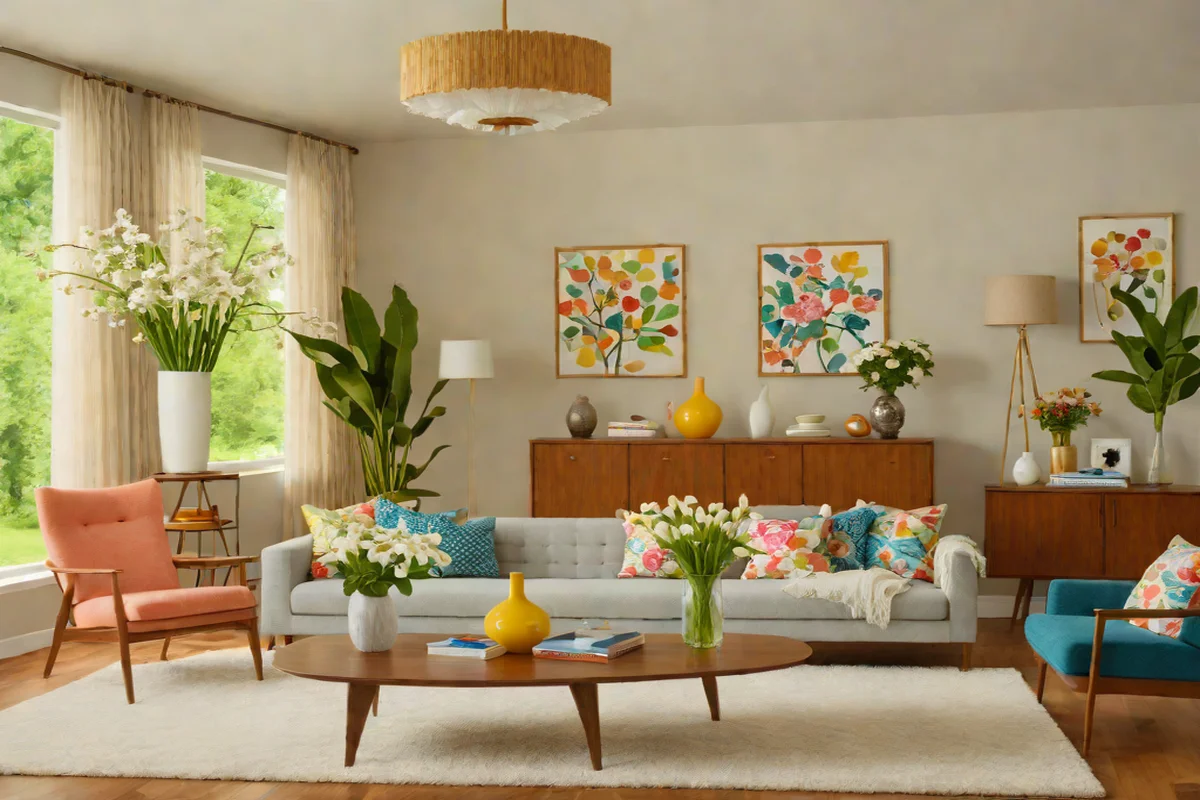
Finally, remember that your room should evolve. A Trendy Home Bloom is about taking the best of the past and making it work for your future. Swap your pillows, update your plants, and always keep your space “Blooming” with new life.