
Living in an urban apartment often means negotiating with limited square footage, but a small footprint should never limit your style. In 2026, the trend has shifted from “making do” with small spaces to mastering them with high-end, intentional design. Finding the right Apartment Living Room Decor Ideas is about understanding the psychology of light, the physics of furniture legs, and the art of vertical thinking. At Trendy Home Bloom, we’ve spent years helping dwellers turn cramped quarters into airy, luxurious sanctuaries that feel twice their actual size.
Designing a small room is like solving a beautiful puzzle -every piece must have a purpose and a place. Whether you are dealing with a studio in the city or a compact two-bedroom unit, these 35 strategies will help you reclaim your space and your style. If you want to see how we apply these principles across different home types, explore our detailed design guides and let your home finally start to bloom.
1. Commit to a High-Light Reflective Palette
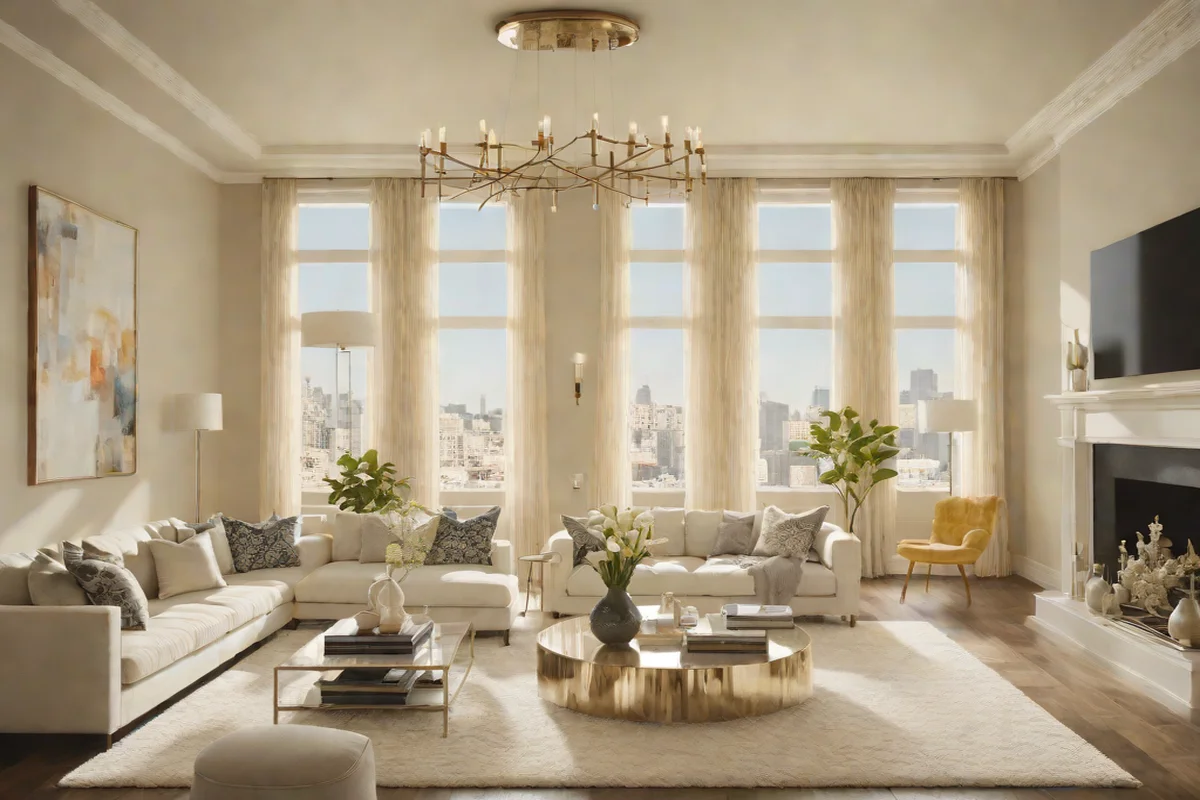
The most foundational rule for any small apartment is the color story. Dark, saturated colors absorb light and make walls feel like they are closing in. To prevent this, stick to high-light reflective colors like off-whites, soft creams, or very pale greys. When your walls, trim, and even your ceiling are in a similar light tone, the “boundaries” of the room blur, creating a continuous visual flow that tricks the eye into seeing an expansive space.
2. Prioritize “Leggy” Furniture for Visual Flow
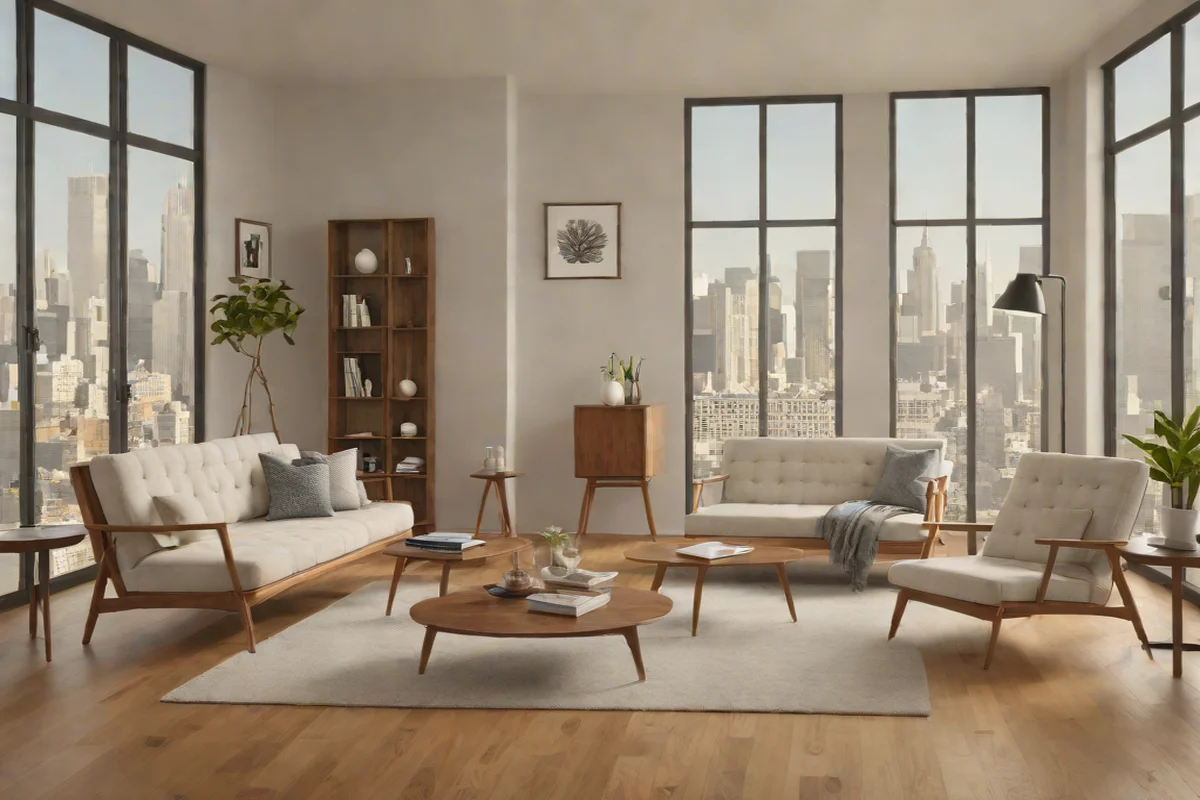
In a small room, you want to see as much of the floor as possible. Furniture that sits flat on the ground acts like a visual wall. Instead, opt for “leggy” furniture -sofas and armchairs with tapered wooden or slim metal legs. When light and air can pass under your furniture, the floor feels uninterrupted, which instantly makes the living area feel more open and airy.
3. The Power of Oversized Mirrored Walls
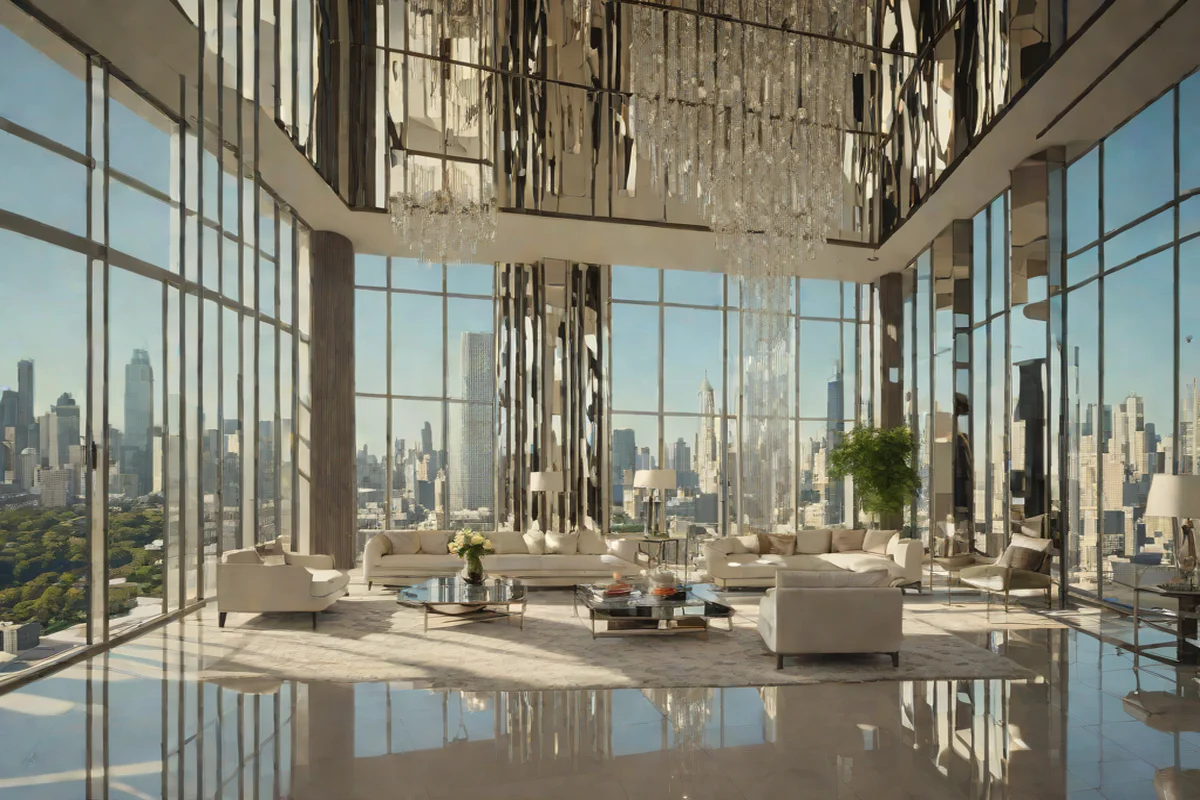
A small mirror is a decoration; a mirrored wall is an architectural miracle. By placing a large-scale mirror or a series of mirrored panels on a wall opposite a window, you effectively “double” your room. It reflects the light and the view, creating a secondary room in the reflection that makes the apartment feel vast. For professional-level mirror placement strategies, look at what the experts recommend in high-end urban design.
4. Utilize Floor-to-Ceiling Drapes
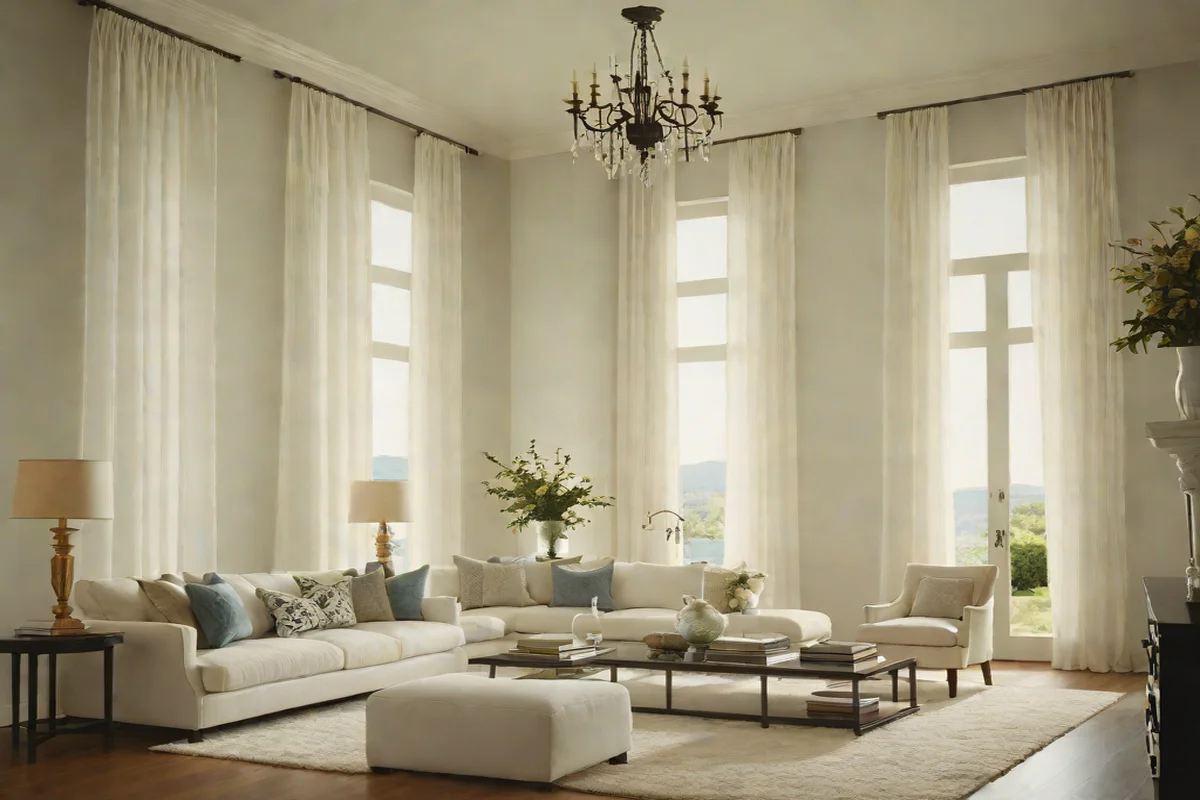
To make a room feel taller, you have to guide the eye upward. Hang your curtain rods right at the ceiling line and let the fabric drop all the way to the floor. Use sheer, lightweight fabrics that allow natural light to filter through. These long vertical lines create an illusion of incredible height, making a standard apartment ceiling look like a grand architectural feature.
5. Invest in a Properly Scaled “Pillar” Rug
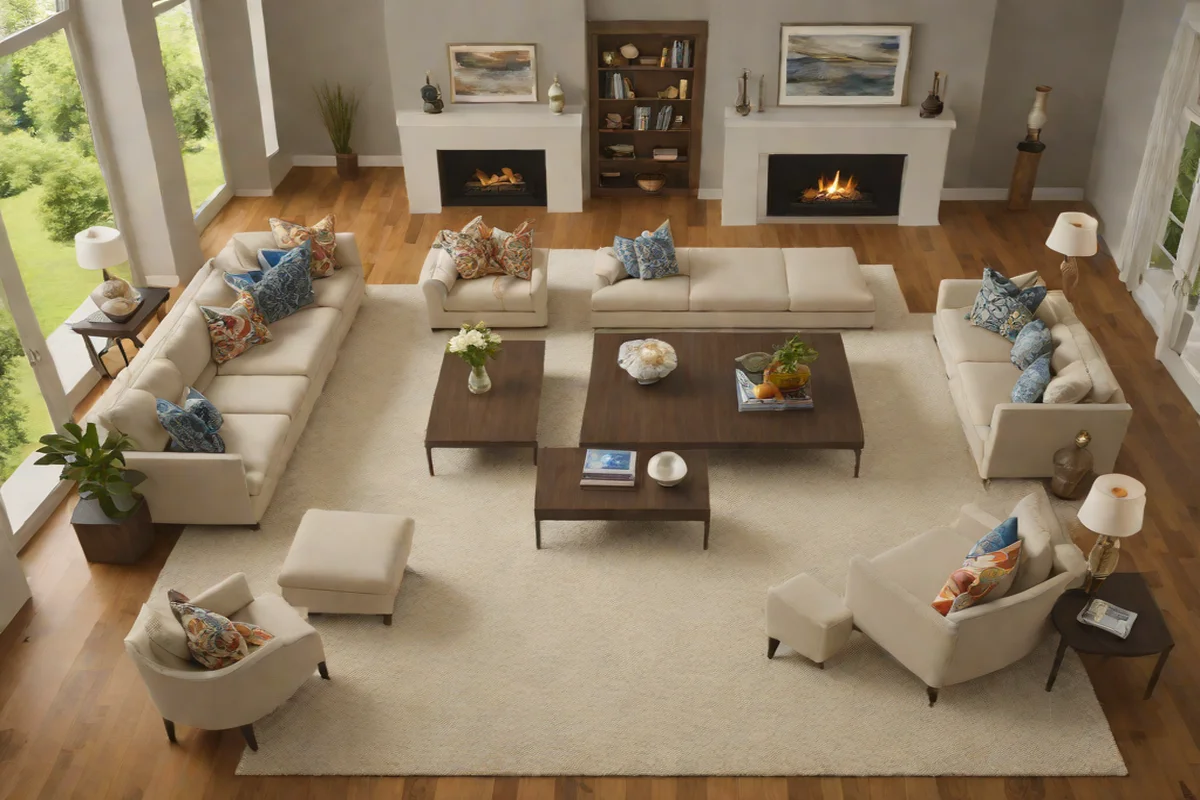
Many people think a small room needs a small rug, but that is a common design mistake. A small rug creates a “patchwork” look that shrinks the room. Instead, use a large area rug that defines the entire seating zone. When all your furniture legs sit on the rug, it creates a cohesive “island” of comfort, which makes the layout look professional and well-planned.
6. The Magic of Transparent Materials
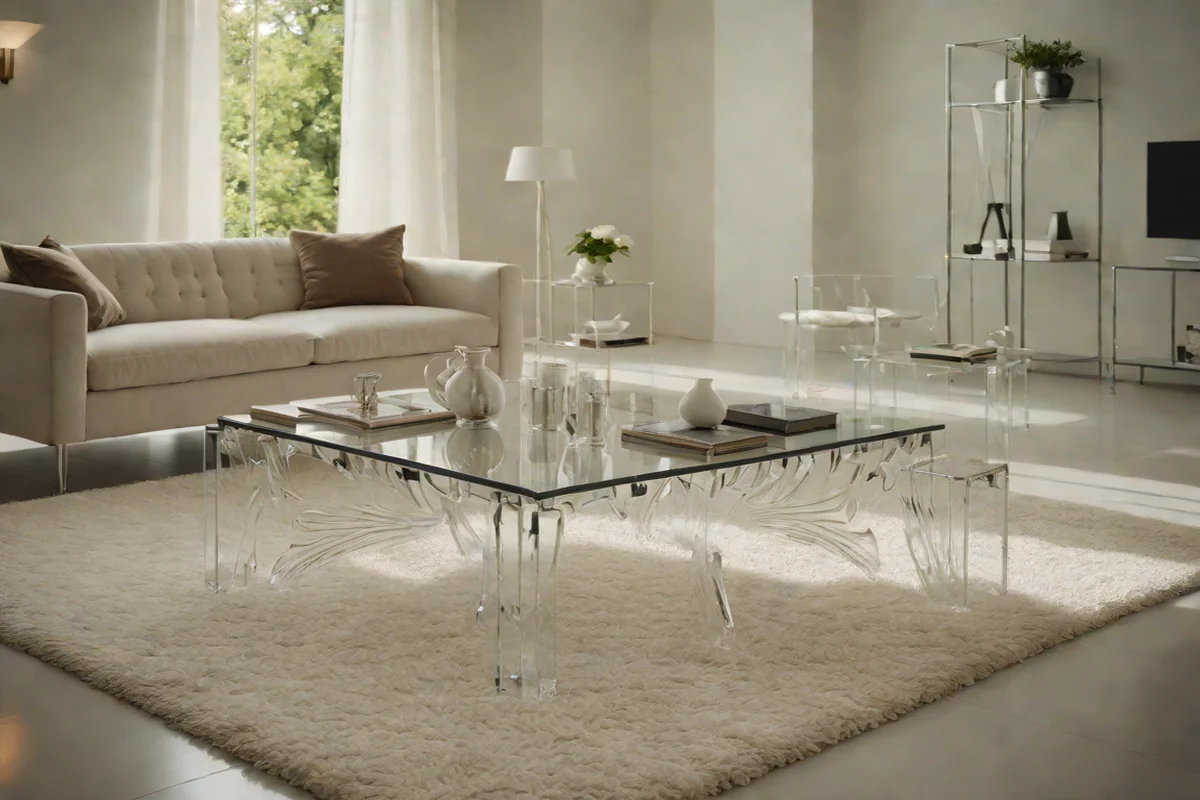
Acrylic and glass are the ultimate “invisible” allies in small space decor. An acrylic “ghost” chair or a glass coffee table provides all the function you need without taking up any visual space. Since you can see right through them, the room feels uncluttered and modern. You can browse our latest style updates to see how transparent elements are trending in 2026.
7. Maximize Verticality with Floating Shelves
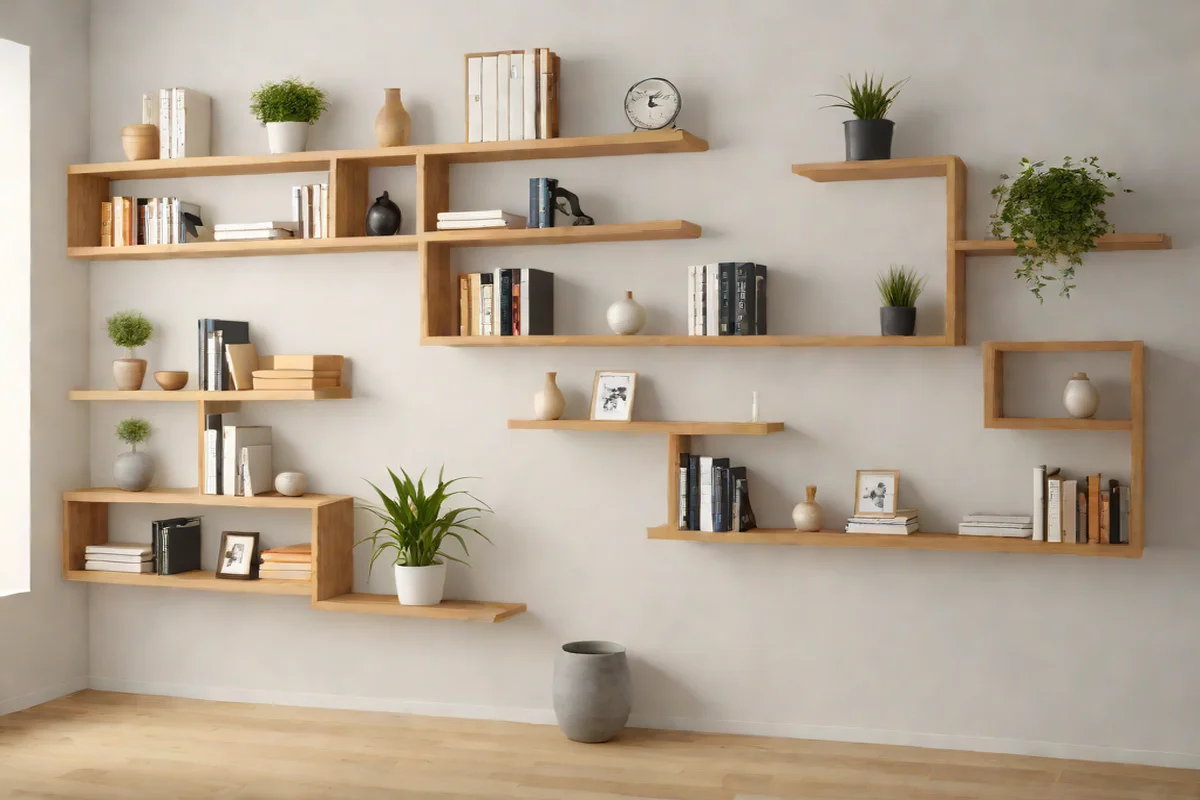
When you run out of floor space, the walls are your best friend. Floating shelves provide storage and display space without the bulk of a heavy cabinet. By keeping the floor clear, you maintain that crucial sense of openness. Use them to display curated books or small plants, but be careful not to over-clutter them.
8. Opt for Wall-Mounted Media Consoles
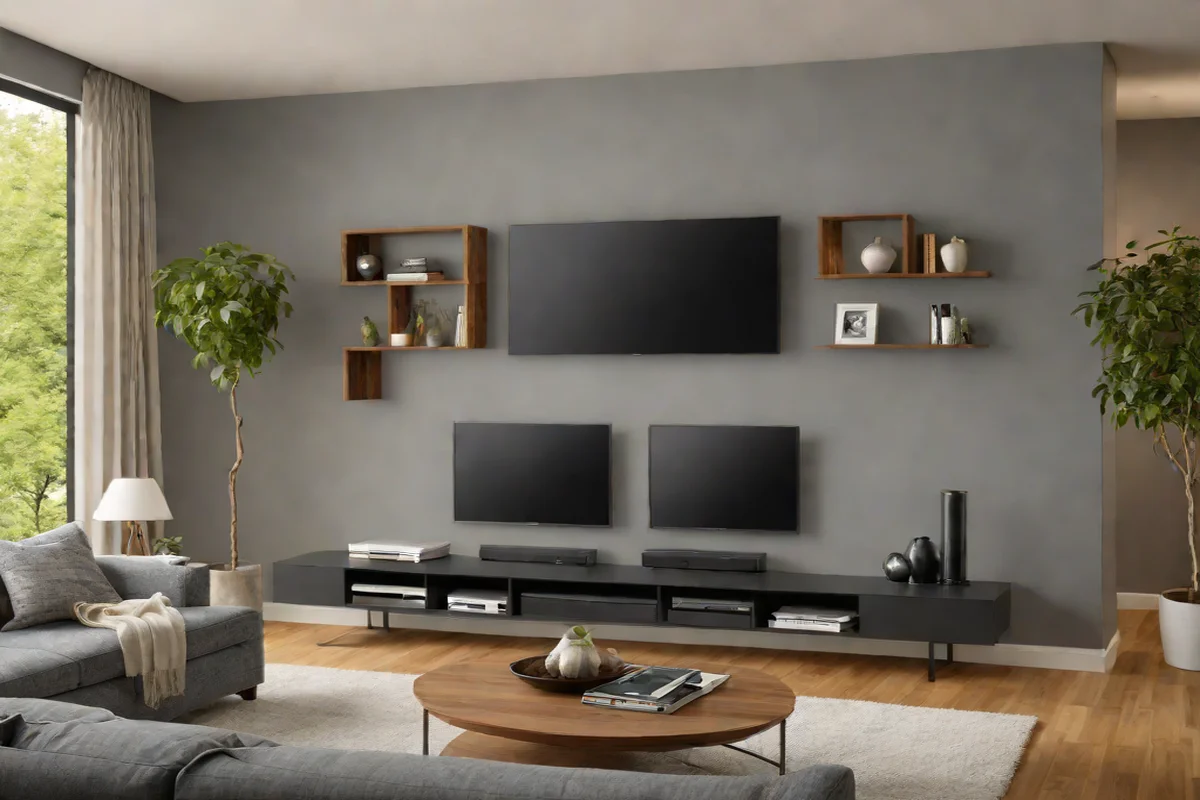
A traditional TV stand can be deep and bulky, eating into your walkway. A wall-mounted “floating” media console is a much sleeker alternative. It clears the floor area underneath, which makes the room look wider and gives the whole entertainment setup a modern, built-in feel.
9. Master the Art of Multi-Functional Furniture
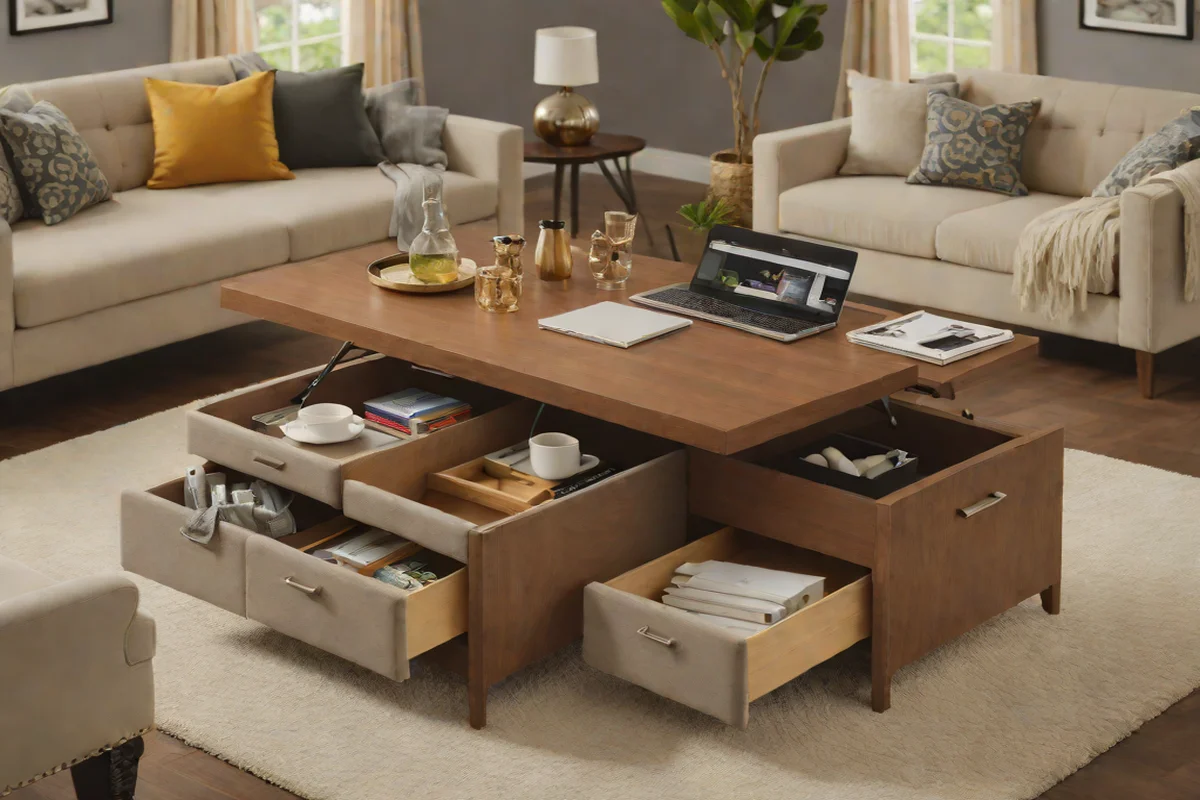
In an apartment, every piece must work overtime. Look for ottomans that open for storage, coffee tables with lift-tops for dining, or nested tables that can be tucked away when not in use. Multi-functionality is the secret to a clutter-free lifestyle in a small space.
10. Incorporate Low-Profile Seating
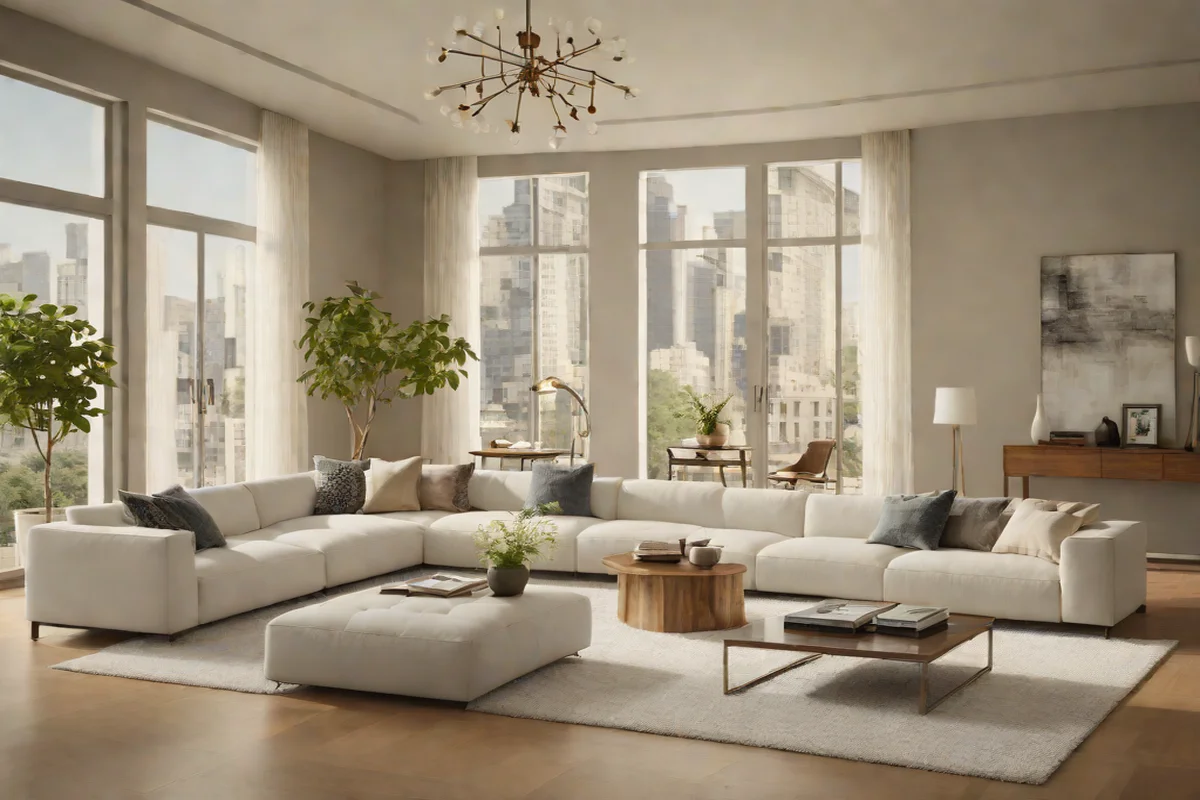
High-back sofas can block the view across a small room. Low-profile seating – sofas and chairs with a lower back height – keeps the visual line of sight open. This prevents the furniture from feeling like a barrier and keeps the overall atmosphere of the apartment breezy and expansive.
11. Use “C-Tables” Instead of Bulk Side Tables
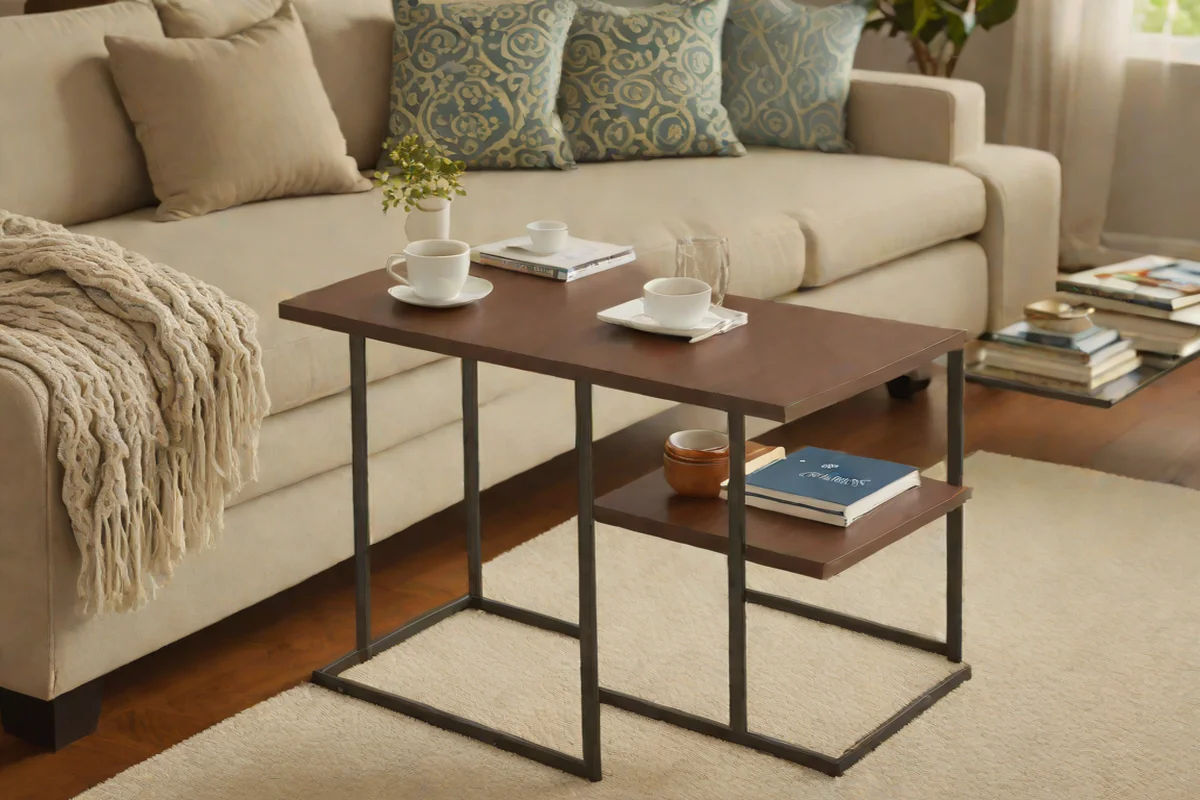
C-tables are designed to slide their base under the sofa, allowing the tabletop to sit right over your lap. They are incredibly space-efficient and provide a perfect spot for your laptop or morning tea without needing a dedicated footprint on the floor.
12. Create a “Zoned” Layout with Light
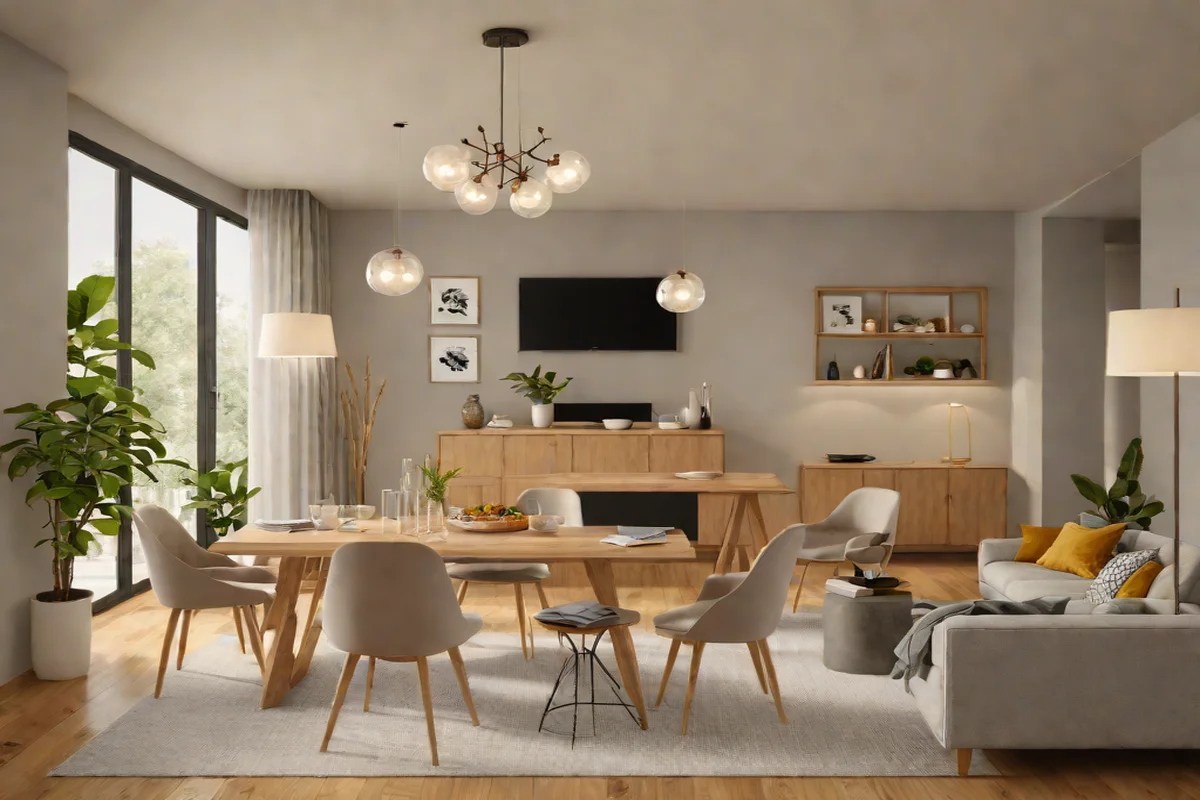
If your living room and dining area are in the same space, use lighting to define the zones. A pendant light over the dining table and a floor lamp by the sofa tell the eye that these are two distinct “rooms.” This organizational clarity makes the apartment feel larger and more structured.
13. Leverage Corner Potential with Statement Plants
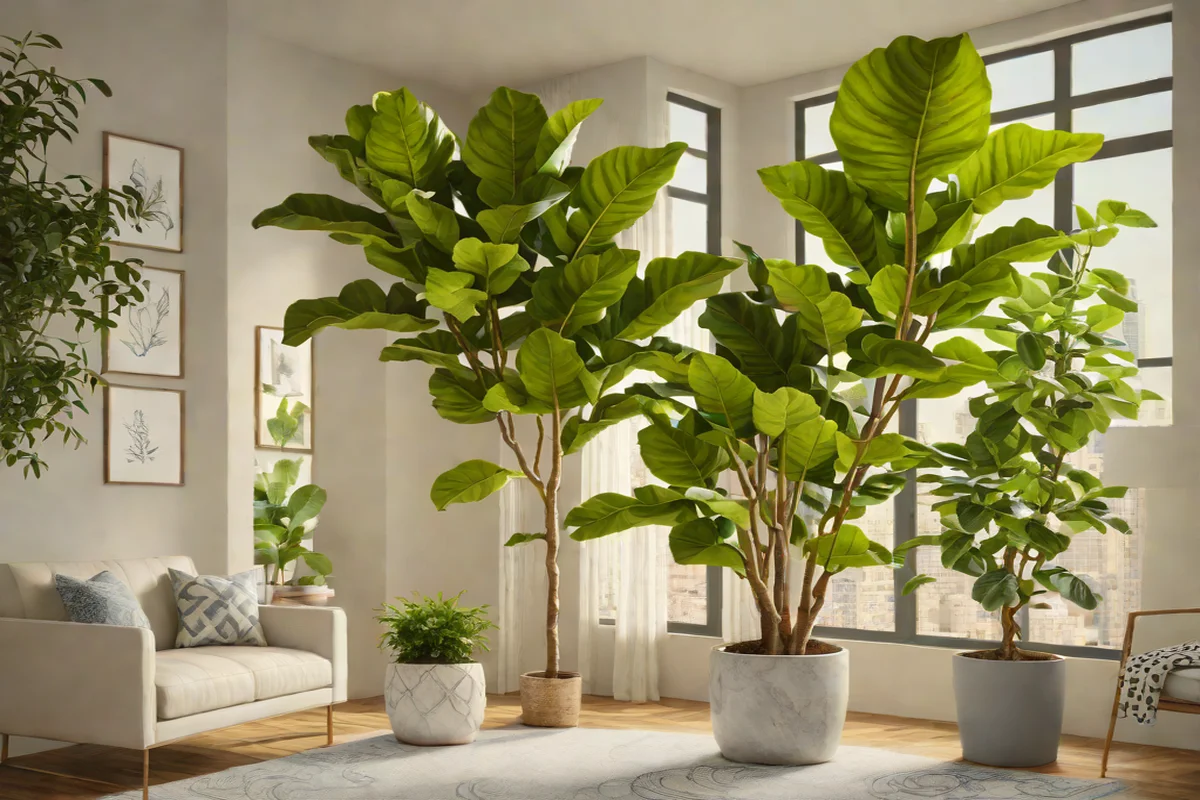
Don’t let corners go to waste. A tall, slender plant like a Snake Plant or a Fiddle Leaf Fig can turn an awkward corner into a lush focal point. Greenery adds life and vertical scale, which is essential for making a small space feel vibrant and “blooming.”
14. Choose Furniture with Slim Arms
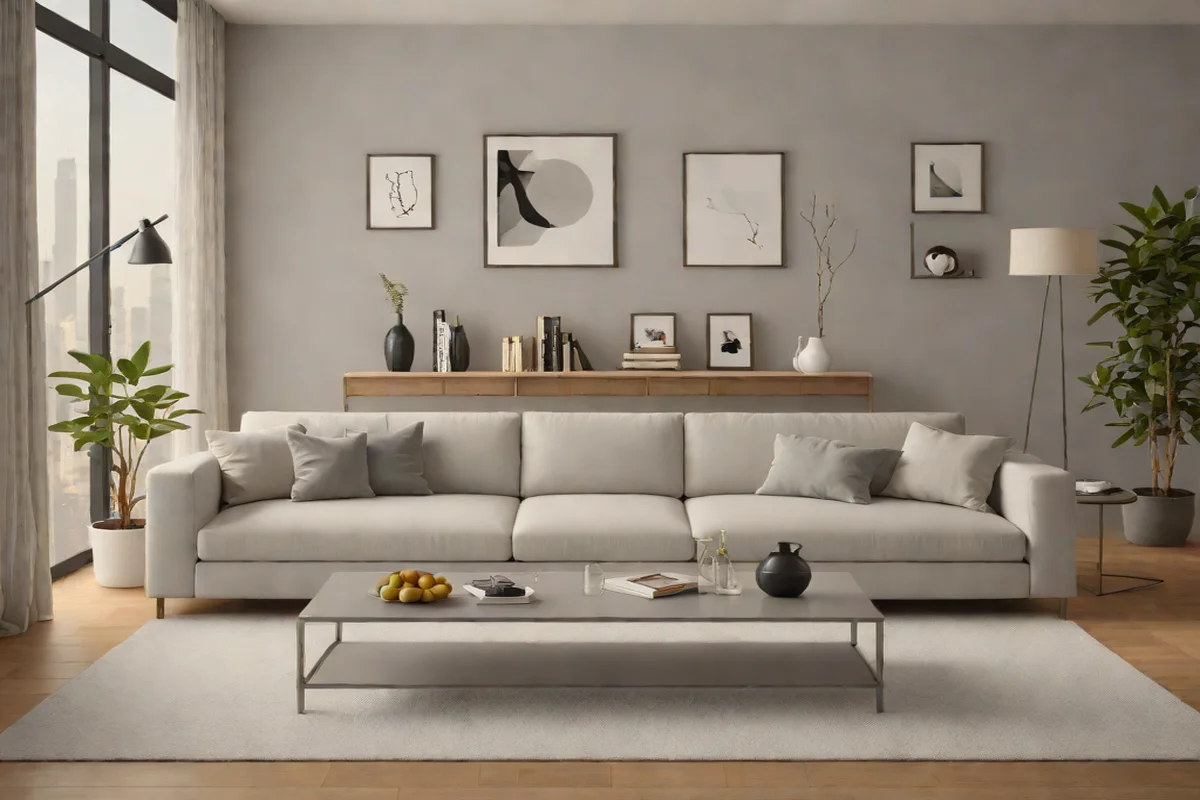
Standard sofas often have wide, rolled arms that can take up to a foot of space without adding any extra seating. In a small apartment, choose “track arm” or “slim arm” designs. You get the same amount of sitting space but with a much smaller overall footprint.
15. The “Single Statement Art” Strategy
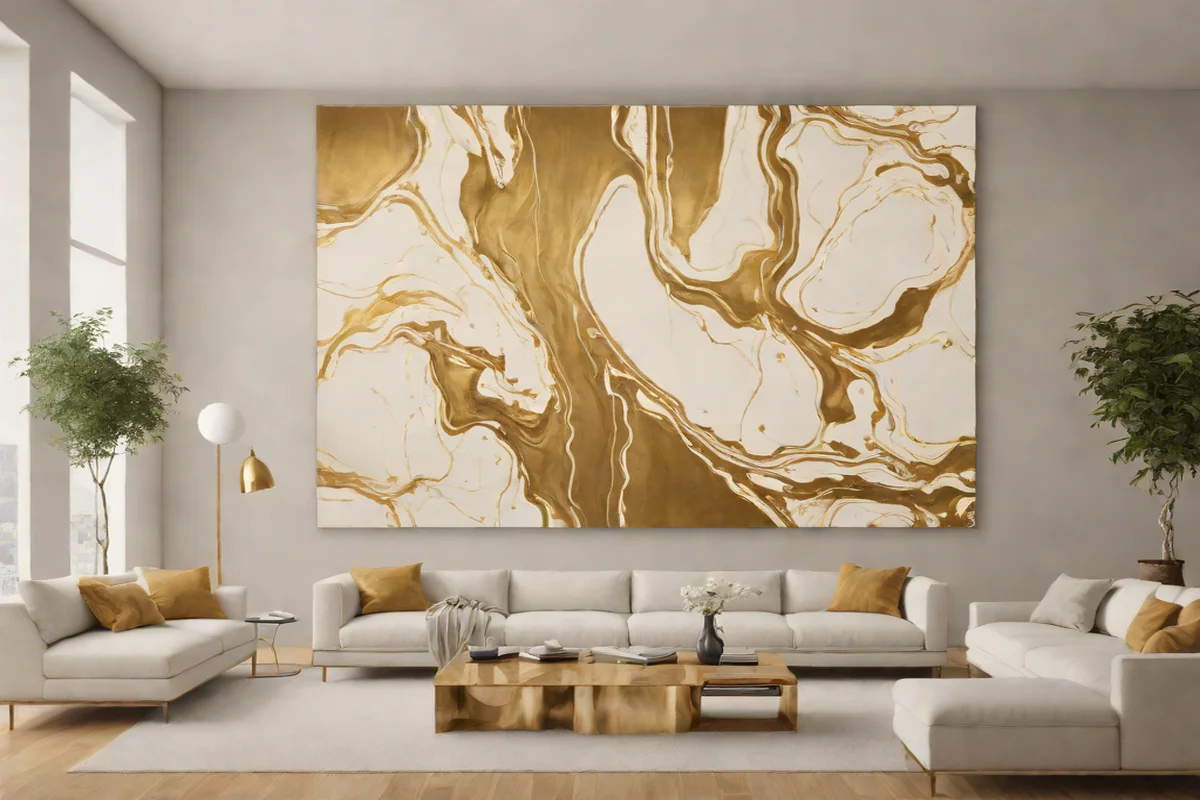
A gallery wall with 20 small pictures can look cluttered in a tiny room. Instead, go for one massive piece of statement art. A large canvas anchors the room and gives it a grand sense of scale, making the space feel more like a gallery and less like a cramped apartment.
16. Install Sliding Barn Doors
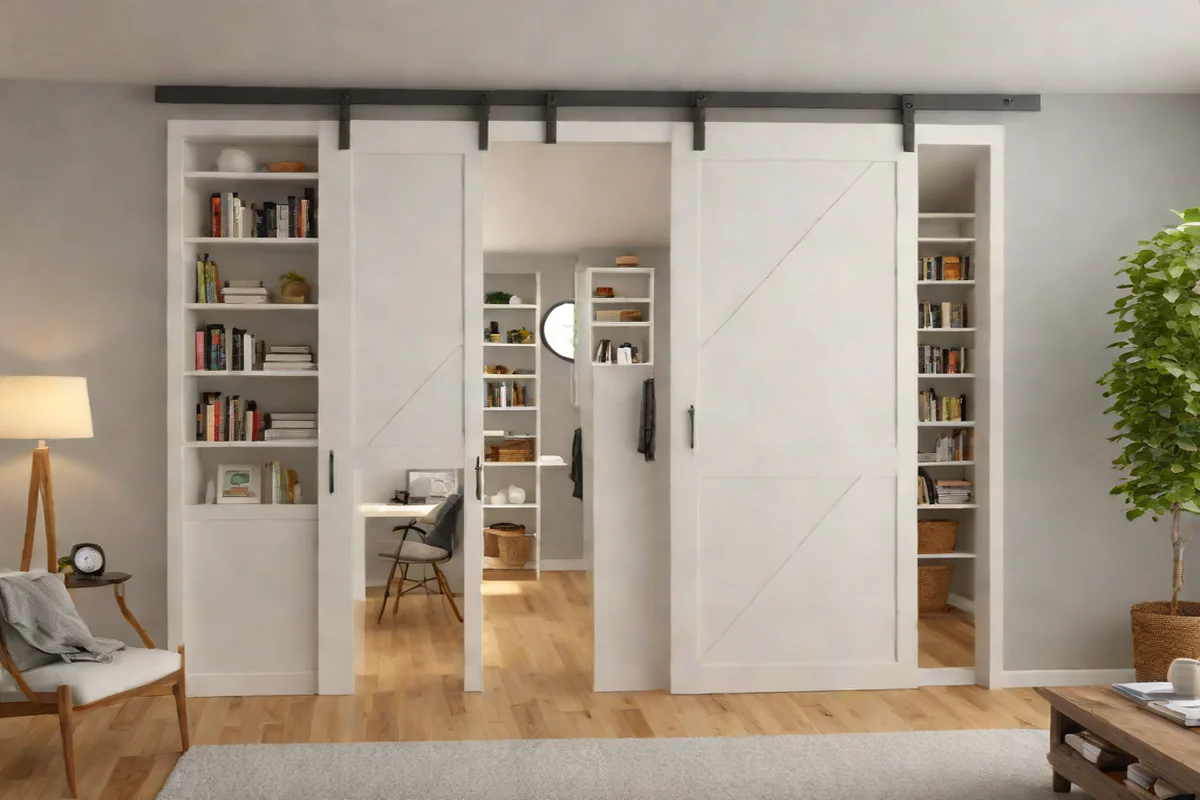
Traditional swinging doors require a “swing radius” that wastes floor space. If possible, replace them with sliding barn doors or pocket doors. It adds a touch of modern architectural flair and frees up enough space for an extra chair or a bookshelf.
17. Use Symmetry to Reduce Visual Noise
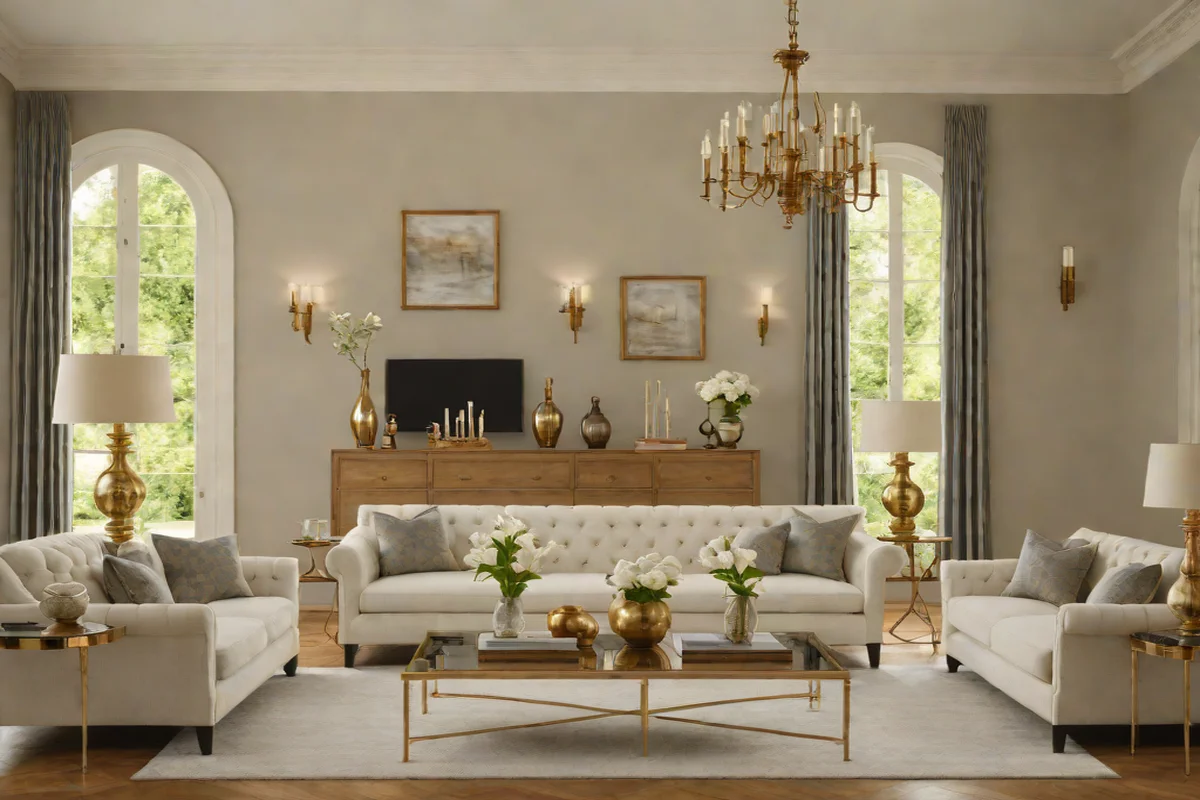
Symmetry is naturally calming to the brain. Using matching lamps or symmetrical pillows creates an organized, “quiet” environment. In a small space, reducing visual chaos is the key to making the room feel expensive and professionally designed.
18. Match Furniture Color to Your Walls
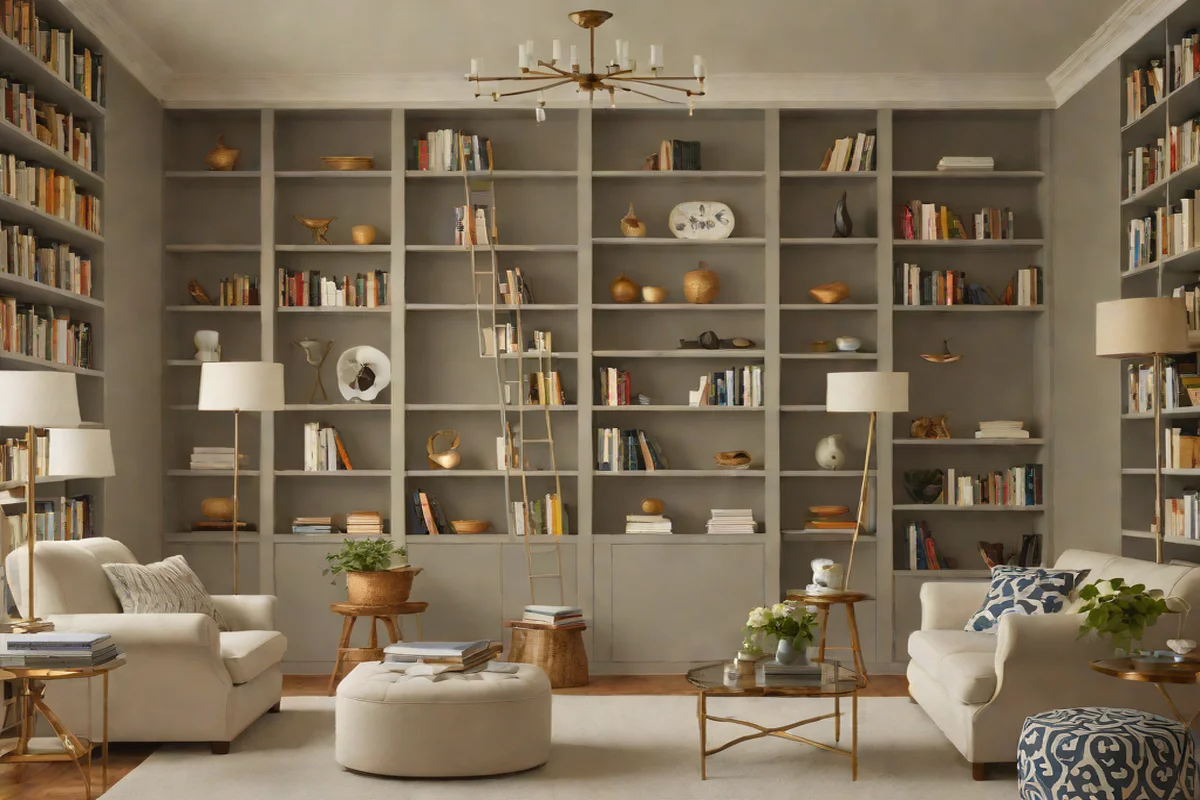
If you have a large piece of furniture, like a bookshelf, paint it the exact same color as your walls. This “camouflage” effect makes the piece blend into the background, preventing it from feeling like a heavy, dark block in the room.
19. Utilize the Space Above Doorways
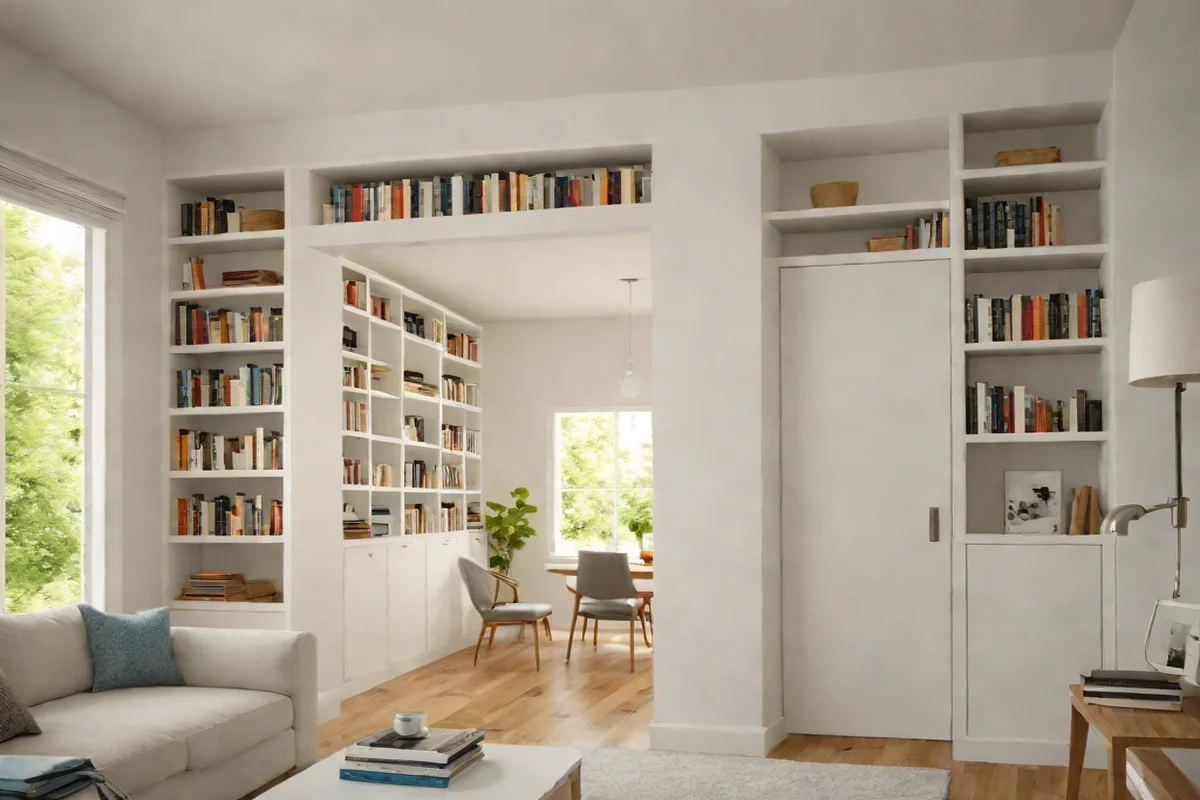
The space above your doors is often 100% wasted. Installing a simple shelf here for books or seasonal items is a brilliant way to add storage without losing any living space. It keeps your primary shelves from getting overstuffed.
20. Opt for Round Coffee Tables
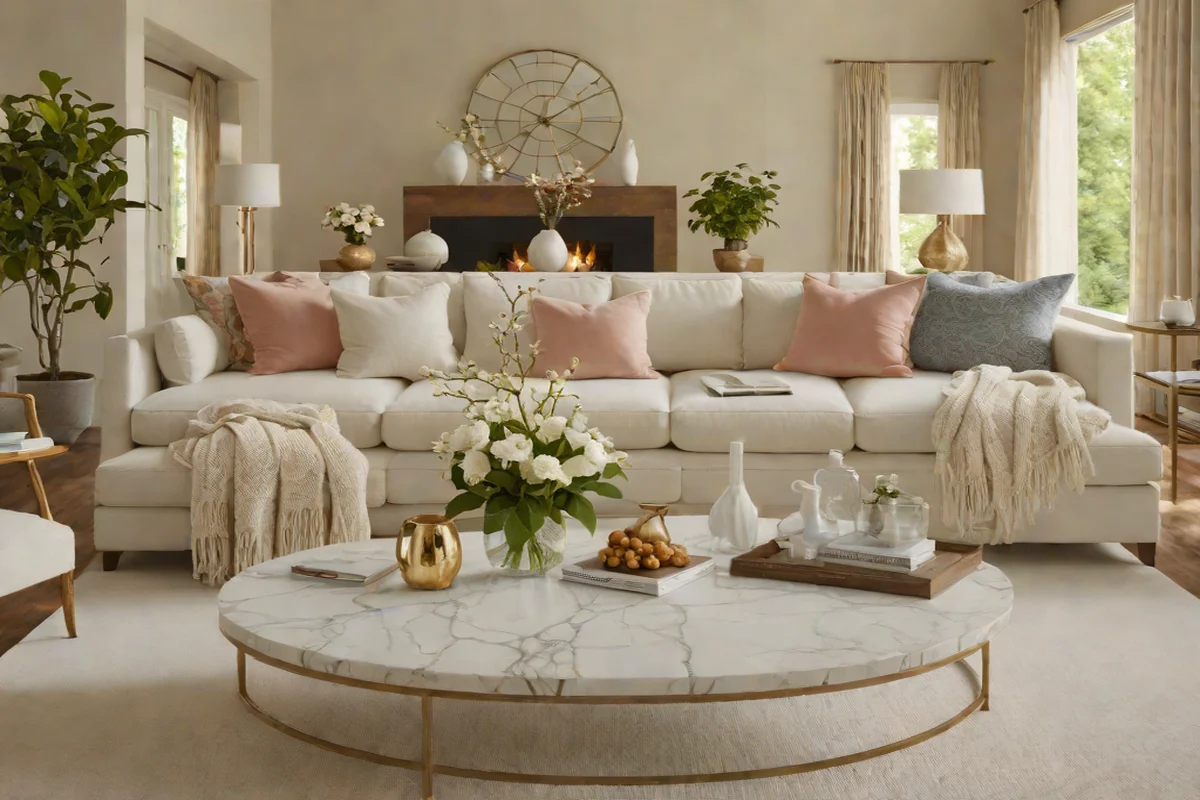
In tight quarters, walking paths are narrow. Round coffee tables are much easier to navigate around than rectangular ones with sharp corners. They also introduce a softer, organic shape that breaks up the boxy feel of most apartment layouts.
21. Layered Lighting for Depth
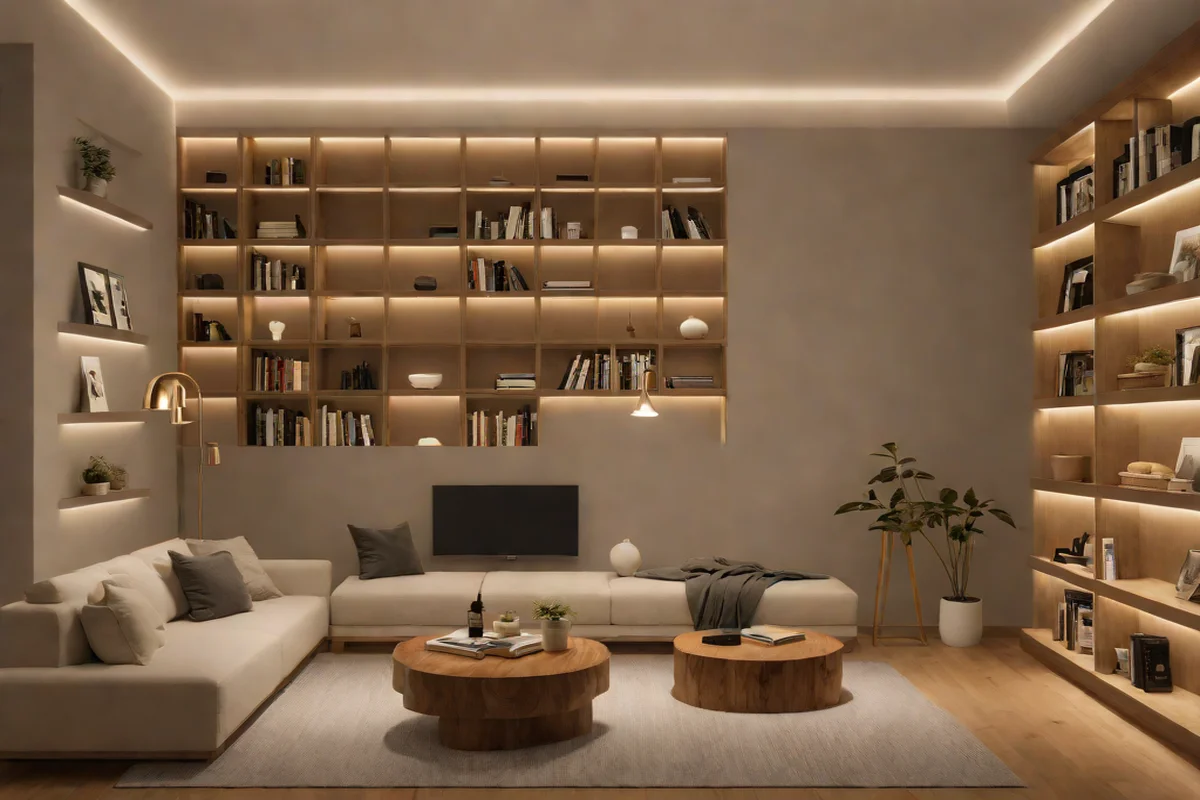
Never rely on a single ceiling light. Use a combination of floor lamps, table lamps, and even small “puck lights” in shelves. Different levels of light create depth and eliminate dark corners, which makes the room feel much more expansive at night.
22. Incorporate Metallic Accents
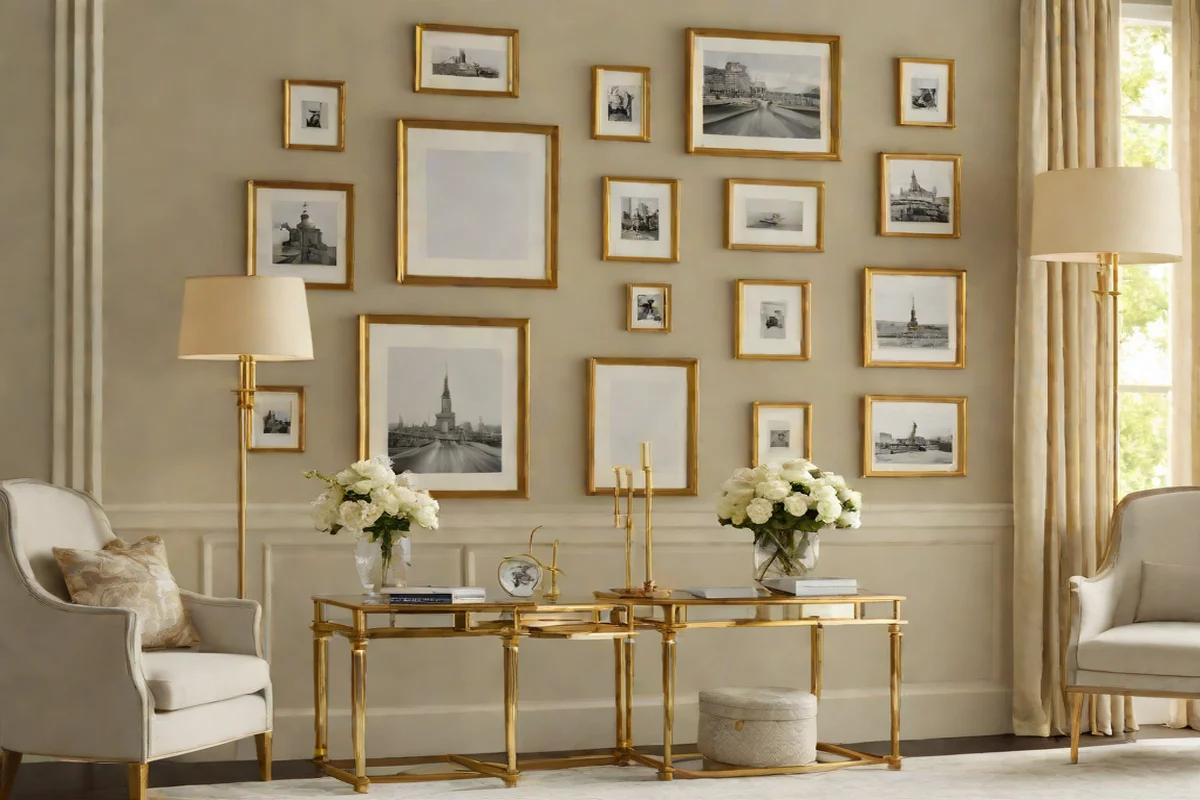
Gold, brass, and silver accents reflect light and add a “jewelry” effect to the room. Use them in furniture legs, picture frames, or tray accents. This subtle sparkle adds a layer of luxury and helps keep the room looking bright and polished.
23. The “Floating” Layout
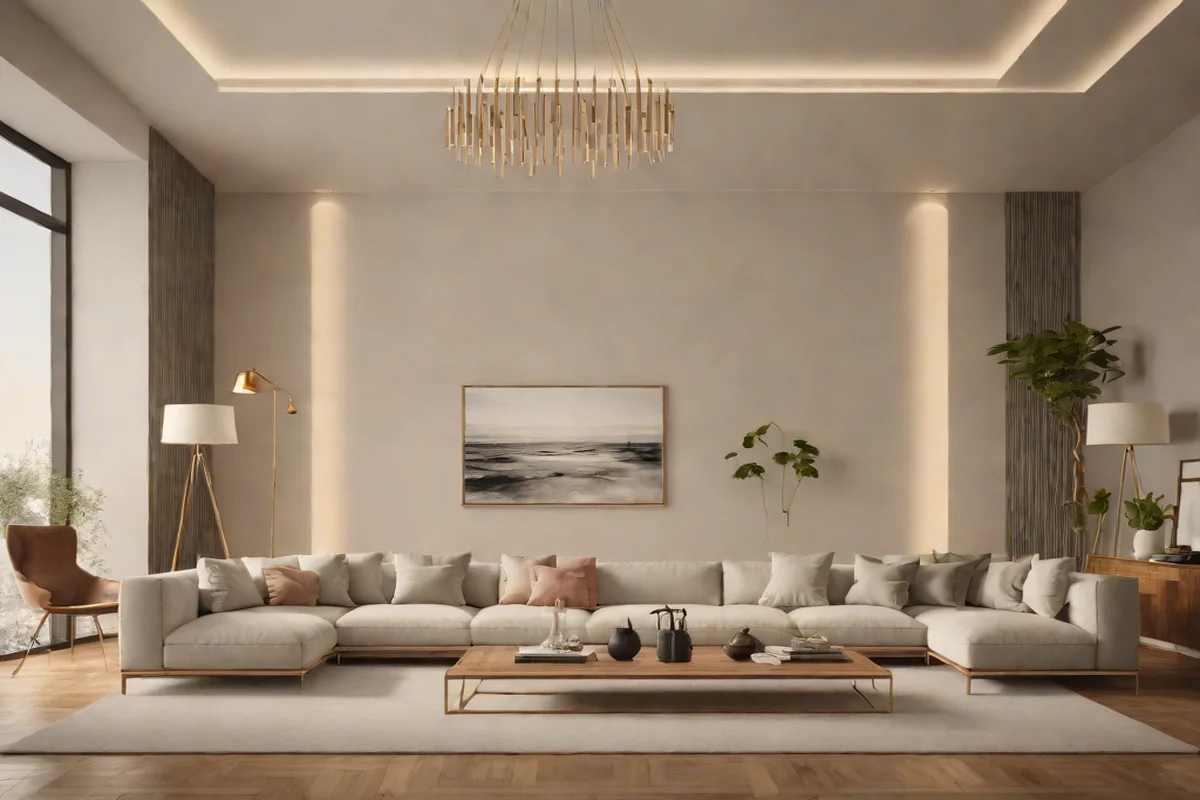
If you can, pull your sofa away from the wall – even just by four inches. It might seem counterintuitive, but “floating” your furniture makes the room feel more breathable. It shows that you have “space to spare” behind the sofa, which is a powerful psychological trick.
24. Use Benches as Multi-Use Seating
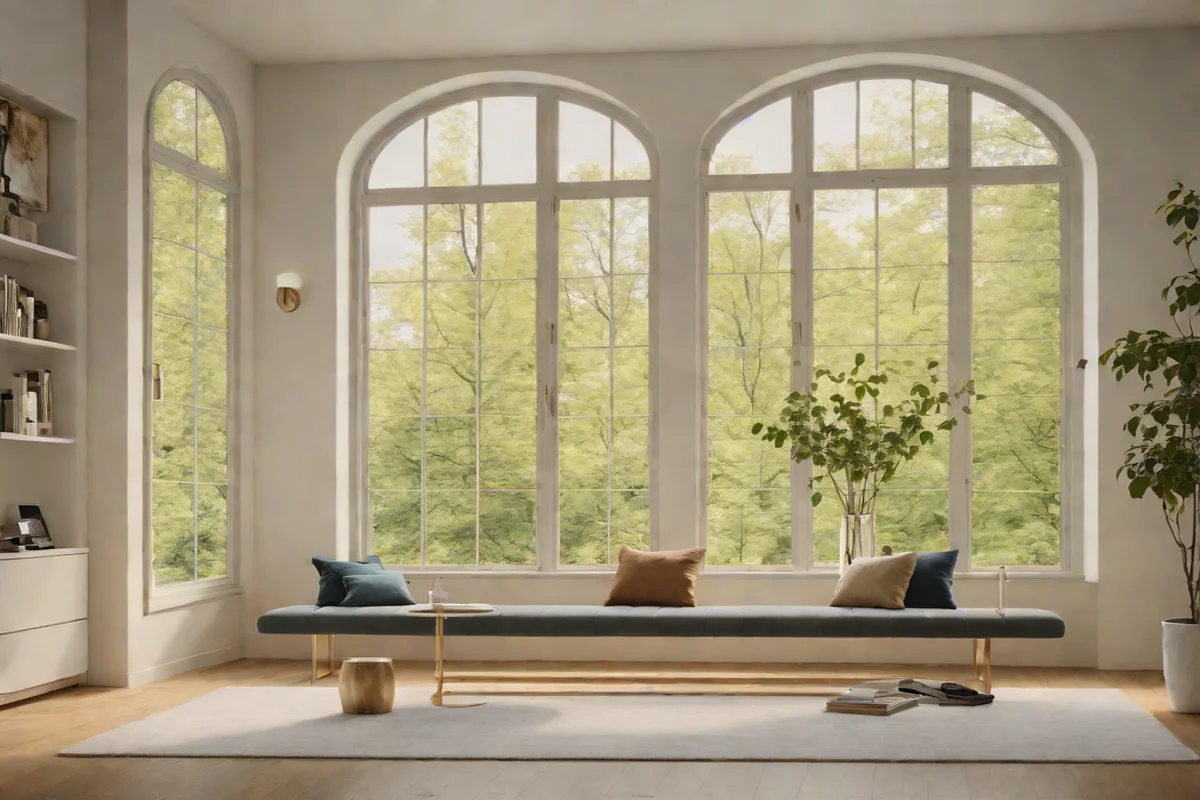
A slim bench can sit under a window or behind a sofa. It provides extra seating for guests without the visual bulk of a high-backed chair. It can also double as a temporary coffee table or a place to drop books.
25. Pocket-Sized Reading Nooks
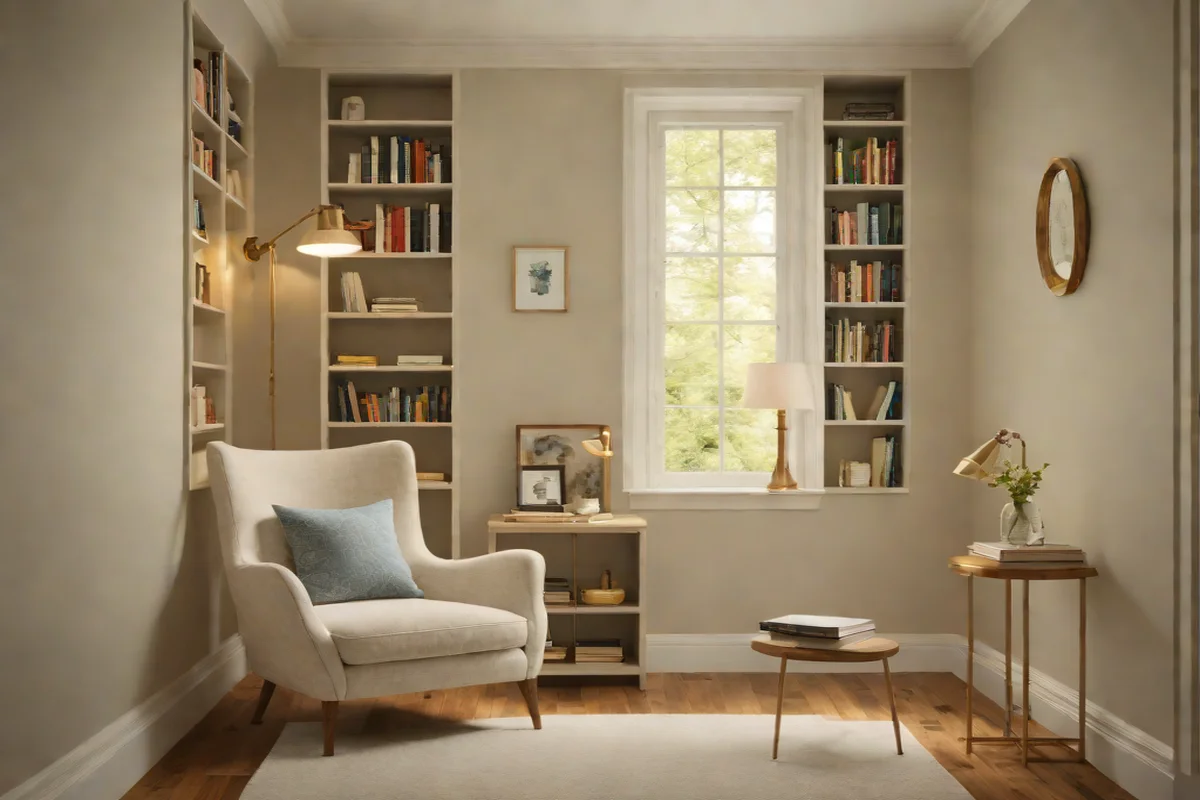
Identify a small, unused corner and add a comfortable chair and a wall-mounted light. Turning a “dead space” into a cozy reading nook adds another “room” to your apartment, making it feel much more functional and high-end.
26. Sheer Curtains for Maximum Light
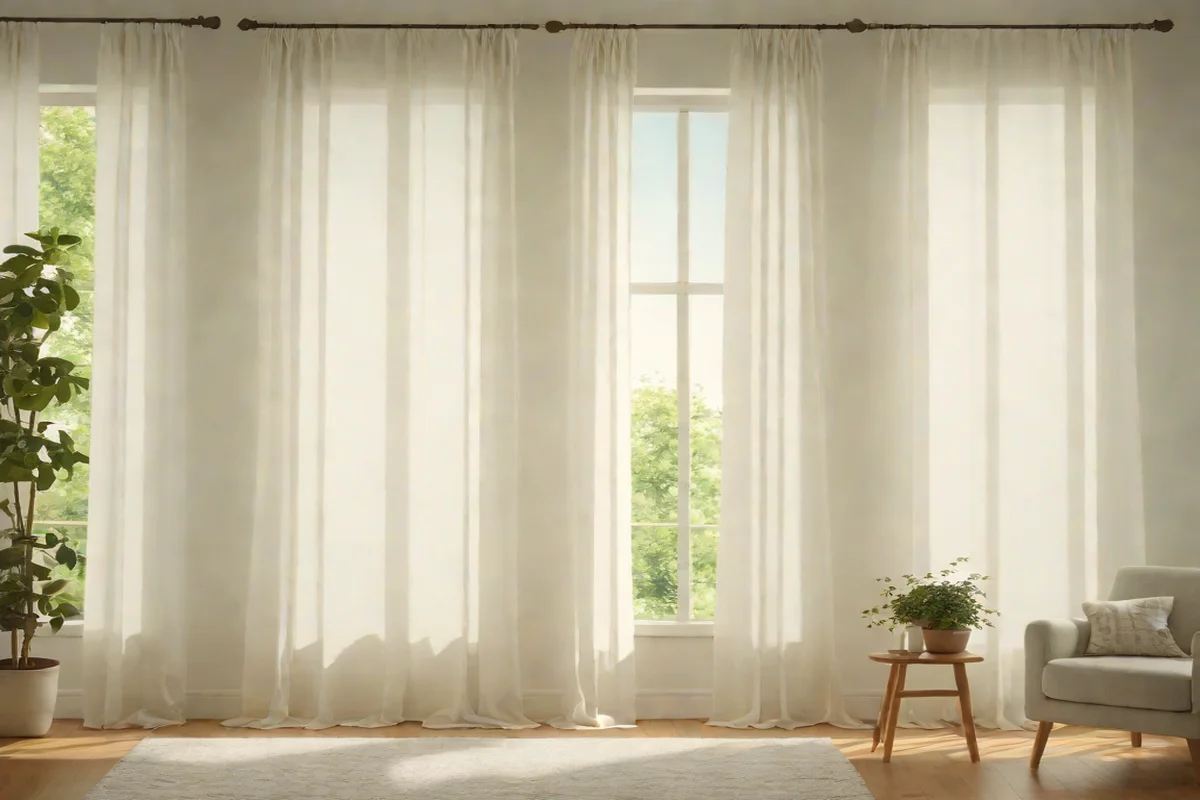
Heavy velvet drapes can feel suffocating in a small unit. Sheer white curtains are the way to go. They provide privacy but allow every bit of natural sunlight to flood the room, keeping the atmosphere fresh and vibrant.
27. Integrated Storage Benches
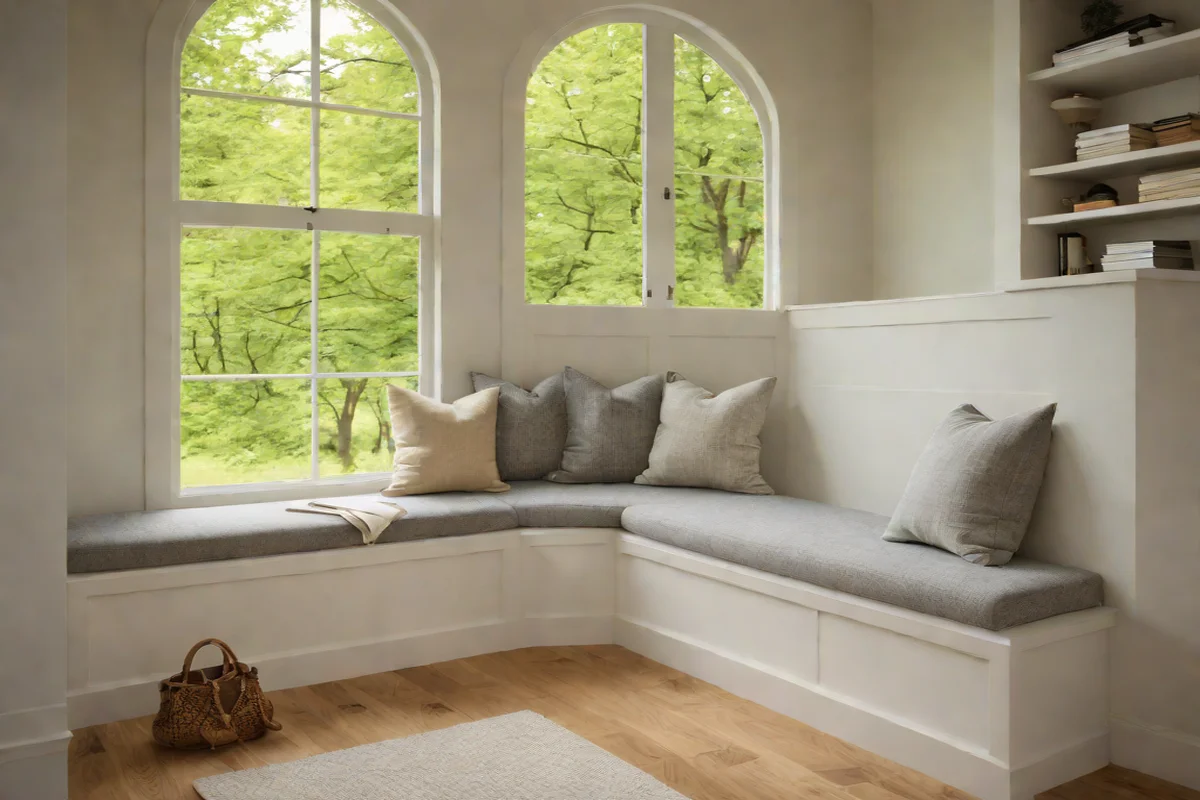
If you are building a window seat or a dining bench, make sure the top flips up for storage. It’s the perfect place for extra pillows, blankets, or board games. Hidden storage is the backbone of a successful small-space design.
28. Use Vertical Stripes to “Lift” the Ceiling
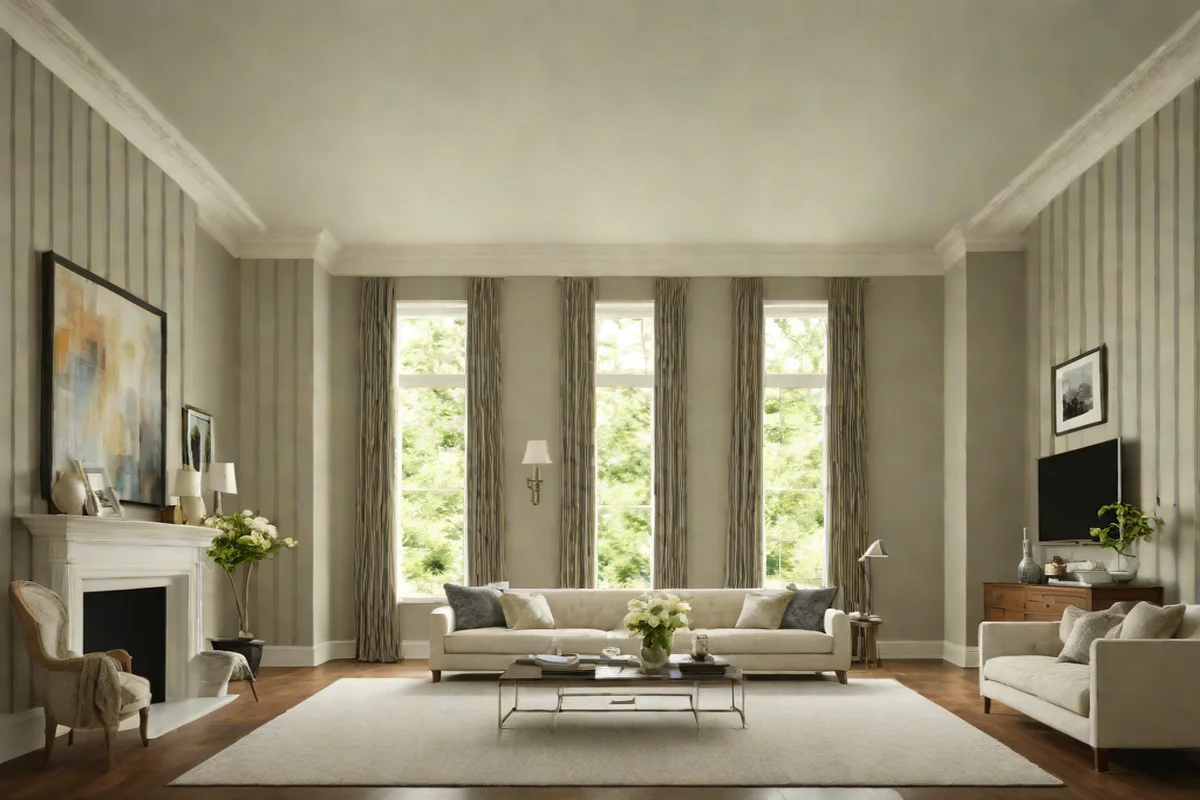
Whether it’s through wallpaper or a striped rug, vertical lines act as a visual ladder. They trick the brain into thinking the distance between the floor and the ceiling is greater than it is, which adds a sense of grandeur to the apartment.
29. Keep the Center of the Room Clear
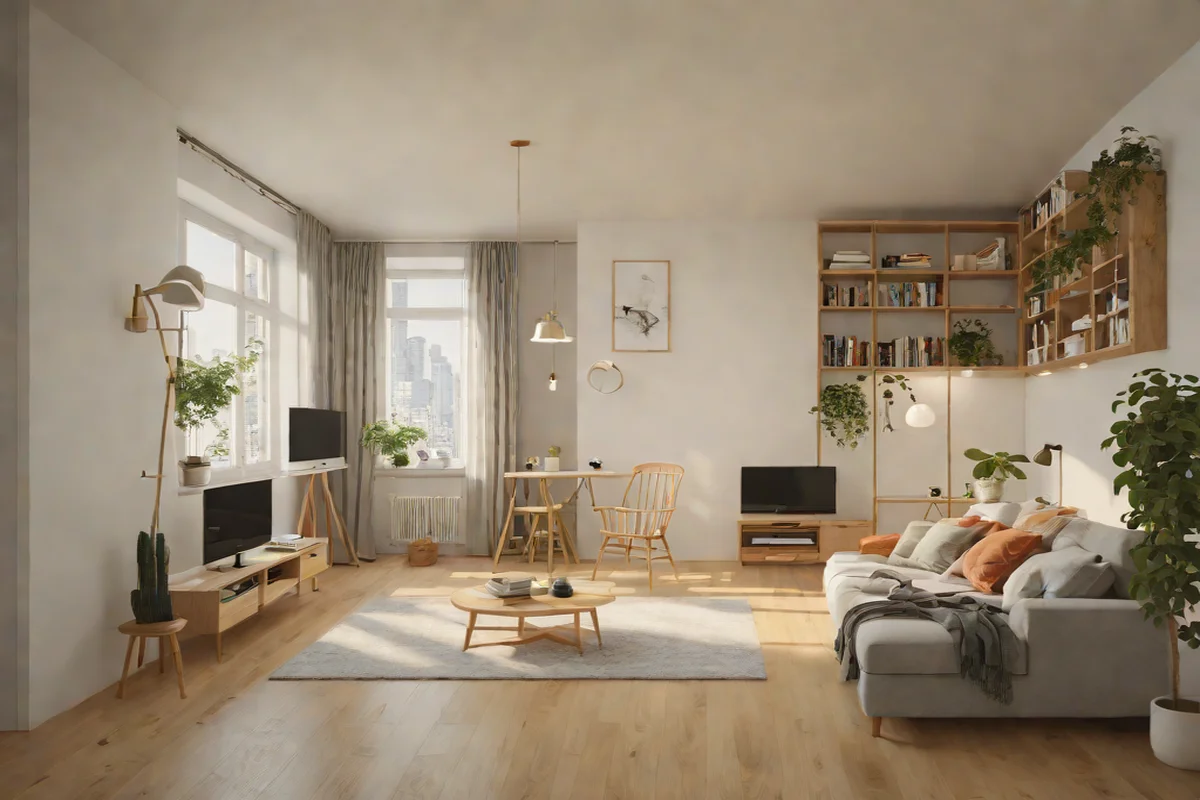
To maintain a sense of “flow,” try to keep the very center of your floor plan clear. This allows for easy movement and makes the room feel like it has “breathing room,” rather than being packed with furniture from wall to wall.
30. Mirrored Furniture Pieces
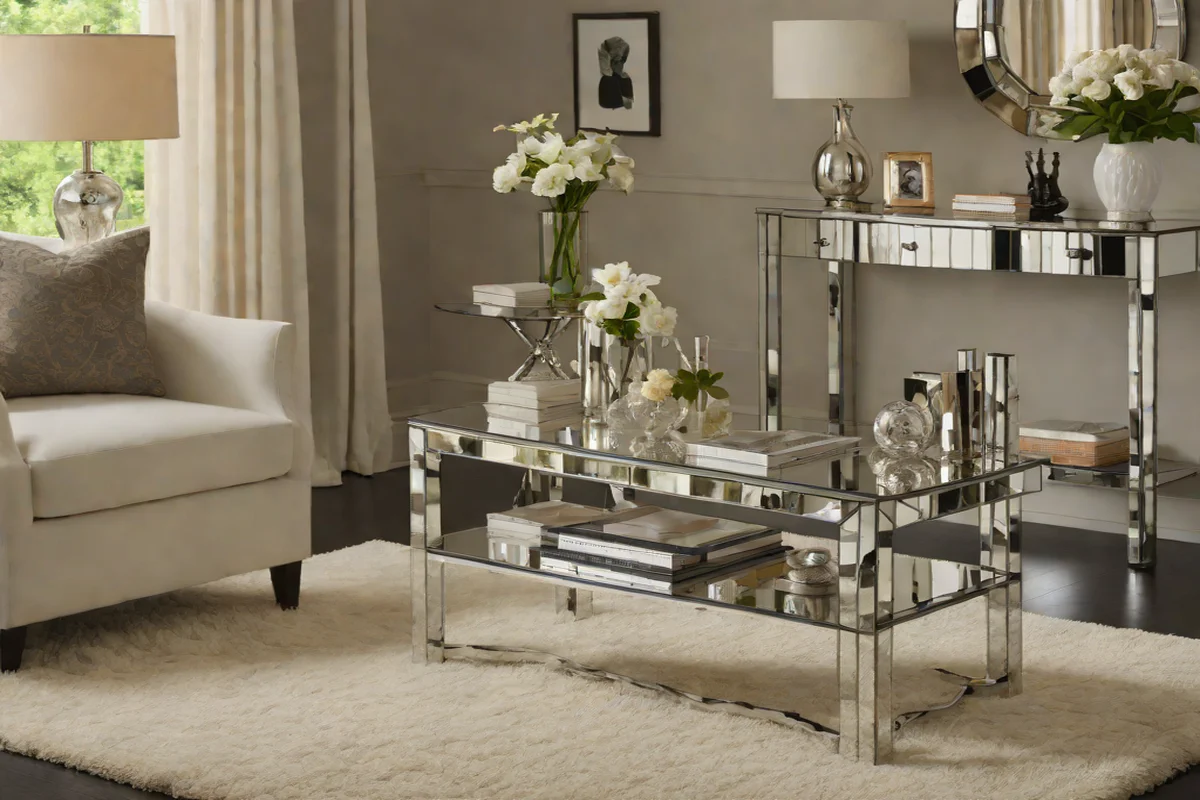
Beyond wall mirrors, consider a mirrored side table or a cabinet with mirrored doors. These pieces “disappear” into the room by reflecting the floor and walls around them, providing function without the visual clutter of solid wood.
31. Consistent Material Rhythm
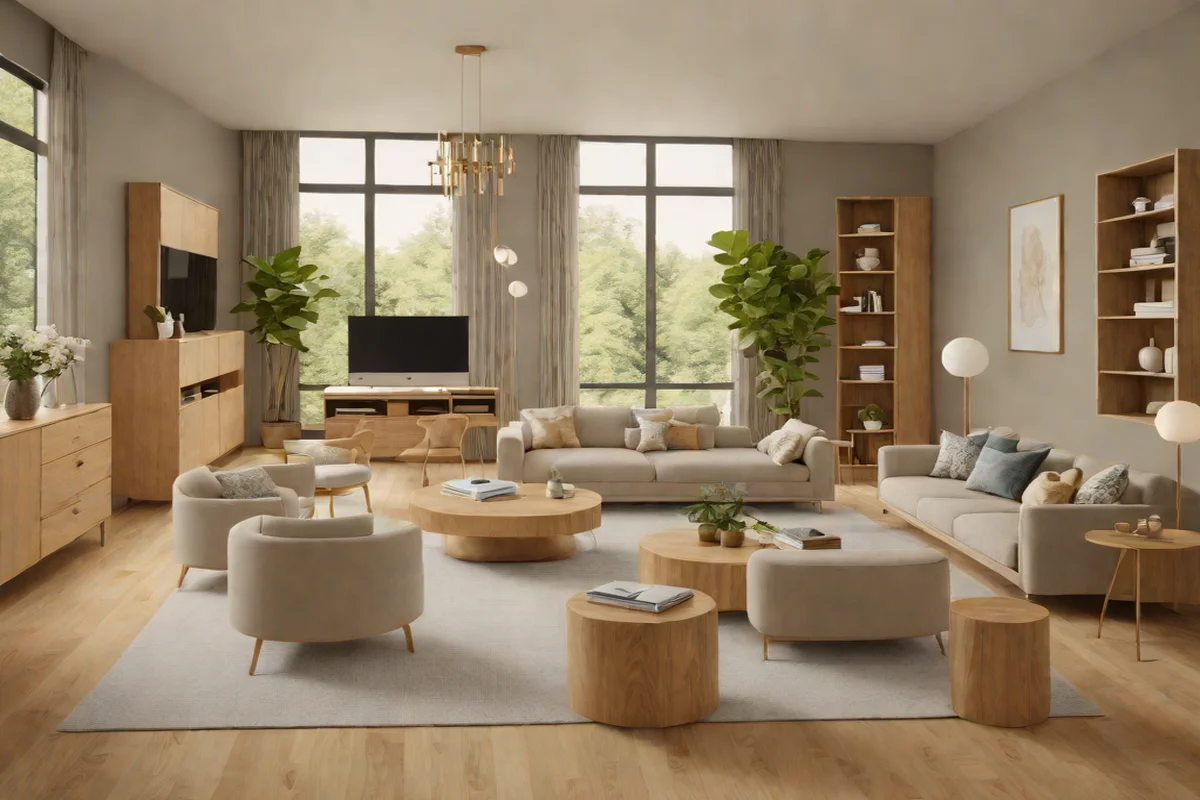
Use the same wood tone or metal finish throughout the room. If you have gold lamps, use gold in your picture frames. This consistency creates a unified look that is easy for the eye to process, making the space feel calm and professionally curated.
32. Declutter Surfaces Daily
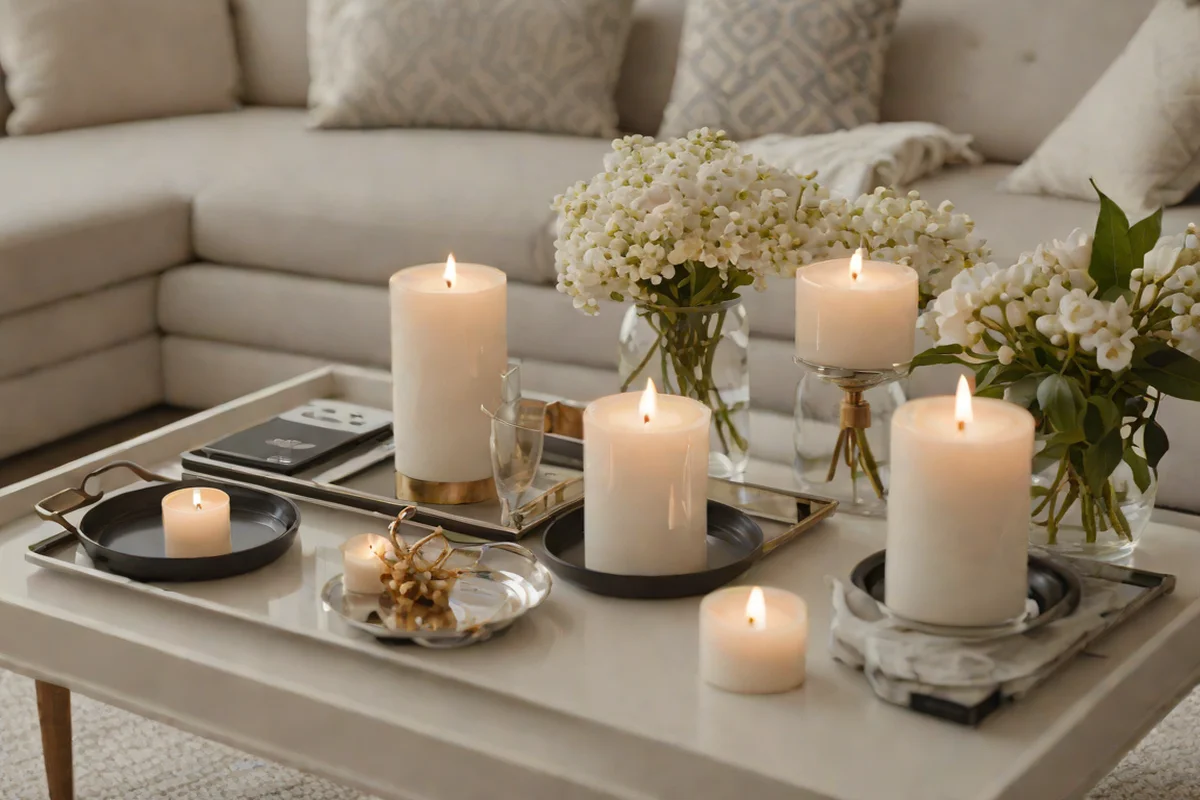
In a small apartment, three misplaced items can look like a mountain of mess. Keep your surfaces clear. Use trays to group items like remotes and candles so they look intentional rather than scattered. A clean room is a larger-looking room.
33. Use “Invisible” Storage for Media
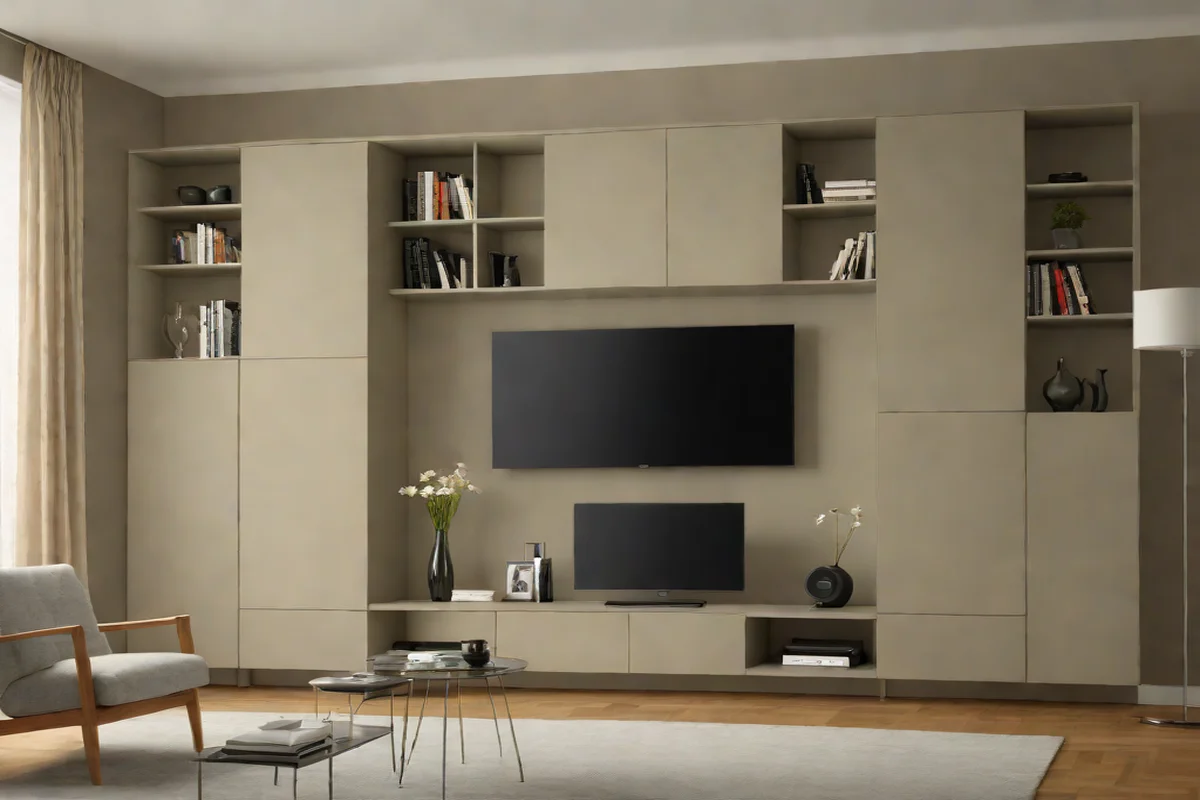
If you have a lot of electronics, hide them in a ventilated cabinet that matches your wall color. When the black boxes and tangled wires are hidden, the room’s aesthetic can truly “bloom” without the technical distraction.
34. Add Height with Tall Floor Lamps
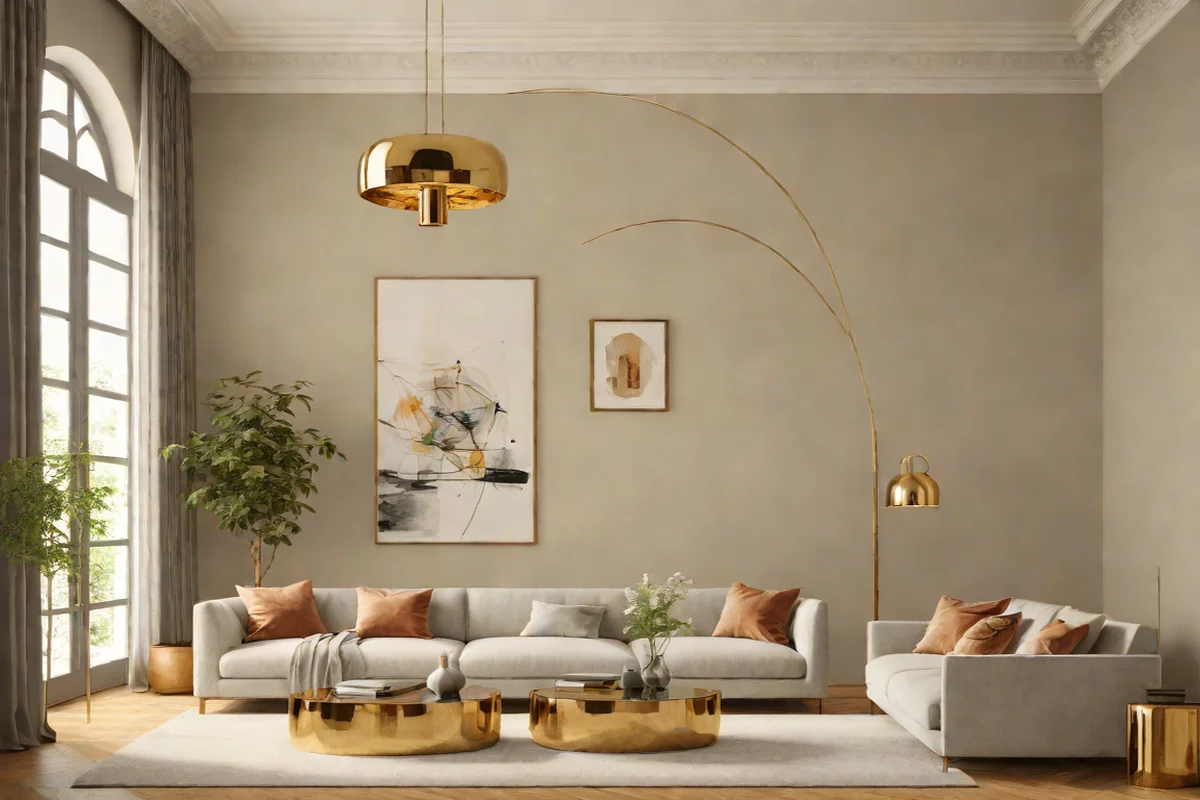
A tall, arched floor lamp provides light and adds a high vertical element to the room. It draws the eye up and acts as a piece of sculptural art, providing both function and a sense of scale to a compact living area.
35. The “Evolving” Decor Mindset
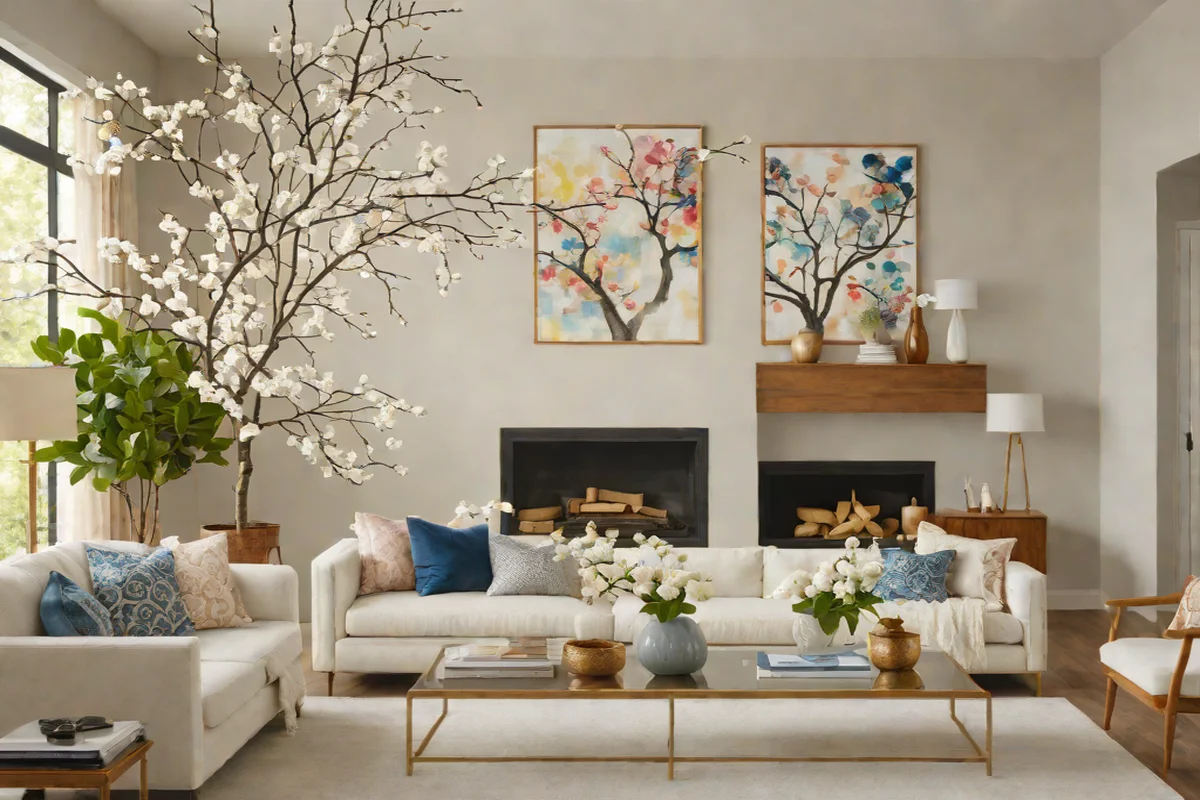
Finally, remember that your home is a living space. Don’t be afraid to move things around. Swap out pillows for different seasons and update your art. A space that evolves with you will always feel fresh and luxurious. If you’re ready to start your next project, check out our design philosophy to see how we can help you transform any space.
Conclusion: Reclaim Your Space
- What is it? High-end apartment decor for small spaces is a strategic balance of light-colored palettes, multifunctional furniture, and vertical design.
- How to achieve it? Focus on “leggy” furniture, mirrored surfaces, and a consistent monochromatic theme to create visual depth.
- Why does it matter? Your environment affects your mental well-being; a space that feels open and organized leads to a more balanced, trendy lifestyle.
- When to start? Start today by auditing your “visual noise” clear one surface and add a reflective element to see an immediate change.