
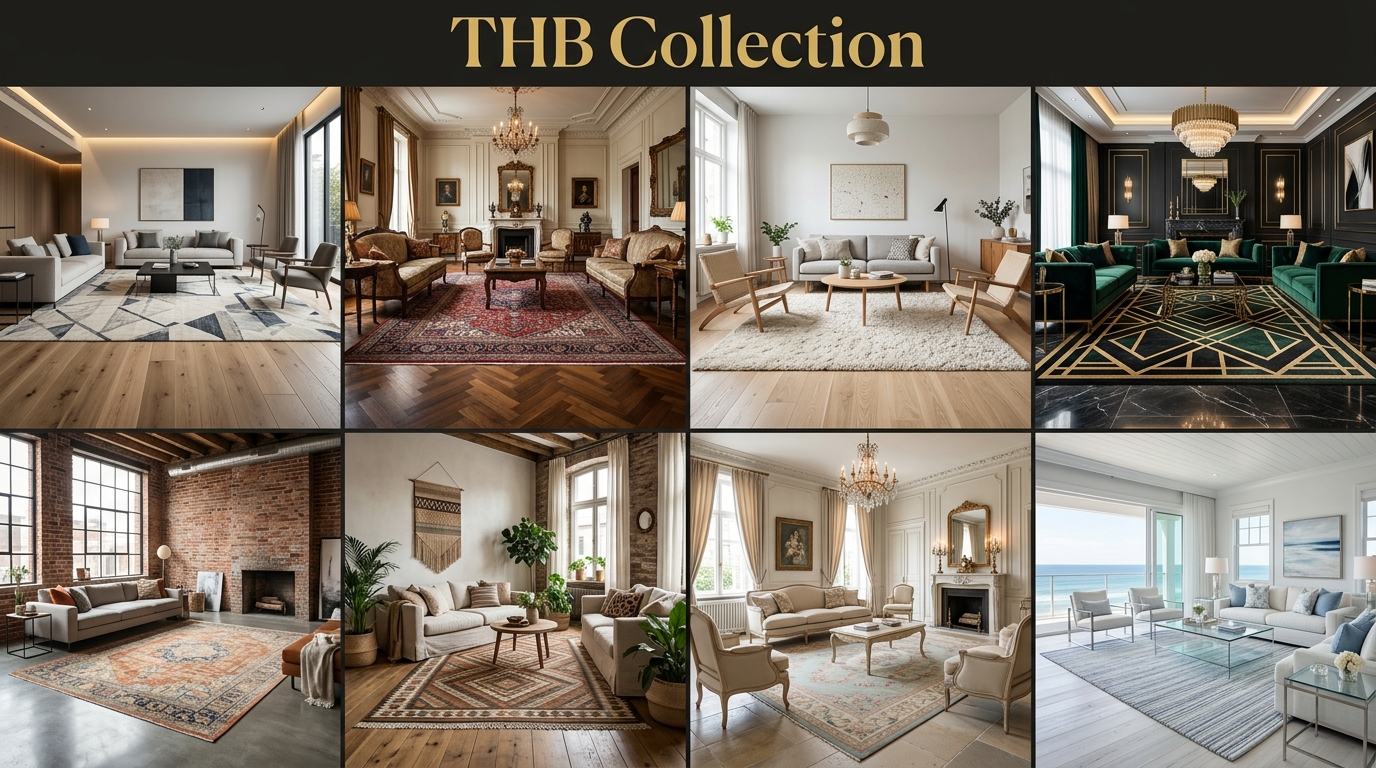
Walking into a living room without an area rug often feels like looking at furniture floating aimlessly in an empty swimming pool. A thoughtfully chosen rug does much more than just cover bare wood or cold tile; it visually connects your sofa, coffee table, and accent chairs into one cohesive conversation area. Finding the right piece can feel overwhelming with thousands of patterns, pile heights, and materials on the market today. By exploring the 15 best living room rug ideas to anchor your space, you can take the guesswork out of styling and discover practical ways to bring warmth, color, and undeniable texture to your main gathering zone, taking cues from reliable interior design tips along the way.
When you invest in the correct floor covering, you immediately change the acoustic and emotional warmth of your home. Hardwood and laminate floors look gorgeous, but they bounce sound waves around open floor plans and can feel chilly underfoot during winter mornings. A quality rug acts as a natural insulator and sound dampener while serving as the foundational art piece for your floor. Whether your personal taste leans toward muted vintage prints, thick bohemian shags, or crisp modern geometrics, understanding how to select and style these textiles will help you design a welcoming space your family will never want to leave.
1. Choose the Right Size to Prevent the Postage Stamp Effect
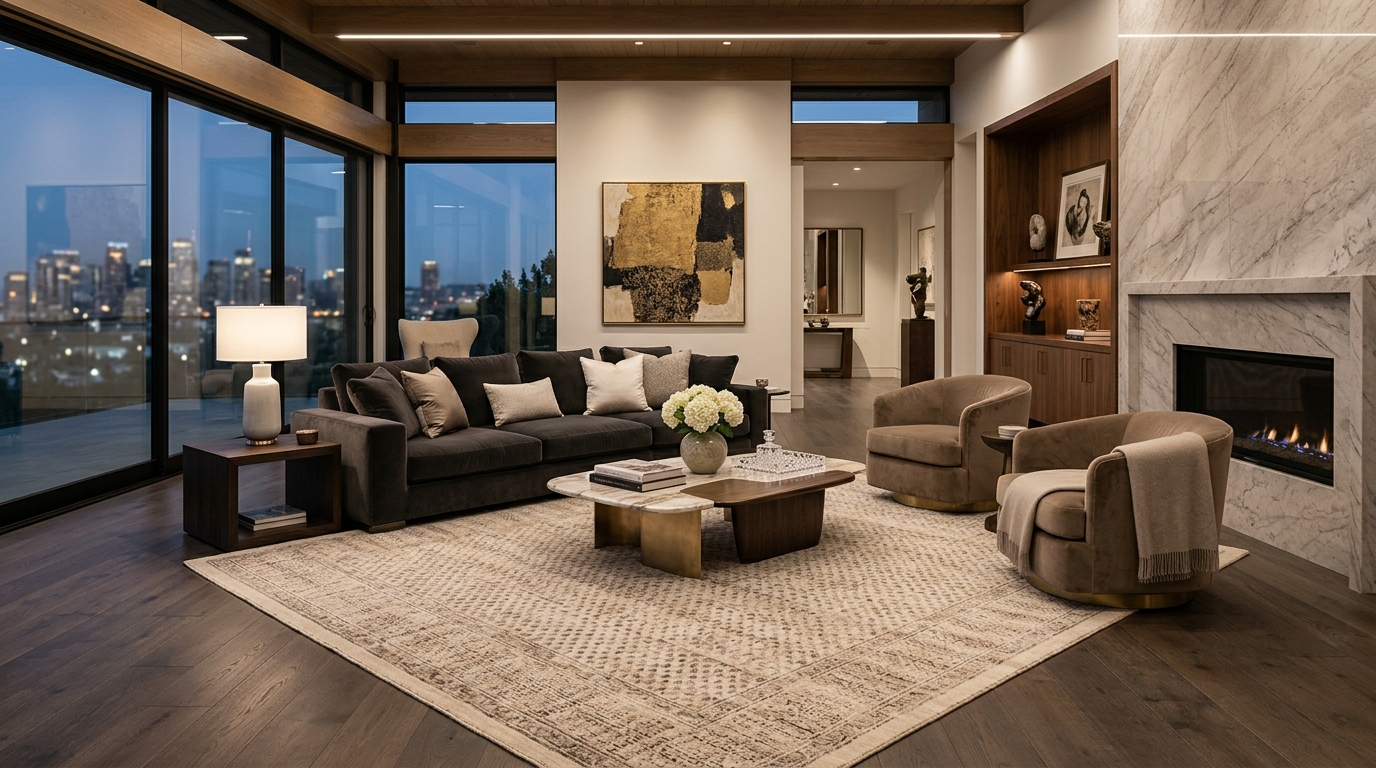
The single biggest mistake homeowners make when shopping for floor coverings is buying a size that is several feet too small for their layout. A tiny rug tucked only under the coffee table creates what interior designers call the postage stamp effect, making the entire room feel cramped, disjointed, and visually out of balance. To properly ground your seating arrangement, you need a rug large enough that at least the front two legs of your sofa and all primary armchairs sit comfortably on the fabric. In larger suburban homes, opting for a generous 9 x 12 or 10 x 14 rug allows all furniture legs to rest completely on the pile, creating a luxurious, custom-built look that works wonders alongside small layout hacks for maximizing perceived square footage.
2. Embrace Neutral Vintage-Inspired Prints for Subtle Pattern
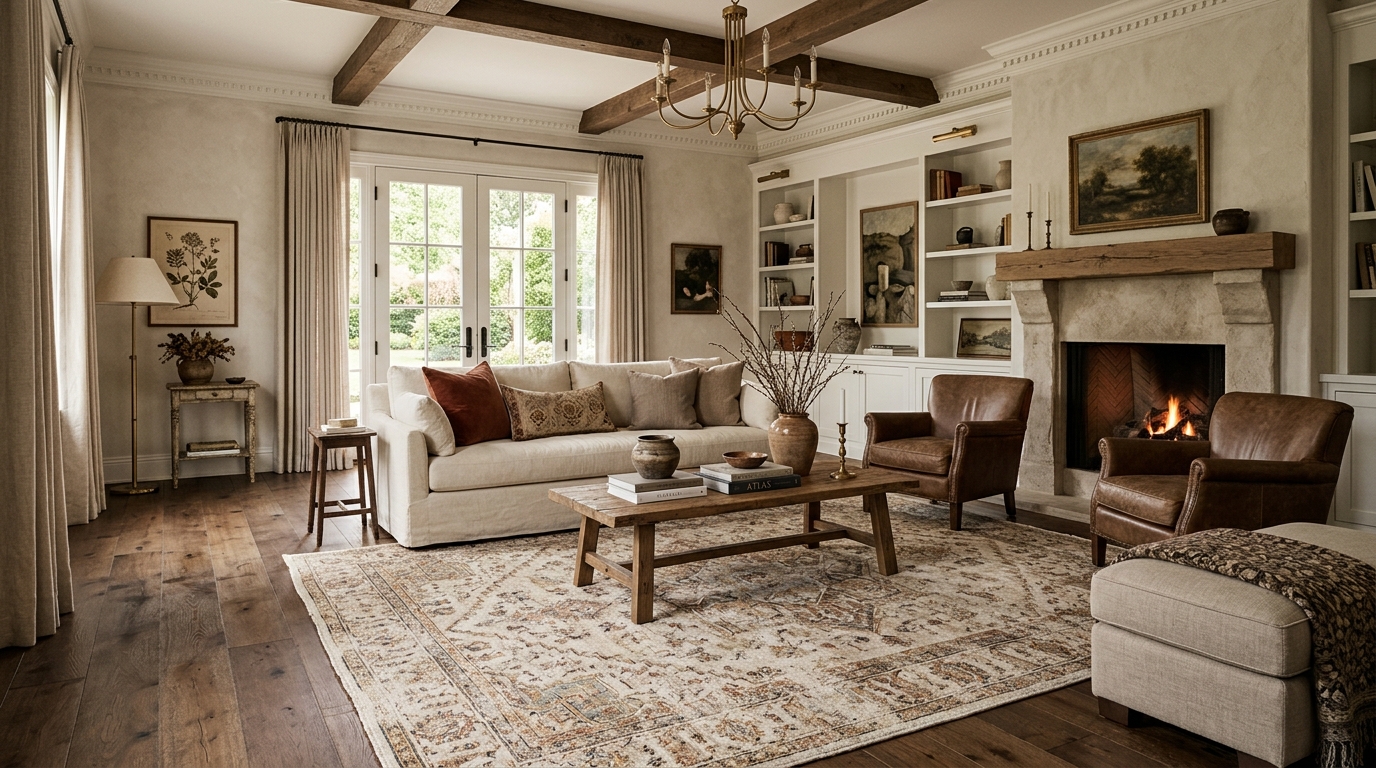
If you love the character of traditional Persian or Turkish textiles but do not want bright reds and deep blues dominating your room, neutral vintage-inspired rugs are your absolute best friend. These modern reproductions feature distressed, faded oriental patterns rendered in soft creams, warm taupes, charcoal greiges, and muted rust tones. Because the pattern is deliberately softened, it provides visual interest and historical charm without fighting against your artwork or throw pillows. As an added bonus, the intricate, multi-toned weave of vintage-style rugs makes them incredibly forgiving in high-traffic households, effortlessly hiding minor coffee spills, pet dander, and everyday dirt much better than a solid beige floor covering ever could, blending beautifully with relaxed farmhouse living styles.
3. Layer a Natural Jute Rug Under a Plush Top Layer
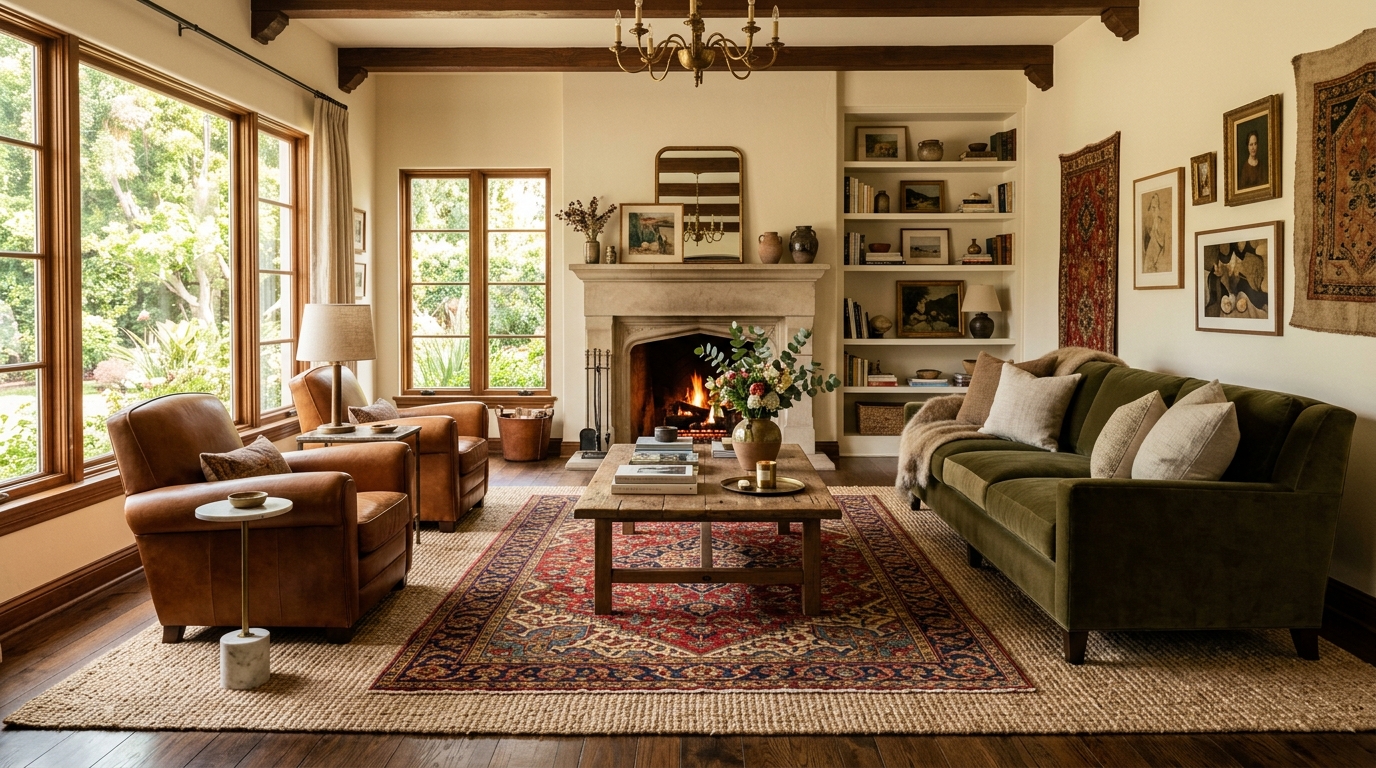
One of the most popular styling tricks among magazine stylists is the layered rug look, which combines affordability with custom designer texture. Large statement rugs can be prohibitively expensive, but you can achieve a massive visual footprint by purchasing an inexpensive 9 x12 natural fiber jute or sisal rug as your base layer. Once your neutral foundation is laid down, center a smaller 6×9 patterned wool or vintage-style rug directly on top of it. This technique creates a rich, textural border around the room while allowing you to feature an accent piece that might have been too small to use on its own. It is a brilliant way to save money while building a deeply layered, custom aesthetic reminiscent of sturdy yet durable patio rugs adapted for cozy indoor living.
Tip: When layering rugs, always choose a thin, flatweave material for the bottom jute foundation so the top rug sits smoothly without creating a dangerous tripping hazard at the edges.
4. Make a Statement With Geometric Moroccan Berber Designs
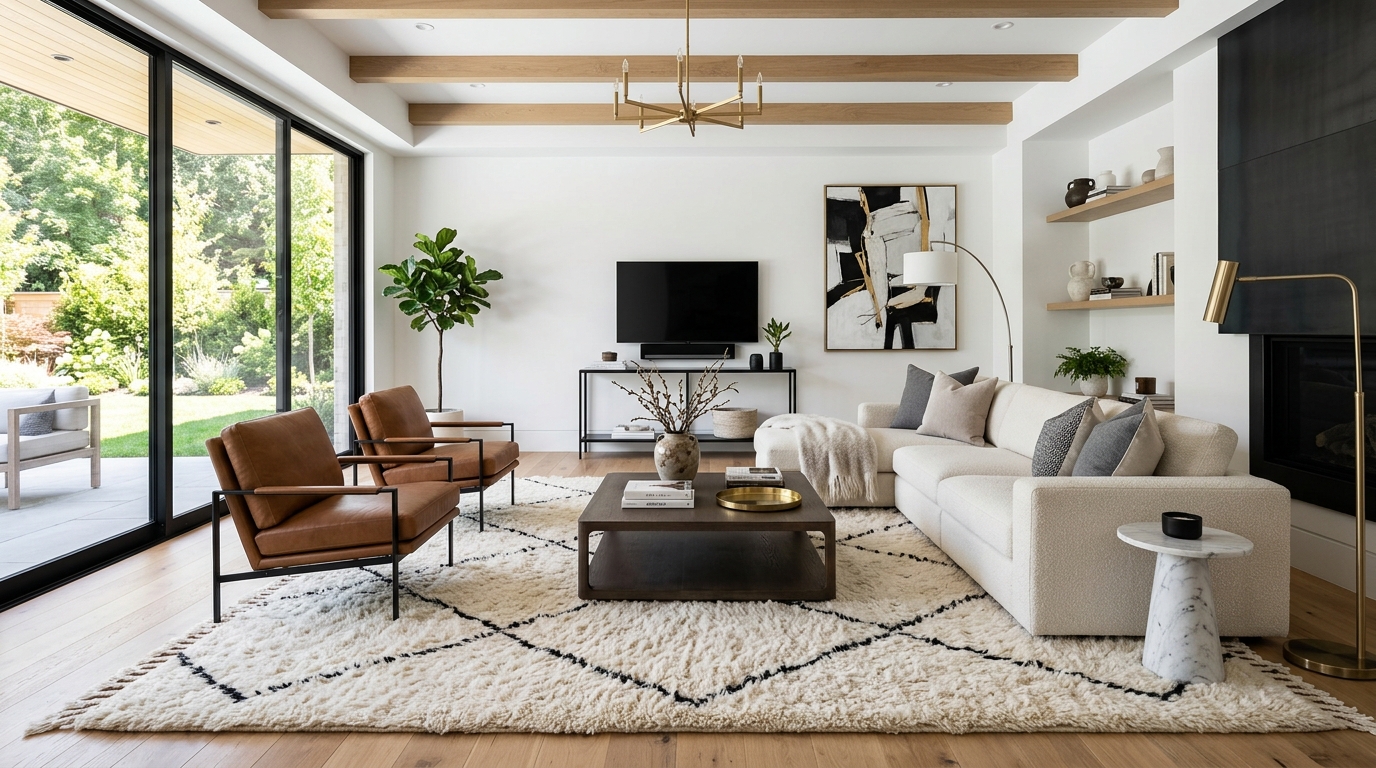
For those who prefer a clean, Nordic-inspired aesthetic, plush Moroccan Berber-style rugs offer the perfect blend of cozy texture and graphic modernism. Traditionally handwoven by the Beni Ourain tribes, these iconic rugs feature an ivory or cream wool background crisscrossed by dark brown or charcoal geometric diamond patterns. The thick, shaggy pile provides incredible softness under bare feet, making your living room feel instantly more inviting and comfortable. The high-contrast color palette fits seamlessly into crisp white rooms, helping to break up solid expanses of neutral furniture without introducing overwhelming color, making it a staple choice for modern living concepts.
5. Opt for Low-Pile Wool for Unmatched Durability and Longevity
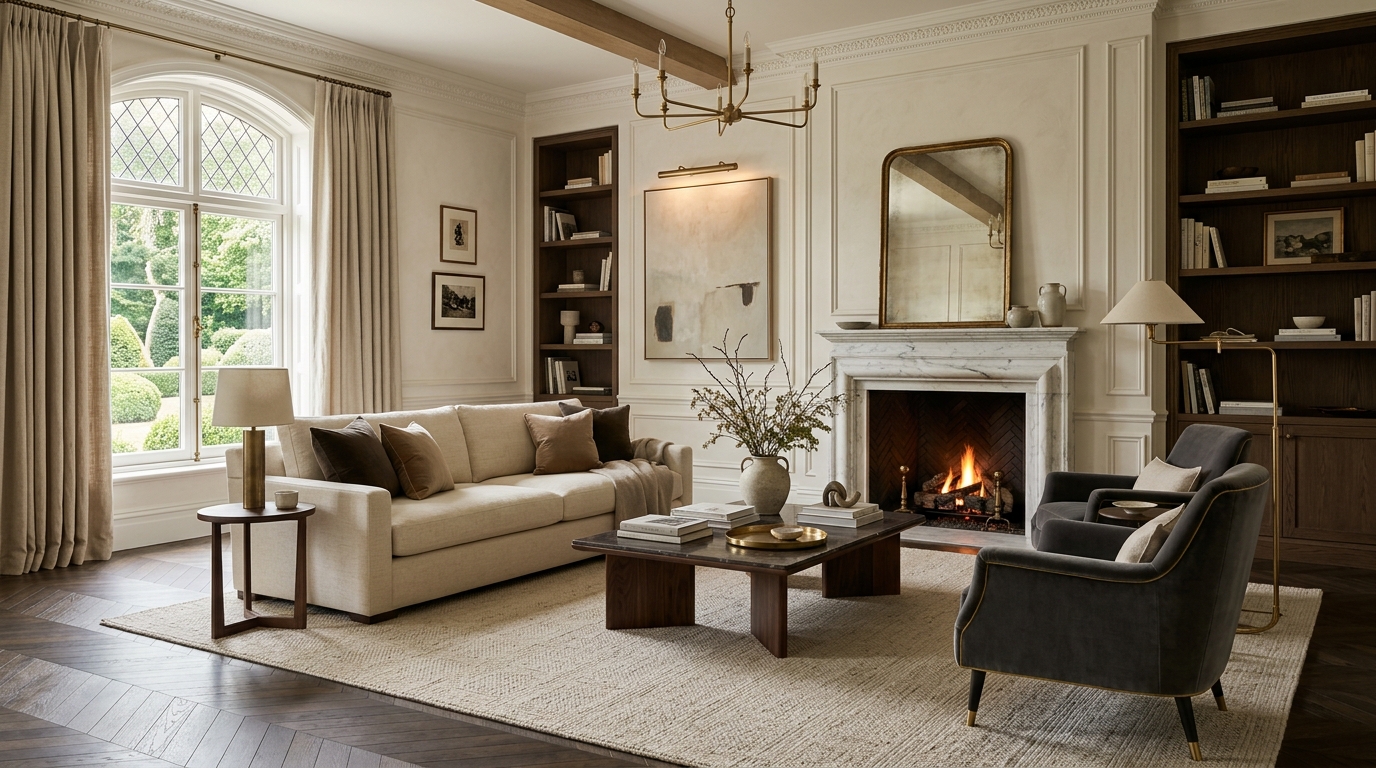
When you are shopping for a foundational home piece that needs to last for ten or twenty years, 100% natural wool is the undisputed king of rug materials. Wool fibers contain natural lanolin oils that repel liquid spills and resist dirt penetration, allowing you to easily wipe up messes before they cause permanent staining. Unlike synthetic fibers that get matted down and crushed under heavy furniture legs, wool has a natural springiness that allows the pile to bounce back to life after regular vacuuming. While a quality wool rug represents a higher initial investment than polypropylene options, its incredible lifespan makes it a smarter financial choice over time, matching the resilience you would expect from permanent bedroom floor surfaces.
6. Introduce Softness With Shag and High-Pile Textures
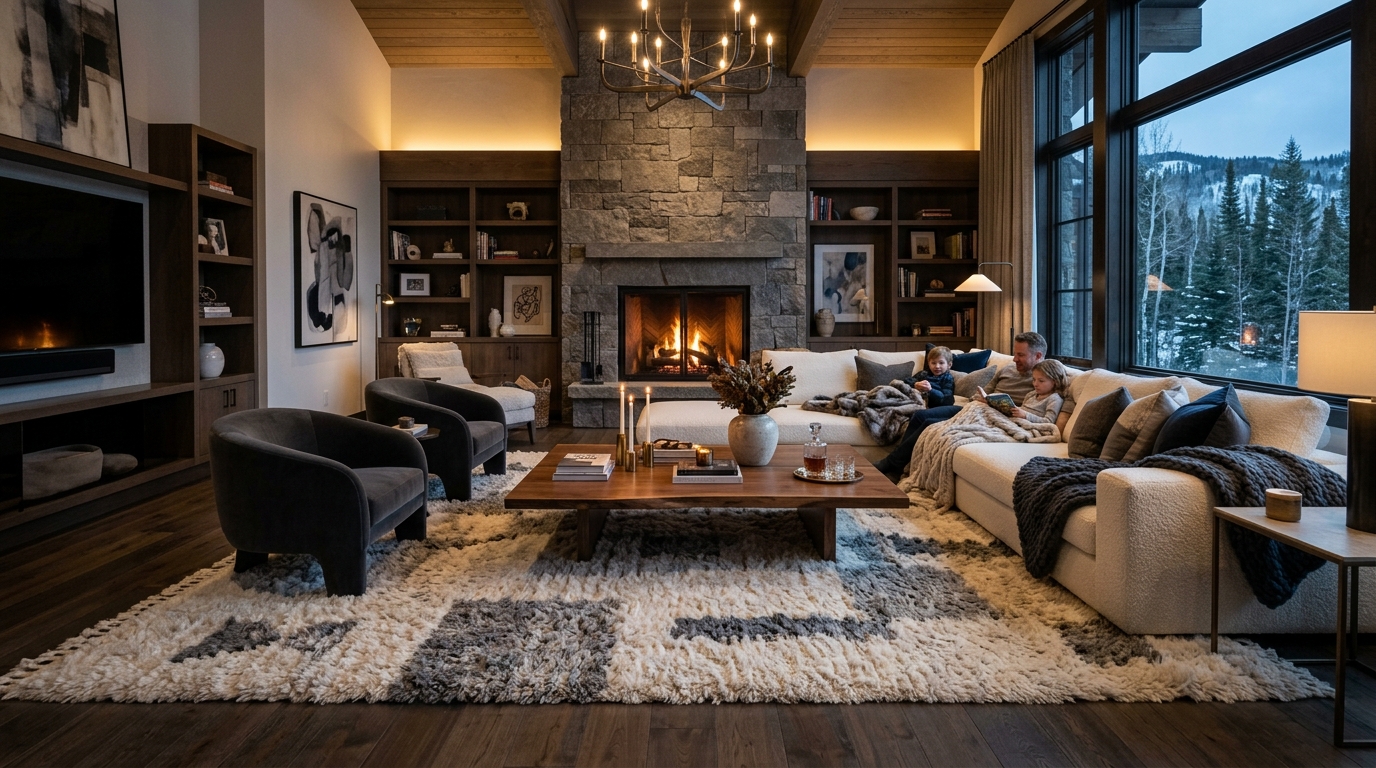
If your primary goal is creating a comfortable family zone for movie nights, board games, and children playing on the floor, nothing beats the sensory comfort of a high-pile shag rug. Today’s modern shag rugs have evolved far past the dated styles of the 1970s, offering sophisticated, dense piles in refined colors like ivory, slate gray, and warm oatmeal. The extra length of the yarn strands creates a cloud-like cushioning that softens hard floors and makes floor seating just as comfortable as sitting on the sofa. When maintaining high-pile rugs, remember to turn off your vacuum’s rotating beater bar, as the spinning bristles can pull and frizzle the delicate long yarns over time.
7. Define Open-Concept Layouts With Strategic Placement
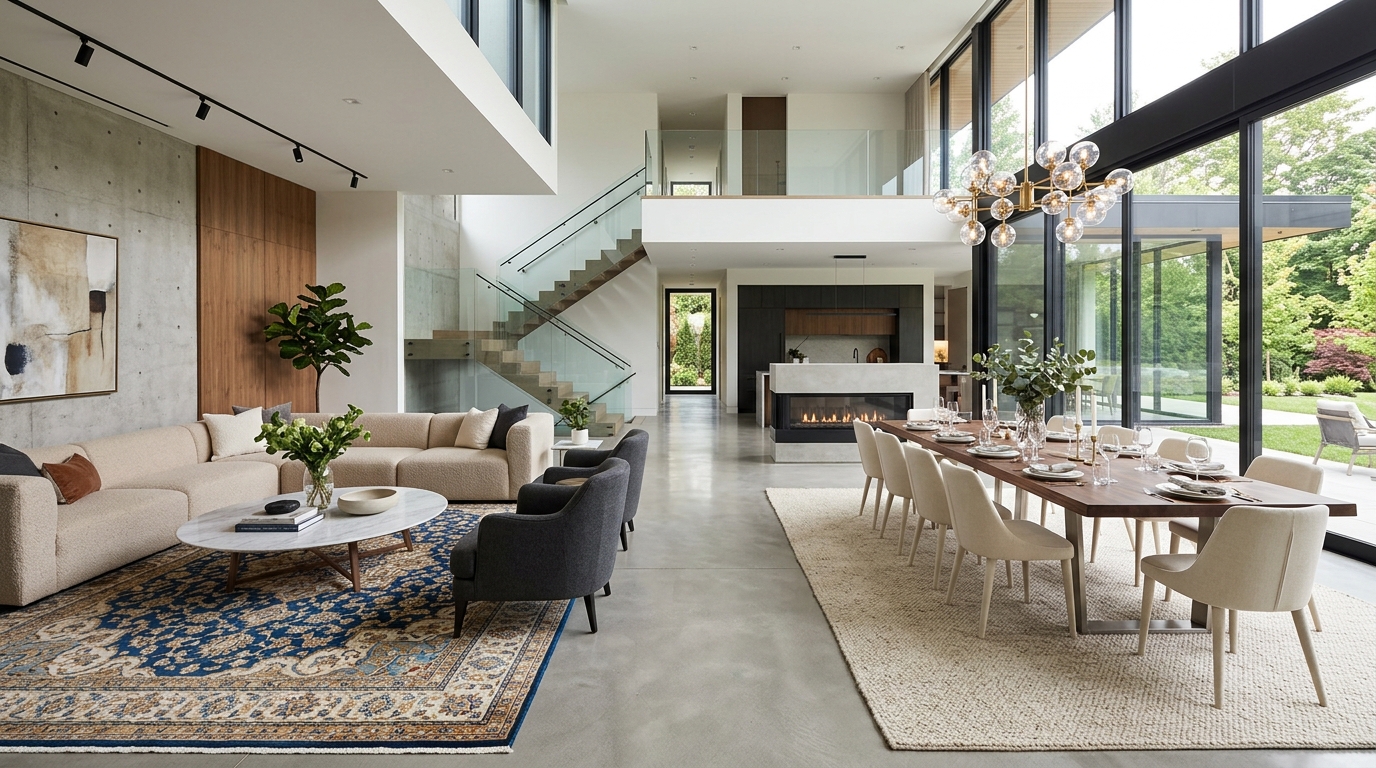
In modern homes where the kitchen, dining room, and living area all share one expansive footprint, area rugs serve as essential visual dividers. Without physical walls to separate your living activities, rugs act as boundaries that signal where the relaxation zone begins and ends. To establish a structured layout, use a distinct rug under your sofa grouping that clearly differentiates it from adjacent dining rug styles placed under your eating table. Keep the color palettes complementary between the two zones – such as pairing a patterned living room rug with a textured solid dining rug – to maintain overall floor plan harmony while establishing clear room functionality.
8. Add Warmth With Earthy Terra Cotta and Warm Beige Tones
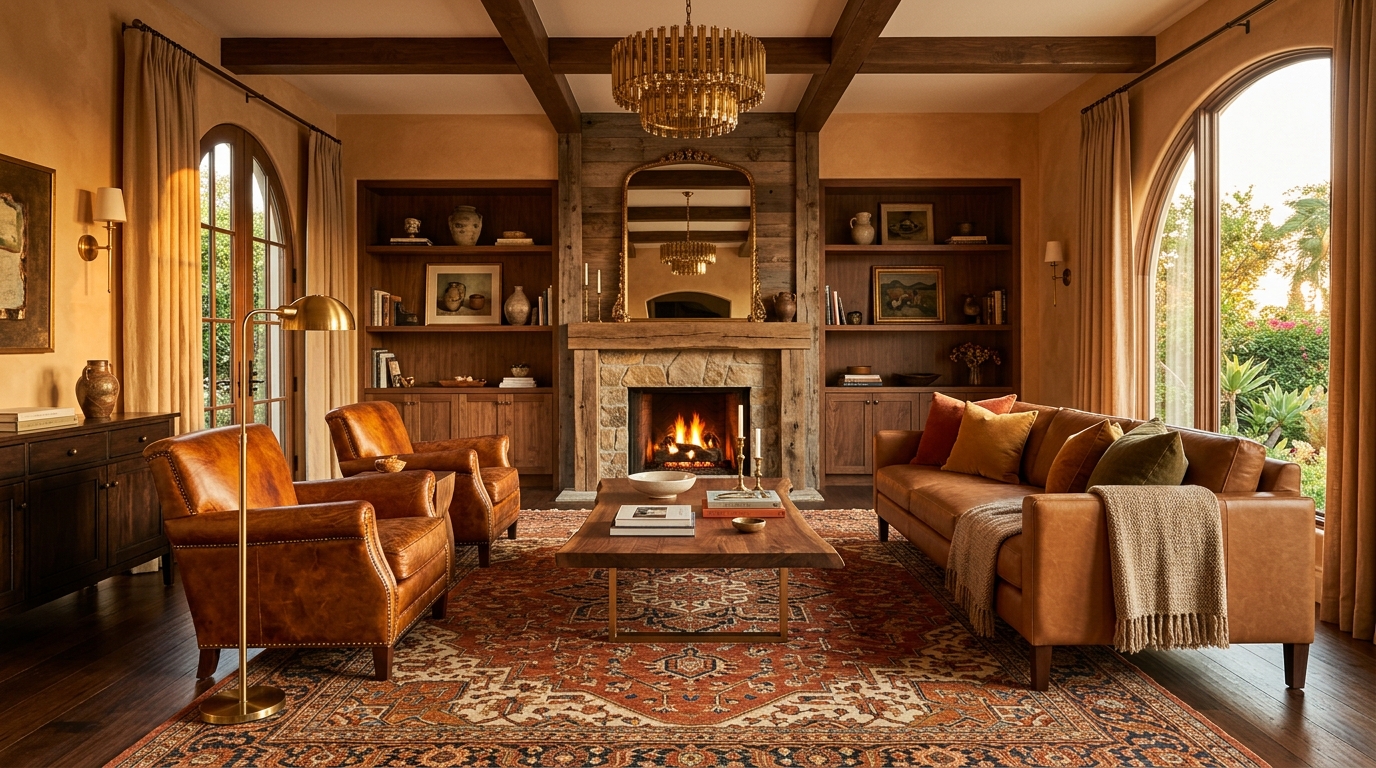
The design world has officially moved away from cool, icy gray interiors and embraced a return to warm, earthy, and sun-baked color palettes. Swapping out a sterile gray rug for one featuring rich terra cotta, warm caramel, spiced cinnamon, or deep ochre tones instantly infuses your living room with welcoming energy. These grounding colors mimic natural landscapes and pair beautifully with leather armchairs, brass lighting fixtures, and natural wood furniture. Even if your walls are painted a simple off-white, introducing an earthy colored rug anchors the space and keeps the room from feeling floating or overly clinical.
Tip: Pull an accent shade like rust or sage green directly from your new patterned rug and repeat that exact color in two or three throw pillows on your sofa for an instantly designer-curated appearance.
9. Try Organic Asymmetrical and Wavy Rug Shapes
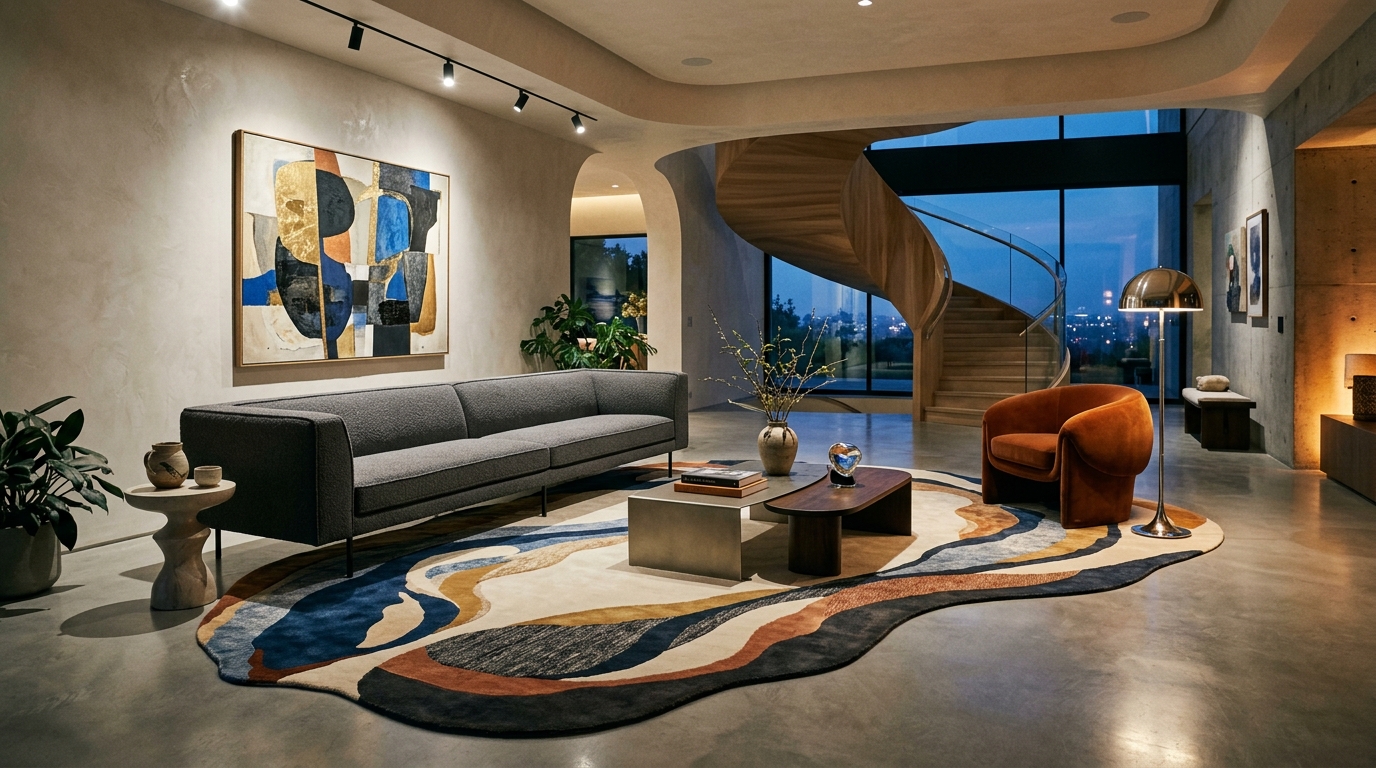
Who says an area rug has to be a standard rectangle or square? One of the most exciting interior trends right now is the use of organically shaped, wavy, and asymmetrical rugs that break free from traditional geometry. These sculptural floor coverings feature curved edges, pebble-like outlines, and fluid silhouettes that mimic natural forms found in nature. Placing an asymmetrical rug underneath a modern, linear sofa creates a brilliant visual contrast that softens the sharp angles of standard room architecture. It is an artistic, playful choice that acts as a true conversation starter while adding dynamic movement to your living space.
10. Select Washable Rug Materials for Pet-Friendly Homes
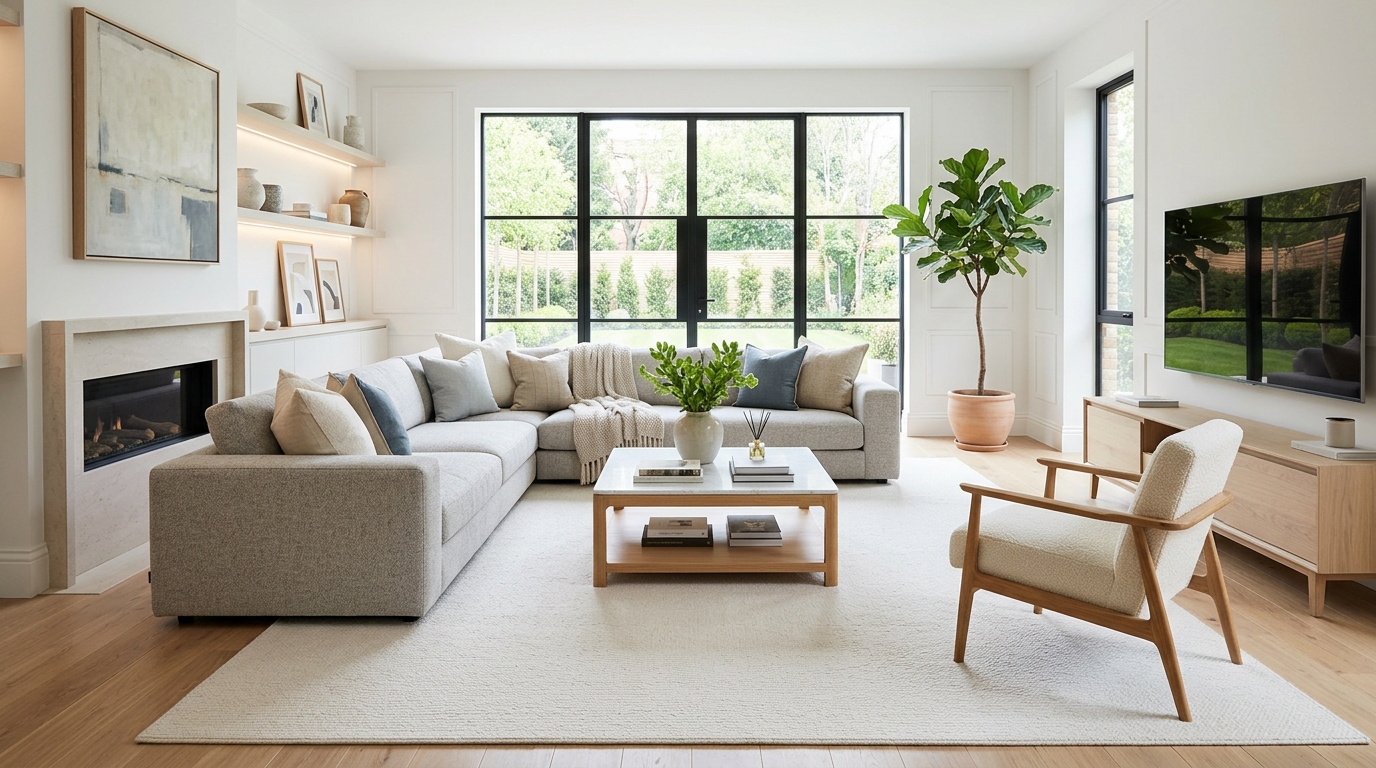
For households with active toddlers, shedding dogs, or cats prone to hairballs, traditional dry-clean-only rugs can turn into a constant source of daily stress. The rise of machine-washable two-piece rug systems has completely revolutionized how families decorate their high-traffic living rooms. These clever designs feature a lightweight, stain-resistant decorative top cover that clings securely to a non-slip bottom pad. When a spill or pet accident occurs, you simply peel off the top layer and toss it directly into your standard home washing machine. This practical innovation allows you to enjoy light-colored rugs without the constant fear of permanent stains, offering the same utility needed for durable workspace flooring options.
11. Use Bold Striped Patterns to Visually Expand Small Rooms
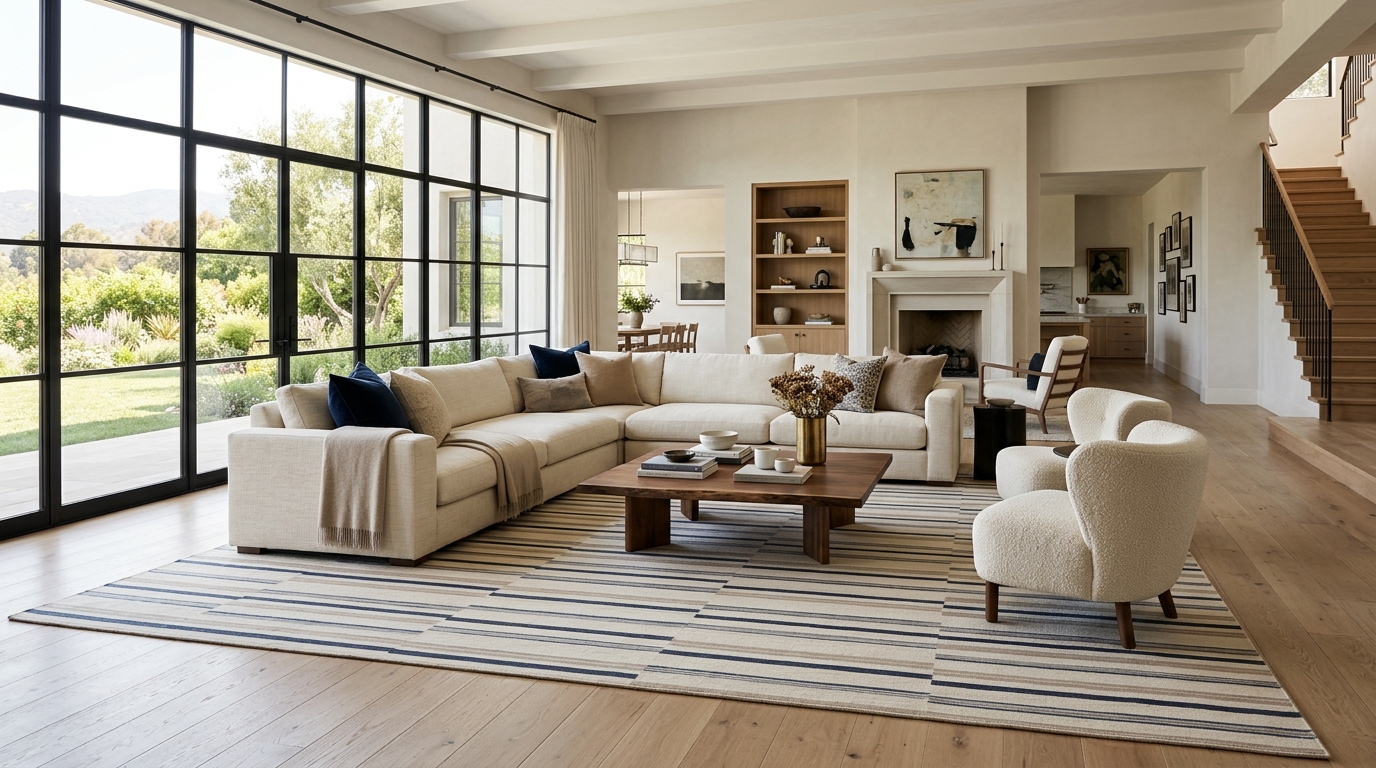
Just as vertical stripes on clothing can change perceptions of height, striped area rugs can manipulate the visual proportions of a challenging living room layout. If your living room feels narrow and cramped, laying down a rug with stripes running perpendicular to the longest walls will trick the human eye into seeing a much wider, more expansive room. For a sophisticated look that does not feel like a circus tent, choose rugs with classic stripes in muted, tonal colorways – such as cream and beige, or navy and soft gray. This optical illusion adds graphic structure to your floor while actively improving the spatial balance of your home.
12. Create Contrast With Dark Moody Area Rugs
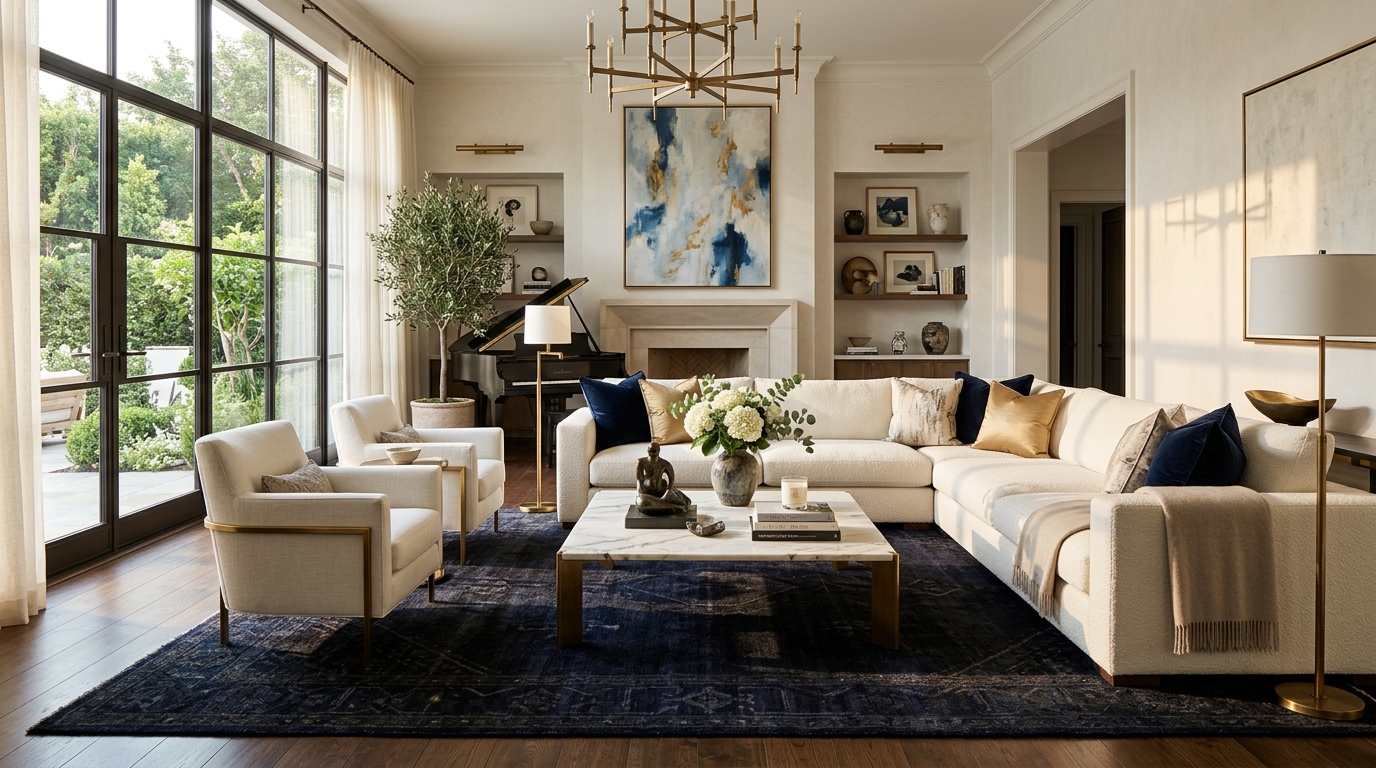
While bright, light-colored rugs are wonderful for airy spaces, dark and moody rugs offer dramatic grounding power that should not be overlooked. Deep shades like midnight indigo, charcoal gray, forest green, and rich eggplant create a sophisticated foundation that makes lighter furniture pieces truly pop. A dark rug is particularly effective in sun-drenched rooms with walls of windows, where it absorbs excess glare and anchors floating furniture arrangements with visual weight. Pairing a deep, saturated floor covering with lighter upholstery and warm mixed metal accents creates a rich, moody contrast that feels intensely luxurious and tailored.
13. Prioritize Flatweave Dhurries and Kilims for Easy Maintenance
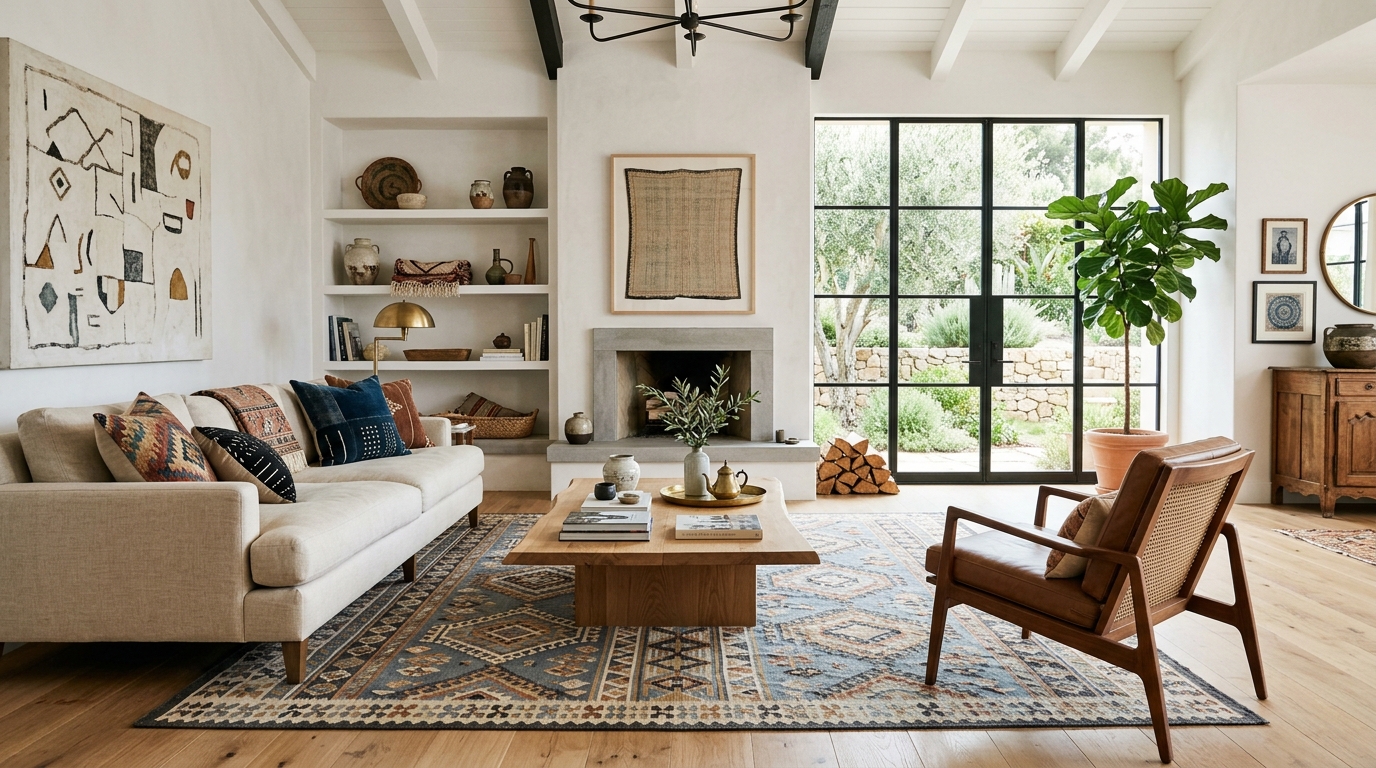
If you love casual, bohemian, or global-inspired decor, flatweave dhurries and traditional kilims should be at the very top of your shopping list. Unlike plush pile rugs that are constructed by tying individual knots around a foundation, flatweaves are woven tightly on a loom without any raised pile whatsoever. This thin, flat profile means they do not trap dust mites, pet dander, or outdoor allergens, making them the healthiest possible choice for allergy sufferers. Additionally, many flatweave rugs are completely reversible, allowing you to simply flip the rug over to double its lifespan whenever one side begins to show standard foot traffic wear.
14. Coordinate Rug Undertones With Existing Wood Flooring
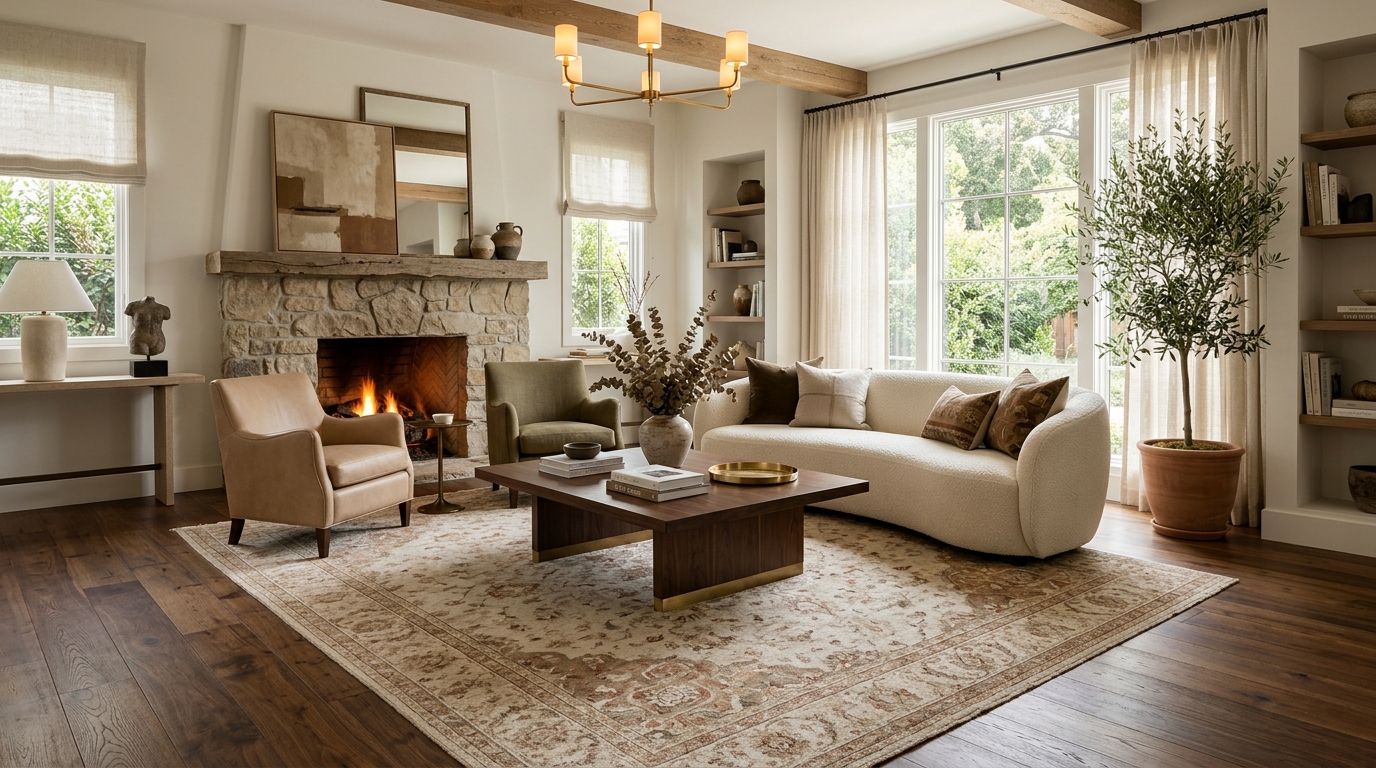
When selecting your favorite rug color, you must always evaluate how its undertones interact with the specific wood stain of your living room floors. Putting a cool, blue-gray rug on top of warm red oak or yellow pine floors can cause a jarring visual clash that makes both surfaces look out of place. If your wood floors have warm honey, red, or orange undertones, look for rugs featuring warm creamy whites, rich earth tones, or warm greens to harmonize with the wood. Conversely, if you have cool gray-washed laminate or dark ash flooring, cooler rug palettes featuring silver, crisp white, and cool blue will create a peaceful, intentional palette.
15. Secure Everything With a High-Quality Felt Rug Pad
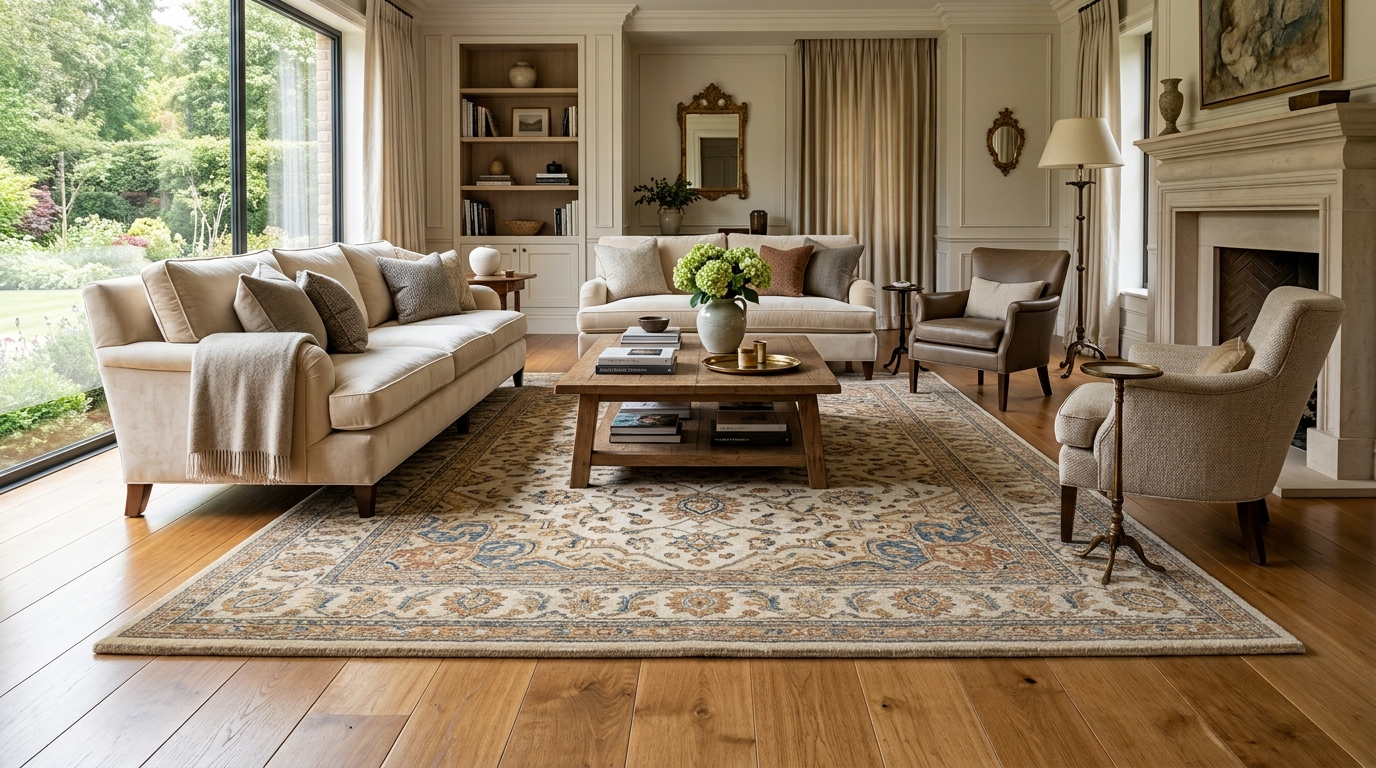
Even the most expensive, beautifully designed area rug will look sloppy and feel disappointing if you skip placing a dedicated pad underneath it. A high-quality felt and rubber rug pad is the unsung hero of living room styling, serving three essential purposes that protect your investment. First, the rubberized bottom grip locks the rug firmly to the floor, preventing dangerous slipping and sliding when kids or pets run across the room. Second, a thick felt layer adds crucial cushioning underfoot, making even thin flatweave rugs feel plush and expensive. Finally, the pad absorbs the crushing impact of daily foot traffic, preventing your rug fibers from premature wear while protecting your hardwood floors from scratches.
Final Thoughts on Styling Your Living Room Rug
Choosing the right floor covering is one of the most impactful ways to inject your personal style into your home while instantly solving functional layout challenges. As you review these rug ideas, remember that sizing and material functionality should always lead your decision-making process before you fall in love with a specific pattern. Whether you decide to layer a vintage-inspired print over natural jute, invest in a lifetime wool piece, or opt for a practical washable design, your rug should support your daily lifestyle while anchoring your furniture. Take exact room measurements, sample materials in your home’s unique lighting, and enjoy the process of transforming your living room into a cozy, pulled-together retreat.
Frequently Asked Questions
How do I know what size rug is right for my living room?
As a general rule, choose a rug size that allows the front legs of your sofa and all primary armchairs to sit on the fabric, with at least 8 to 12 inches of rug extending beyond the sides of your sofa. Leave a border of bare floor roughly 12 to 18 inches wide between the edges of the rug and your room’s walls to frame the space beautifully without overcrowding the layout.
What is the most durable rug material for high-traffic living rooms?
Natural wool is widely considered the most durable fiber for high-traffic areas due to its natural springiness and stain-resistant lanolin oils that prevent crushing and discoloration over time. For budget-friendly or synthetic options, solution-dyed polypropylene and nylon are exceptional alternatives that offer excellent stain resistance and stand up well to active pets and children.
Should my living room rug be lighter or darker than my couch?
There is no strict rule, but creating intentional contrast between your sofa and your rug is key to preventing your layout from looking flat and washed out. If you have a dark sofa, a lighter cream, beige, or patterned rug will help the furniture stand out; if you have a light-toned sofa, a darker or richly colored rug provides essential visual grounding and depth.
How do I stop a living room rug from curling at the corners?
To flatten stubborn curling rug corners, start by folding the curled edge backward in the opposite direction and weighing it down with heavy books or a piece of furniture for 24 to 48 hours. You can also apply specialized double-sided rug tape or silicone corner grippers to the underside of the rug to lock the edges firmly against your floor surface.
We would love to help you continue styling every corner of your home with confidence and ease – head over to our main blog for more home decorating guides and expert inspiration. Make sure to bookmark this article, share it with your design-loving friends, and start creating the cozy, beautifully anchored living space you have always dreamed about!