
A home feels designed when expert touches show up in every room, not only in one styled corner. Many homes end up with one pretty sofa while traffic paths stay blocked, light stays flat, and storage stays messy, which makes the whole home feel half finished. These tips for interior design fix that gap room by room, with simple moves that keep spaces calm, layered, and personal. You will find one clear idea per section, a product pick, and a quick fix that keeps styling practical. For a wider seasonal plan, start with the mega Christmas guide and then return here for interior-level detail. Pick warm neutrals, natural wood, and soft texture as your base, repeat them lightly everywhere, and let light and layers carry the style.
Quick Answer
Tips for interior design work best when you choose warm neutrals, natural wood, and soft texture, plan layout first, and layer light in every room. Start with one focal point, keep paths clear, and style one hero spot per room. These 28 ideas cover layout, light, colour, texture, storage, and finishing touches.
Style Brief
Choose warm neutrals, natural wood, and soft texture as your base palette. Keep one focal point per room so the eye rests somewhere. Mix wood, linen, and metal in each room. Repeat texture in small doses, never in equal amounts everywhere.
Chapter 1: Layout And Flow
Layout comes before decor, so plan rooms for movement first.
1. Focal Point First Rule

Choose one focal point per room before buying anything else. Pick a fireplace, a large artwork, or a window view as the anchor. Arrange furniture facing the focal point so the room reads planned. Keep the focal wall clear of competing art.
❄ Quick fix: Stand at the door and spot it first.
2. Traffic Paths Clear Flow

Clear traffic paths make every room feel larger at once. Leave wide walkways between furniture and doorways, free of rugs that bunch. Keep paths straight where possible so movement feels natural. Move one piece if a path feels tight daily.
❄ Quick fix: Walk every path after rearranging furniture.
3. Furniture Scale Room Fit

Furniture that fits the room scale looks designed, not crowded. Measure rooms and doorways before buying large pieces. Keep sofa length below two thirds of the wall it faces. Leave breathing room around every large piece.
❄ Quick fix: Tape outlines on the floor first.
4. Zones Open Plan Divide
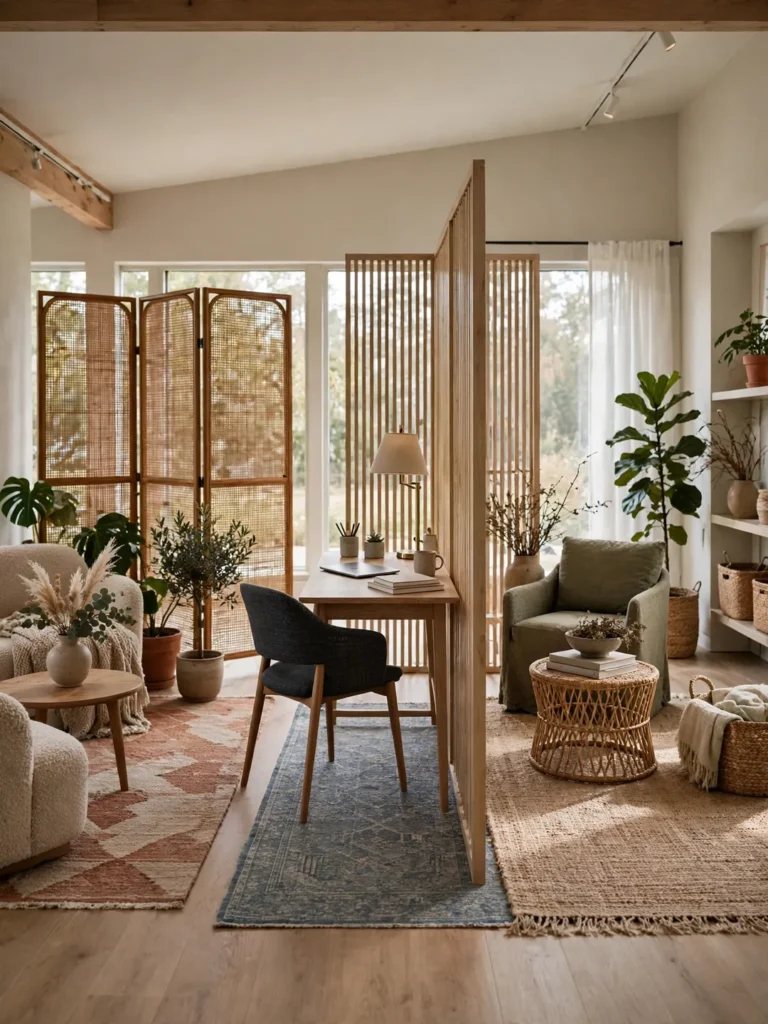
Open plans need zones so each area feels purposeful. Divide living, dining, and work areas with rugs, screens, or shelving. Keep one palette across zones so the home reads unified. Change rug direction to mark each zone clearly.
❄ Quick fix: Use rugs to draw zone borders.
5. Entry Drop Zone Setup

An entry drop zone stops clutter from reaching living rooms. Place a bench, hooks, and a basket near the door for keys and bags. Keep the zone small so it never becomes storage. Empty the basket weekly so it stays useful.
❄ Quick fix: Hang hooks at shoulder height.
6. Conversation Circle Seating Plan

A conversation circle makes seating feel welcoming for guests. Arrange chairs and sofas facing each other within easy talking distance. Keep a table within reach of every seat for drinks. Leave one seat free so guests never feel crowded.
❄ Quick fix: Sit in every seat and test it.
Chapter 2: Light And Colour
Light and colour shape mood more than furniture does.
7. Layered Light Three Sources

Layered light with three sources makes rooms glow at every hour. Combine ceiling light, lamps, and candles in each main room. Keep one source dimmable for evening calm. Light styling from home decor ideas helps layers match the rooms nearby.
❄ Quick fix: Switch on lamps before ceiling lights.
8. Mirror Light Double Trick

A mirror opposite a window doubles daylight beautifully. Hang one large mirror across from the brightest window in the room. Keep the mirror clean so light reflects clearly. Avoid mirrors facing clutter, since they double that too.
❄ Quick fix: Hang mirrors at eye level.
9. Neutral Base Colour Calm

Paint large walls in warm white, greige, or soft beige for a calm base. Keep floors and large furniture neutral as well. Add colour only through pillows, art, and plants.
❄ Quick fix: Test paint on one wall first.
10. Accent Colour Ten Percent

Accent colour at ten percent keeps rooms lively without noise. Choose one accent colour and repeat it in pillows, throws, and art. Keep the other ninety percent neutral for calm. Change accents seasonally for a fresh look.
❄ Quick fix: Count accents before adding more.
11. Warm Bulbs Evening Glow

Warm bulbs turn evening rooms golden and calm. Swap cool white bulbs for warm white in living areas. Keep the same warmth across lamps in one room. Dim lights gradually as evening deepens for rest.
❄ Quick fix: Use the same warmth in every lamp.
12. Curtain Height Tall Trick

Curtains hung high make windows look taller instantly. Hang rods near the ceiling and let panels fall to the floor. Keep panels wide enough to cover the window fully when closed. Choose linen for soft, natural drape.
❄ Quick fix: Hang rods six inches above frames.
Chapter 3: Texture And Layers
Texture makes neutral rooms feel rich without colour overload.
13. Rug Layer Ground Anchor

A rug anchors furniture and defines each zone clearly. Choose a rug large enough that front furniture legs rest on it. Layer a smaller rug over a large neutral one for depth. Small-space ideas from small apartment winter decor help rugs stay usable in tight rooms.
❄ Quick fix: Size rugs before buying them.
14. Throw Mix Texture Blend

Mixed throws add warmth and texture to sofas instantly. Pair knit with linen and velvet in your palette, never all the same. Fold throws neatly over arms for a styled look. Wash throws seasonally so they stay fresh.
❄ Quick fix: Fold throws in thirds for tidy layers.
15. Pillow Odd Number Rule

Odd pillow numbers look styled, even numbers look staged. Use three or five pillows on a sofa, mixing sizes and textures. Keep one solid pillow among patterns for calm. Fluff pillows daily so they hold shape.
❄ Quick fix: Remove one pillow if the sofa looks crowded.
16. Wood Metal Mix Balance

Wood and metal together balance warmth with shine. Pair wooden trays with brass or black metal accents in one room. Keep one metal finish dominant so the mix reads planned. Repeat the metal in three spots for unity.
❄ Quick fix: Repeat metal finishes in threes.
17. Plant Life Green Touch

Plants bring life and colour to neutral rooms naturally. Place two or three plants at different heights in each main room. Keep plants watered lightly so soil never stays soggy. Budget styling from budget winter decor pairs well with plant styling.
❄ Quick fix: Water plants only when soil feels dry.
Chapter 4: Storage And Display
Good storage hides mess while displays show personality.
18. Hidden Storage Clutter Free

Hidden storage keeps rooms calm without hiding personality. Use baskets, ottomans, and closed cabinets for everyday clutter. Keep one basket per room for quick tidying before guests. Label baskets inside so family finds things fast.
❄ Quick fix: Tidy one basket per room daily.
19. Shelf Display Curated Row

Curated shelves display personality without clutter. Style shelves with books, one plant, and one object per shelf. Keep half of each shelf empty so displays breathe. Shelf styling from christmas kitchen ideas helps displays match the home nearby.
❄ Quick fix: Remove one item if a shelf looks crowded.
20. Basket Corral Loose Items

Baskets corral loose items into tidy groups. Place one basket per category, such as remotes, toys, or chargers. Keep baskets where items naturally land, not hidden away. Empty baskets monthly so they never overflow.
❄ Quick fix: Label baskets for each category.
21. Gallery Wall Grid Plan

A gallery wall planned as a grid looks intentional, not random. Lay frames on the floor first and photograph the layout. Hang the grid with even spacing and one frame style. Keep the grid centred at eye level overall.
❄ Quick fix: Photograph the floor layout first.
22. Book Stack Table Style

Book stacks style tables with personality and height. Stack three books flat with a small object on top. Keep stacks low so conversation stays easy across tables. Rotate book covers seasonally for fresh colour.
❄ Quick fix: Stack books largest at the bottom.
Chapter 5: Finish And Keep
The last six ideas add scent, art, seasonal freshness, and easy upkeep.
23. Scent Layer Home Signature

A signature scent makes a home memorable the moment guests enter. Choose one scent family and repeat it in diffusers and candles. Keep scent subtle so it never overpowers rooms. Change scent seasonally for a fresh welcome.
❄ Quick fix: Use fewer reeds for a softer scent.
24. Art Scale Wall Fit

Art scaled to the wall looks designed, not lost. Choose art about two thirds the width of the furniture below it. Hang art centred at eye level, not too high. Art hanging tips appear in Better Homes interior guides for walls that feel balanced.
❄ Quick fix: Measure furniture before choosing art.
25. Seasonal Swap Small Refresh

Seasonal swaps refresh rooms without redecorating fully. Change pillow covers, throws, and one artwork each season. Keep the base furniture and palette unchanged for calm. Seasonal styling like simple centerpiece ideas refreshes tables too.
❄ Quick fix: Swap only covers, never whole pillows.
26. Kid Zone Safe Style

Kid zones keep style safe for little hands. Fit child locks on cabinets holding cleaners and sharp tools. Keep decor high and soft toys low for safe play. Check locks weekly so they still hold firmly.
❄ Quick fix: Test every lock after fitting it.
27. Pet Corner Tidy Bed

A tidy pet corner keeps pets part of the home, cleanly. Place one bed in a quiet corner away from walkways. Keep the bed clean and add a familiar blanket for comfort. Vacuum the corner twice weekly during shedding seasons.
❄ Quick fix: Keep the bed away from walkways.
28. Edit Room Final Pass

Walk each room with a basket and remove one item per surface for a final edit. Keep only pieces that serve a purpose or spark joy. Repeat the edit pass every season for lasting calm.
❄ Quick fix: Photograph rooms before editing them.
Frequently Asked Questions
What are the best tips for interior design?
The best tips for interior design start with layout, then light, then layers. Choose one focal point per room, keep paths clear, and layer three light sources. Add texture through rugs, throws, and plants, and edit rooms seasonally for lasting calm.
How do I design a room from scratch?
Design a room from scratch by measuring first, then choosing a focal point and palette. Plan furniture scale and traffic paths before buying anything. Layer light, add texture, and finish with art scaled to the wall for a room that feels planned.
What palette works in most homes?
Warm neutrals, natural wood, and soft texture suit most homes because they flatter light and furniture alike. Add one accent colour at ten percent for liveliness, such as deep green or warm terracotta. Test the palette on one wall before painting the whole home.
How do I make a small room look bigger?
Small rooms look bigger with clear paths, mirrors opposite windows, and furniture scaled to fit. Hang curtains high, choose large rugs, and keep half of each shelf empty. Remove one everyday item for each new decor item so rooms never overflow.
How do I mix patterns without clutter?
Mix patterns calmly by choosing one large pattern, one small pattern, and one solid per room. Keep patterns in the same palette so they read unified. Limit patterns to pillows and throws, and keep walls and large furniture neutral for balance.
How do I choose art for a wall?
Choose art about two thirds the width of the furniture below it, in colours from your palette. Hang art centred at eye level and keep the wall around it clear. Test art placement with paper templates before hanging anything heavy on the wall.
How do I layer lighting in a room?
Layer lighting with ceiling light, lamps, and candles in each main room. Use warm bulbs in living areas and keep one source dimmable for evening calm. Switch on lamps before ceiling lights so rooms glow softly at every hour, for a warm welcome.
How do I keep a home tidy with kids and pets?
Keep a home tidy with kids and pets using hidden storage, baskets per category, and child locks on dangerous cabinets. Give pets one tidy corner and kids one safe zone per room. Tidy one basket per room daily so clutter never builds up.
How do I style shelves without clutter?
Style shelves with books, one plant, and one object per shelf, keeping half of each shelf empty. Group items in odd numbers and vary heights for interest. Remove one item if a shelf looks crowded, and rotate displays seasonally for fresh looks.
Can renters design a home without damage?
Renters can design a home fully with removable hooks, freestanding shelves, and rugs that need no holes. Test each hook for a day, keep decor off painted walls where possible, and photograph walls before and after. Remove hooks slowly at takedown to protect paint.
How do I refresh a room on a budget?
Refresh a room on a budget by swapping pillow covers, throws, and one artwork per season. Add plants, warm bulbs, and a new rug for the biggest change at the lowest cost. Keep base furniture unchanged and change only accents for a fresh look each season.
What single change makes the biggest difference?
Layered lighting makes the biggest single difference, because it changes how every colour and texture looks. Add one lamp glow, one candle, and one dimmer per main room. Even plain rooms feel designed once evening light turns warm and layered.
Conclusion
Tips for interior design succeed when one palette, planned layout, and layered light carry the whole home together. Start with a focal point, give each room one hero, and repeat small touches until every space feels part of the same calm story. Protect walkways and kids, keep storage hidden, and edit rooms seasonally for lasting calm. These 28 ideas give you a full plan without a full renovation, so pick five to try this weekend and add more as time allows. Keep this guide saved and work through it one chapter at a time, checking off each hero as you finish it. A stylish home is not about more decor, it is about the right decor in the right places.