
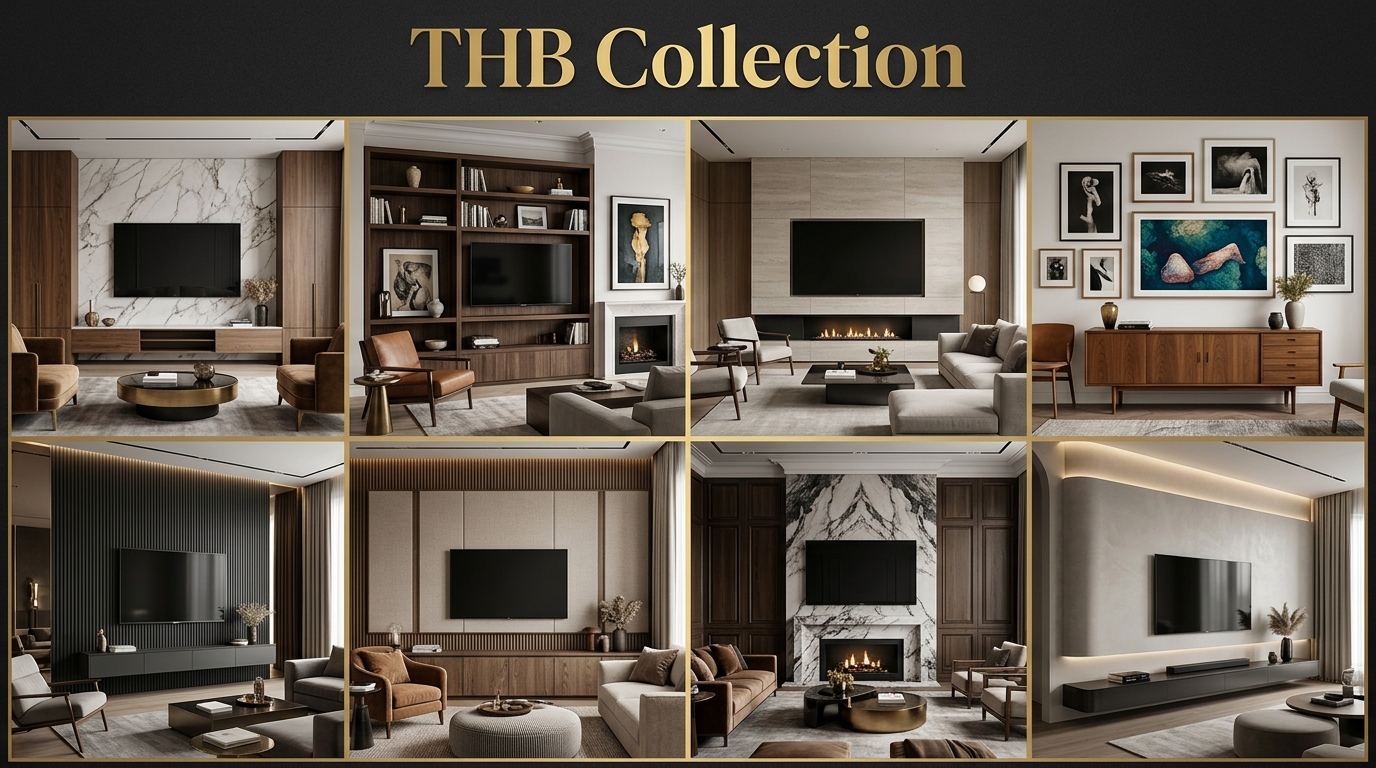
Trying to figure out where to put a television in a cramped gathering space can feel like an endless game of furniture Tetris where you never quite win. When square footage is tight, a large black screen can easily dominate the entire room, making your walls feel cluttered and leaving zero space for decorative personality or much-needed storage. Finding the right balance between comfortable movie viewing and clean, stylish interior aesthetics requires a bit of strategic planning and creative thinking. By exploring these 20 small living room TV & wall solutions, you can take control of your vertical square footage and turn a tricky layout challenge into a stunning focal point, drawing on trustworthy home design strategies to guide your layout.
The secret to mastering a compact entertainment zone is moving away from heavy, traditional furniture and embracing wall-mounted innovations that clear the floor. When you lift equipment off the ground and use vertical plane styling, your eye travels smoothly across the room without getting blocked by bulky wooden cabinets. Whether you want your screen to disappear completely into an art collection, need built-in shelving for books, or hope to camouflage cords without tearing open your drywall, there is a layout strategy tailored to your exact floor plan. With the right mix of paint, lighting, and clever hardware, your television can live harmoniously alongside your favorite decor without overcrowding your home.
1. Mount the TV Flat to Eliminate Bulky Consoles
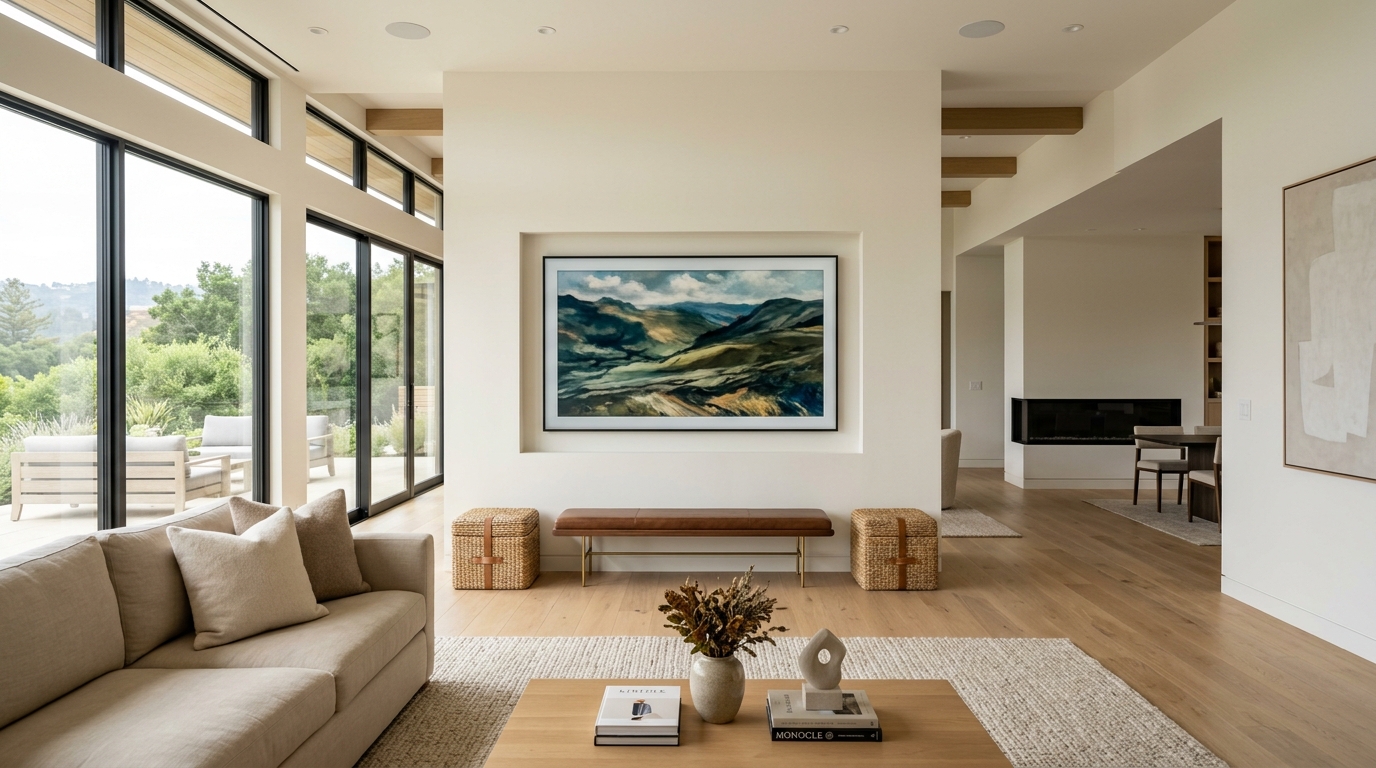
The fastest way to instantly gain back usable floor space in a tight room is to get rid of your traditional, heavy media console table entirely. Standard wooden entertainment centers project 16 to 20 inches out from the wall, eating up valuable physical walkway clearance and making the room feel noticeably narrower than it actually is. By securing your flat-screen television directly to the drywall using a low-profile, ultra-slim mounting bracket, you reclaim that wasted footprint immediately. This simple adjustment allows you to place a slender bench, a pair of woven storage ottomans, or even leave the floor completely bare underneath, instantly creating an airy, open feeling that lets your family move around freely.
2. Conceal the Screen Within a Framed Gallery Wall
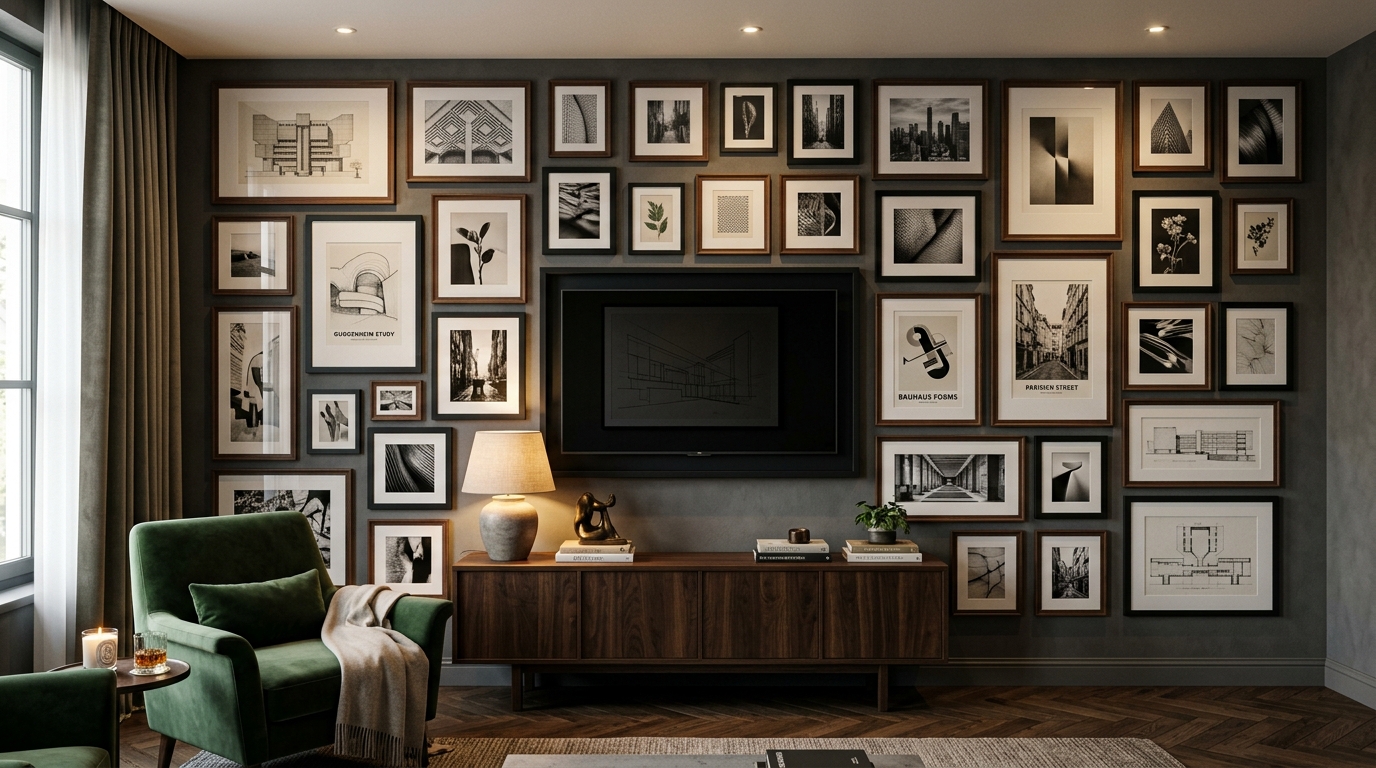
If you despise the look of a giant black rectangle staring back at you when the power is turned off, camouflaging the television within a curated gallery wall is a brilliant aesthetic trick. Surround your screen with an assortment of framed artwork, family photographs, and architectural prints of varying sizes to break up the visual monotony of the blank monitor. Choose frames in matching wood tones or matte black finishes so the television border feels like just another piece of the artistic arrangement. This approach works wonderfully when you borrow concepts from hanging bedroom artwork, creating a cohesive, collected layout where your technology blends directly into your personal decor.
3. Install Floating Credenzas for Floor-Clearing Storage
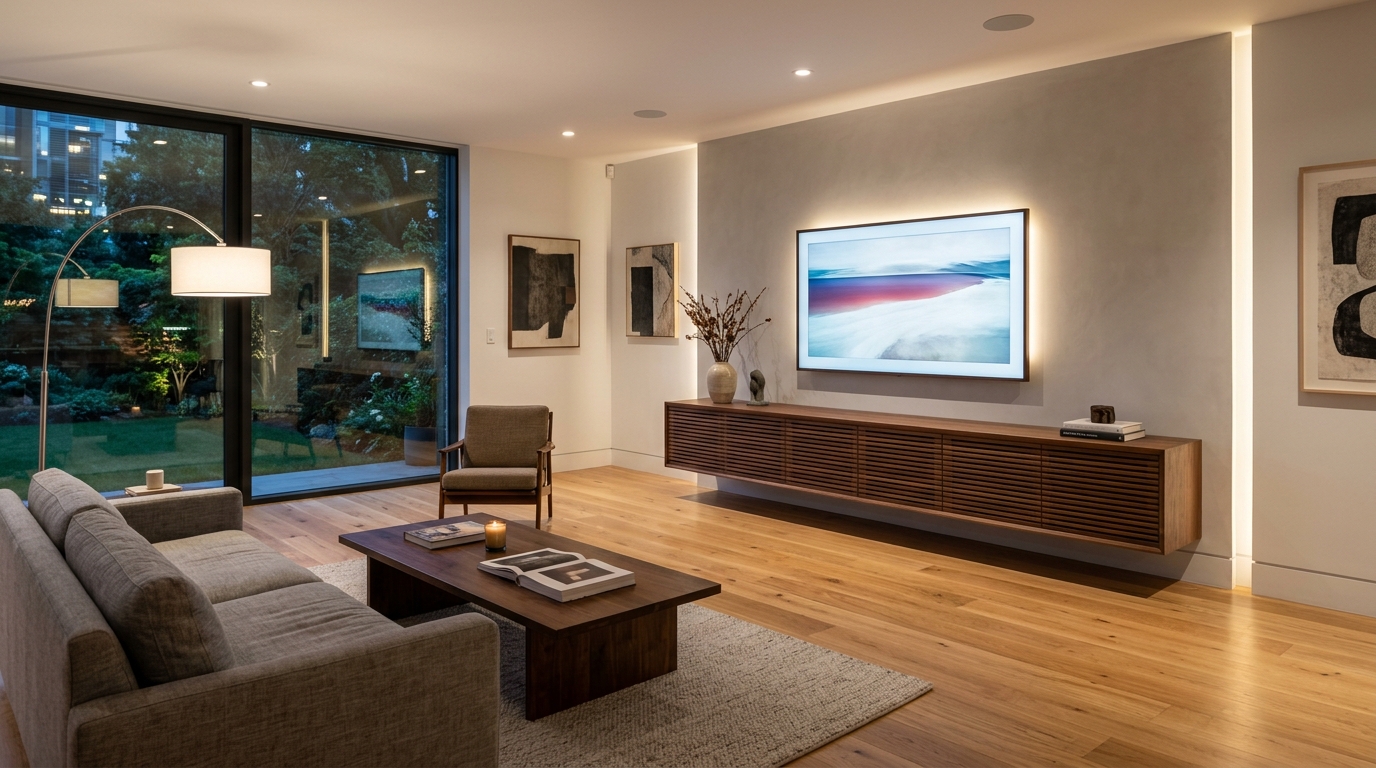
When you still need physical storage for gaming consoles, routers, and board games, a wall-mounted floating credenza offers the perfect compromise between functionality and visual lightness. Because these modern cabinets attach directly to the wall studs several inches above the floor, they create an optical illusion of extra square footage by keeping the floor surface completely visible underneath. This continuous sightline makes the entire room feel larger and much less boxy. Opt for units with drop-down doors or slatted fronts that allow remote control infrared signals to pass through easily while hiding unsightly electronics and messy cords from daily view, aligning perfectly with smart compact space strategies.
4. Utilize Corner Mounts to Free Up Primary Wall Space
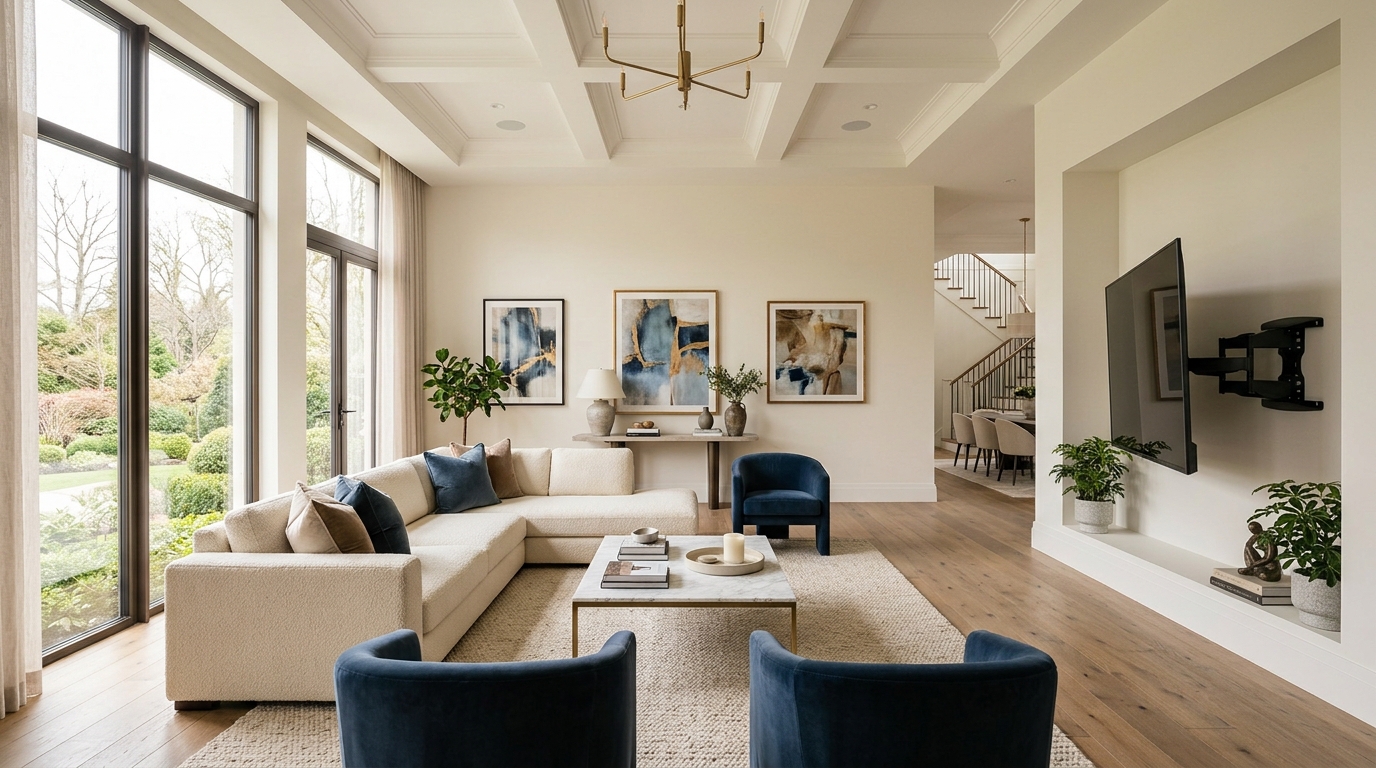
In rooms with numerous windows, awkward architectural jogs, or multiple doorways, finding a solid flat wall for a television is often nearly impossible. Utilizing a full-motion articulating corner mount allows you to tuck your screen into an unused ninety-degree corner, keeping your primary flat walls totally open for sofas, artwork, or bookshelves. Modern corner brackets allow you to pull the screen out and angle it toward your seating area during movie nights, then push it flush against the corner when you are done. This setup prevents your television from becoming the center of attention while making smart use of dead corner space that would otherwise collect dust.
Tip: Before installing a corner mount, sit in your favorite armchair and track the afternoon sun to ensure your chosen corner avoids direct window glare during peak viewing hours.
5. Build Custom Floor-to-Ceiling Bookshelves Around the Screen
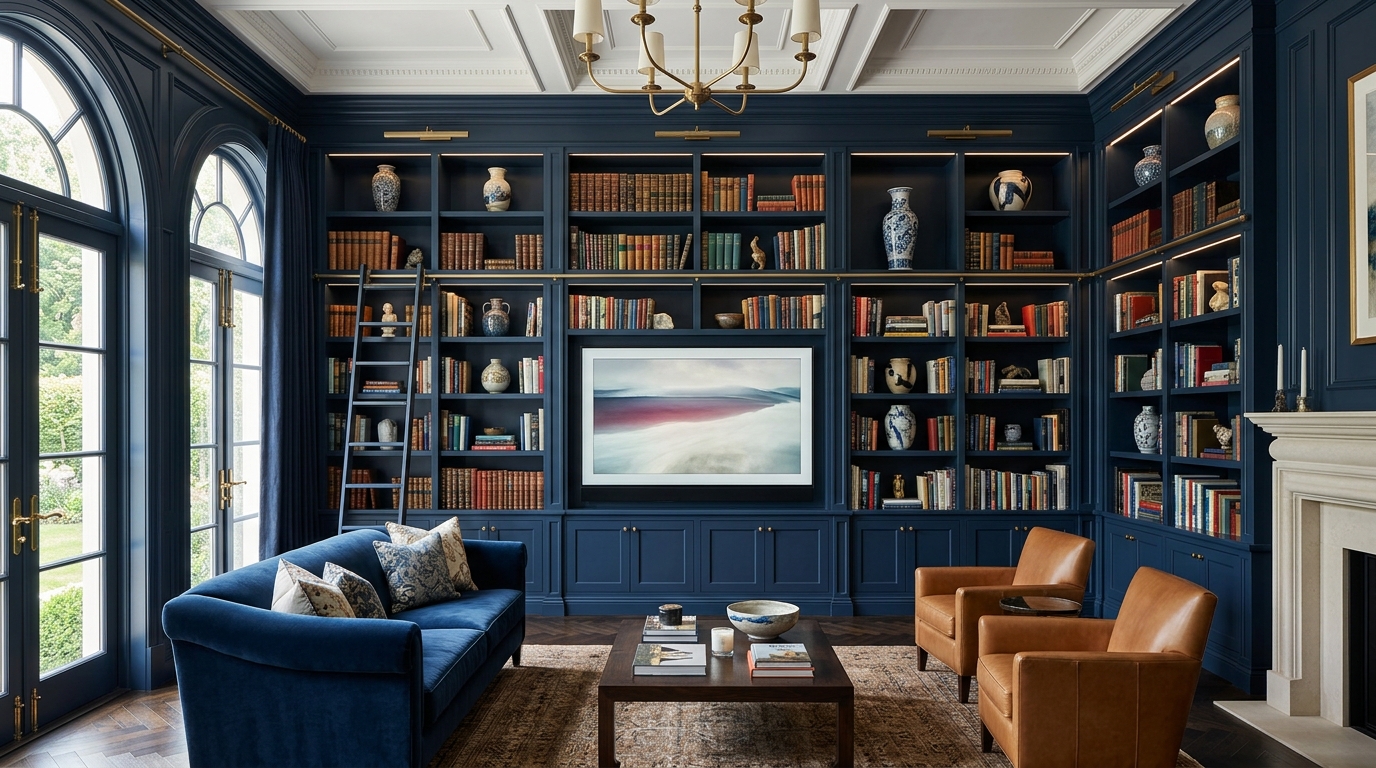
When square footage is limited, making every vertical inch count is essential for keeping clutter under control. Building custom or modular floor-to-ceiling bookshelves that frame your television creates a rich, library-inspired focal point that adds immense architectural value to your home. Leave a dedicated central open cavity just large enough for your screen, and surround it with your favorite books, decorative ceramic vases, and storage boxes. Painting the entire shelving unit – including the back paneling and trim – one unified color like warm greige or deep navy makes the structure feel built-in and purposeful, drawing the eye upward to emphasize ceiling height.
6. Paint an Accent Arch to Frame the Entertainment Zone
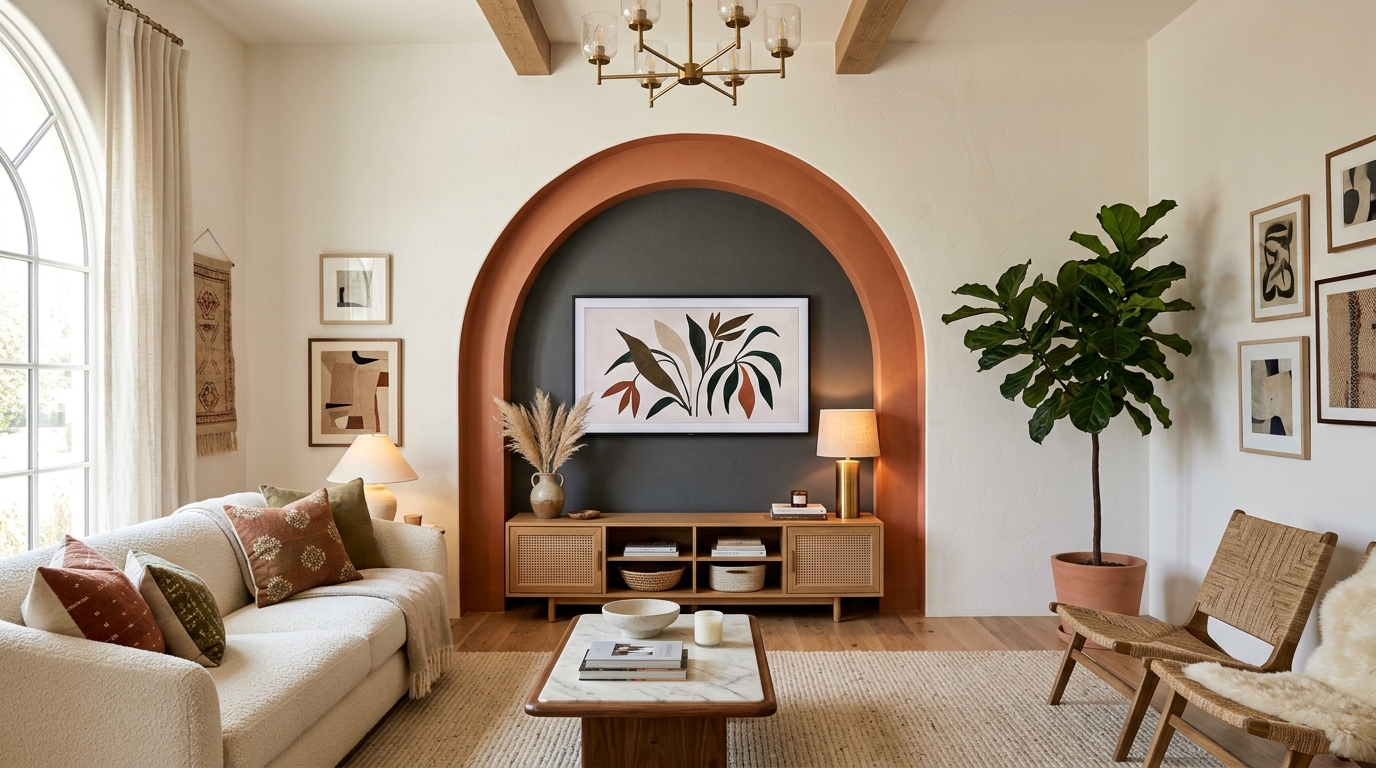
You do not need expensive woodwork or custom masonry to give your television area a strong architectural identity; a simple can of paint can work absolute wonders. Using a contrasting paint shade to create a painted arch directly behind your wall-mounted television instantly frames the screen and turns a plain drywall surface into a deliberate design feature. Try using warm earth tones like terracotta, sage green, or warm taupe to soften the harsh industrial edges of the electronic monitor. This budget-friendly zoning trick adds personality and soft geometric curvature to boxy rooms without taking up a single square inch of physical floor space, much like using decorative accent powder room wallcoverings to define small functional areas.
7. Hide the TV Behind Sliding Slatted Wood Panels
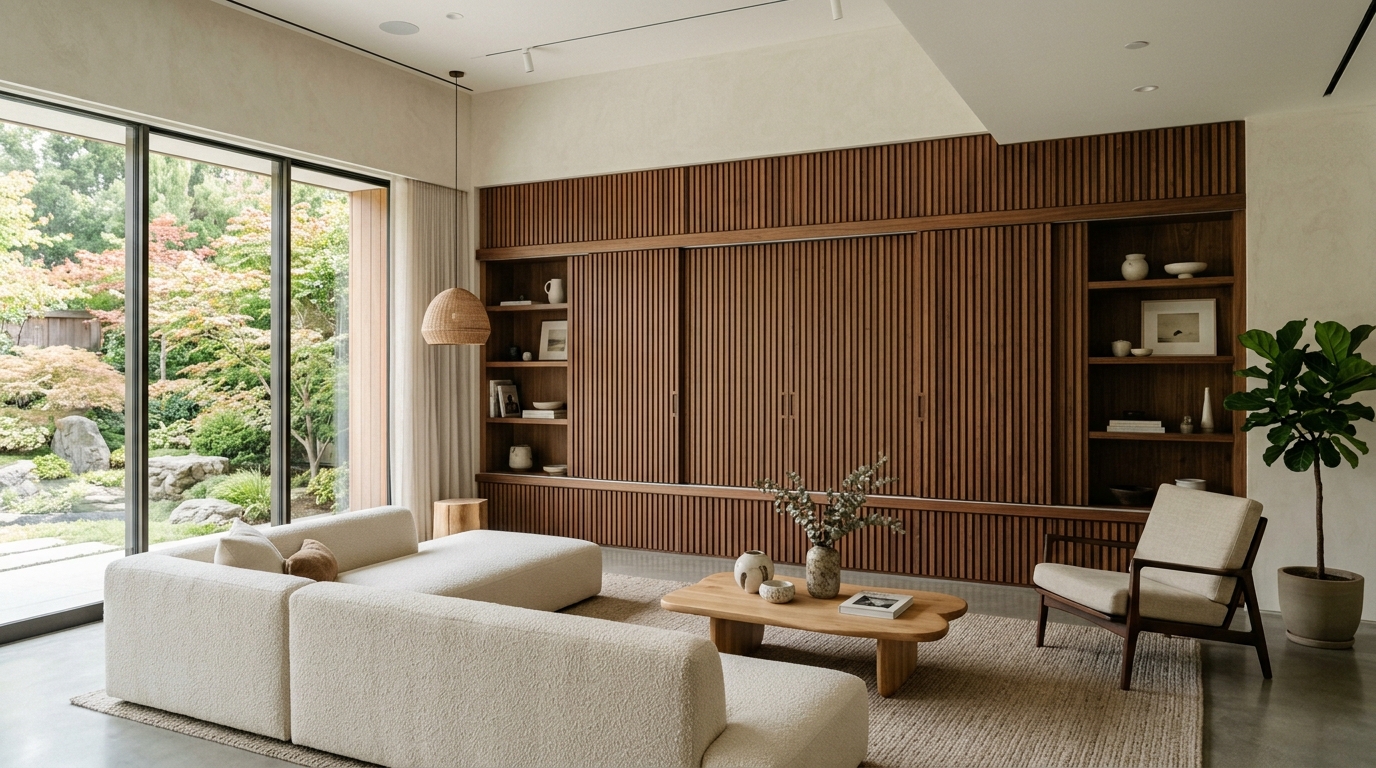
For homeowners who prefer a minimalist, organic look, installing custom sliding slatted wood panels over your television alcove is a stunning way to hide technology completely. Mounted on simple upper and lower tracks, natural wood tracks in birch, oak, or walnut can be slid together to cover the screen during daytime hours when you are reading or hosting guests. When you are ready to watch a show, simply part the panels to reveal the screen. The tactile warmth of the wooden slats introduces rich, earthy texture to your wall while offering a clean, architectural solution for keeping modern electronics out of sight when not in active use.
8. Opt for Frame TV Models That Display Digital Artwork
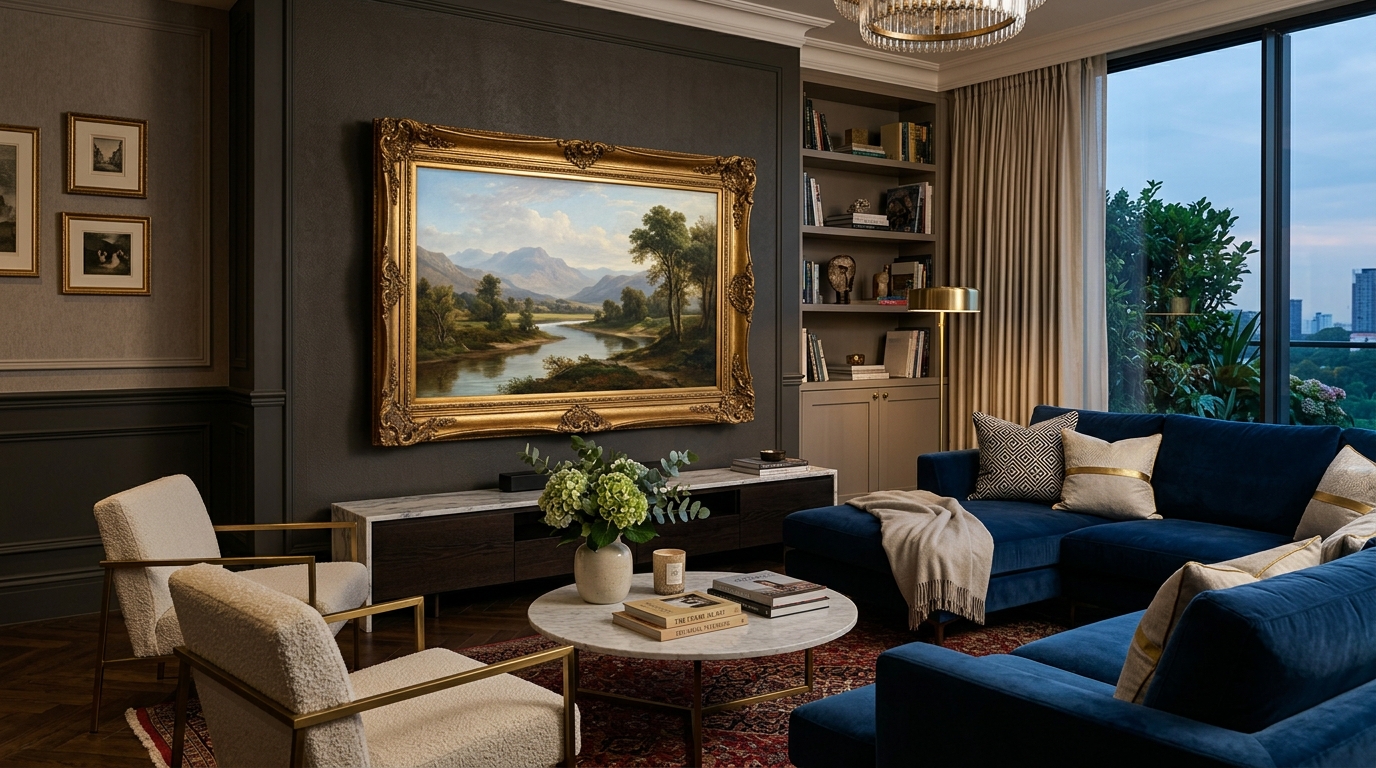
One of the most revolutionary product advancements for interior decorating in recent years is the ultra-thin television designed specifically to mimic framed artwork. These specialized monitors mount flush against your drywall with zero gap and feature customizable bezels that look like authentic wood or gilded museum frames. When you turn off your shows, the screen switches to a low-power art mode that displays classic paintings, modern photography, or even your own digital captures with a matte, glare-free finish. Investing in this technology allows you to enjoy large-screen viewing without sacrificing your aesthetic, pairing beautifully with sophisticated high-end lounge upgrades that prioritize visual harmony.
9. Incorporate Vertical Wood Slat Paneling for Visual Height
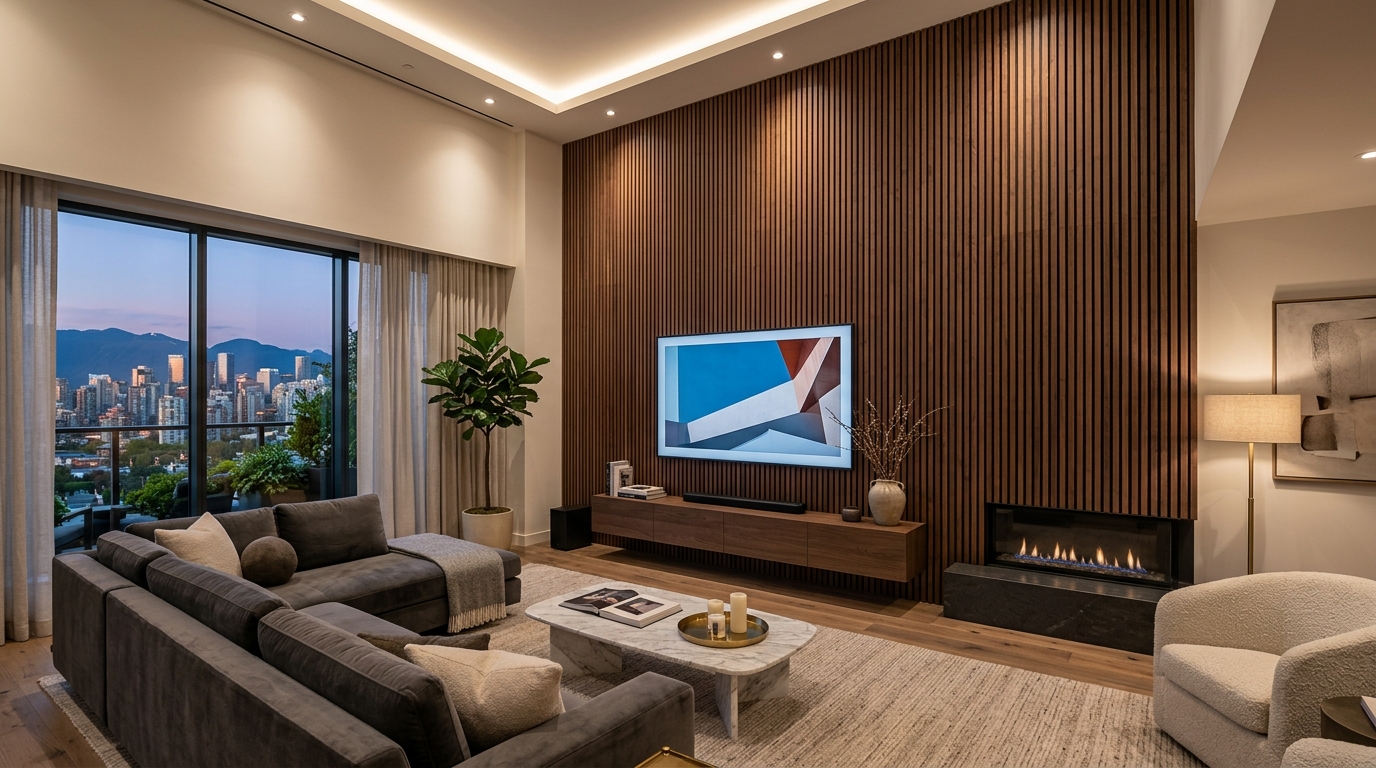
Adding a floor-to-ceiling accent wall made from thin vertical wood slats behind your television is a fantastic way to introduce modern texture while manipulating visual proportions. The repetitive vertical lines of the wood paneling naturally draw the human eye upward towards the ceiling, making low or cramped rooms feel significantly taller and more spacious. Beyond their aesthetic appeal, acoustic wood slat panels are lined with felt backing that actively absorbs sound waves, improving your television’s audio clarity while dampening echoing noise in open-concept spaces. It is a dual-purpose design treatment that makes your entertainment area look like a high-end luxury hotel suite.
10. Design an Asymmetrical Shelving Layout for Modern Balance
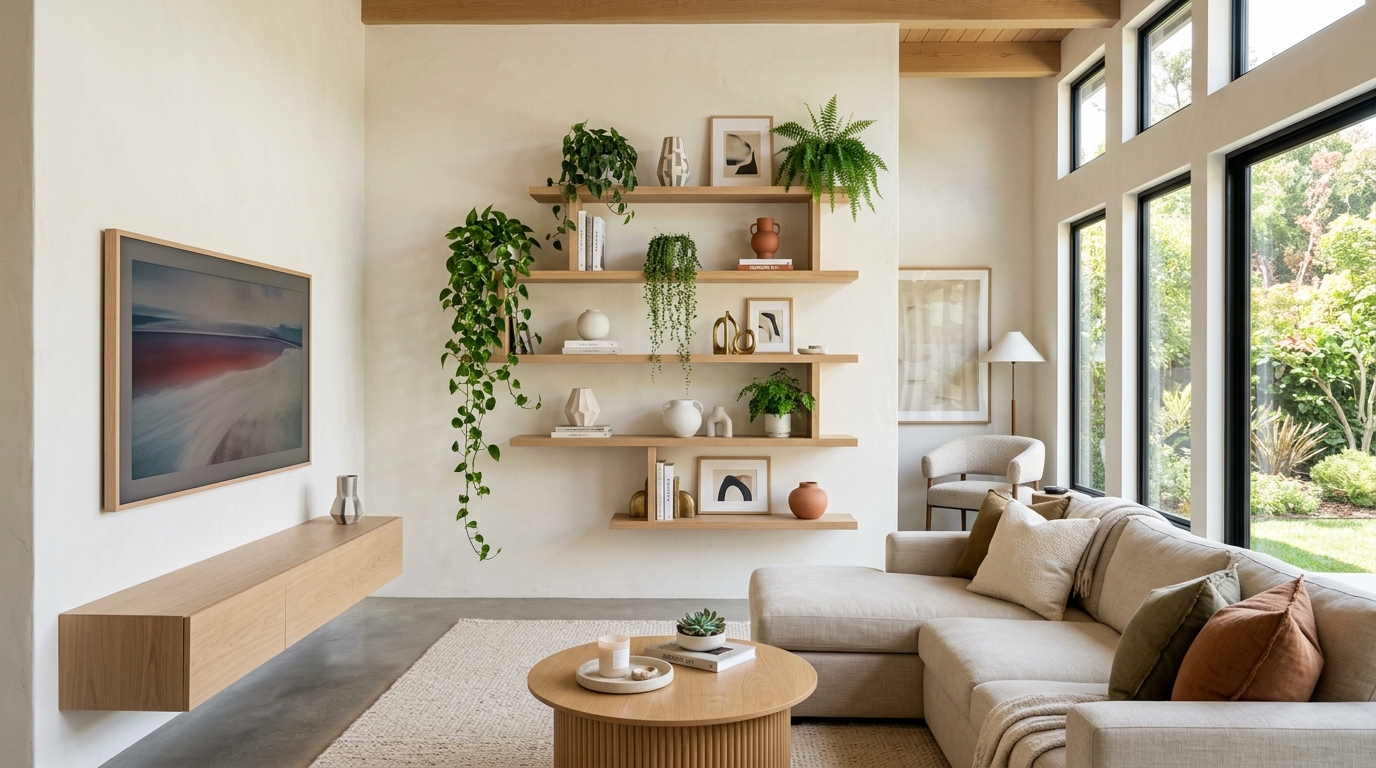
Symmetrical wall arrangements can sometimes feel a bit formal, rigid, and heavy in a casual, compact living room. Designing an asymmetrical shelving layout around your wall-mounted screen introduces dynamic visual movement and modern character that feels fresh and relaxed. Try mounting your television slightly off-center on the wall, then balance the remaining space by stacking two or three floating white oak shelves on the opposite side. Fill the shelves with trailing houseplants, stacked art books, and sculptural objects to create a harmoniously balanced composition that keeps the wall from looking bottom-heavy or overcrowded.
11. Choose Low-Profile Wall Hugging Articulating Mounts
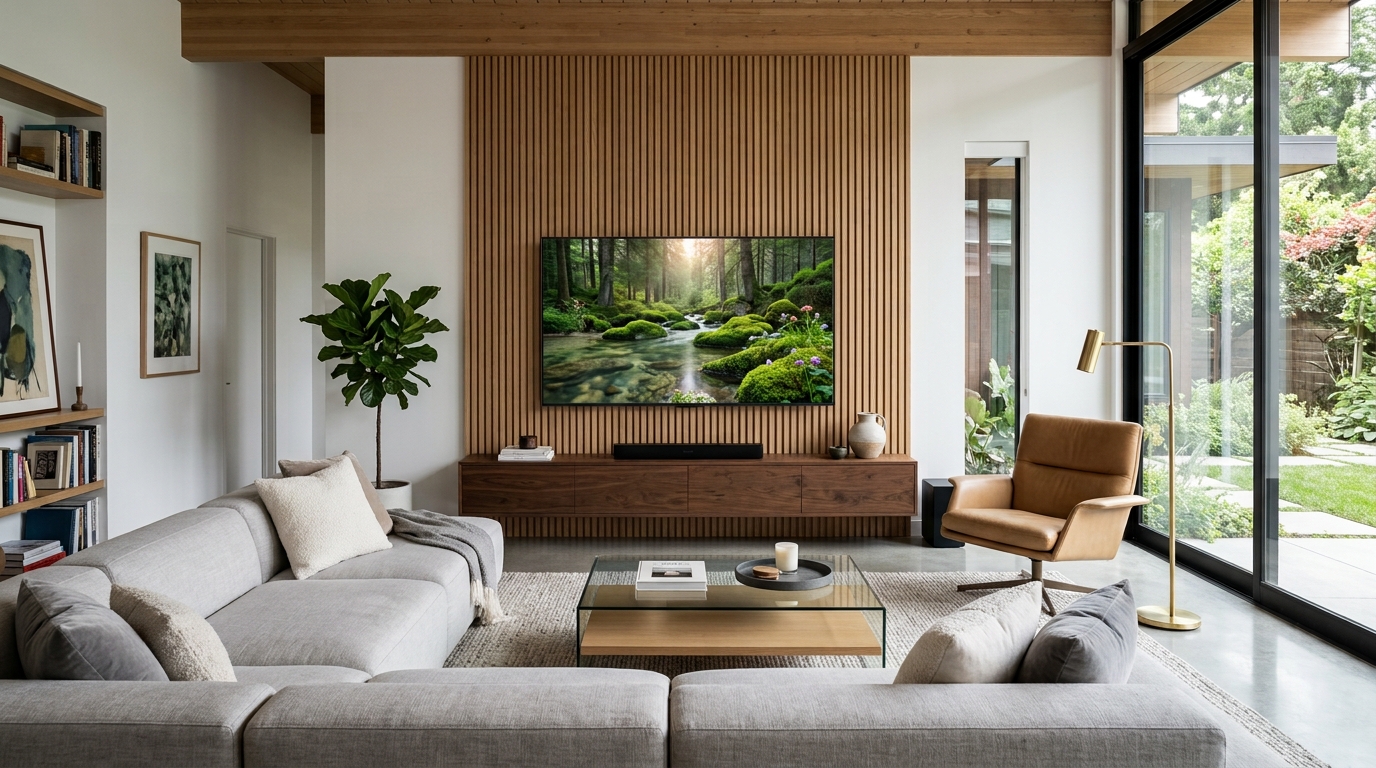
Many people avoid wall mounts because older brackets left a strange, five-inch shadow gap between the back of the television and the wall. Today’s low-profile articulating mounts solve this problem by folding nearly flat against the drywall, keeping your screen looking sleek and unobtrusive during everyday living. When you need to adjust the viewing angle for friends sitting on a side chair, the internal steel arms extend out smoothly so you can swivel and tilt the screen with a light touch. This hardware flexibility is particularly helpful in multi-use rooms where your seating arrangement might shift between solo work sessions and weekend entertaining, similar to how modular desk customizations adapt to changing daily needs.
12. Tuck the TV Inside a Built-In Living Room Alcove
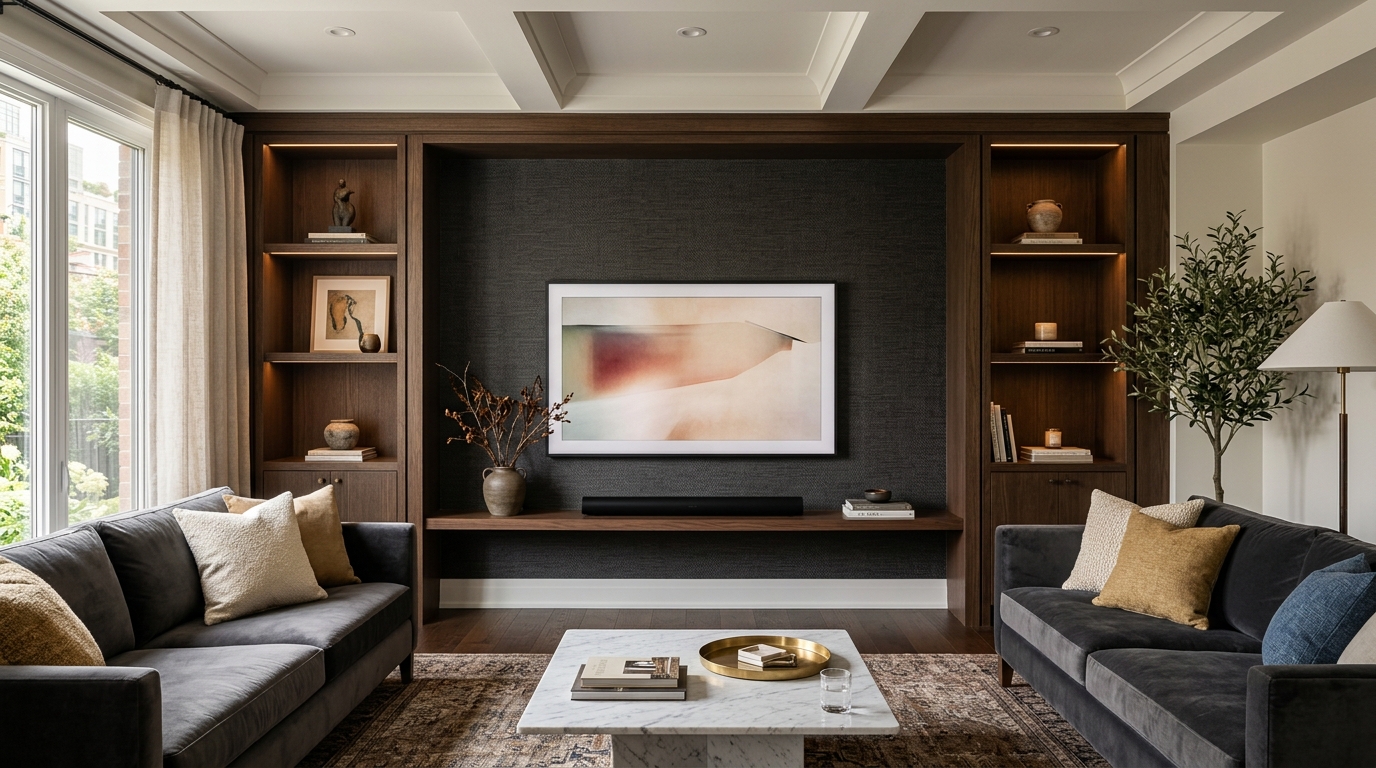
If your home features unusual architectural quirks like a recessed alcove, a former closet niche, or an awkward drywall depression, consider turning that structural challenge into your dedicated television zone. Fitting your screen directly inside a recessed alcove keeps the front of the monitor flush with your main wall, completely eliminating protruding edges that can make a small room feel tight. Line the back of the niche with dark peel-and-stick wallpaper or vertical wood paneling to add depth, and install a custom floating shelf just below the screen to hold your streaming hardware or a slender soundbar.
13. Balance the Screen With Oversized Surrounding Greenery
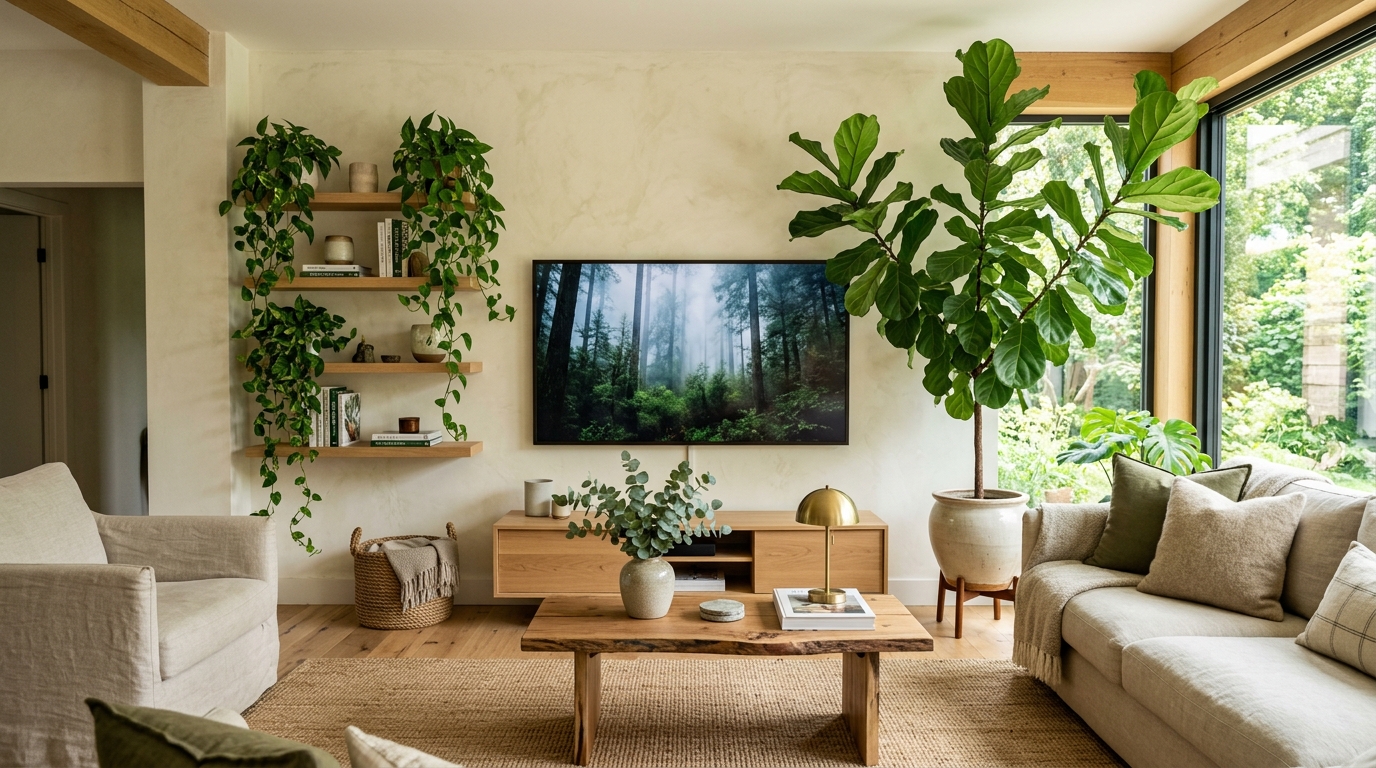
Living houseplants are the ultimate secret weapon for softening harsh electronic equipment and bringing vibrant, organic life to a tech-heavy wall. Placing a tall, leafy indoor tree – like a fiddle leaf fig, a bird of paradise, or a weeping fig – directly to one side of your television creates an immediate visual distraction from the black screen. The natural curves, vibrant green leaves, and organic height of the plant draw attention away from the rigid geometry of the television. For floating shelves above or below the screen, incorporate trailing vines like pothos or heartleaf philodendron to create a relaxing, nature-inspired environment that feels calming and fresh.
14. Utilize Dark Wall Paint to Camouflage the Black Box
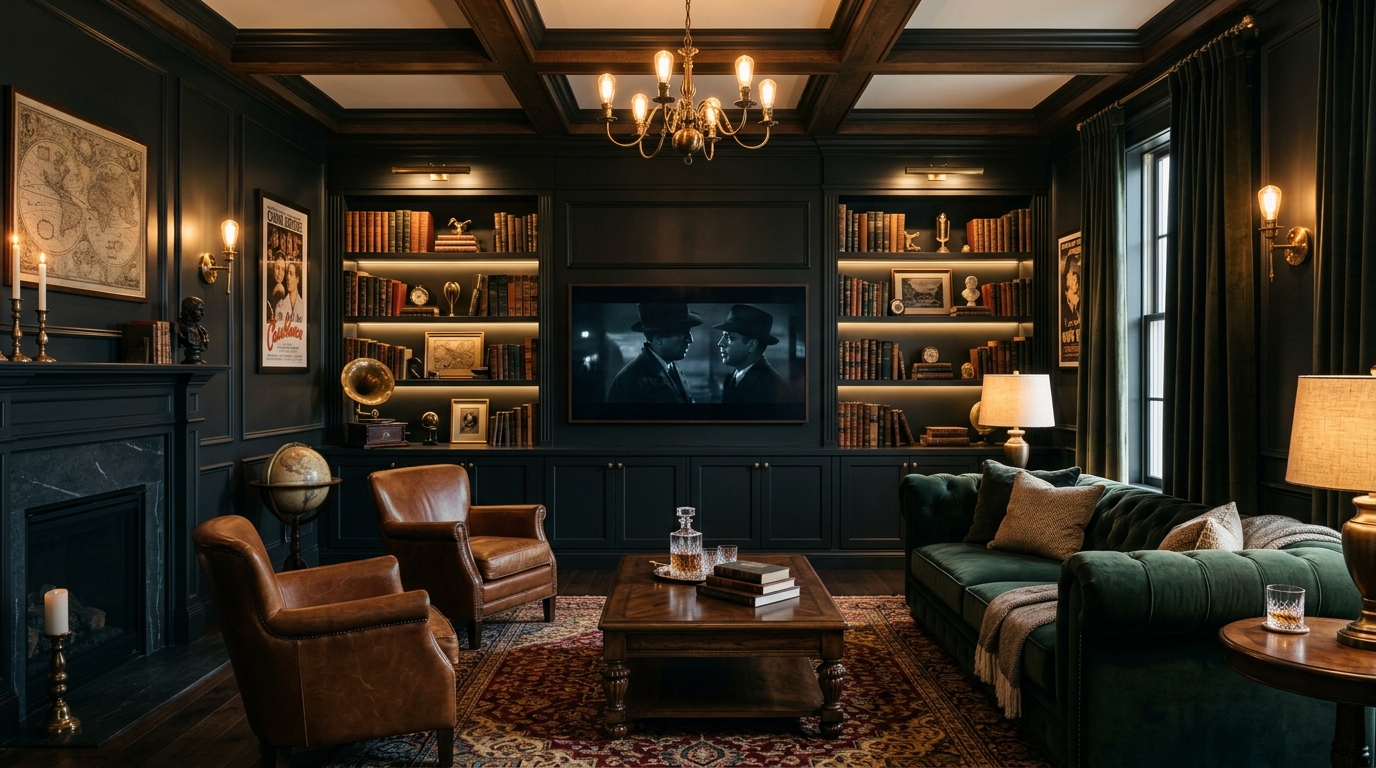
If you do not want to invest in specialized artwork screens or custom cabinetry, the simplest way to make your television disappear is painting the wall behind it a dark, moody shade. Deep colors like charcoal gray, midnight blue, forest green, or matte black absorb light and allow the dark rectangular frame of your screen to blend directly into the background when turned off. This dramatic monochrome treatment creates an intimate, theater-like atmosphere during movie nights while adding sophisticated architectural drama to your daytime space, drawing inspiration from rich dark academia interiors that celebrate bold, moody color palettes.
15. Hang Floating Display Ledges Above and Below the Screen
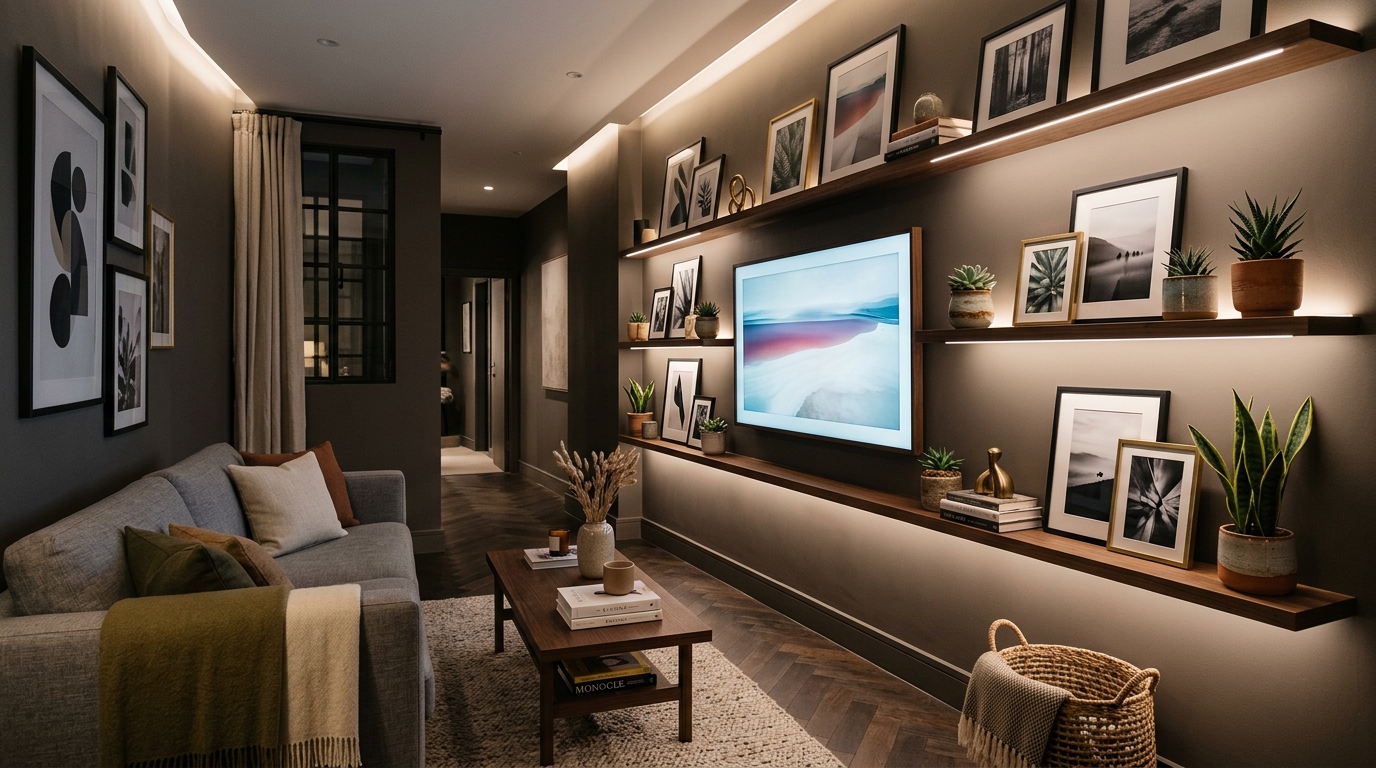
When deep bookcases are too bulky for your narrow walkways, thin floating display ledges offer a slim, stylish alternative for framing your television. These narrow wooden or metal ledges typically project only three to four inches from the wall, making them perfect for holding leaning framed art prints, small succulents, and decorative postcards. By installing one long ledge above the screen and another below it, you create a structured sandwich effect that integrates the television into a larger decorative display. It allows you to showcase your favorite memories and artistic taste without encroaching on your valuable floor clearance.
16. Mount the Television Above a Modern Linear Fireplace
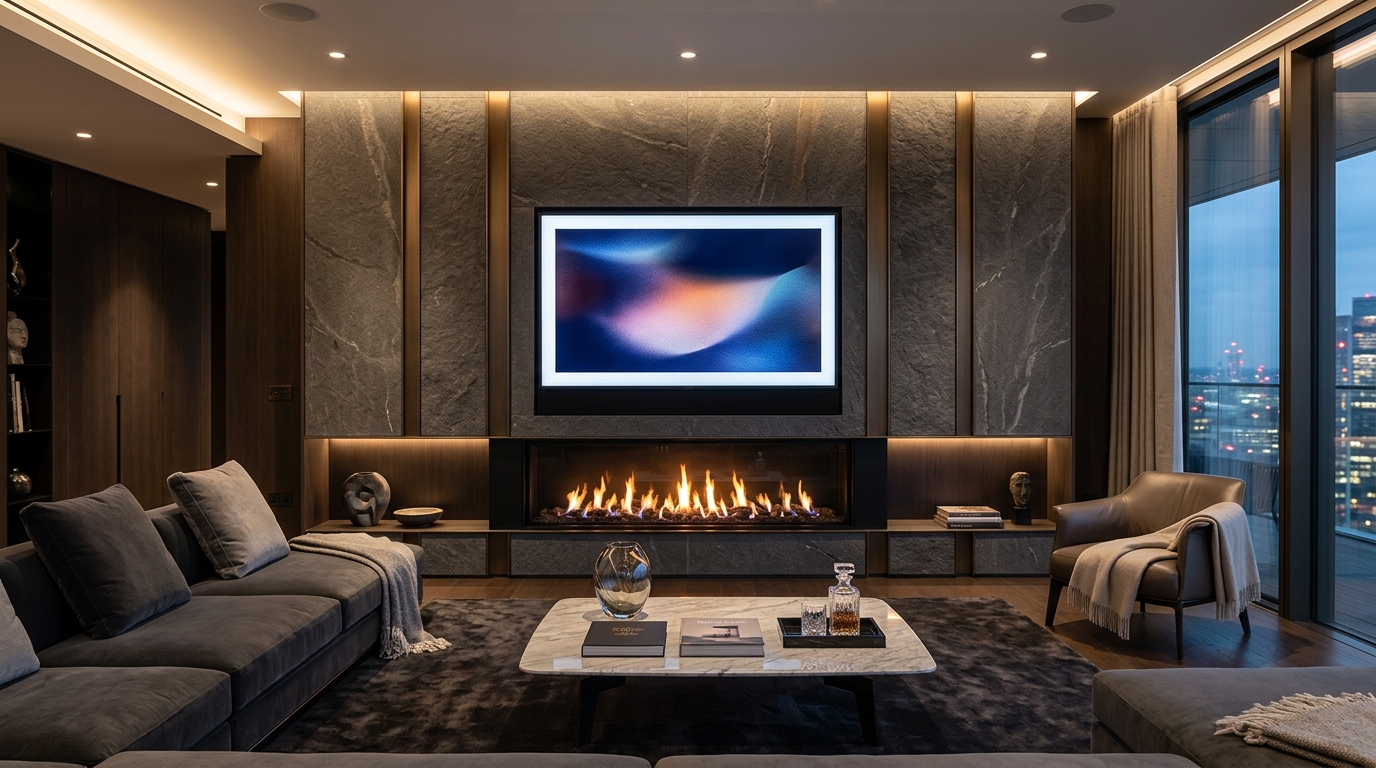
Combining your television and fireplace onto one central wall is a classic space-saving strategy that merges your visual entertainment with cozy physical warmth. In smaller contemporary homes, pairing a flat-screen television above a slim, wall-mounted electric or gas linear fireplace creates a striking, vertical focal point that commands attention. Make sure to hang the screen at a comfortable viewing height by choosing a low-profile fireplace model that sits closer to the floor. To pull the entire look together with designer flair, consult a complete design handbook for advice on balancing heat clearances and mantel styling so the two elements complement rather than compete with one another.
17. Implement Concealed In-Wall Cable Management Systems
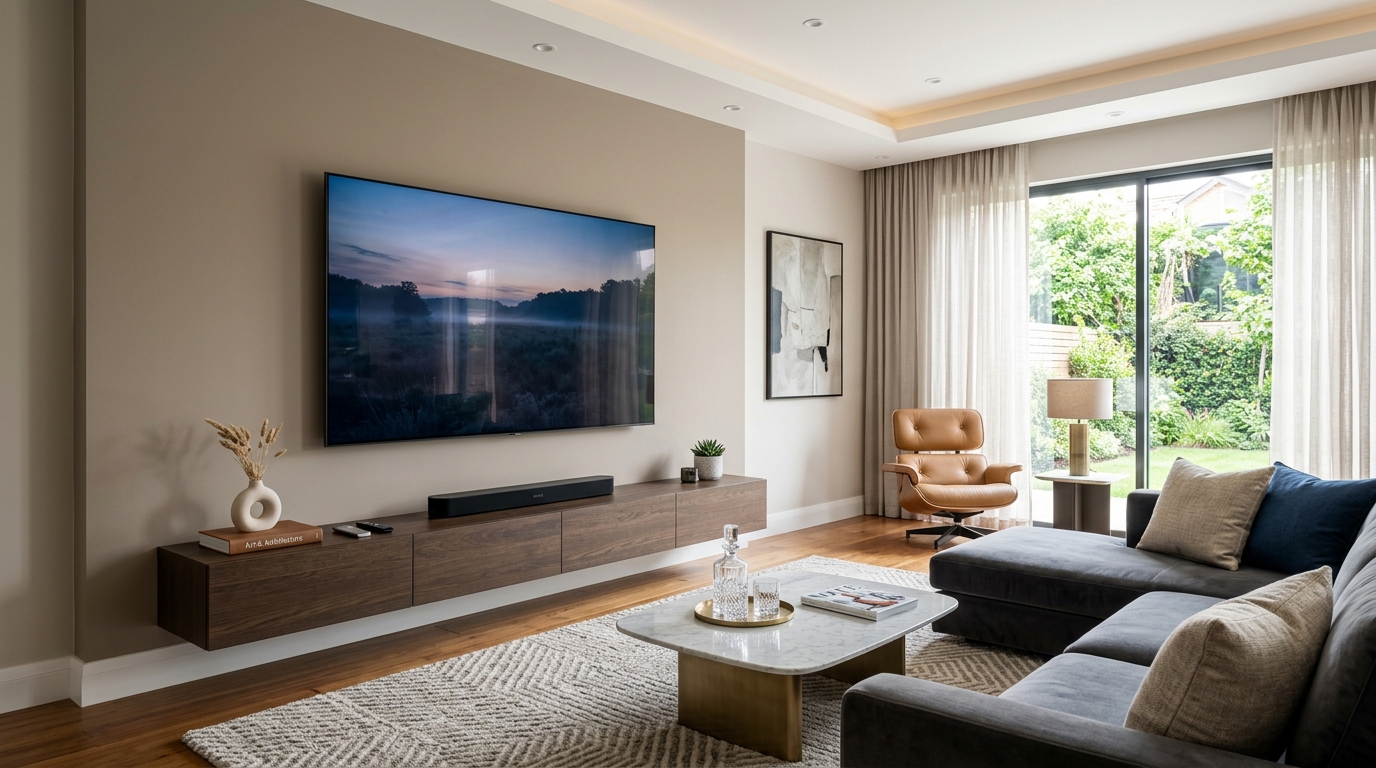
Nothing ruins the clean, sophisticated look of a freshly mounted television faster than a messy tangle of black power cords and HDMI cables dangling down the wall. To achieve a truly professional, high-end finish, install an in-wall cable management kit that allows you to route your wiring safely behind the drywall. These simple DIY kits feature two recessed plates – one hidden behind the television and one low near your baseboard outlet – connected by an internal tube that drops cords out of sight completely. Clearing away wire clutter makes your small room feel instantly cleaner, more organized, and intentionally designed.
Tip: Always use paintable cord cover raceways along your baseboards if you are renting an apartment and cannot legally cut holes into your drywall for cable routing.
18. Repurpose an Armoire or Secret Deck Cabinet
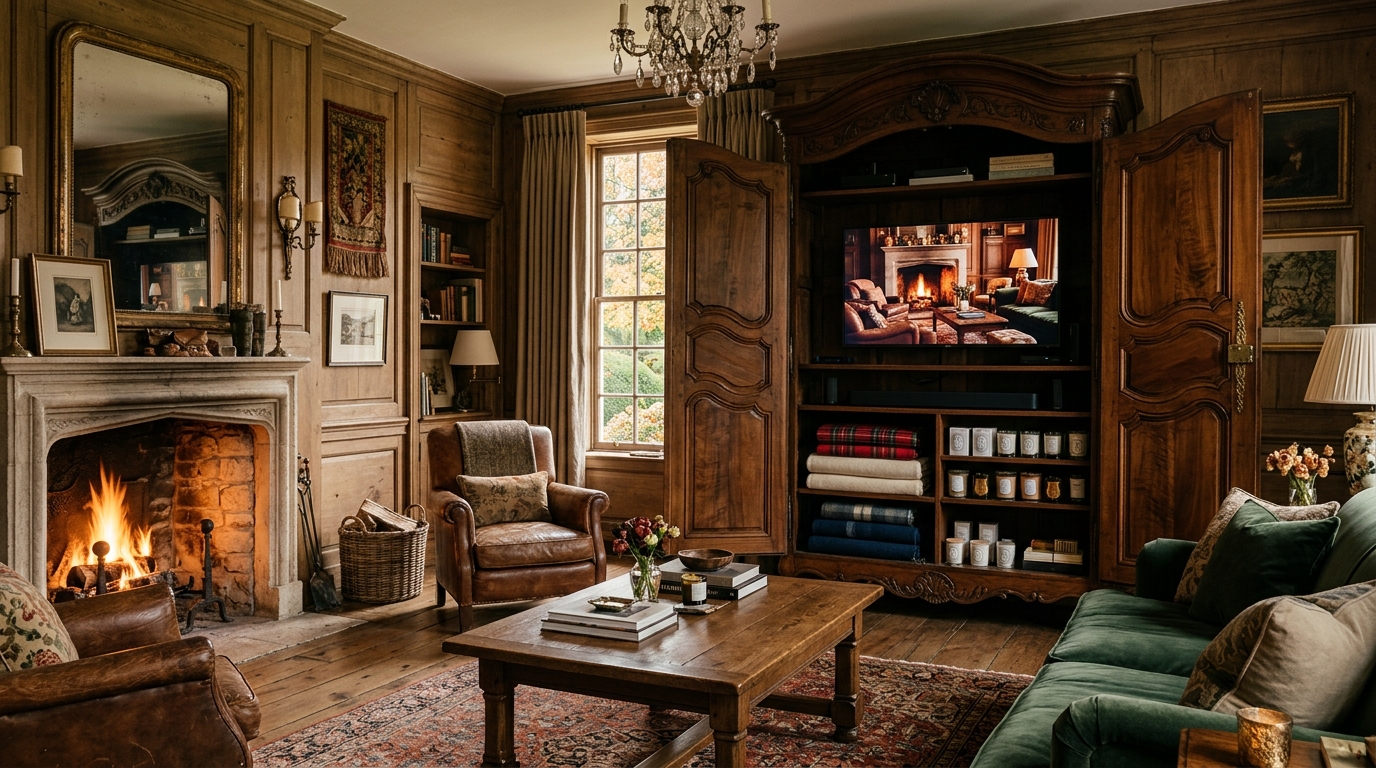
For those who prefer traditional, rustic, or historical decor styles, leaving a modern technological appliance exposed on the wall can feel out of place. Repurposing a vintage wooden armoire, a secretary desk, or a custom shuttered wall cabinet gives you the power to close the doors and banish the screen from sight whenever company arrives. You can easily drill a small hole in the back paneling of the furniture piece for clean cord routing, while using the lower drawers and shelves to organize blankets, candles, and board games. This furniture-based approach brings wonderful warmth, craftsmanship, and timeless charm to small living rooms.
19. Install Lighted Backlighting for Theater-Style Ambiance
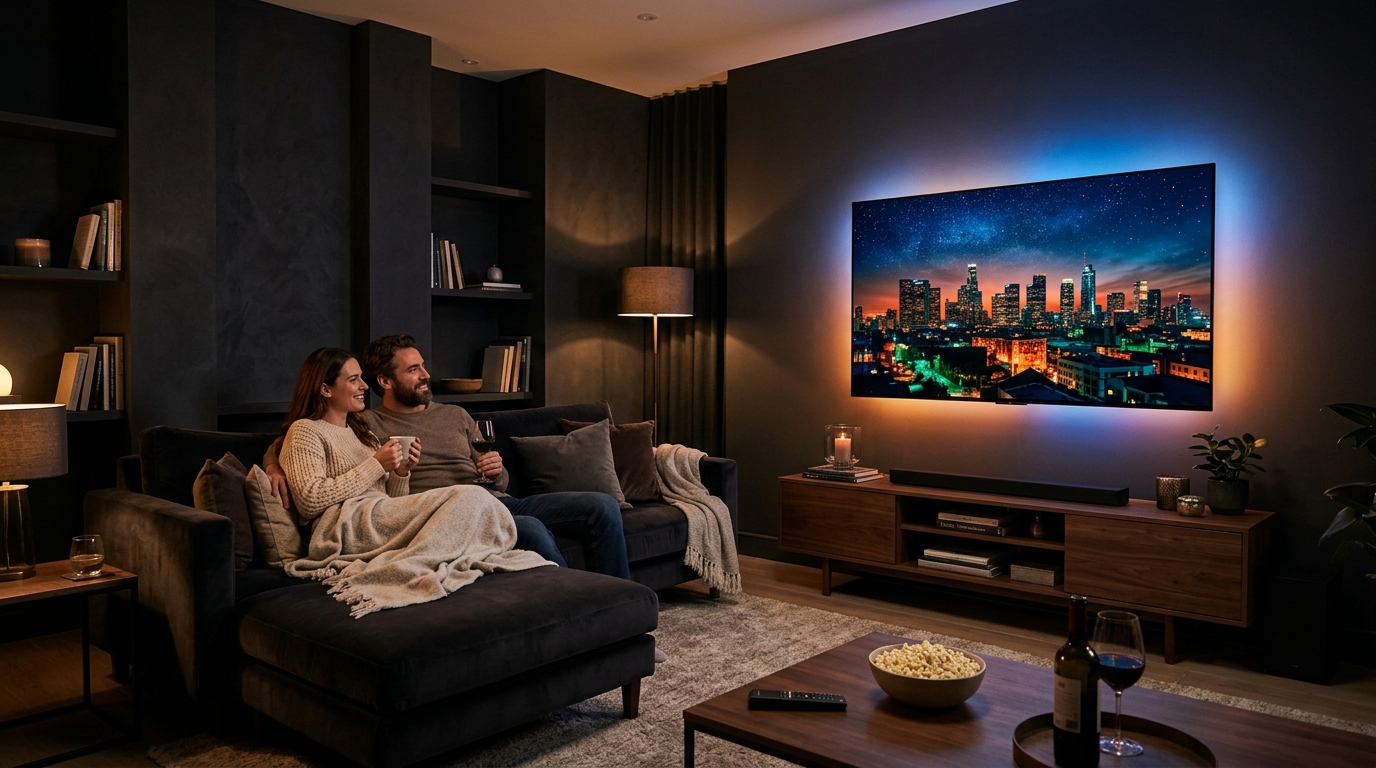
Adding LED bias lighting or smart backlighting strips to the rear perimeter of your television is a fantastic way to upgrade both your room’s ambiance and your physical viewing comfort. When watching television in a dark room, the harsh contrast between a bright screen and dark surrounding walls can cause significant eye strain and fatigue over time. Gentle backlighting casts a soft, diffused glow against the wall, balancing the light levels and making colors on your screen appear richer and deeper. Similar to layering ambient bedroom lighting, adding dimmable background glow transforms your simple living room into a cozy, cinematic home theater experience.
20. Keep Decor Minimalist to Avoid Visual Overstimulation
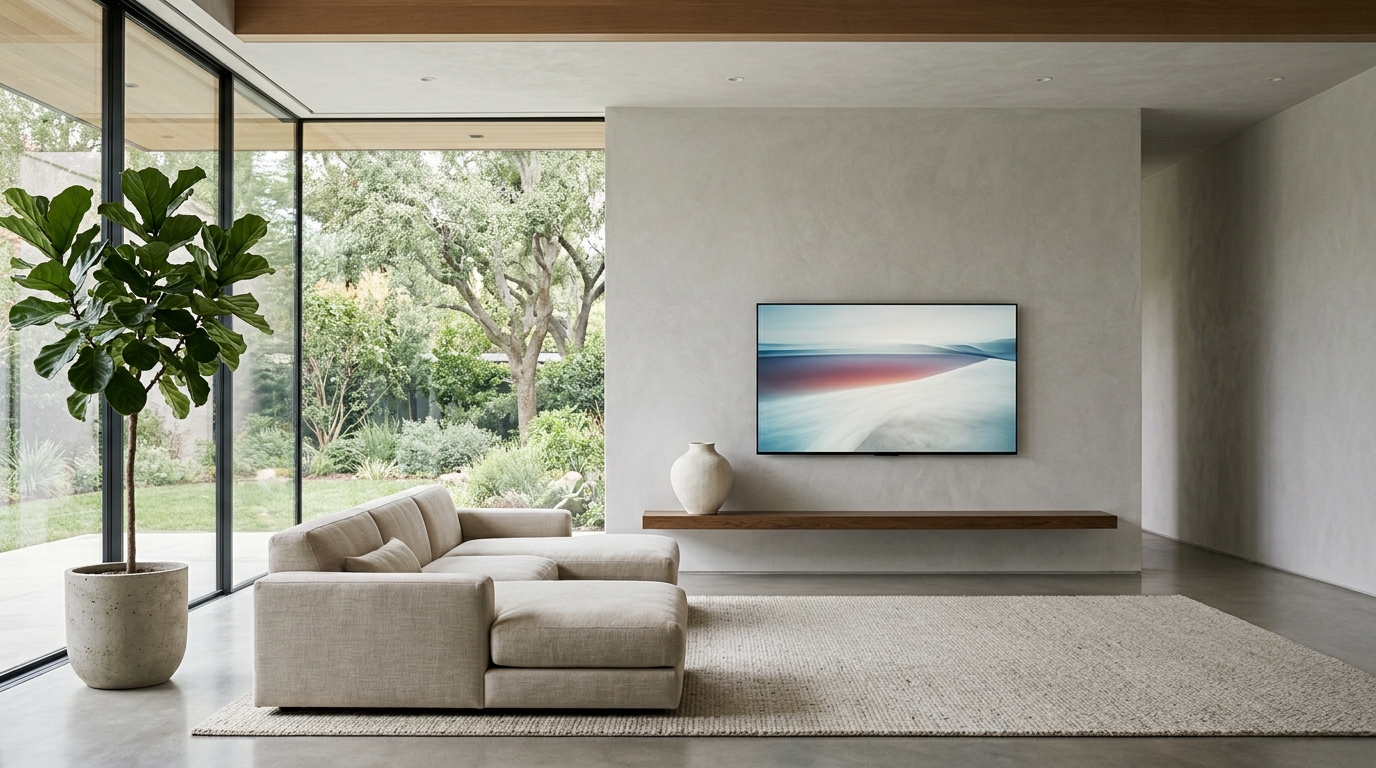
When you are working with a small wall surface that already houses a television, knowing when to stop adding decorations is the most important skill you can practice. Overcrowding the wall with too many tiny trinkets, hanging signs, and contrasting colors creates visual noise that makes the room feel chaotic and claustrophobic. Embrace a minimalist approach by choosing just two or three impactful decorative elements – like a single sculptural vase, a sleek soundbar, and a beautiful potted plant – to accompany your screen. Leaving breathing room around your television allows your eyes to rest and ensures your living space feels tranquil, spacious, and restorative.
Final Thoughts on Styling Your TV Wall
Navigating the layout challenges of a small gathering area does not mean you have to sacrifice either your entertainment setup or your interior design goals. By utilizing these 20 small living room TV & wall solutions, you can successfully integrate your technology into your home’s aesthetic while reclaiming precious floor space. Whether you choose to camouflage your screen with dark moody paint, build custom vertical shelving, or rely on clean floating furniture, intentional wall placement is the key to creating an open, organized atmosphere. Take time to hide your unsightly cables, incorporate a touch of living greenery, and enjoy a functional living space that looks effortlessly styled every single day.
Frequently Asked Questions
How high should I mount a TV on a living room wall?
For optimal viewing comfort and to prevent neck strain, the center of your television screen should sit roughly at eye level when you are seated on your sofa, which is typically 42 to 48 inches from the floor. If you must mount the screen higher – such as above a fireplace – always use a tilting wall bracket so you can angle the monitor downward toward your seating area.
How do you hide a TV on a wall without buying an expensive frame model?
You can easily camouflage a standard television on a budget by painting the accent wall behind it a deep, dark color like charcoal, navy, or black so the screen blends in when turned off. Another affordable option is framing the television with an asymmetrical arrangement of art prints and bookshelves to make the monitor look like part of a larger gallery display.
Can you hang a TV on a wall without locating a wall stud?
While attaching mounting brackets directly into wood studs is always the safest and most secure method, you can mount lighter modern flat-screens on hollow drywall using heavy-duty toggle bolts or specialized snap-toggle anchors. Always check the weight rating of your drywall anchors and ensure your television falls well under the maximum load limit before installation.
What can I put under a wall-mounted TV in a small living room?
To keep a small room feeling airy while adding functionality, place a slim floating credenza, a narrow console table, or a low upholstered bench underneath your wall-mounted screen. You can also utilize the open floor clearance by placing a matching pair of woven storage baskets or garden stools beneath the television to hold extra throw blankets and pillows.
We would love to help you continue tackling tricky layout dilemmas and decorating every corner of your home with confidence – head over to our main blog for more home decor trends and tips and styling inspiration. Make sure to bookmark this guide, share it with a friend who is remodeling their space, and start building the organized, beautiful living room you deserve!