
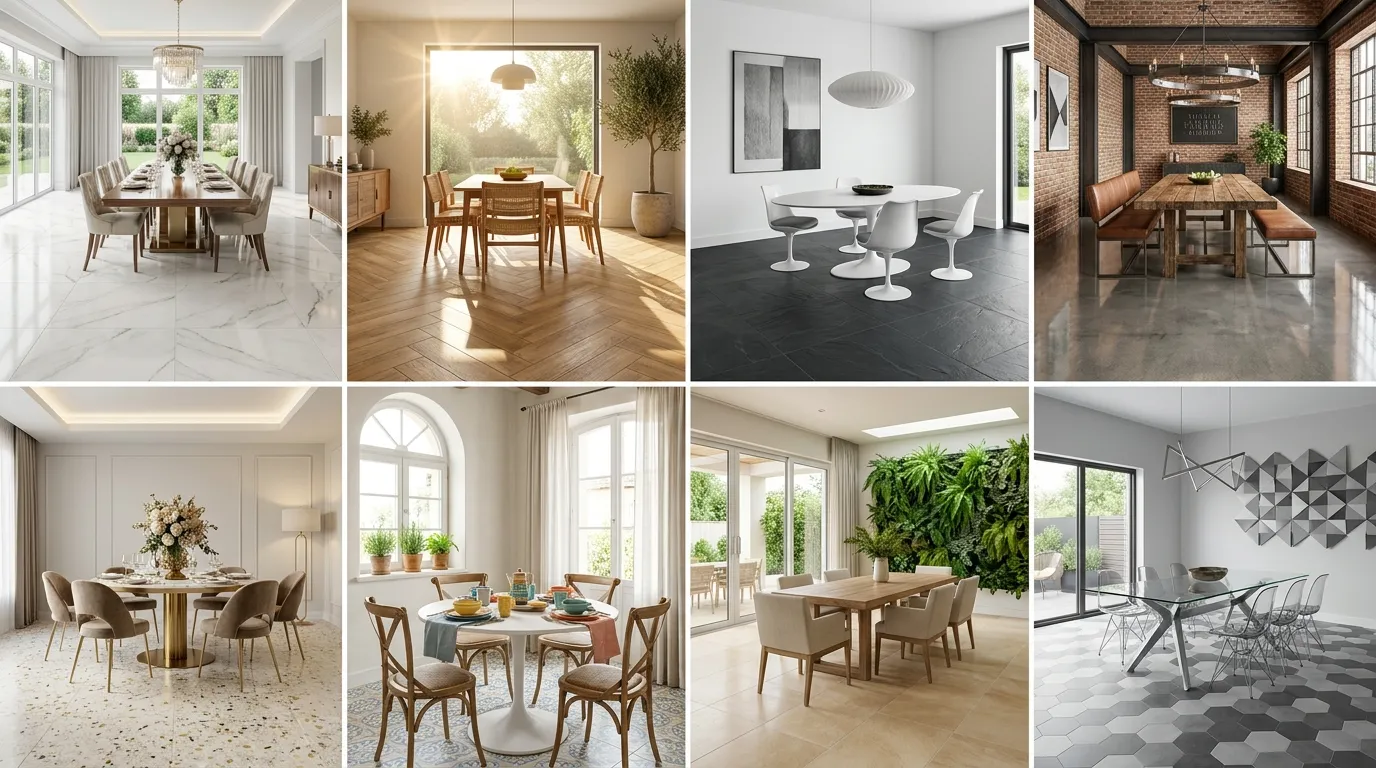
In the grand architecture of a home, the dining room floor is the “Invisible Canvas.” It is the surface that must endure the rhythmic movement of chairs, the occasional red wine spill, and the high-energy social gatherings that define a well-lived home. In 2026, dining room flooring has moved beyond mere utility; it is now about “Thermal Connectivity” and “Visual Flow.” At Trendy Home Bloom, we believe that a dining room “blooms” only when its foundation is as resilient as it is beautiful. Finding the right 12 Best Floor Tiles for Dining Rooms is about mastering the “Material Dialogue” choosing a surface that anchors your social sanctuary while reflecting your unique light.
The secret to a professionally managed floor layout is “Acoustic Dampening” and “Coefficient of Friction.” It’s not just about the tile’s pattern; it’s about how it feels under a guest’s feet and how it manages the sound of a bustling dinner party. Whether you are exploring high-end floor plans or looking for a durable reset, these 12 pro-level tile ideas will guide you through the art of the 2026 floor-and-decor experience.
1. Large-Format Porcelain “Seamless” Slabs
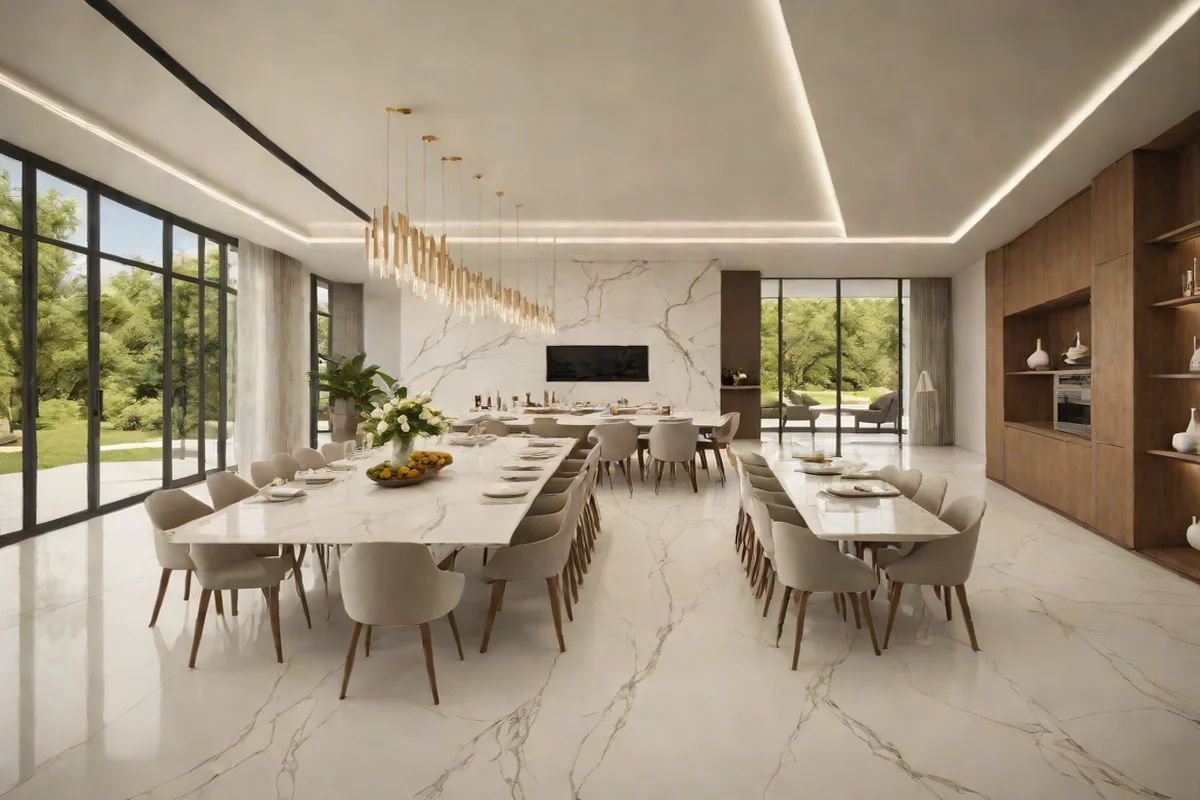
In 2026, the mantra is “The Bigger, The Better.” Large-format porcelain slabs (up to 4×8 feet) minimize grout lines, creating a “Seamless Horizon” that makes your dining room feel infinitely more expansive. These slabs can mimic the world’s most expensive stones with 100% precision, offering an “Elite Luxury” look without the porous fragility of real marble.
- Social Impact: Fewer grout lines mean less visual noise and easier “Post-Party” cleanup.
- Material Logic: High-density porcelain is virtually indestructible, resisting scratches from heavy chair movement.
- Pro Tip: Use a matching grout color to achieve the “Monolithic Block” look.
2. Honed Marble “Checkerboard” Classic
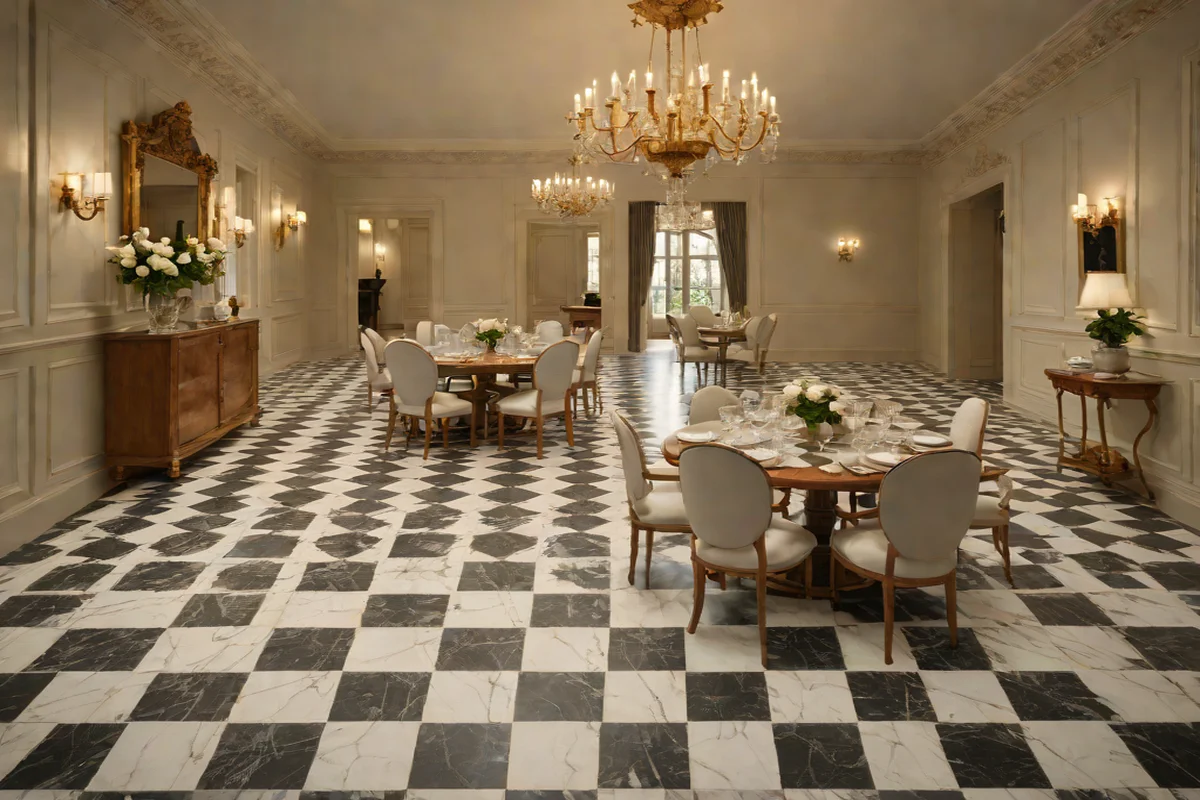
The checkerboard pattern is making a massive comeback, but with a 2026 twist: the “Honed” finish. By using matte white and grey marble tiles in a diagonal layout, you create a “Parisian Bistro” energy that feels established and soulful. The matte finish provides a better “Grip” than polished stone, ensuring a “Safety-First” environment for your guests.
- Visual Rhythm: Diagonal lines lead the eye across the room, making small dining areas look wider.
- Acoustic Quality: Natural stone provides a “Solid Footfall” sound that feels expensive.
- Maintenance: Honed finishes mask “Etching” from spills far better than high-gloss surfaces.
3. Wood-Look Porcelain in “Herringbone”
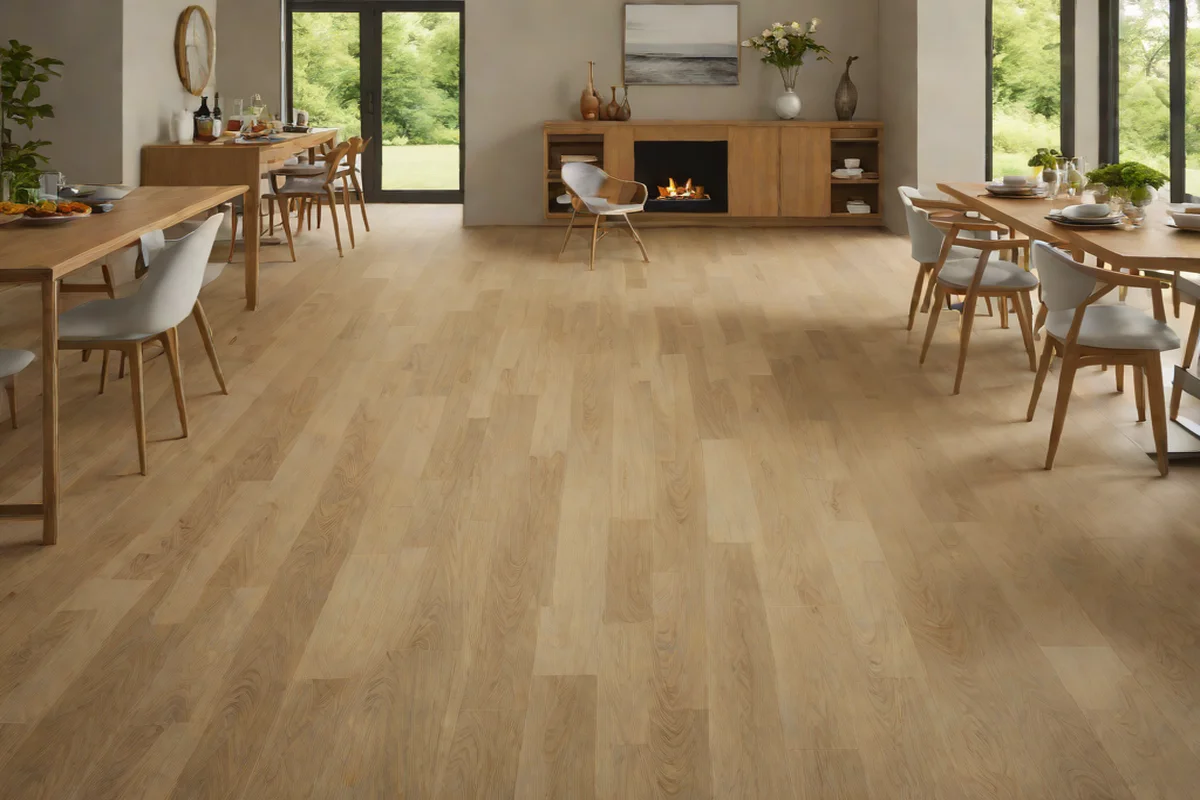
If you want the “Organic Heat” of wood but the durability of stone, wood-look porcelain is your “Practical Luxury” solution. Installing these long, slim tiles in a “Herringbone” pattern adds a “Geometric Soul” to the floor. It bridges the gap between traditional craftsmanship and modern architectural precision, providing a “Tactile Tension” that works in any professionally managed sanctuary.
- Warmth Factor: The visual grain adds “Atmospheric Warmth” to a room with cold stone walls.
- Durability: Unlike real wood, these tiles won’t warp or dent when guests pull out heavy dining chairs.
- Flow: Perfectly aligns with the “Breezy” energy of modern open-plan living.
4. Emerald-Flecked Terrazzo Masterpieces
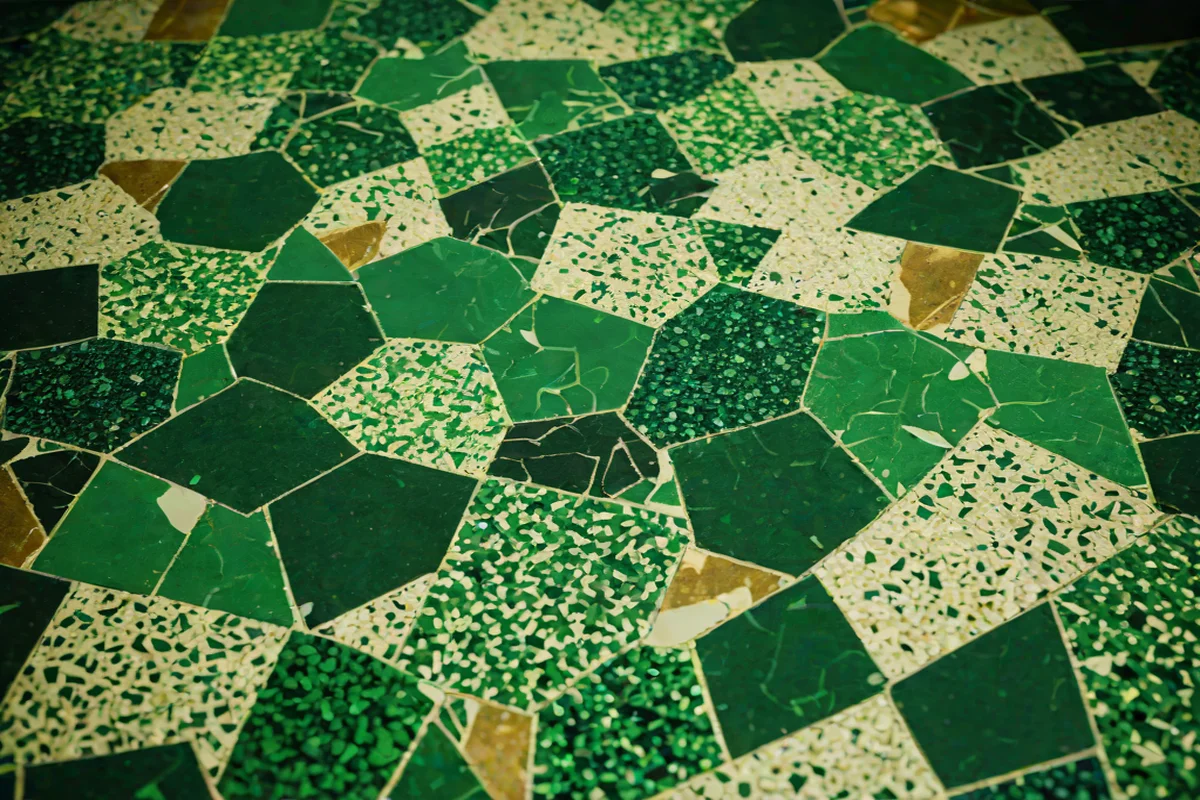
Terrazzo is the “Texture Powerhouse” of 2026. In a dining room, Terrazzo tiles with larger stone chips in emerald or sapphire tones act as a “Graphic Anchor.” It hides crumbs and dust perfectly while adding an “Artisanal Sparkle” that catches the evening light from your pendants.
- Uniqueness: No two tiles are exactly the same, giving your room a “Bespoke” feel.
- Resilience: Originally used in high-traffic Italian buildings, it’s built to last for generations.
- Style: Pairs beautifully with brass “Metallic Jewelry” hardware.
5. “Matte Black” Basalt for Moody Drama
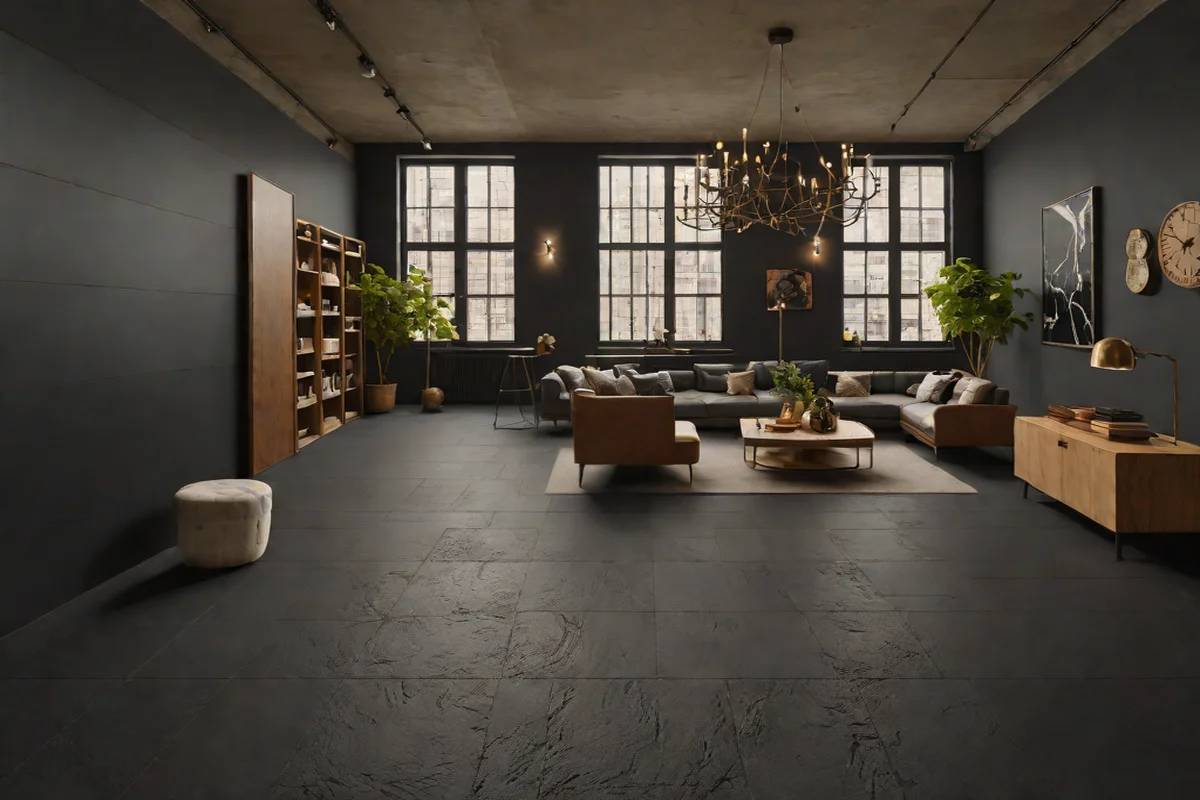
For a “High-Contrast Sanctuary,” choose large-scale black Basalt tiles. This volcanic stone provides a “Pitch-Black Matte” foundation that makes your white or light-wood furniture “bloom” with more brilliance. It’s an “Industrial-Luxe” vibe that suggests a professional chef’s work studio or a high-end city loft.
- Visual Weight: It anchors the room, preventing a bright dining space from feeling “floaty.”
- Temperature: Basalt has high “Thermal Mass,” staying warm long after the sun goes down.
- Impact: A bold “Confidence Move” for the modern homeowner.
6. Picket-Shaped Tiles for “Directional Energy”
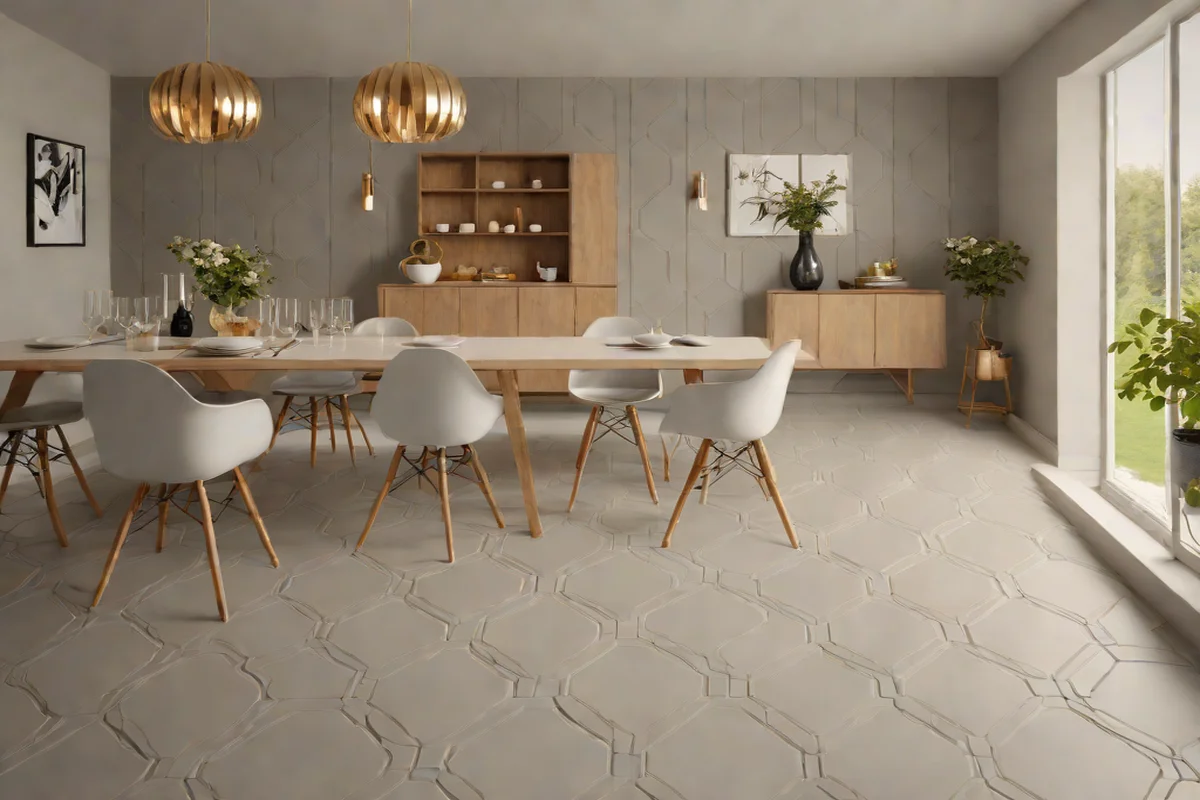
Break away from the standard rectangle. Picket-shaped tiles create a “Pointed Rhythm” that can lead the eye toward a specific focal point, like a “Hero” piece of art or a window view. In a soft “London Fog” grey, these tiles provide a “Modern Sophistication” that feels organized and architecturally sharp.
- Geometry: Adds “Graphic Interest” without the need for loud colors.
- Transitions: Works beautifully when transitioning from the kitchen into the dining zone.
- Maintenance: Easier to clean than small mosaic tiles due to larger surface area.
7. Tumbled Limestone for “Mediterranean Soul”
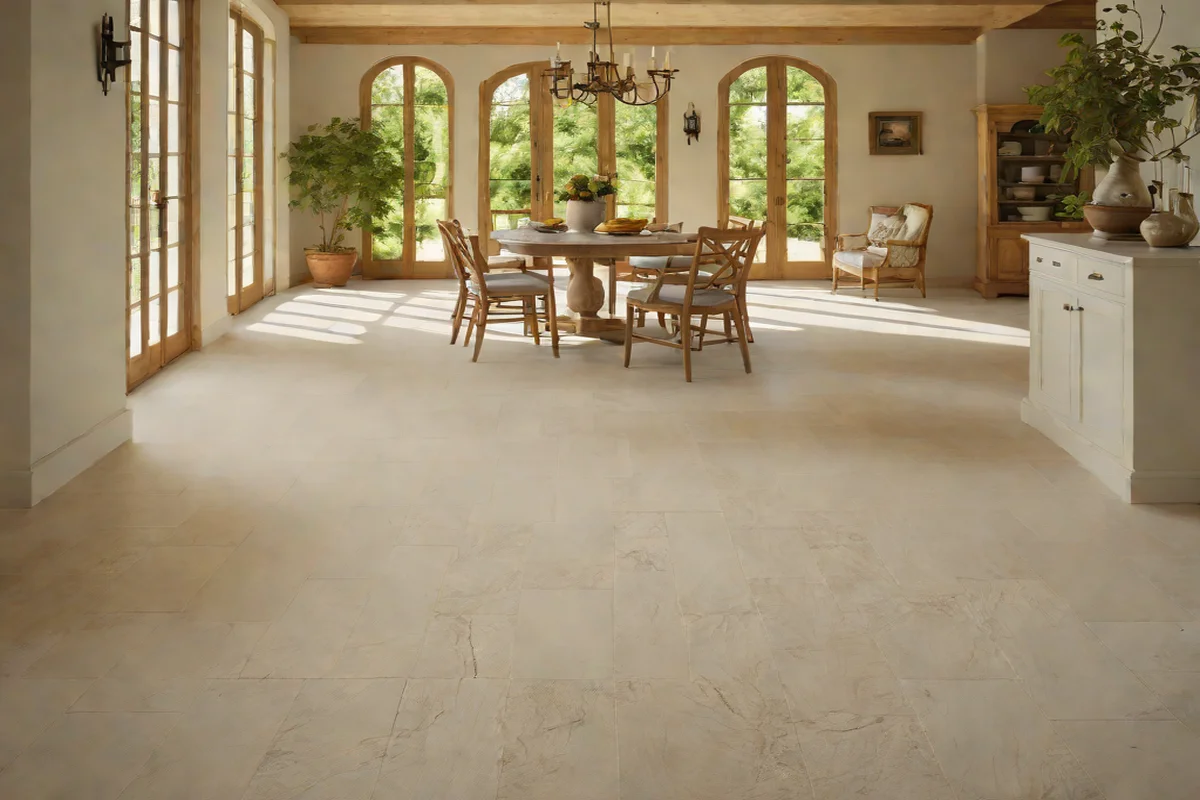
If you want your dining room to feel like a “Breezy” villa in the south of France, tumbled limestone is the answer. The rounded edges and “Chalky Texture” provide an “Organic Soul” and “Humble Luxury.” Limestone feels “Soft” underfoot compared to granite, making it a “Sensory Reset” for your daily life.
- Brightness: Reflects natural light beautifully, making dark dining rooms feel “Fresh.”
- History: Suggests an “Evolved” home with an “Architectural Permanence.”
- Palette: Works perfectly with linen textiles and “Live-Edge” wooden tables.
8. The “Versailles” Multi-Size Pattern
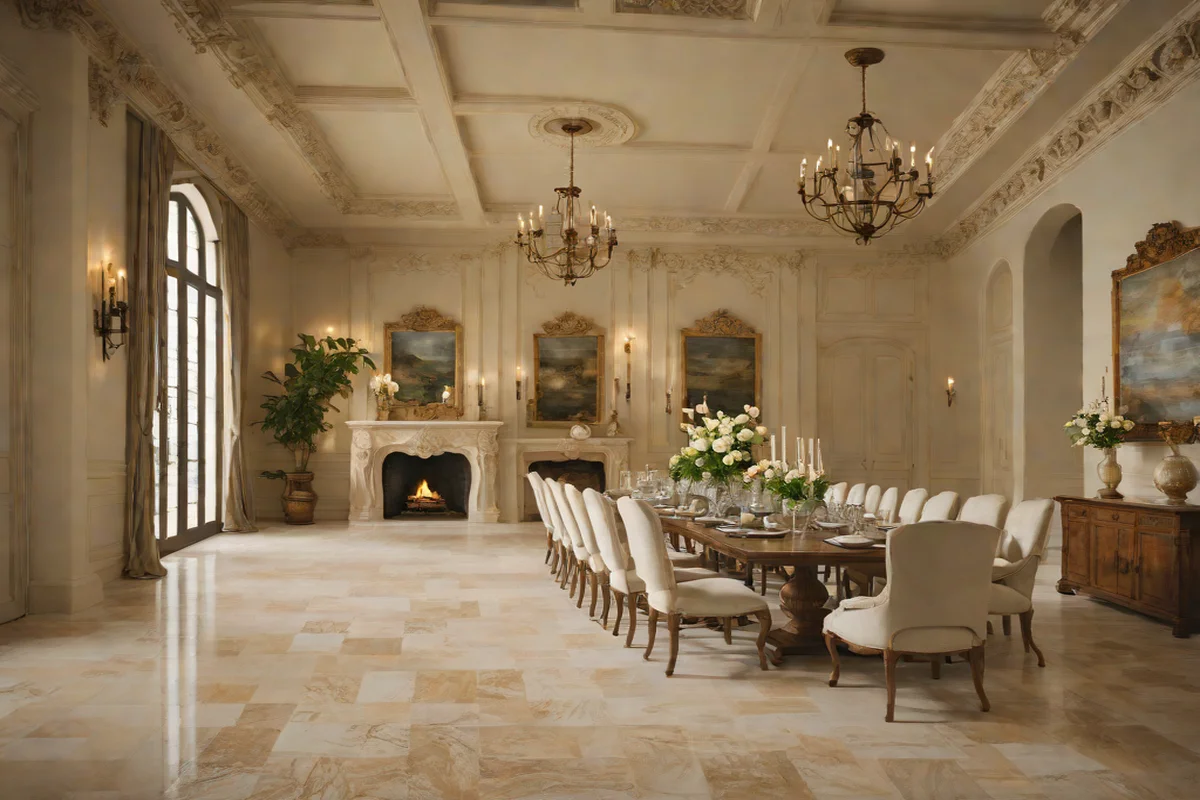
The Versailles pattern uses four different sizes of stone tiles to create a complex, “Non-Repeating” look. Usually done in Travertine or Slate, this pattern adds a “Heritage Depth” to the room. It makes the floor look like it was curated over years, providing a “Rustic-Luxe” foundation for modern dining room makeover and social gatherings.
- Complexity: Adds “Visual Interest” that doesn’t compete with your furniture.
- Grounding: Perfect for large, sprawling dining rooms that need a “Solid Anchor.”
- Texture: Hide grout lines effectively within the intricate pattern.
9. Concrete-Look Porcelain for “Modern Grit”
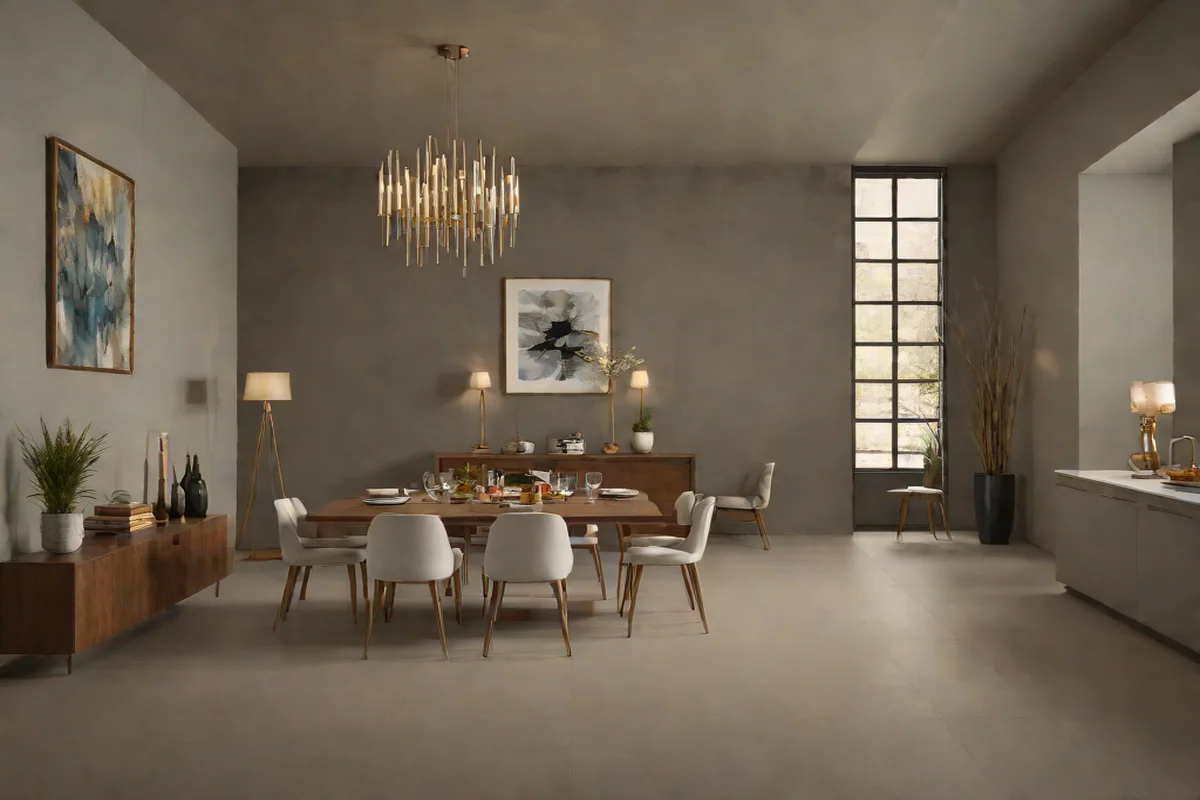
For an “Urban-Luxe” or brutalist aesthetic, choose large-scale porcelain that mimics hand-poured concrete. This provides the “Raw, Stony Texture” of a loft but with a “Zero-Maintenance” finish. It acts as a neutral, “Moody Anchor” that balances out the “Sparkle” of a glass chandelier or brass sconces.
10. Leathered Granite for “Tactile Tension”
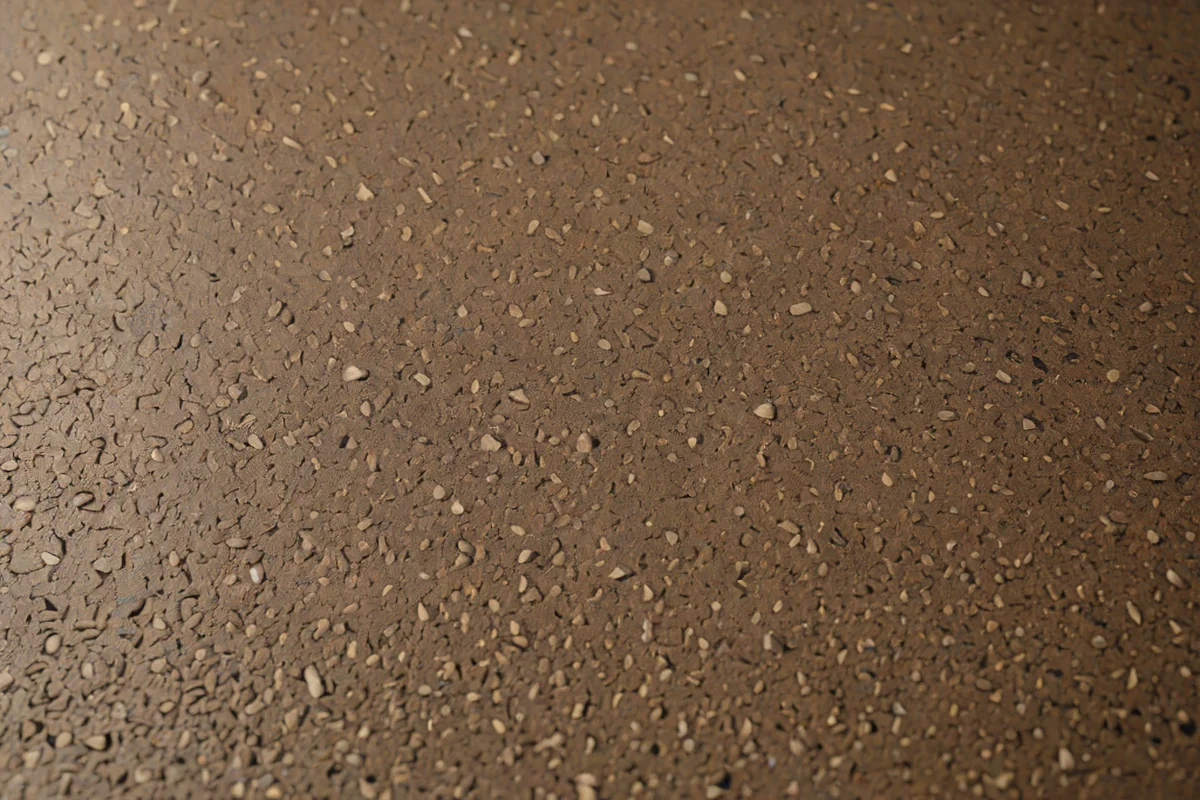
Granite isn’t just for countertops. A “Leathered” finish on floor tiles provides a slightly pitted, matte texture that feels like worn leather. It is incredibly slip-resistant and provides a “Masculine Grit” that adds “Visual Weight” to a social hub.
11. Victorian “Encaustic” Cement Tiles
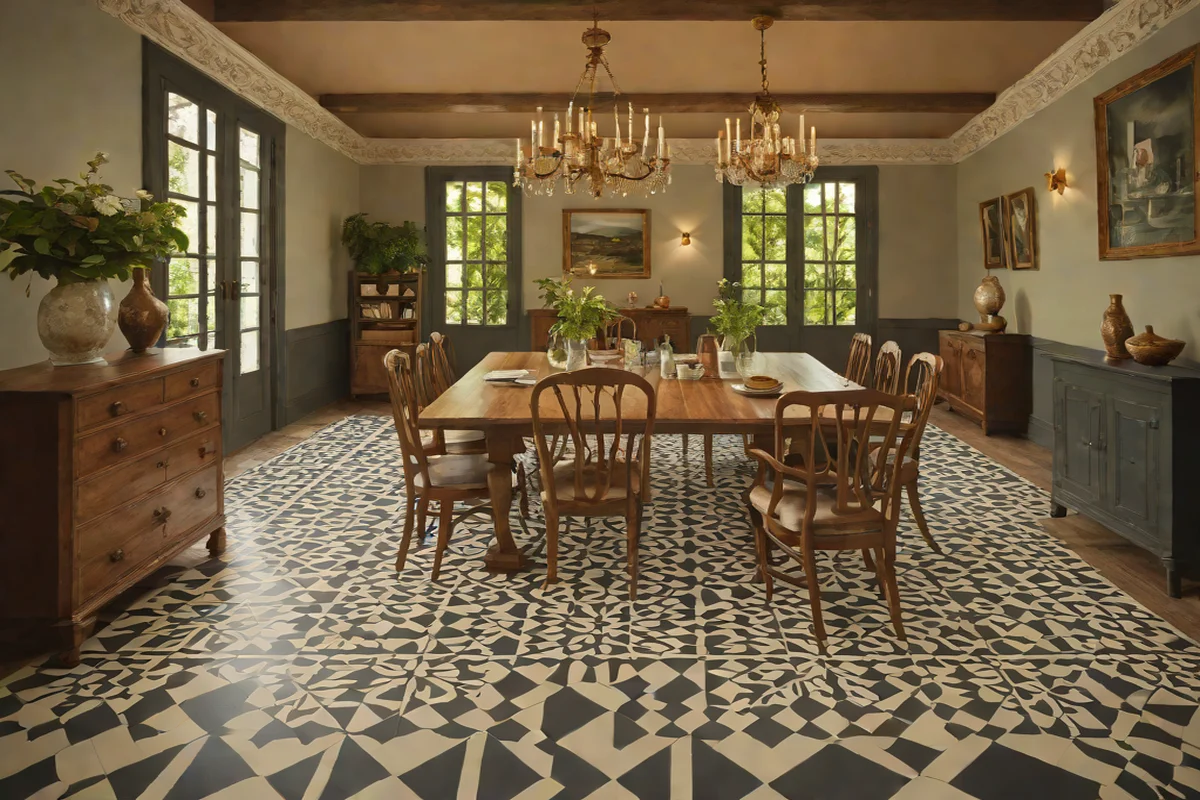
For a modern dining room with “Artisanal Soul,” use encaustic cement tiles. These feature intricate geometric patterns that act like a “Permanent Rug” under the dining table. It defines the social zone with a “Pop of Personality” and historical charm.
12. Black and White “Harlequin” Pattern
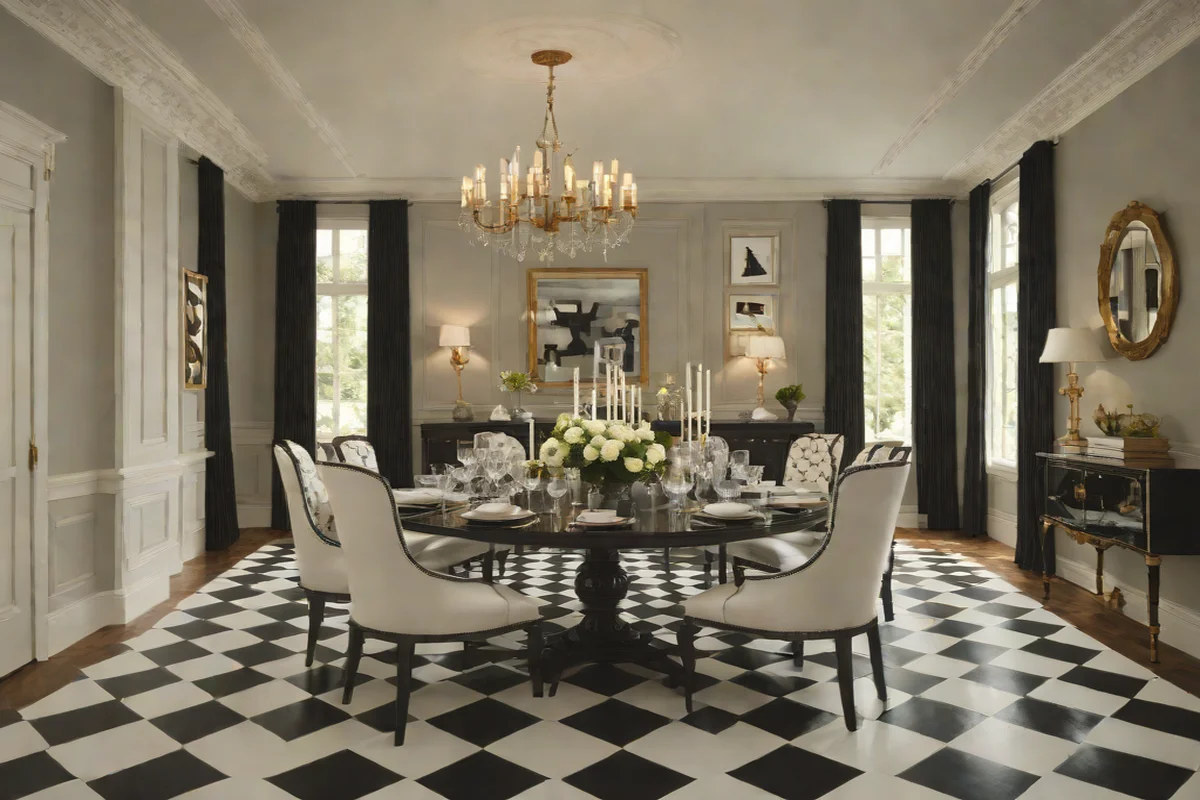
For a touch of “Parisian Glamour,” use a large Harlequin (diamond) pattern. This adds a layer of “Storytelling” to the floor, making the room feel like a destination. It’s a “Graphic Soul” move that works best in formal dining settings.
Actionable Pro-Tips: The Foundation Mastery
- The “Grout” Secret: Always use Epoxy Grout for dining rooms. Unlike standard grout, epoxy is 100% stain-proof against wine and food spills, keeping your white kitchen and dining areas “Pristine” forever.
- Coefficient of Friction (COF): Always check the COF rating of your tiles. For a safe social sanctuary, look for a rating of 0.60 or higher. This ensures the floor isn’t slippery even if something is spilled.
- Acoustic Underlay: Don’t just glue tiles to the slab. Use a high-quality Acoustic Membrane underneath. This “Invisible Luxury” dampens the “clinking” sound of chairs and voices, making the room feel quiet and expensive.
Conclusion: Build the Social Hub
Selecting the right floor tile is about more than just aesthetics; it is about building the stage for your life’s most important dialogues. By mastering the layers of “Tactile Soul,” “Acoustic Luxury,” and “Visual Flow,” you turn your dining room into a high-end sanctuary that is both durable and soul-stirring. Remember, a professionally managed foundation is the first step toward a home that truly reflects your unique light. For more deep-dives into making every corner of your home reflect your soul, check out our latest Trendy Home Bloom Blog posts.
FAQs (Google Snippet Optimized)
Q: Which floor tiles are best for a dining room? A: Large-format porcelain tiles and honed natural stones (like marble or limestone) are the best for dining rooms. Porcelain is “Indestructible” and non-porous, while honed stone provides a “Non-Slip” texture and a high-end, “Lived-in Luxury” feel that ages beautifully.
Q: Are light or dark floor tiles better for dining rooms? A: It depends on your “Spatial Intelligence.” Light tiles (like Carrara or Sandstone) make a room feel “Breezy” and expansive. Dark tiles (like Basalt or Charcoal) provide a “Grounded Anchor” and a “Moody Sophistication” that makes metallic hardware and greenery pop with more brilliance.
Q: How do I make my tiled dining room feel warm? A: To add “Atmospheric Warmth” to a tiled floor, use “Zoning” with a high-pile wool rug. Additionally, incorporating “Organic Heat” through wooden furniture and “Warm Amber” lighting (2700K) balances the coldness of the stone tiles, creating a perfectly balanced sanctuary.