
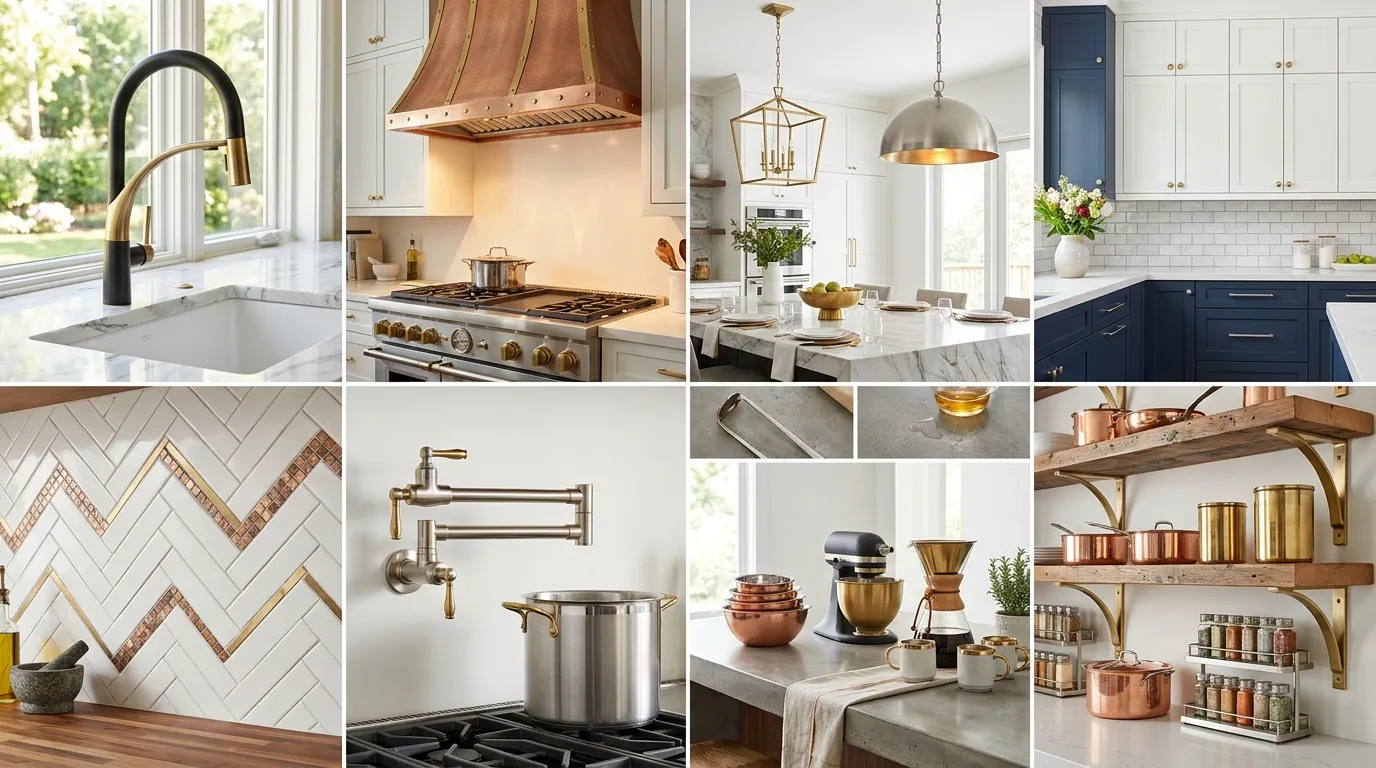
In the high-stakes world of luxury interior design, the rule of “Perfect Matching” has been replaced by the art of “Curated Contrast.” For years, we were told that if the faucet is chrome, the handles must be chrome. But in 2026, that approach feels flat and uninspired. Finding the right 30 Mixing Metals in Kitchen Ideas is about creating a “Metallic Rhythm” that adds depth, history, and a layer of sophisticated “Quiet Luxury” to your home. At Trendy Home Bloom, we believe that a kitchen should look like it has evolved over generations – a space where every metal finish tells a unique story.
The secret to a professionally managed mixed-metal kitchen is balance, not chaos. It’s about understanding “Sheen Dialogue” how a warm, hand-rubbed brass interacts with the cold, industrial sharpness of stainless steel. Whether you are exploring high-end architectural floor plans or simply looking to refresh your current cabinetry jewelry, these 30 strategies will guide you through the nuance of the modern metallic palette. Let’s help your kitchen “bloom” with a rich, multi-dimensional glow.
1. The Dominant Metal Anchor
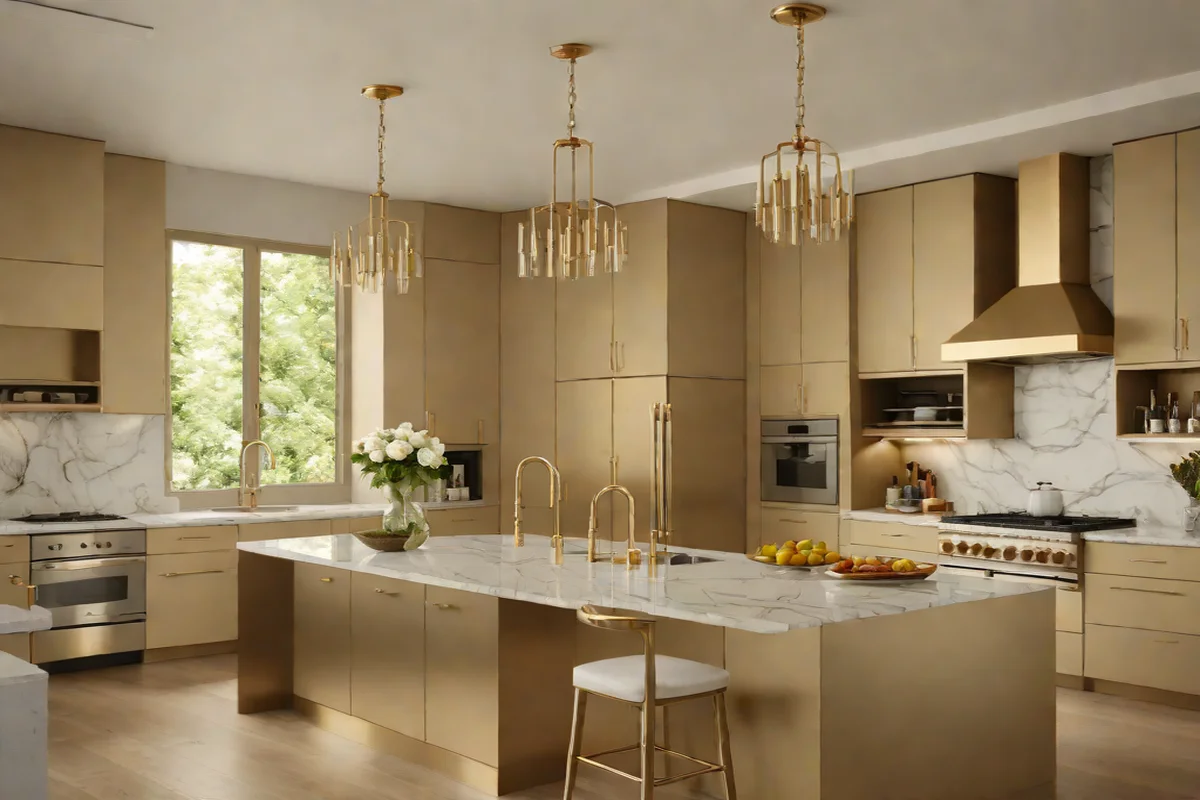
Before you start mixing, you must choose your “Anchor.” This is the metal that will cover about 60-70% of the room. Usually, this is your cabinetry hardware or your large appliances. By establishing a dominant metal – like a soft, brushed brass – you create a “Visual Foundation” that allows your accent metals to stand out without making the room feel cluttered. It is the first step in creating a professionally managed sanctuary.
2. The Rule of Three (Metals)
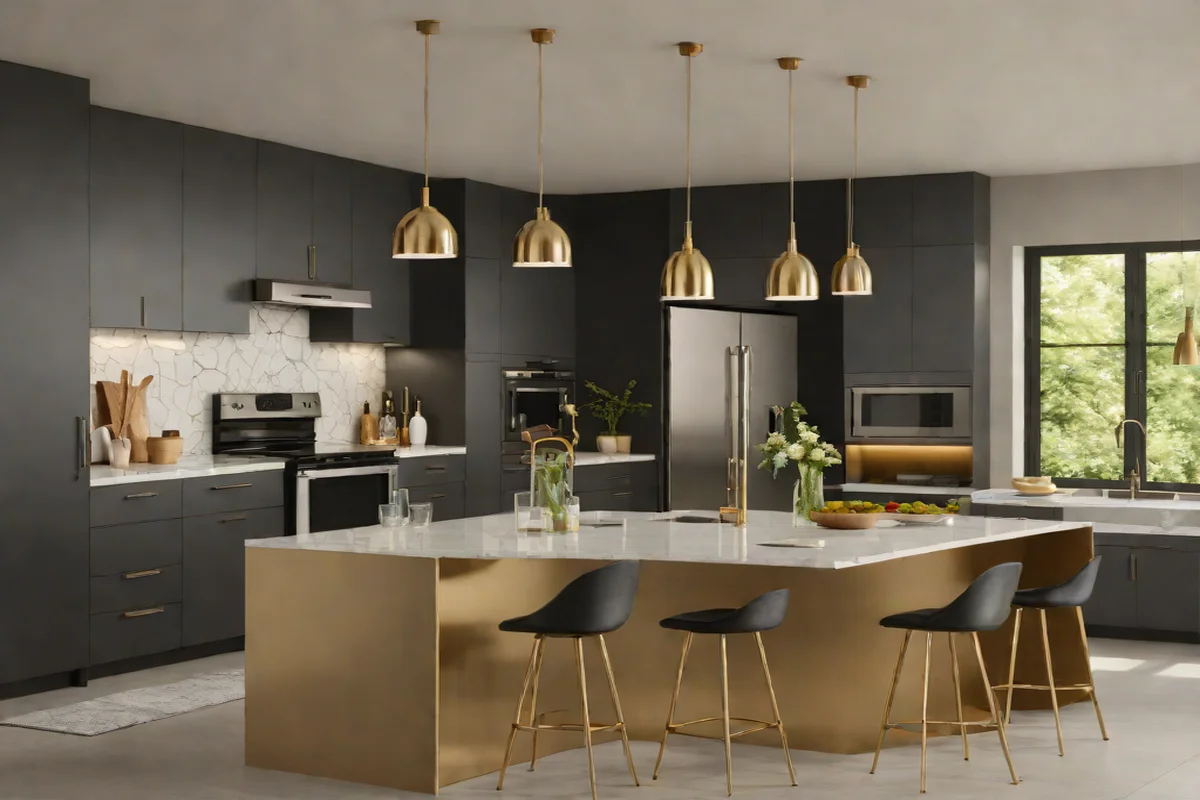
A designer secret for a perfectly balanced kitchen is to limit your palette to three distinct metals. For example, use Stainless Steel for appliances (the Utility), Brass for hardware (the Jewelry), and Black Iron for lighting (the Frame). This “Triad of Tones” provides enough variety to feel curated but keeps the “Metallic Rhythm” structured and intentional. It prevents the room from looking like a random collection of spare parts.
3. Mixing Warm and Cold Tones
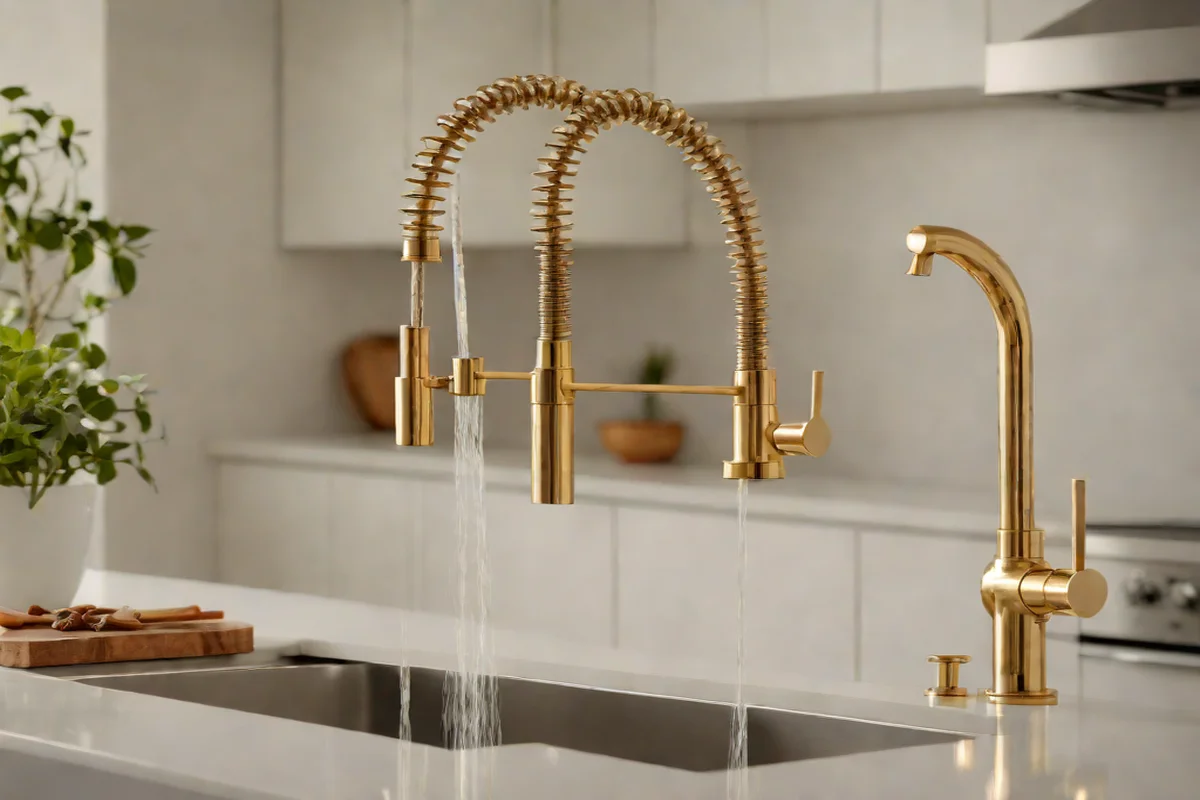
The most sophisticated kitchens rely on the “Tension” between temperatures. Pair “Warm” metals (Brass, Gold, Copper) with “Cold” metals (Chrome, Nickel, Stainless Steel). The warmth of a brass faucet brings a “Pop of Life” to a kitchen dominated by cold stainless steel appliances. This contrast is what makes a monochromatic white or grey kitchen feel expansive, expensive, and intentionally designed.
4. Hardware vs. Plumbing Distinction
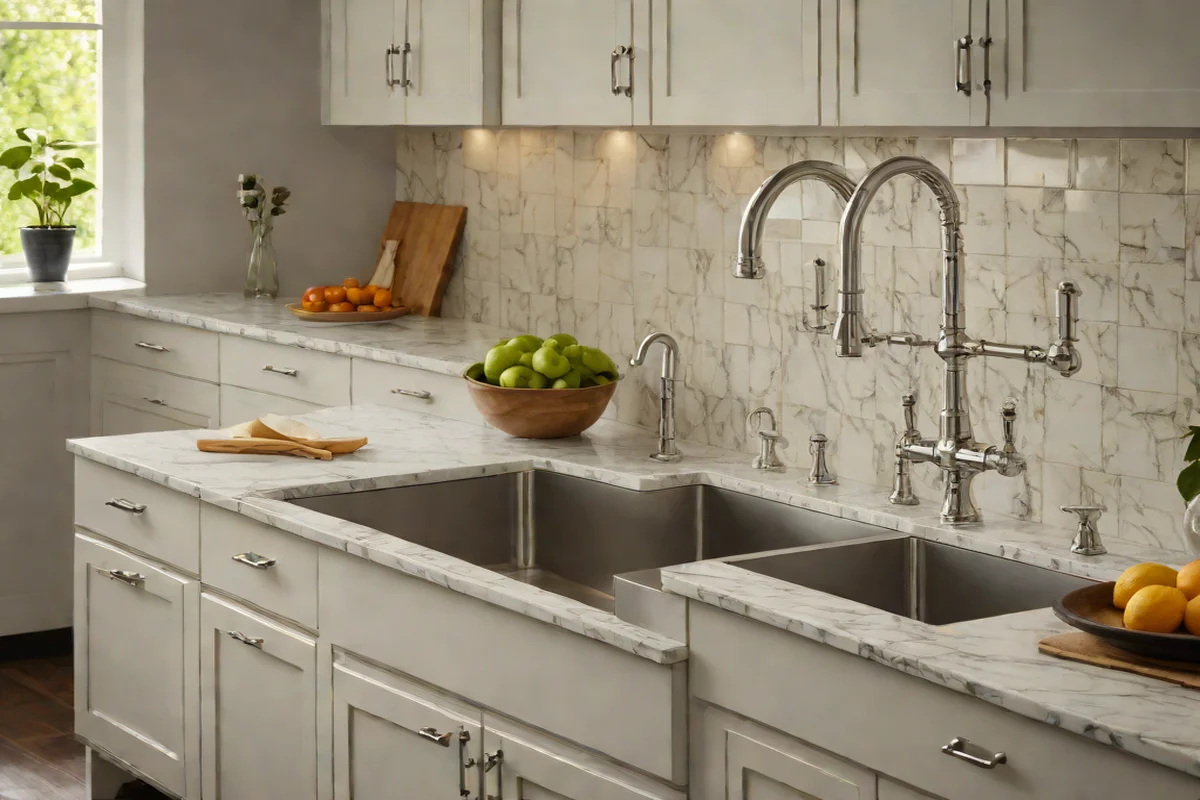
One of the easiest ways to start mixing is to keep your cabinetry hardware in one metal and your plumbing fixtures in another. Try using matte black pulls for your drawers but a grand polished nickel bridge faucet for your sink. This “Zone Distinction” tells the eye that these are different functional areas, adding a layer of “Intellectual Depth” to your daily living space.
5. The “Live Finish” Patina Dialogue
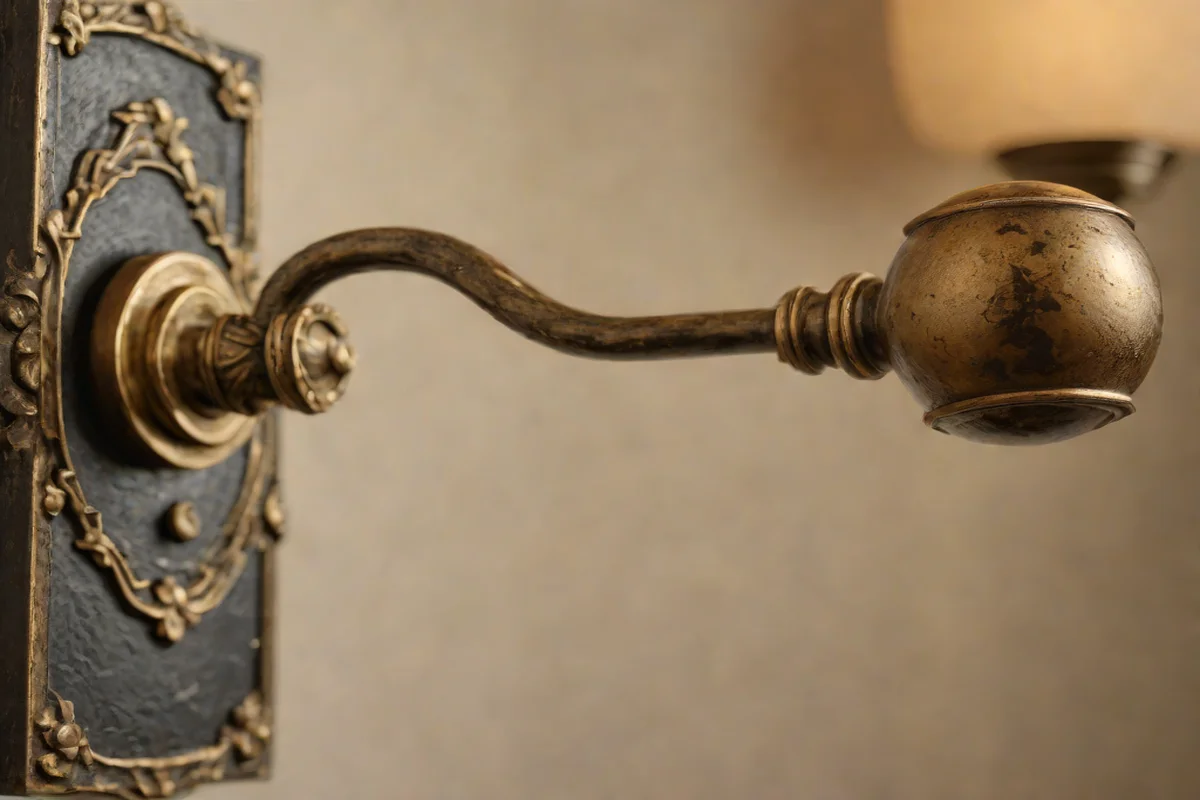
In 2026, we value “Authentic Evolution.” Use “Live Finishes” like unlacquered brass for your handles and pair them with a stable metal like polished chrome for your light fixtures. As the brass darkens and develops a “Heritage Patina” from the touch of your hands, the chrome stays bright. This creates a beautiful “Dialogue of Time” that makes your kitchen feel like an old European estate.
6. Consistent Sheen Across Different Metals
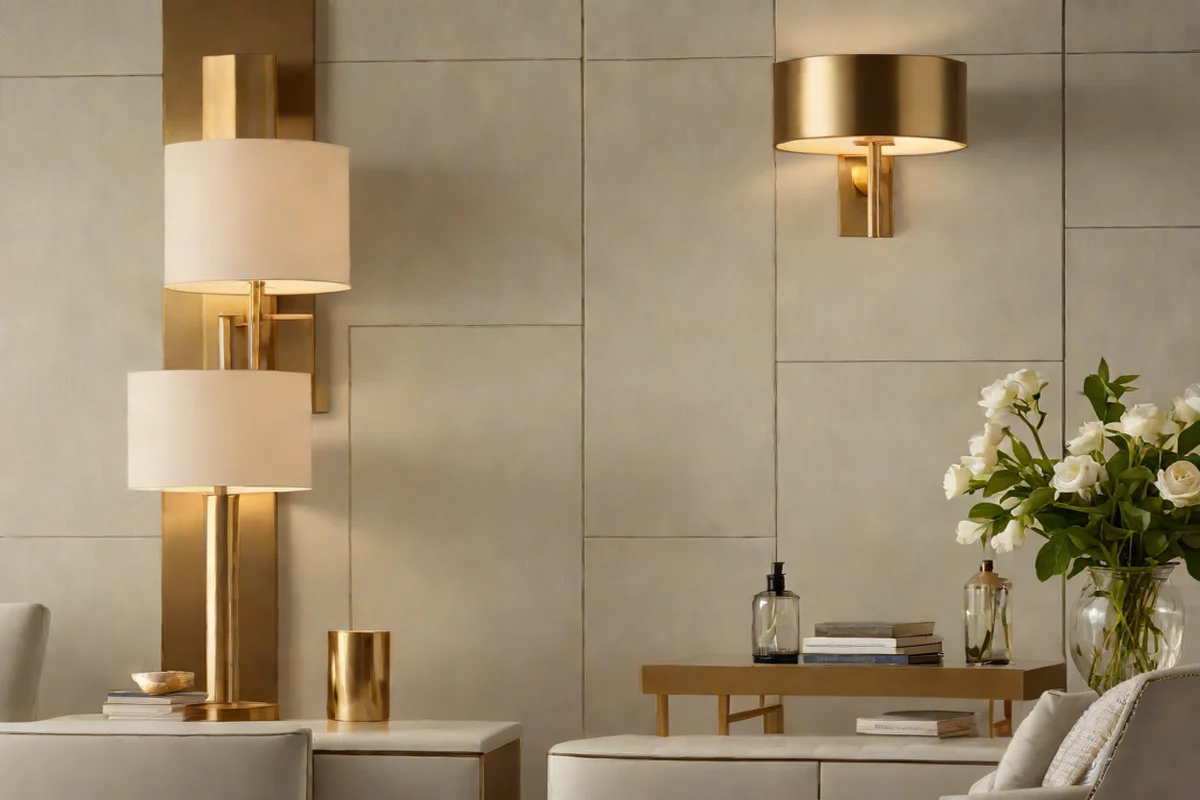
If you are nervous about mixing different colors, try keeping the “Sheen” consistent. Use brushed brass and brushed nickel together. Because they both have that soft, “Satin Glow,” they share a common design language even though their colors are different. This “Textural Unity” is a safe but high-end move for creating a cohesive mixed-metal sanctuary.
7. The Statement Copper Hood
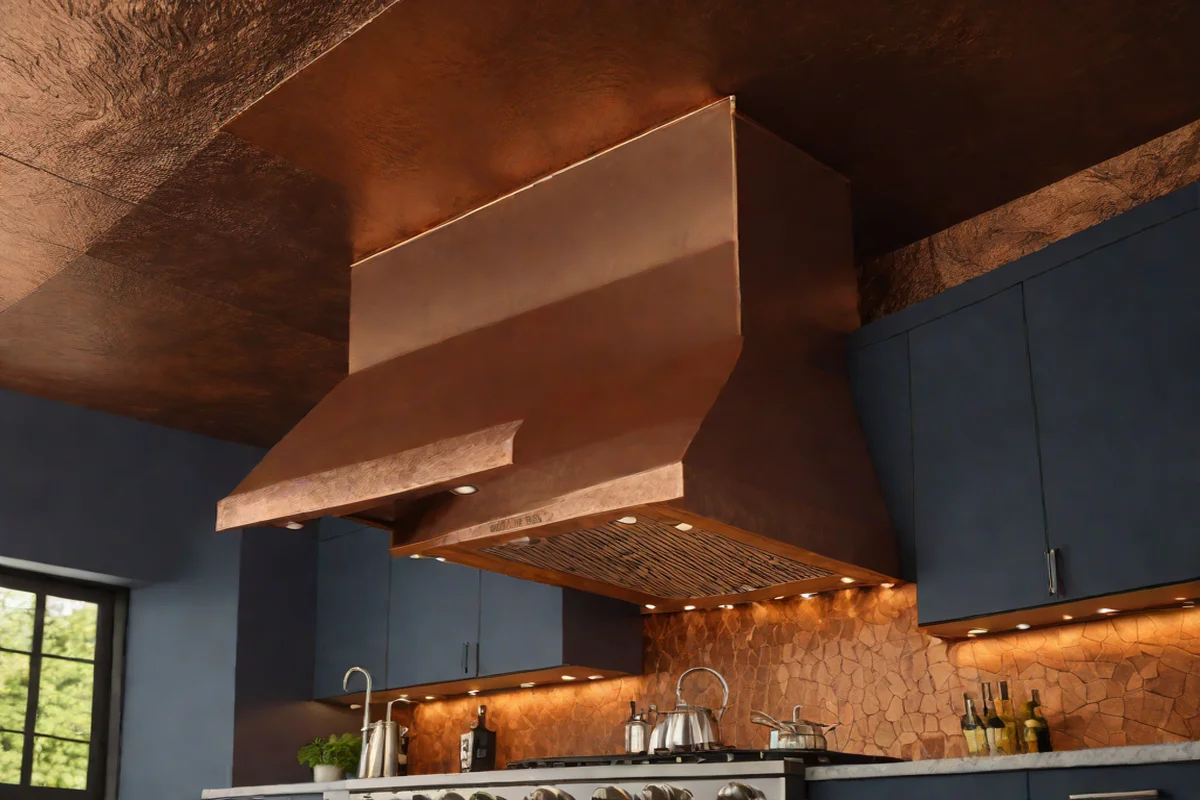
If you want a “Hero Metal” that demands attention, incorporate a massive hand-hammered copper range hood. Copper has a “Rustic Glamour” that pairs exceptionally well with both brass and stainless steel. It acts as a “Vertical Anchor” for the room, drawing the eye upward and providing a warm, reddish-gold glow that balances the harder metallic surfaces of the kitchen.
8. Black Iron as the “Graphic Frame”
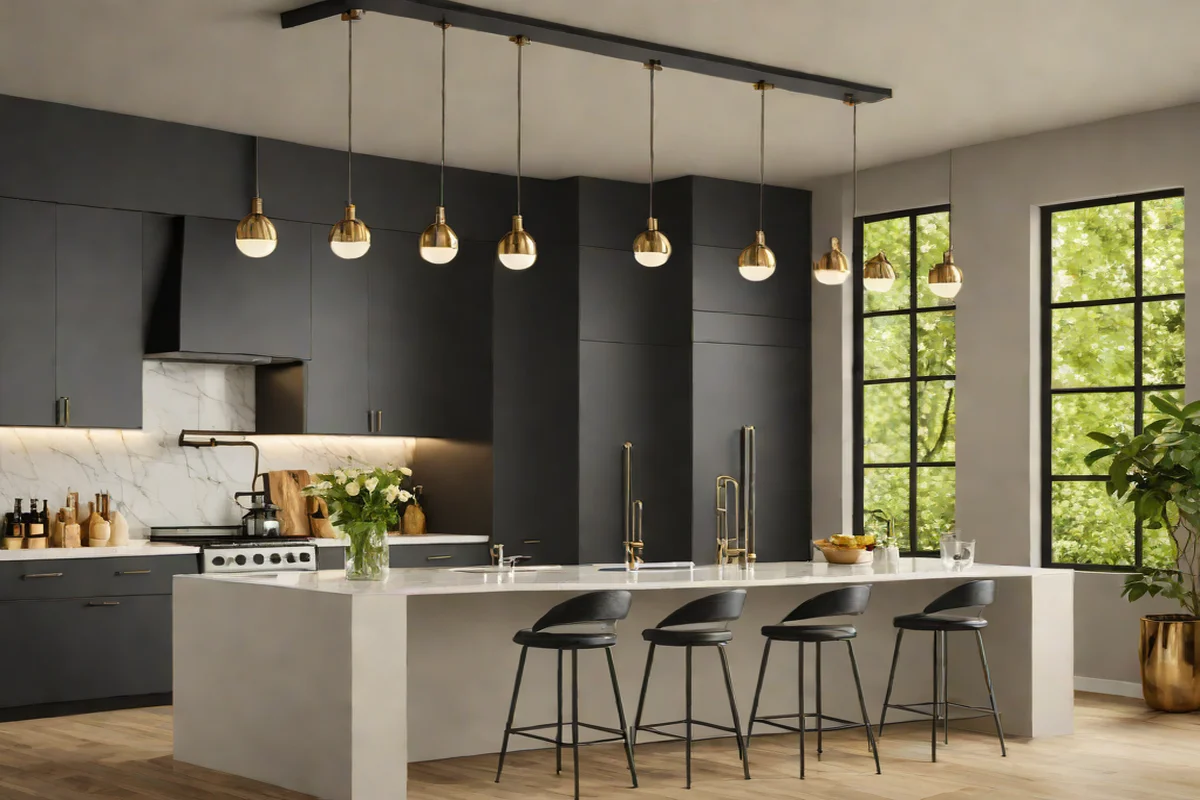
Think of matte black iron as the “Mascara” of your kitchen. It provides a sharp, graphic frame that grounds the shinier metals. Using black iron for your window frames or bar stool legs allows your brass pendants or gold hardware to “bloom” with even more brilliance. Black iron is the neutral metal that makes every other finish look more professionally curated.
9. Polished Nickel: The Bridge Metal
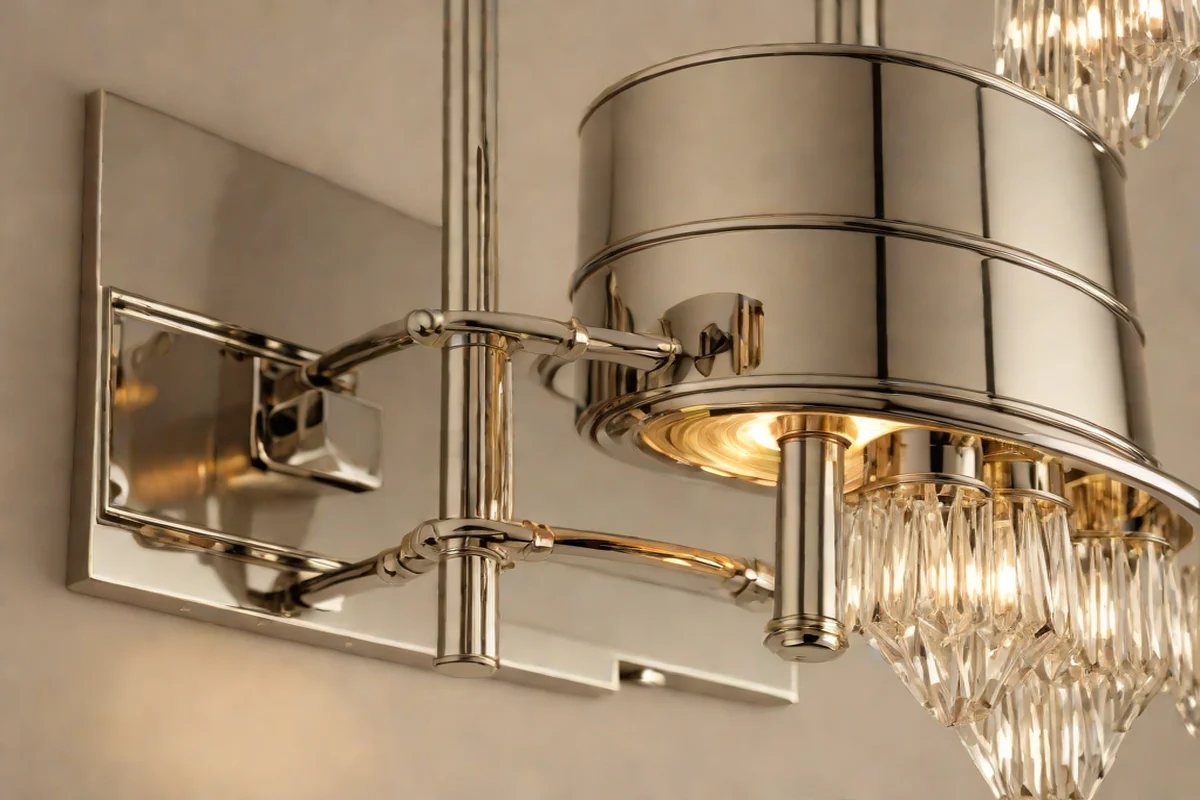
Polished Nickel is a designer’s best friend because it acts as a “Bridge.” It is a silvery metal, but it has a subtle golden undertone. This makes it the perfect middle ground between cold chrome and warm gold. If you have a mix of stainless steel and brass, using polished nickel for your wall sconces or pot filler ties the two extremes together with a “Warmer Sparkle.”
10. The Utility of Stainless Steel
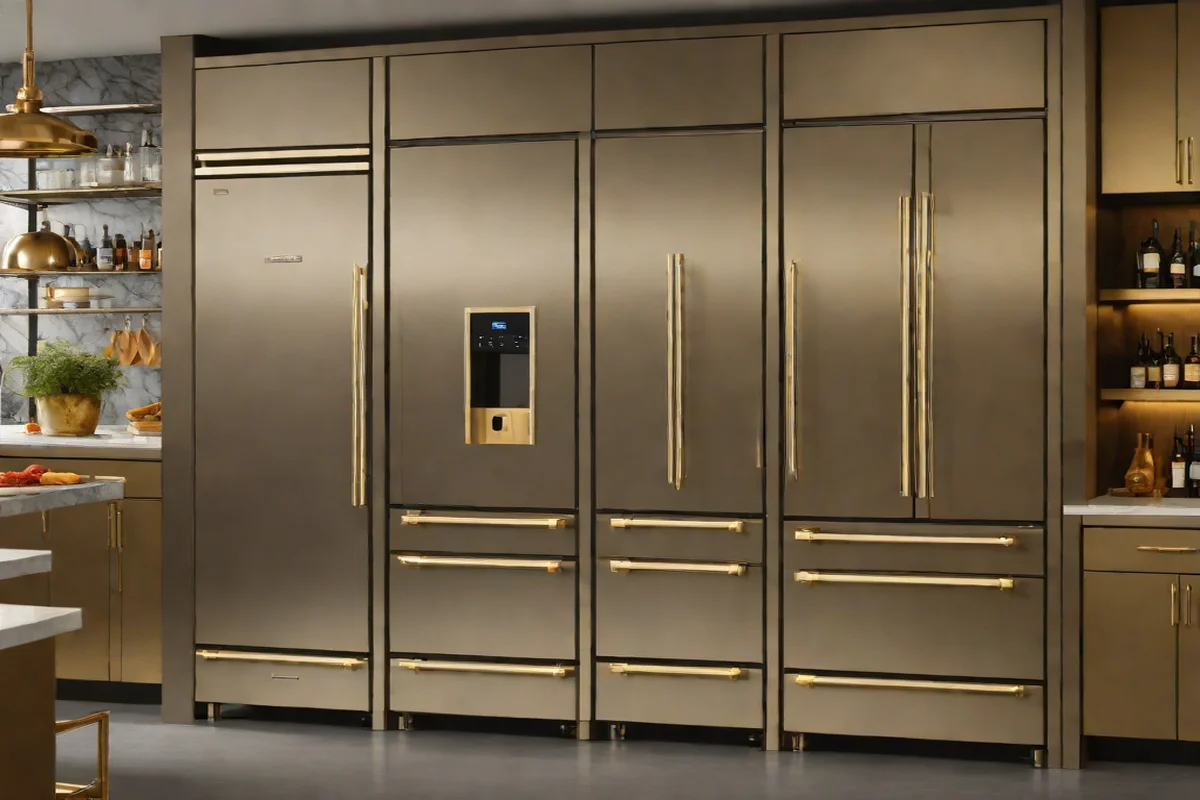
Don’t fight your appliances. Most professional-grade ovens and fridges are stainless steel, and they should be celebrated as the “Utility Soul” of the kitchen. Instead of trying to hide them, surround them with warm brass hardware. The “Industrial-Luxe” vibe of the steel provides a rugged backdrop that makes the “Jewelry” of your brass handles look even more precious.
11. Antique Brass for “Heritage Depth”
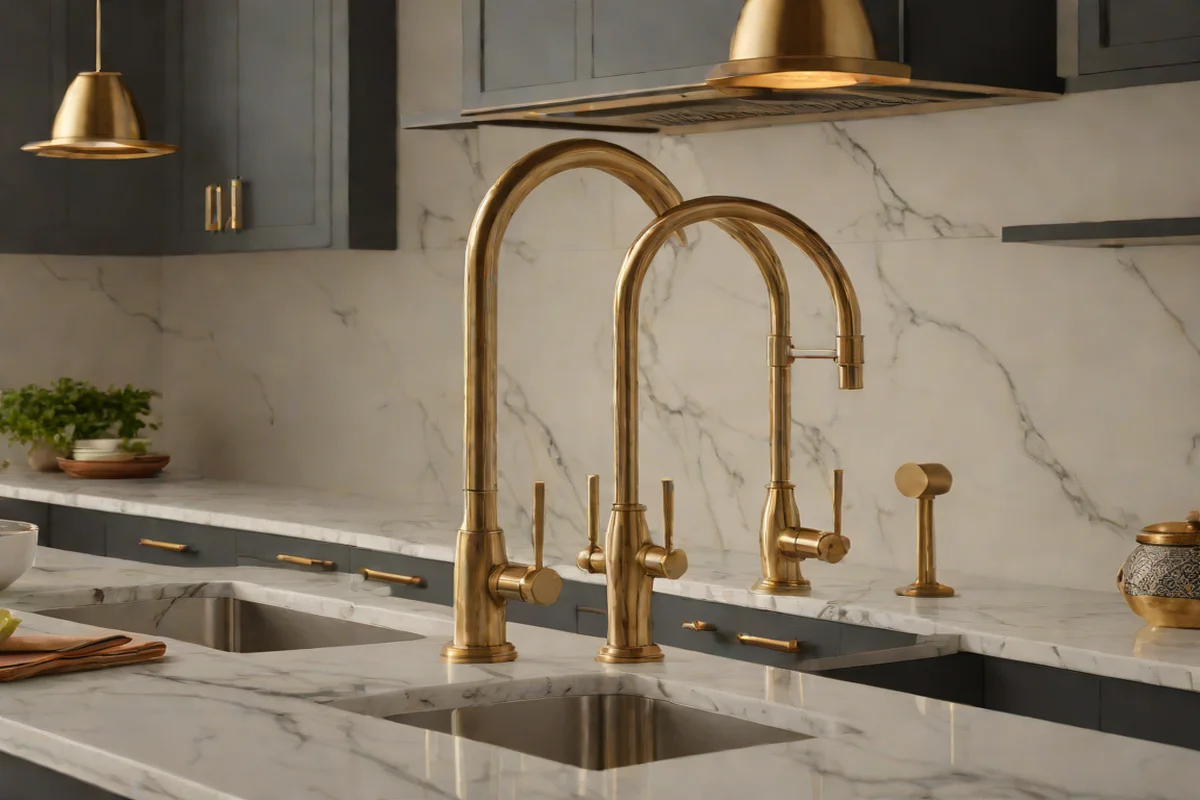
If your kitchen feels too “new,” incorporate antique or aged brass. Unlike bright gold, antique brass has dark, smoky depths that provide “Visual Weight.” Pairing this with a bright white marble countertop and a sleek chrome faucet creates a “Modern-Vintage Tension” that is very trendy for 2026. It suggests a home that is blooming with history.
12. Matte vs. High-Gloss Metallic Play
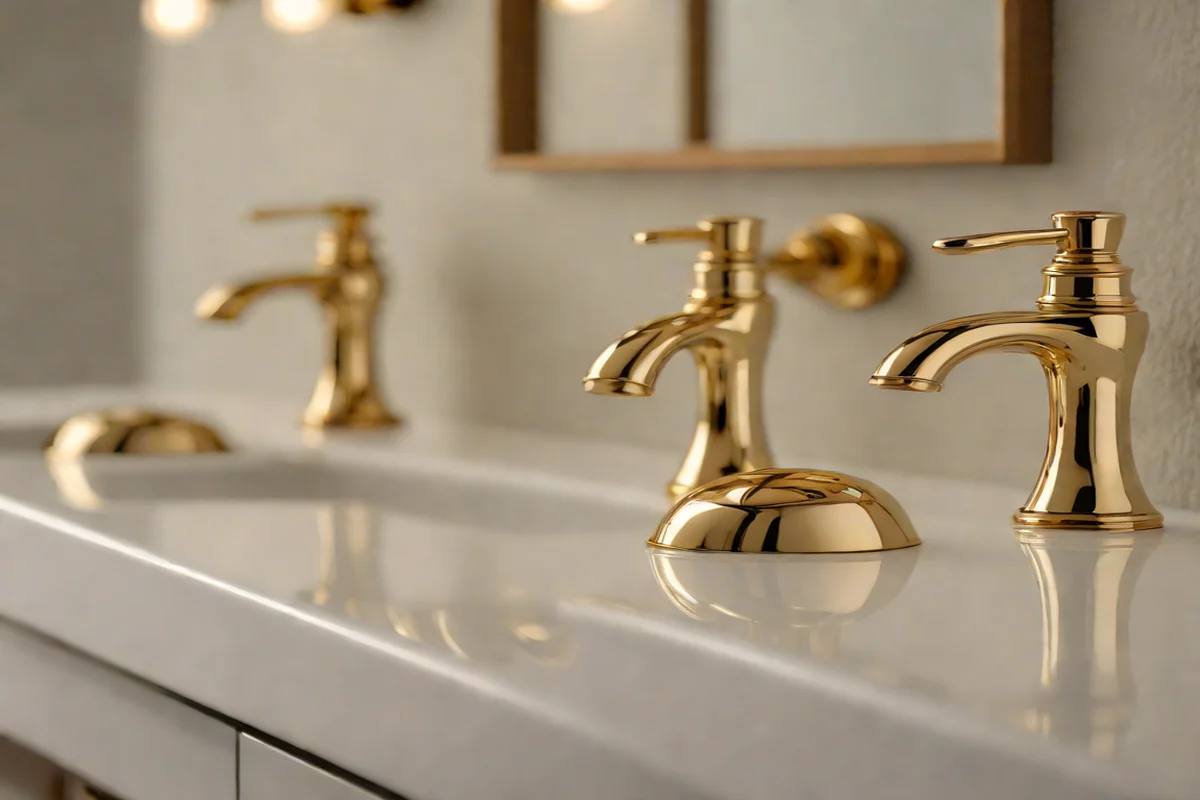
Mixing metals isn’t just about color; it’s about “Reflective Energy.” Try pairing matte gold hardware with a high-gloss polished chrome faucet. The matte finish absorbs light softly, while the polished finish reflects it like a mirror. This “Sheen Contrast” adds a sophisticated dimension to the kitchen, making it feel multi-layered and professionally managed.
13. The Consistency of One “Tone”
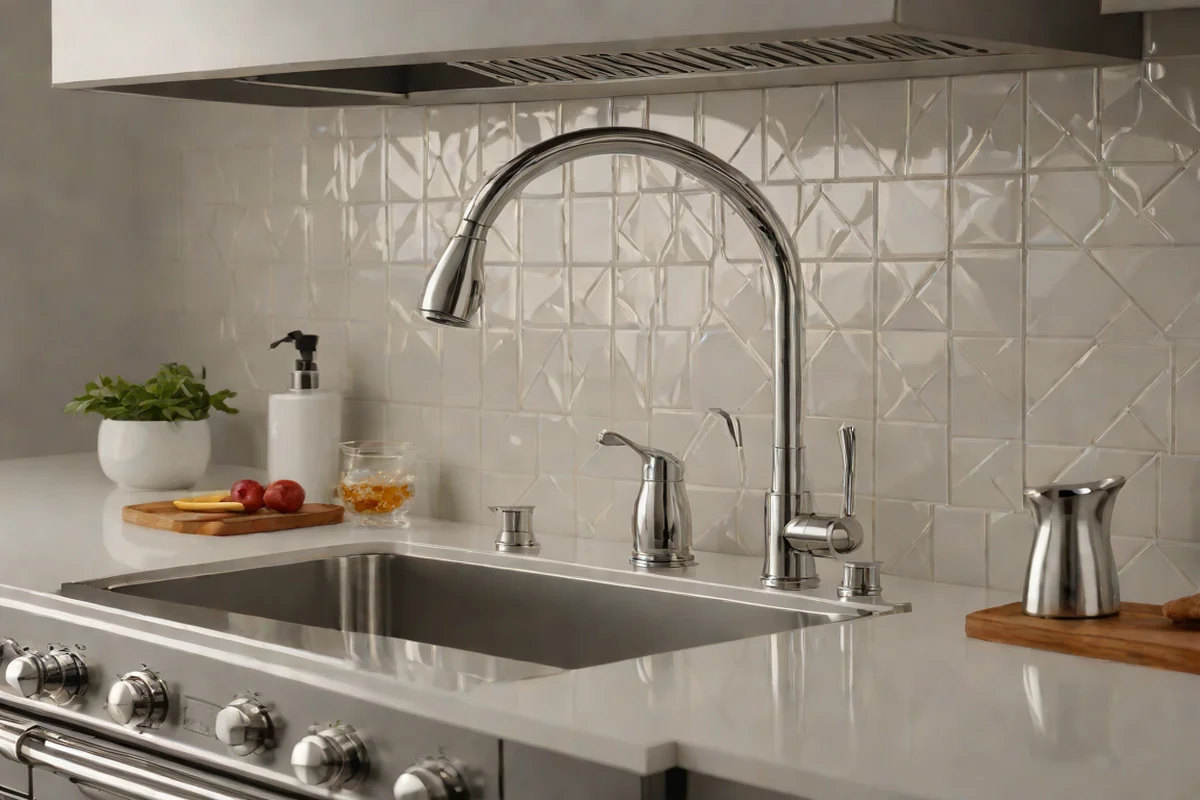
If you prefer a more subtle look, stay within one “Tone” but change the metal. For example, use Silver tones only, but mix them up: Stainless Steel for the stove, Polished Chrome for the faucet, and Brushed Nickel for the handles. This creates a “Monochromatic Metallic” look that feels incredibly clean, “Breezy,” and ultra-modern.
14. Metallic Pendants as the “Crown Jewelry”
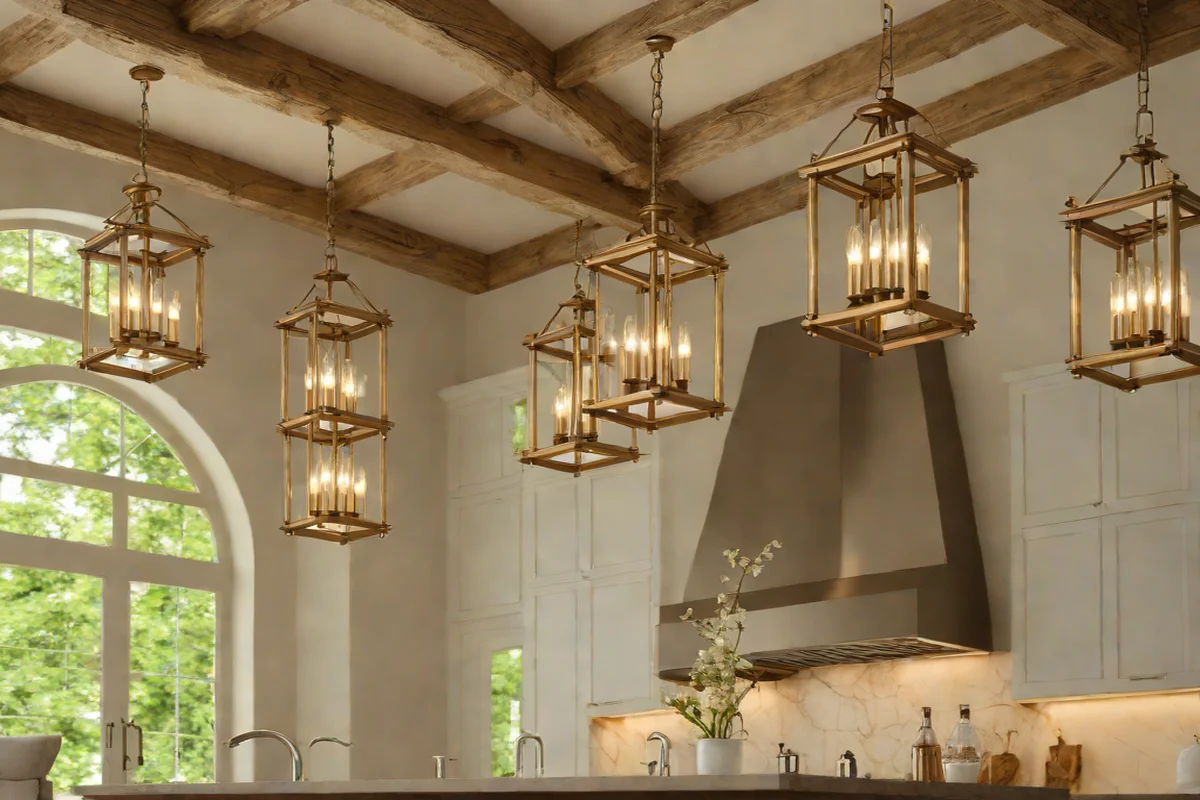
Your island pendants are the perfect place to introduce a new metal. If your kitchen is mostly stainless steel and wood, hanging three large brass lanterns provides a “Vertical Pop” of warmth. The pendants act as the “Crown Jewelry” of the room, defining the horizontal line of the island and adding a grand sense of architectural scale.
15. The “Bespoke” Pot Filler
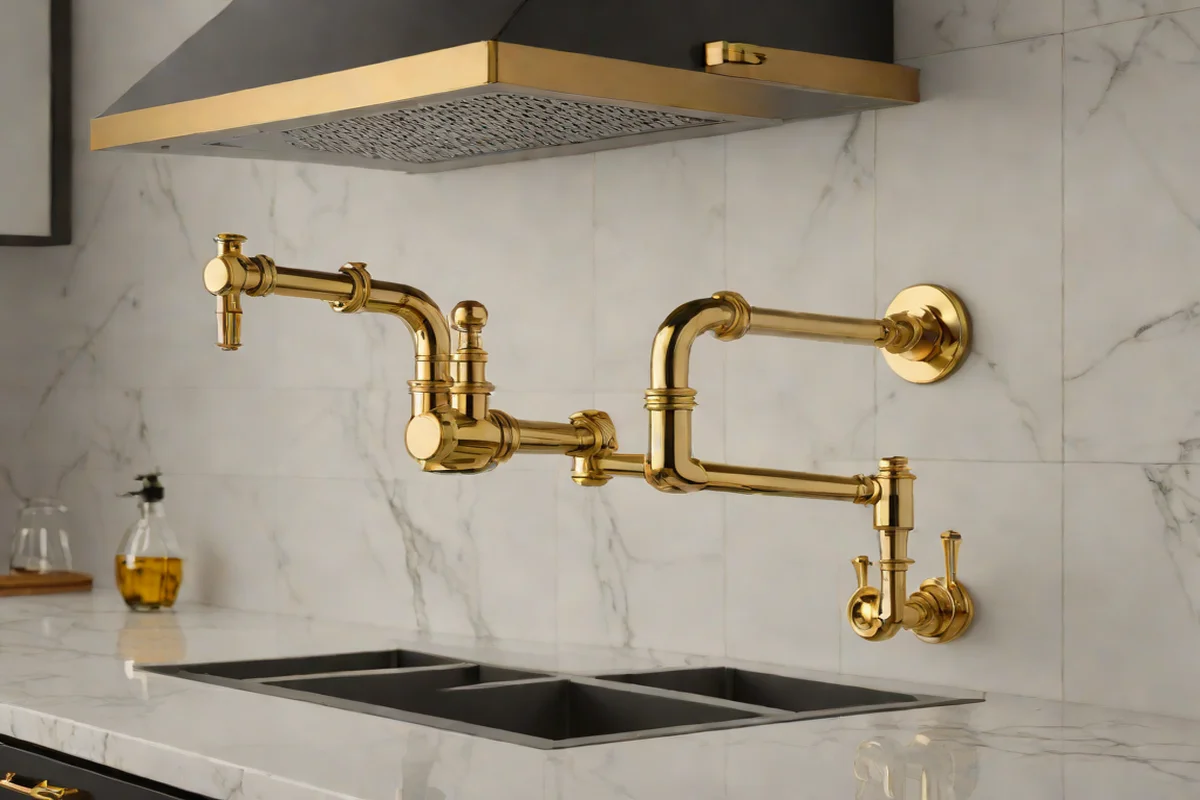
Install a pot filler in a metal that contrasts with your backsplash but matches your hardware. A brass pot filler against a white marble wall is a “Functional Masterpiece.” It adds a layer of “Social Luxury” and professional utility, signaling that this kitchen is a place of serious culinary craft. It is a detail that professional builders hve perfected for high-end sanctuaries.
16. Brass Toe-Kicks for “Floating” Glamour
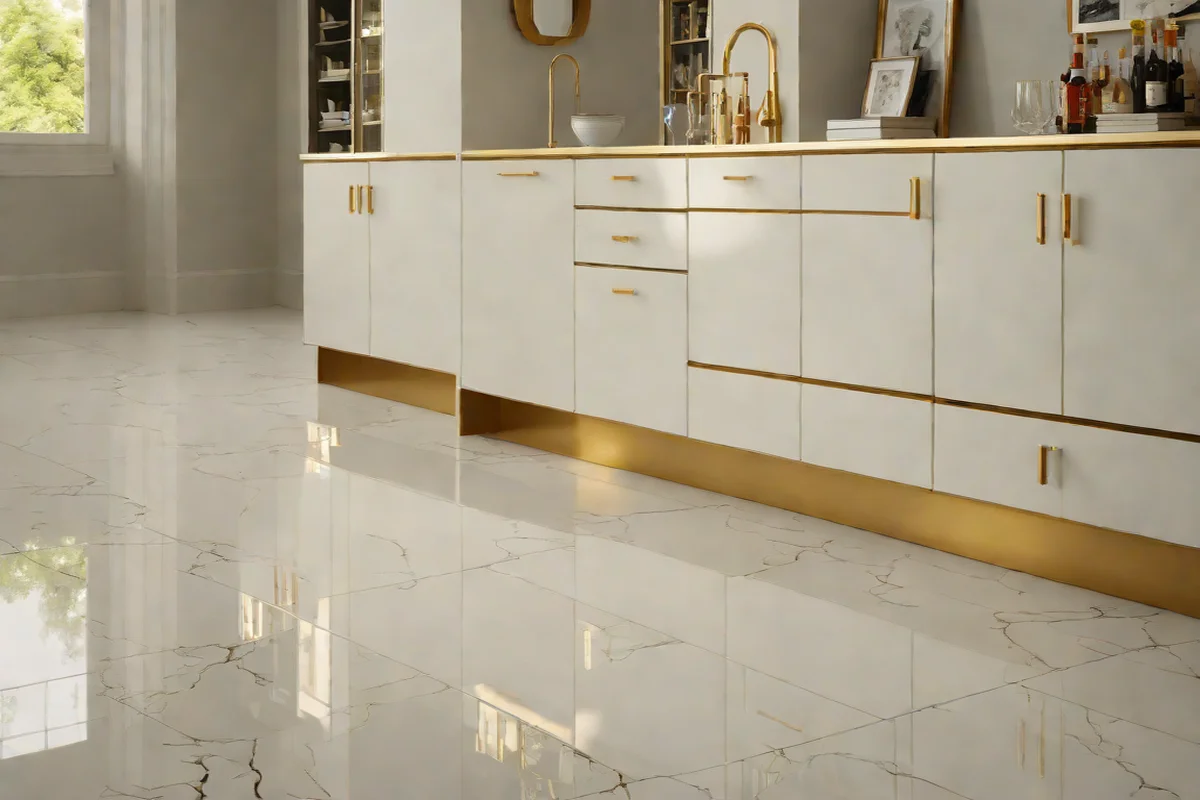
For a touch of “Parisian Glamour,” use a thin sheet of polished brass for your cabinet “Toe-Kicks” (the space at the floor). This creates a “Gilded Horizon” at the base of your cabinets, making them look like they are floating on a cloud of light. It’s an unexpected and high-end move that adds a massive sense of luxury to the room’s lower layout.
17. Integrated Metal Shelf Linings
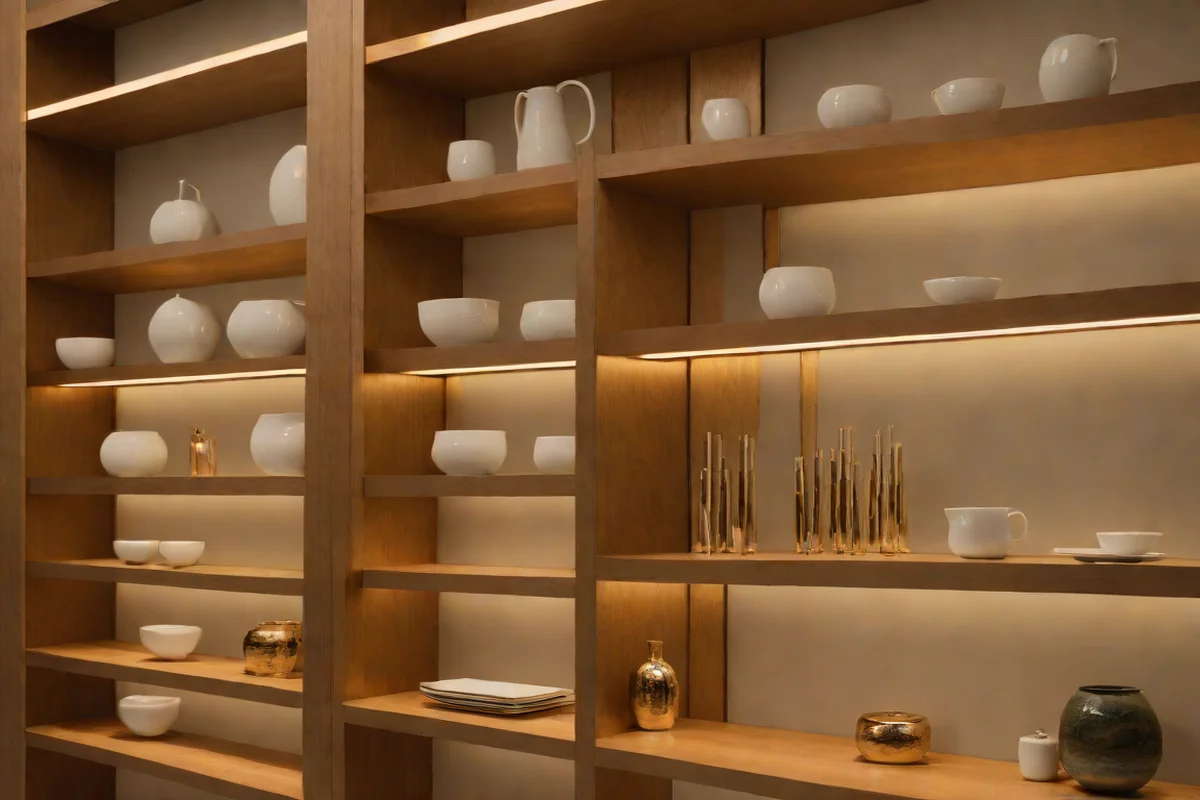
If you have open shelving, line the edges or the back with a thin sheet of copper or gold leaf. This “Metallic Glow” illuminates your curated ceramics from behind, making the shelves look like a gallery exhibit. It adds an “Acoustic Warmth” to the walls and ensures your artisanal items are always the stars of the show.
18. Match the Metal to the Cabinet Color
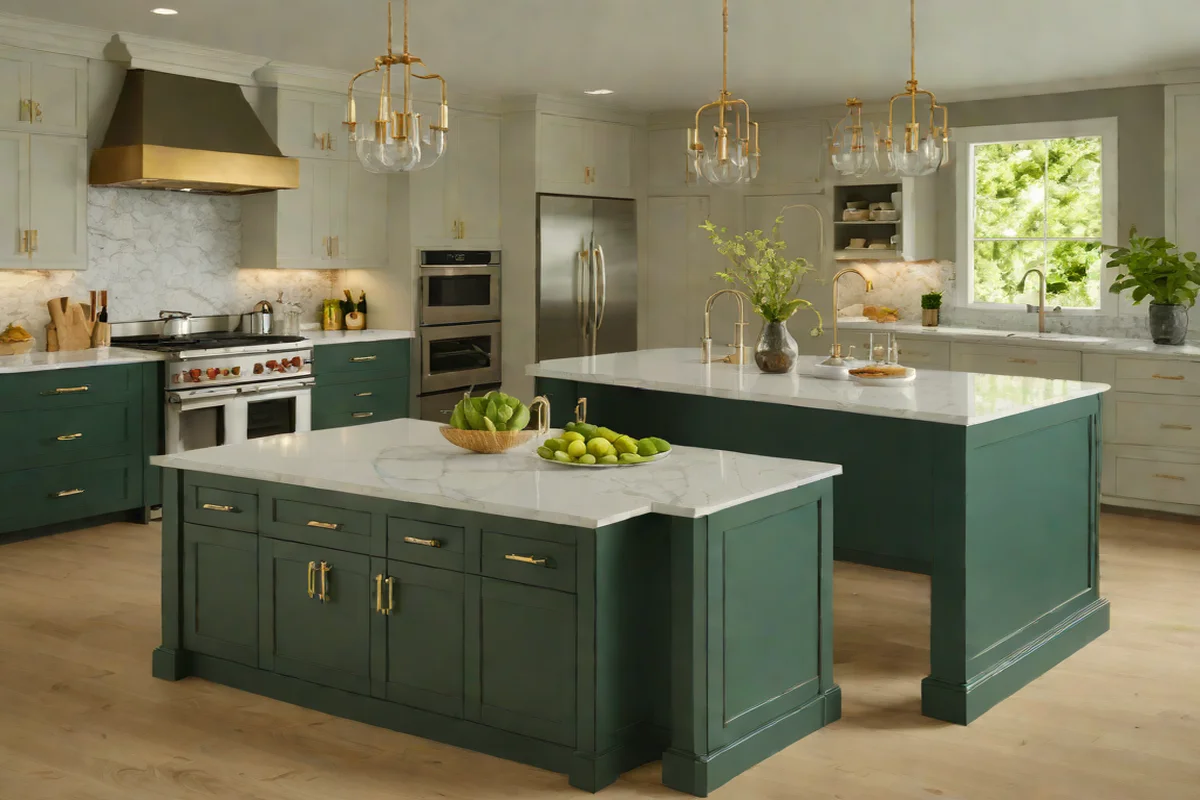
Use the color of your cabinets to guide your metal choice. Deep navy or forest green cabinets look incredible with warm gold and brass (Complementary). Light grey or white cabinets look “Sleek” with cool nickel or chrome (Analogous). Mixing these two strategies – brass on the dark island and nickel on the light perimeter – is a “Designer Flex” that proves you understand color theory.
19. Hardware “Backplates” in a Second Metal
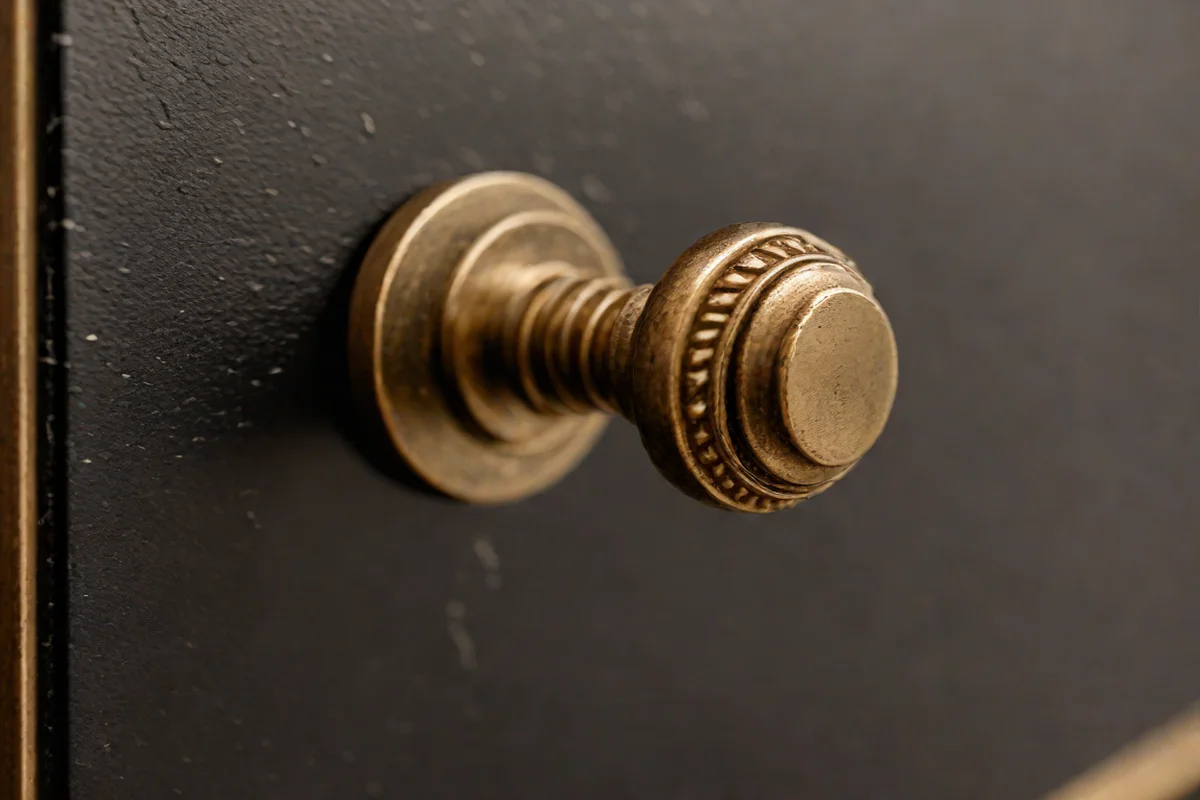
A very high-end move is to use a knob in one metal and a backplate in another. A brass knob on a black iron backplate creates a “Vintage Industrial” vibe that is very sophisticated. It provides a “Tactile Layer” for your fingers and protects your cabinet finish, making the hardware feel like a bespoke piece of mechanical art.
20. The “Third Metal” in Small Details
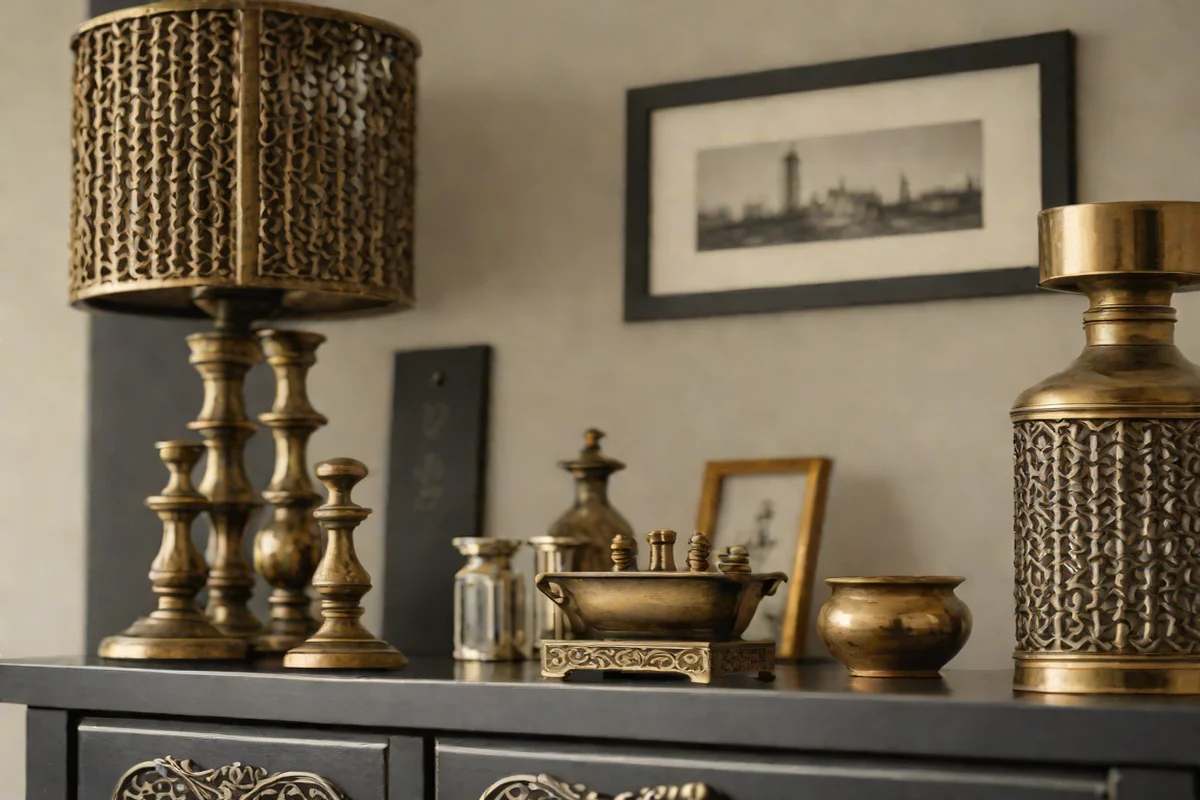
Use your “Third Metal” for the smallest items – like the hinges on your cabinets, the salt and pepper mills on your island, or the frames of your art. This “Tiny Rhythm” weaves the third metal through the room without overwhelming the eye. It is the final layer of professional “Curation” that makes the kitchen feel complete.
21. Chrome for “Hospitality Sparkle”
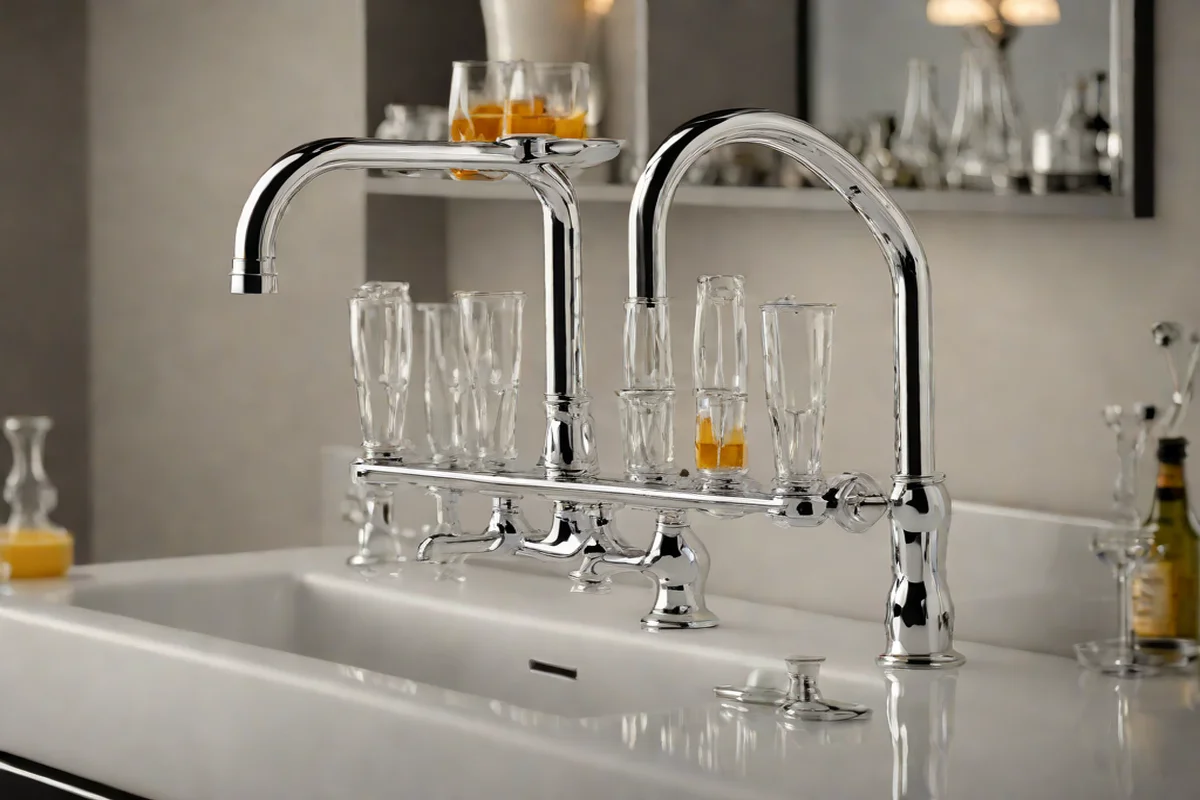
Don’t dismiss Chrome as “basic.” High-quality polished chrome has a bluish-white sparkle that feels incredibly “Fresh” and “Hospitality-ready.” Using chrome for your bar sink faucet or your glassware rack adds a “Crisp Energy” to the kitchen, making it feel like a high-end coastal resort or a luxury hotel bar.
22. Gunmetal Grey for “Modern Grit”
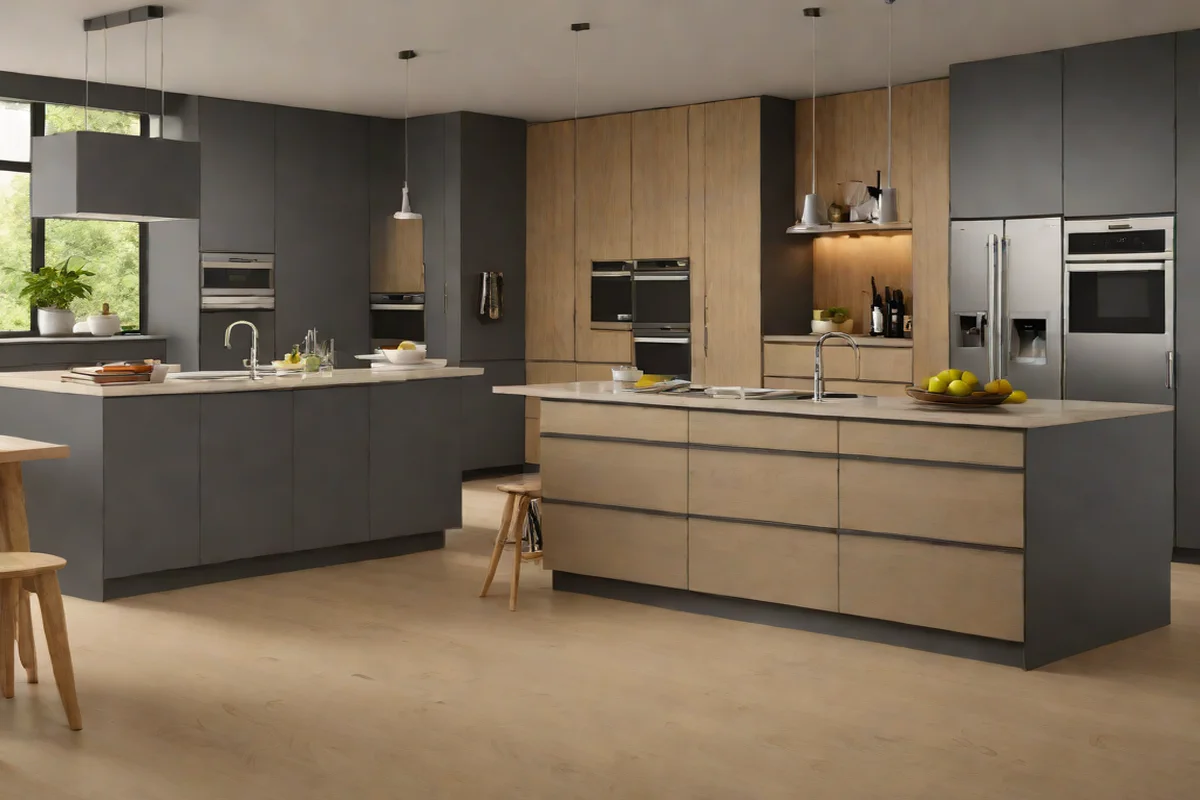
If you want something darker than stainless steel but softer than black, “Gunmetal” is the answer. It has a “Moody Sophistication” that pairs perfectly with reclaimed wood and brass. Gunmetal pulls on oak cabinets provide an “Urban-Luxe” vibe that is perfect for lofts or modern apartments, adding a sense of “Grounded Strength” to the floor plan.
23. Gold “Grout” and Metallic Tile Inlays
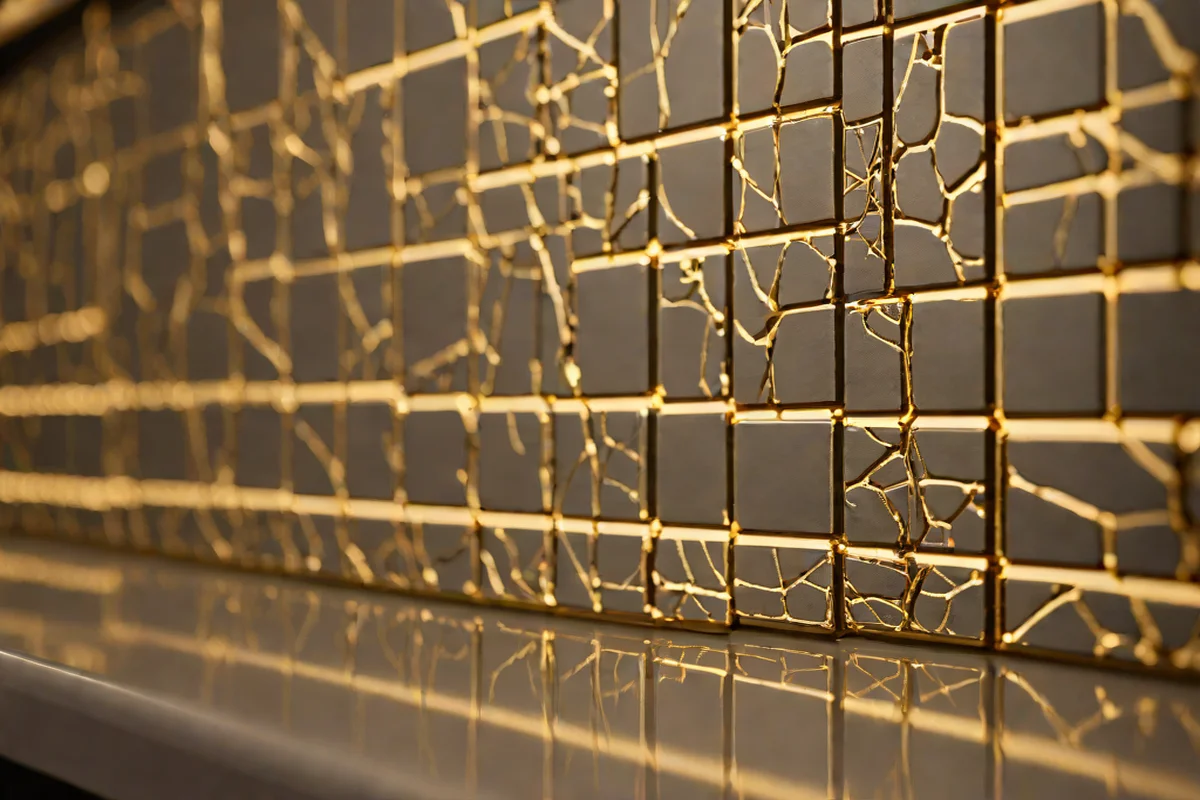
In 2026, we are seeing metals move into the walls. Use a tile with a thin gold or brass inlay, or use a metallic-tinted grout. This adds a “Micro-Sparkle” to your backsplash that only appears when the under-cabinet LED lights are turned on. It is an “Invisible Luxury” that turns a simple wall into a glowing masterpiece.
24. Brass Legs for Kitchen Stools
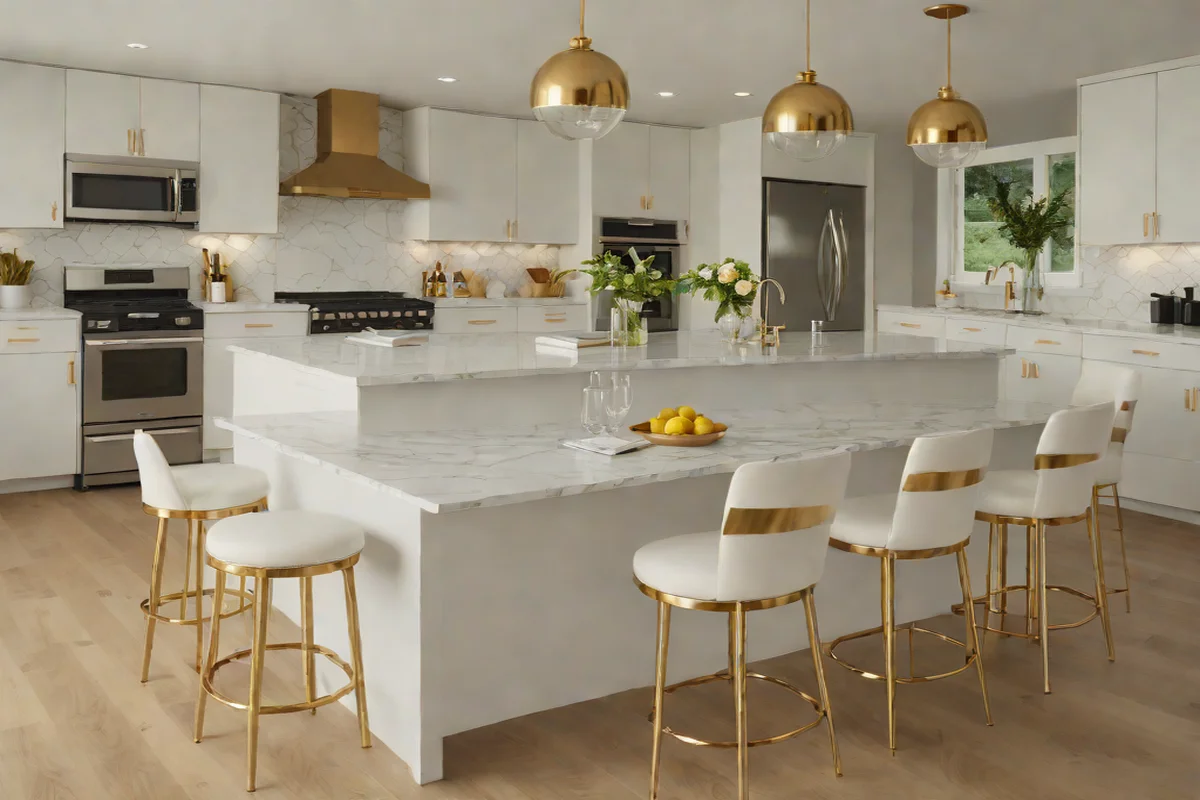
Your furniture should participate in the “Metallic Dialogue.” Choosing bar stools with slim brass legs ties your island’s hardware to the seating area. This “Visual Connection” ensures that the “Mixed Metal” theme travels across the entire room, making the kitchen and living area feel like one unified Trendy Home Bloom masterpiece.
25. The Scent of Metals: “Clean and Sharp”
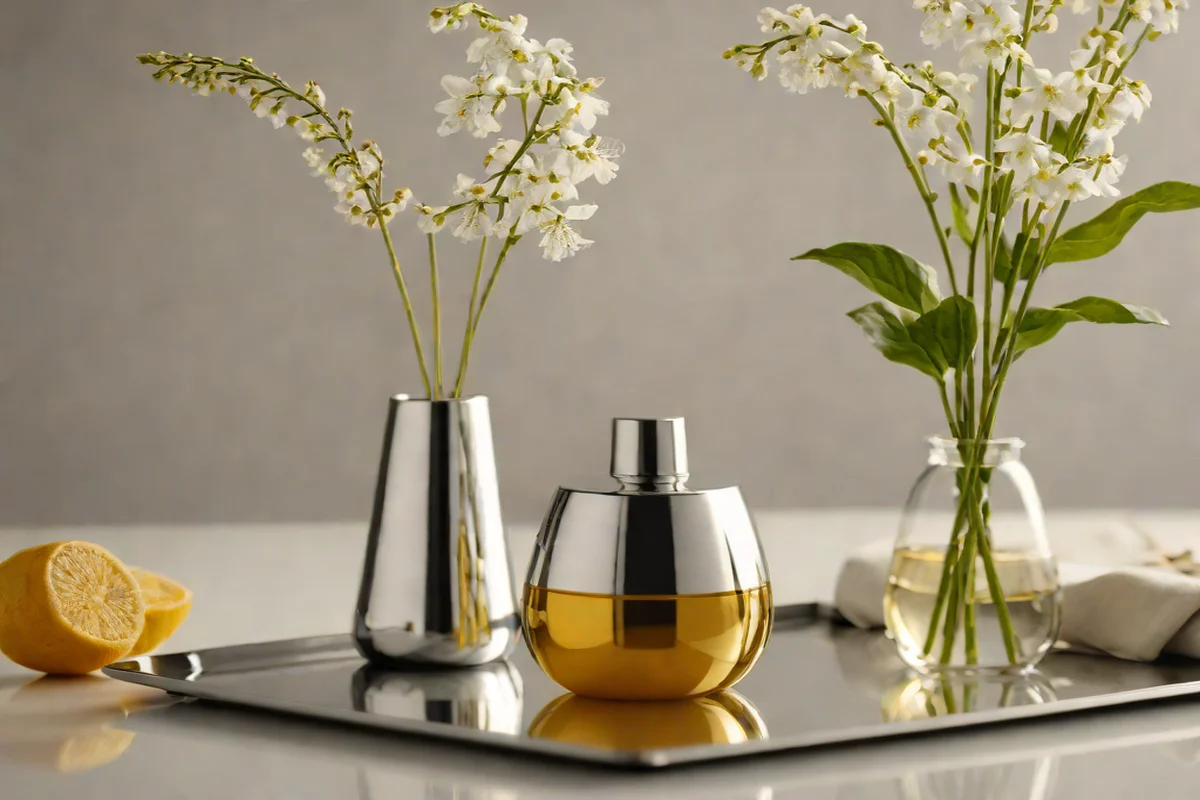
Complete the sensory experience. A mixed-metal kitchen feels high-end and “Clean.” Use diffusers with “Sharp” notes like Lemon, White Tea, or Eucalyptus. When your room looks metallic and sharp and smells like a fresh spa, the “Modern Bloom” is complete. Scent is the final, invisible layer of professional interior design.
26. Rose Gold for “Soft Transition”
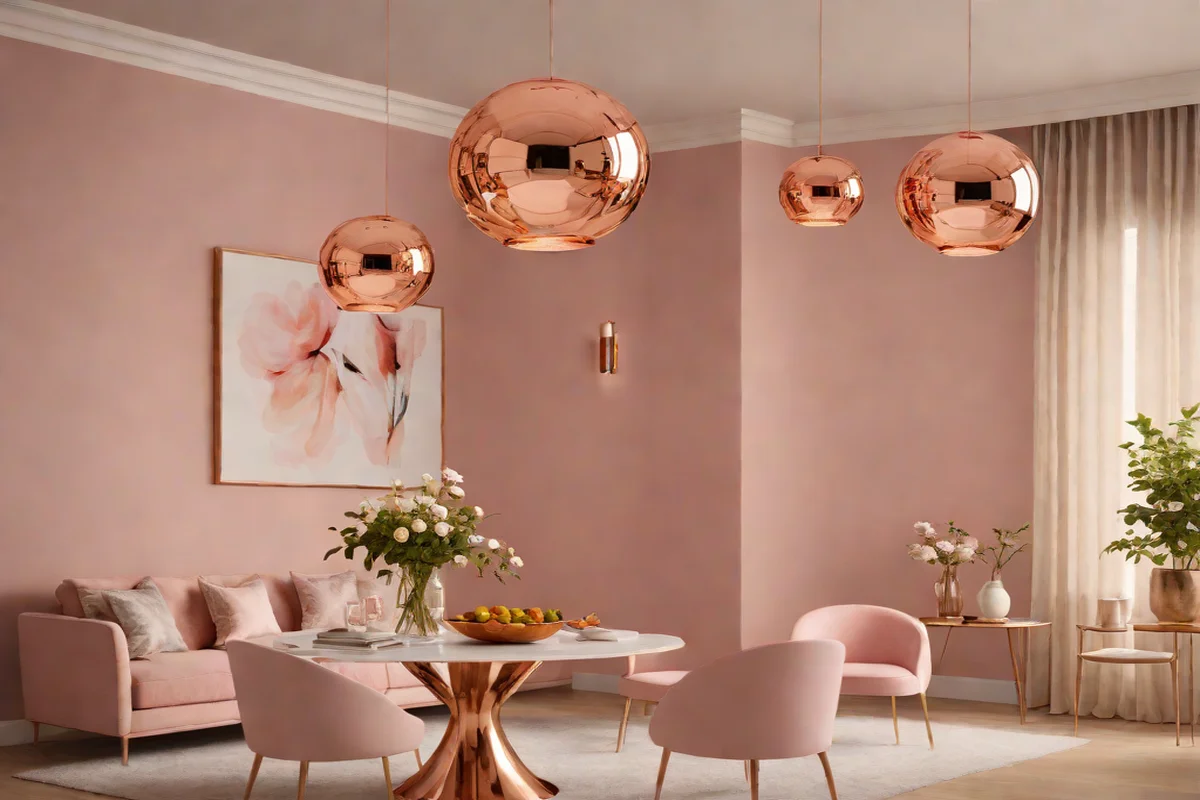
Rose gold or pink copper is a “Niche Luxury” choice that works beautifully as a transition metal. It has the warmth of brass but the “Breezy” energy of a lighter metal. Using rose gold for your fruit bowl or a single pendant adds a “Pop of Unexpected Personality” that makes your kitchen stand out from the standard Pinterest look.
27. Mirror-Polished “Stainless” Islands
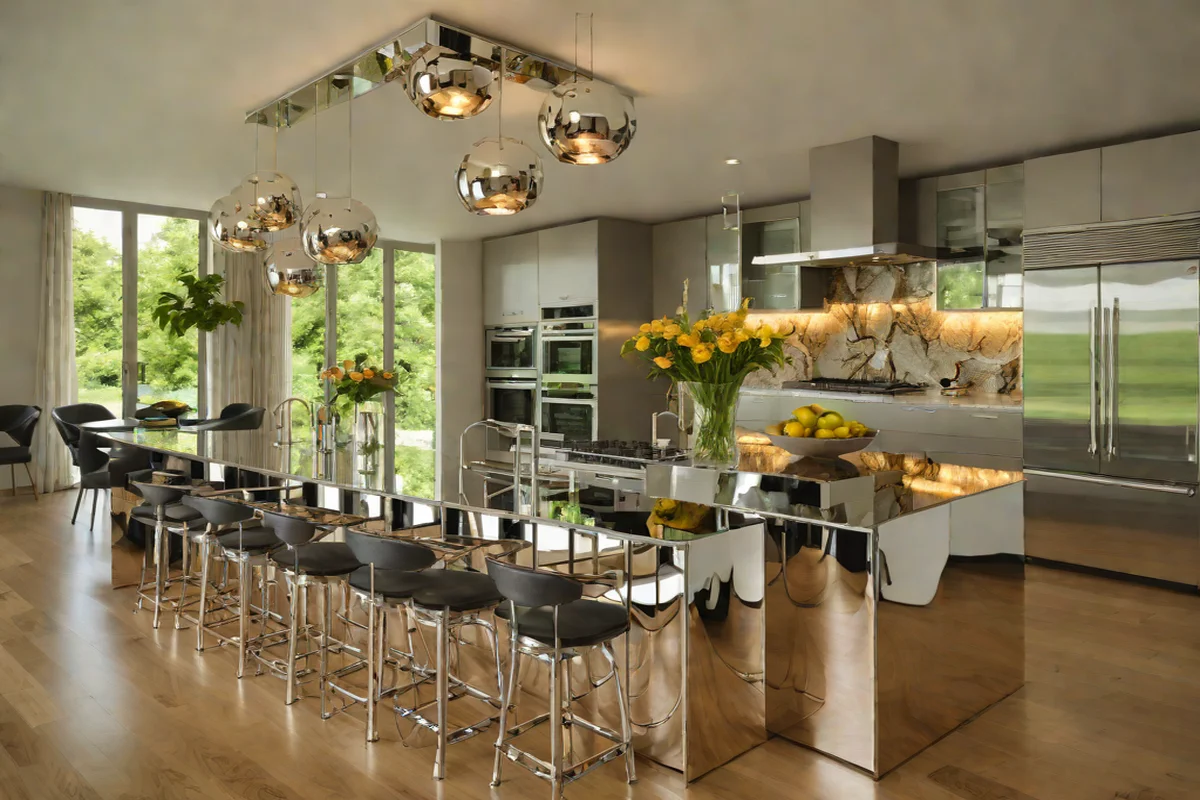
For the ultra-brave, a kitchen island clad in mirror-polished stainless steel is a “Future-Forward” masterpiece. It reflects the entire room – the wooden floors, the brass pendants, the marble walls – acting as a “Metallic Chameleon.” It is a bold move that turns the center of your kitchen into a piece of high-end sculptural art.
28. “Shadow-Gap” Brass Detailing
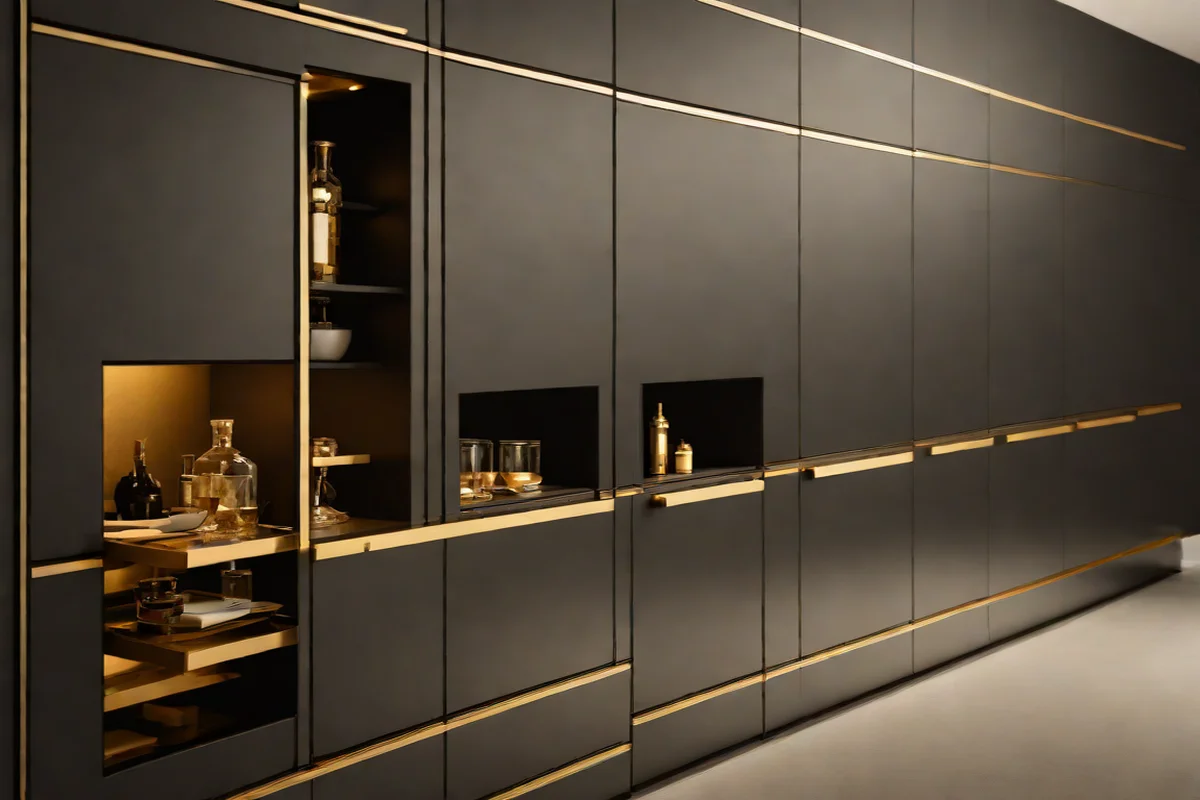
If you have minimalist, handle-less cabinets, incorporate a “Shadow-Gap” lined with brass. This is a thin horizontal or vertical recess that you use to pull the doors open. The “Glimmer of Gold” inside the dark shadow is a professional architectural secret for adding “Hidden Luxury” to a minimalist kitchen layout.
29. The “Golden Hour” Lighting Control
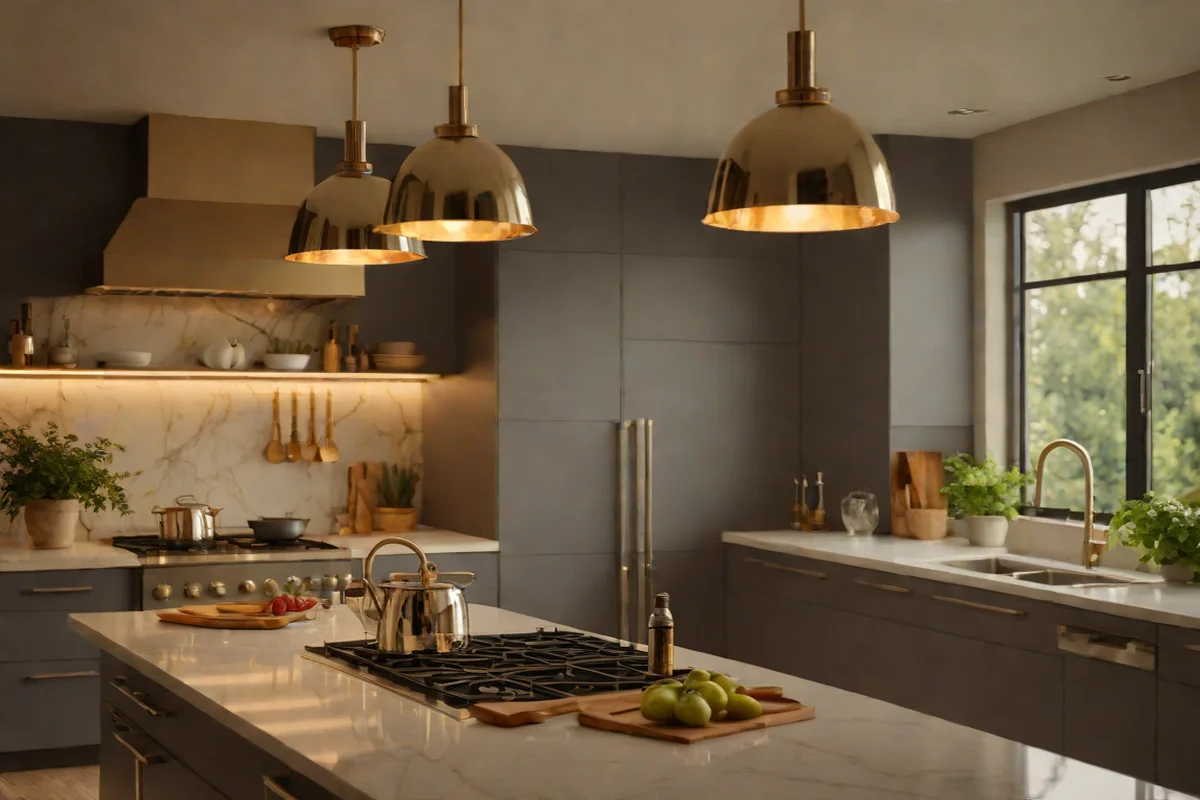
The way your metals look depends entirely on your light. Ensure all your lights are on dimmers. At the “Golden Hour,” dimming the lights makes your brass hardware glow with a soft, romantic energy while the stainless steel takes on a moody, dark grey hue. This “Atmospheric Shift” is why you invested in a mixed-metal palette.
30. The Evolutionary “Metal Bloom”
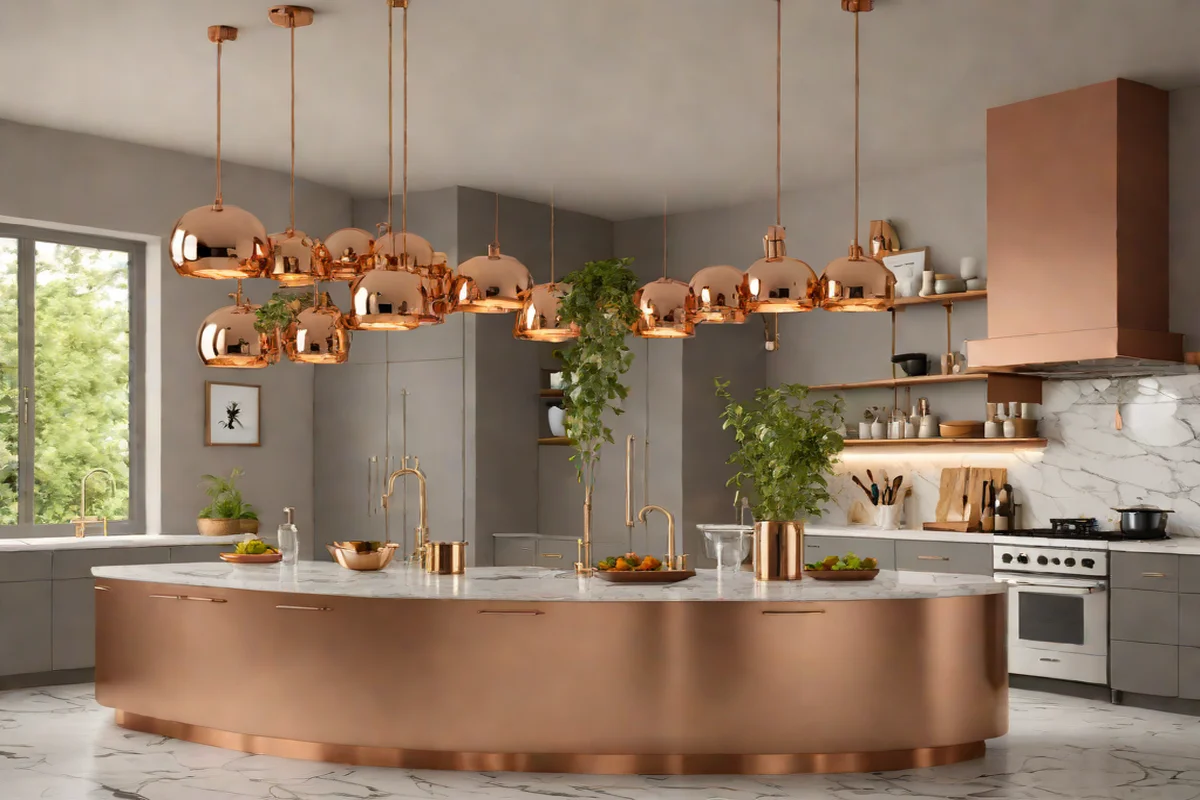
Finally, remember that your metallic palette should never feel “locked in.” A Trendy Home Bloom is a space that lives and breathes. Swap your handles, update a faucet, or add a new copper pot. A kitchen that evolves with your taste is a kitchen that truly celebrates the art of living.
Conclusion: The Symphony of Sheen
- What is it? Mixing metals is the intentional curation of different metallic finishes (warm and cold) to create depth and architectural character.
- How to achieve it? Establish a Dominant Anchor metal, use the Rule of Three, and balance temperatures (Warm Brass vs. Cold Steel).
- Why does it matter? A mixed-metal kitchen looks professionally managed and historically “evolved,” increasing the perceived luxury and value of the home.
- When to start? Start today by auditing your “Hardware Rhythm” adding brass pulls to a stainless-steel kitchen is the fastest way to make your kitchen bloom!